How to Treat Coccidiosis in Birds 2026 Best Guide
If you keep birds, you know how quickly coccidiosis can become a serious problem. This common yet tricky disease affects your birds’ health and energy, making it hard for them to thrive.
But don’t worry—treating coccidiosis doesn’t have to be confusing or overwhelming. You’ll discover simple, effective steps to spot the signs early and fight the infection head-on. By the end, you’ll feel confident protecting your birds and restoring their well-being. Keep reading to learn exactly how to treat coccidiosis in birds and keep your flock healthy.
Causes And Symptoms
Coccidiosis is a common disease in birds caused by parasites. These parasites infect the bird’s intestines and cause illness.
It is important to know what causes this disease and how to spot its symptoms early. This helps in treating the birds quickly and safely.
Common Causes
Coccidiosis happens when birds ingest tiny parasites called coccidia. These parasites live in soil, water, or food contaminated with feces from infected birds.
- Dirty or wet living areas
- Overcrowding of birds
- Poor sanitation and hygiene
- Stress from moving or bad weather
- Contact with infected birds or their droppings
Recognizing Symptoms
Birds with coccidiosis show signs that help identify the disease early. Noticing these symptoms can save the bird’s life.
| Symptom | Description |
|---|---|
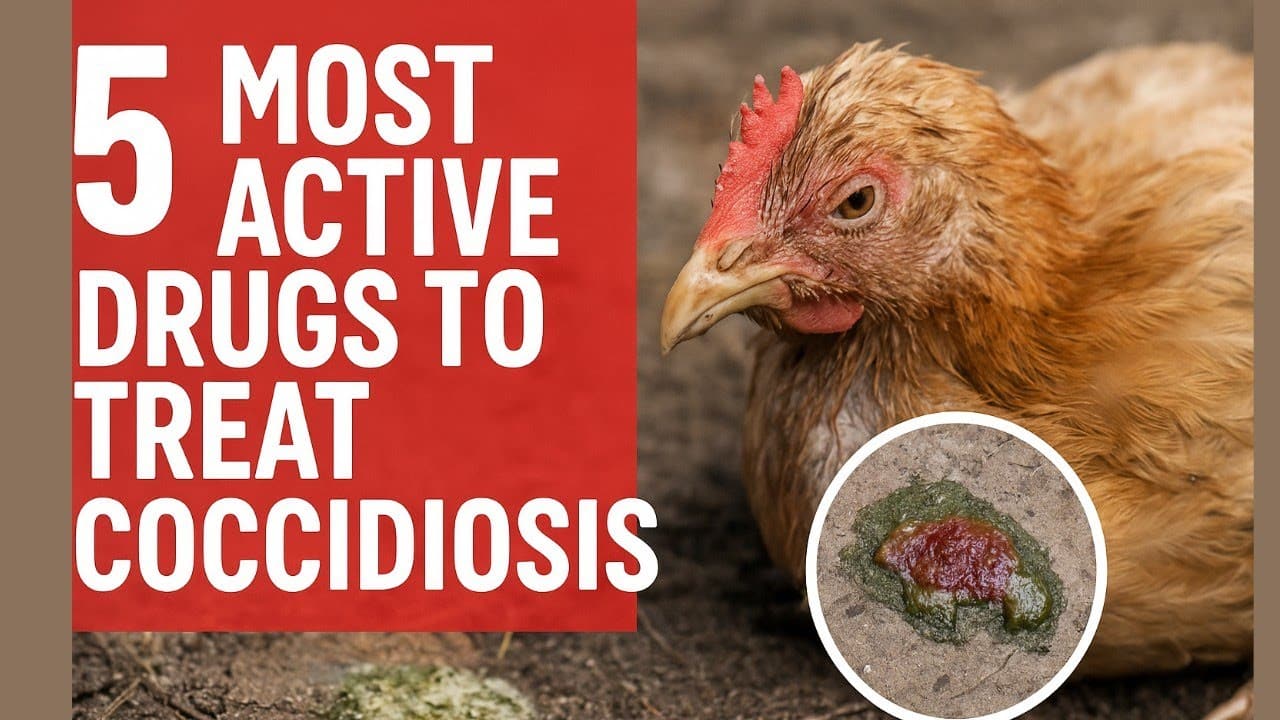
| Diarrhea | Often watery and sometimes bloody |
| Loss of appetite | Bird stops eating normally |
| Weight loss | Bird becomes thin and weak |
| Weakness | Less active and tired easily |
| Ruffled feathers | Feathers look messy and unkempt |
| Dehydration | Dry mouth and sunken eyes |

Credit: www.tassiebirdandpoultrysupplies.com
Diagnosis Techniques
Diagnosing coccidiosis in birds is important to start proper treatment. Early detection helps prevent serious illness.
Bird owners and vets use different techniques to find out if birds have coccidiosis. These methods check for symptoms and parasites.
Laboratory Tests
Laboratory tests are the most reliable way to diagnose coccidiosis. They detect the parasite in bird droppings or tissues.
Tests help identify the type and amount of coccidia present. This guides the right treatment plan.
- Fecal flotation test shows coccidia eggs in droppings.
- Microscopic examination finds parasite stages in samples.
- Histopathology examines bird tissue for damage and parasites.
- Polymerase chain reaction (PCR) detects parasite DNA.
Physical Examination
Physical exams help spot signs of coccidiosis in birds. Vets check the bird’s overall health and behavior.
Look for symptoms like diarrhea, weight loss, and weakness. These signs suggest infection but need lab tests to confirm.
- Check for pale or swollen comb and wattles.
- Observe droppings for blood or mucus.
- Feel the bird’s abdomen for tenderness or swelling.
- Note changes in appetite or activity level.
Medication Options
Coccidiosis is a common disease in birds. Treating it quickly helps birds recover well.
Medication is the main way to fight the infection. Different drugs work to stop the parasite growth.
Anticoccidial Drugs
Several drugs help control coccidiosis in birds. Some common anticoccidial drugs include:
- Sulfonamides
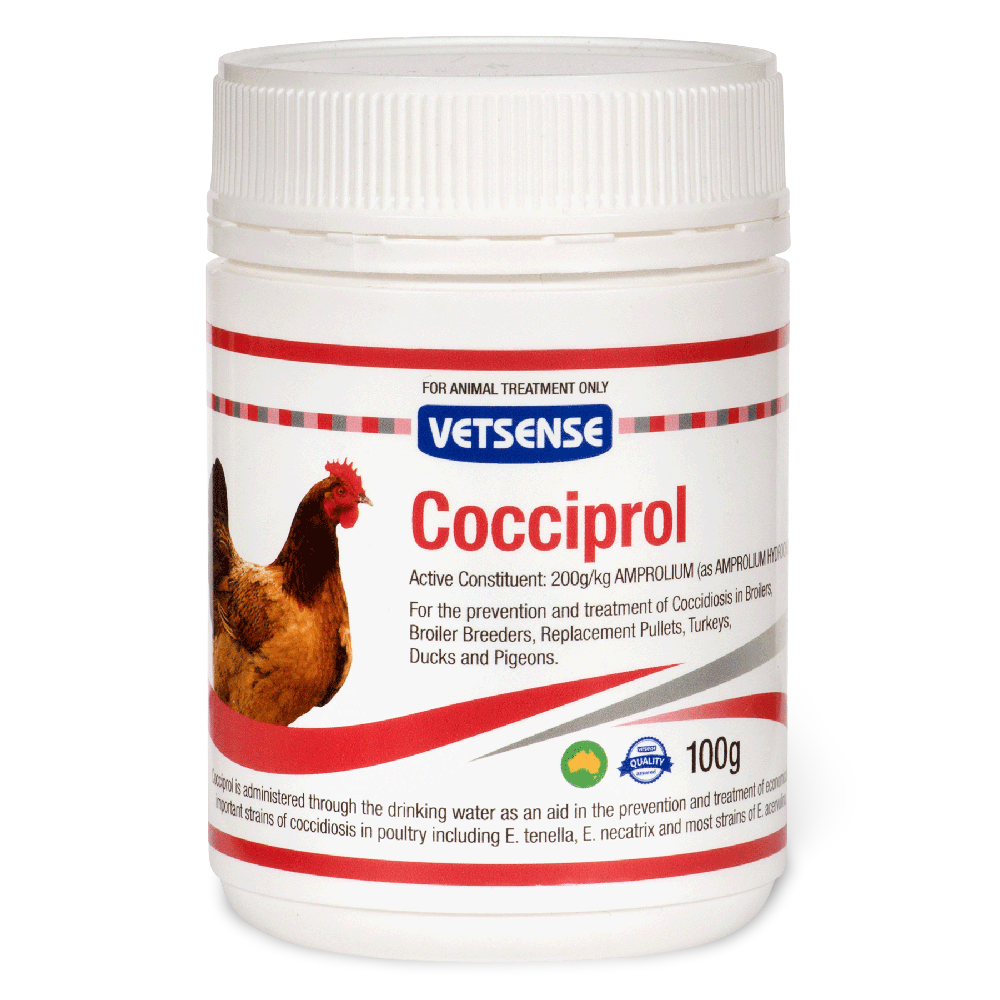
- Amprolium
- Lasalocid
- Monensin
- Diclazuril
Each drug targets the parasites in a different way. Choosing the right drug depends on the bird species and infection severity.
Dosage And Administration
Giving the correct dose is important for success. Overdosing can harm birds, while underdosing may not clear the infection.
| Drug | Dosage | Method | Duration |
| Sulfonamides | 0.5-1 g/L water | Drinking water | 5-7 days |
| Amprolium | 0.0125-0.025% feed | Mixed in feed | 5 days |
| Lasalocid | 60-125 ppm in feed | Mixed in feed | 7-10 days |
| Monensin | 100-120 ppm in feed | Mixed in feed | 5 days |
| Diclazuril | 1 mg/kg body weight | Oral dose | 2 days |
Always follow the drug label instructions. Clean water and feed help medication work well.

Credit: chooks.co.nz
Natural Remedies
Coccidiosis is a common disease in birds. It causes digestive problems and weakness. Natural remedies can help birds fight this illness safely.
Using natural treatments supports bird health without harsh chemicals. These remedies include herbs and supplements that strengthen the immune system.
Herbal Treatments
Herbs can reduce coccidia parasites and soothe bird digestion. Many herbs have natural anti-parasitic properties that help control infections.
Common herbs used for coccidiosis include oregano, garlic, and neem. These plants help kill parasites and boost bird immunity.
- Oregano:Contains natural oils that fight parasites.
- Garlic:Improves digestion and kills harmful microbes.
- Neem:Acts as a natural anti-parasitic and supports healing.
Dietary Supplements
Supplements can improve bird health and help prevent coccidiosis. Probiotics and vitamins support the gut and immune system.
Adding supplements like vitamin A, vitamin E, and probiotics helps birds recover faster. These nutrients strengthen the body to fight infection.
- Vitamin A:Keeps the digestive tract healthy.
- Vitamin E:Helps the immune system work well.
- Probiotics:Restore good bacteria in the gut.
Prevention Strategies
Coccidiosis is a disease that affects birds. It spreads through contact with infected droppings. Preventing this disease helps keep birds healthy and safe.
Good care and proper actions can stop coccidiosis. This guide explains how to prevent it with two key strategies.
Sanitation Practices
Cleaning bird areas is very important. Remove droppings and old feed every day. This stops the spread of coccidia parasites.
Keep water and food containers clean. Use fresh water and dry bedding often. Good airflow also helps reduce moisture and germs.
- Clean cages and coops daily
- Remove wet or dirty bedding
- Disinfect feeders and waterers weekly
- Keep the area dry and well-ventilated
- Avoid overcrowding of birds
Vaccination Programs
Vaccines can protect birds from coccidiosis. They help birds build immunity against the parasite. Use vaccines as recommended by a vet.
Vaccination works best when combined with good sanitation. It is important to follow the correct schedule and dose for each bird type.
- Consult a vet for vaccine options
- Follow the vaccination schedule strictly
- Use vaccines approved for your bird species
- Keep vaccinated birds separate during treatment
- Monitor birds after vaccination for any issues
Care And Recovery
Coccidiosis is a common illness in birds that affects their intestines. Proper care helps birds heal faster and stay healthy.
During recovery, birds need good food, clean water, and a calm place to rest. Watch them closely to catch any problems early.
Supportive Care
Supportive care helps birds stay strong while fighting the infection. Keep their living area clean and dry to avoid more illness.
- Provide fresh water at all times
- Feed a balanced diet with extra vitamins
- Keep the coop warm but well ventilated
- Remove wet or soiled bedding daily
- Limit stress by avoiding loud noises or sudden changes
Monitoring Progress
Check your birds every day for signs of improvement or worsening. Early detection of issues helps you act quickly.
| Sign to Watch | What It Means |
| Eating and drinking normally | Good recovery sign |
| Bright eyes and active behavior | Healthy and improving |
| Diarrhea or blood in droppings | Needs veterinary care |
| Weakness or lethargy | Possible complications |
Credit: www.petcircle.com.au
Frequently Asked Questions
What Are Common Symptoms Of Coccidiosis In Birds?
Common symptoms include diarrhea, lethargy, weight loss, and ruffled feathers. Birds may also show decreased appetite and dehydration. Early detection helps in effective treatment and prevents spread among flock members.
How Can I Prevent Coccidiosis In My Birds?
Maintain clean living conditions, provide fresh water, and avoid overcrowding. Regularly disinfect cages and feeders. Use coccidiostats in feed as a preventive measure, especially in young or stressed birds.
What Medications Treat Coccidiosis Effectively?
Anticoccidial drugs like amprolium and sulfa antibiotics are commonly used. Always follow veterinary guidance for dosage and duration. Early treatment improves recovery and reduces mortality rates.
Can Coccidiosis Spread Between Different Bird Species?
Yes, coccidiosis can spread through contaminated feces and environments. Practice strict hygiene and quarantine new or sick birds to prevent cross-species infection.
Conclusion
Treating coccidiosis in birds requires prompt attention. Start with a clean environment. Ensure the birds have access to fresh, clean water. Consider using medicated feed to help combat the infection. Regularly monitor the birds for any signs of improvement or decline.
Consult a veterinarian if symptoms persist. Prevention is key. Maintain hygiene and provide proper nutrition to strengthen their immune system. Keeping birds healthy is a continuous effort. With care and attention, you can manage and prevent coccidiosis effectively. Your birds will thank you with their vibrant health and lively presence.