What Material Do They Make Bird Bath Fountains From? The Ultimate Guide to the Best Materials for a Sparkling Garden
You’ve seen the perfect garden in your mind: the sun is setting, the flowers are blooming, and a group of vibrant robins is splashing happily in a beautiful fountain. But then reality hits. You buy a fountain, and within one season, the color has faded, the basin has a hairline crack, or the pump has sputtered to a halt because it was built from cheap, flimsy plastic.
It’s heartbreaking to watch your garden investment crumble. The secret to a fountain that lasts decades—not months—lies in one simple question: What material do they make bird bath fountains from, and which one is actually right for your climate?
In this guide, we aren’t just going to list materials. We are going to dive deep into the architecture of a perfect bird bath, review the top solar components to bring your water to life, and give you a step-by-step blueprint for a DIY fountain that will make your neighbors green with envy.
Quick Comparison: The Best Solar Fountain Components for Your Build
| Product | Material | Key Feature | Best For |
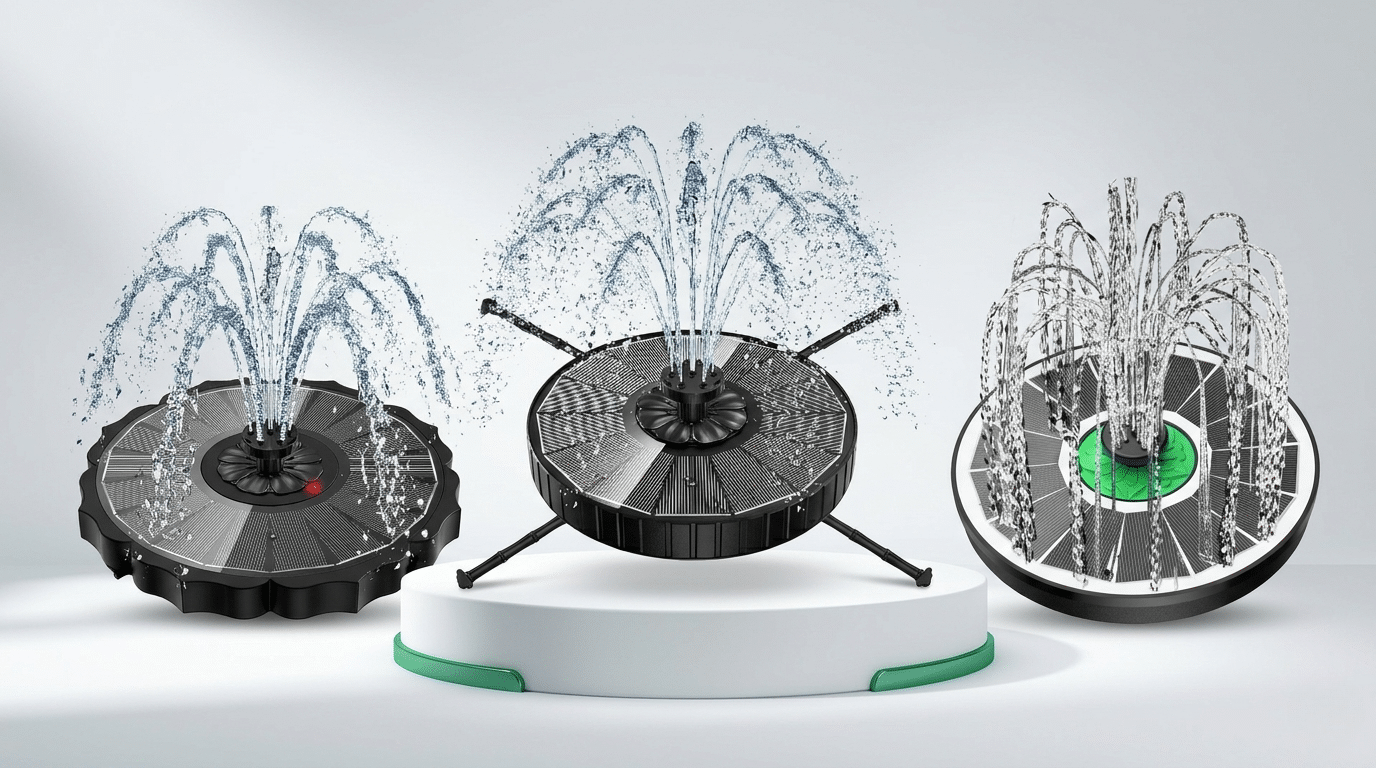
| Yzert Solar (w/ Battery) | High-Conversion Glass | 2000mAh Battery (Works in shade) | All-day performance |
| AISITIN DIY Kit | Durable Plastic | 3.9ft Separate Panel Design | DIY enthusiasts/Shady spots |
| Yzert Glass (No Battery) | Full White Glass | Flower Design / High Conversion | Direct sun / Aesthetics |
What Material Do They Make Bird Bath Fountains From?
The material is the soul of your fountain. It determines how often you have to clean it, how it handles a winter freeze, and whether the birds will actually feel safe enough to land.
1. Concrete: The Heavy-Duty Hero
Concrete is the “Old Reliable” of the garden world.
-
The Story: Imagine a material that gets more character as it ages. Concrete is heavy, stable, and can be molded into intricate statues or simple, modern basins.
-
Pros: It won’t blow over in a storm; it handles heat well; it can be painted or stained.
-
Cons: It’s incredibly heavy (don’t plan on moving it often); it can crack if water freezes inside the pores during winter.
-
Seth Godin Perspective: Investing in concrete isn’t just buying a fountain; it’s buying a permanent landmark for your home that says, “I care about longevity.”
2. Ceramic: The Aesthetic Choice
Ceramic fountains are often the “showstoppers” of a backyard.
-
The Story: With high-gloss glazes and vibrant blues or greens, ceramic adds a splash of color even when the flowers aren’t in bloom.
-
Pros: Extremely easy to wipe clean; the smooth surface is gentle on bird feet; naturally UV resistant.
-
Cons: Fragile. If you drop it, it’s gone. In freezing climates, the glaze can “flake” or “spall” if moisture gets behind it.
3. Metal (Copper, Steel, and Aluminum)
Metal fountains offer a sleek, modern, or rustic look depending on the finish.
-
The Story: Copper is the favorite here because it develops a “patina”—a beautiful green layer—over time that looks like a piece of ancient art.
-
Pros: Extremely durable; copper has natural anti-microbial properties that help keep water cleaner; lightweight compared to stone.
-
Cons: Can get very hot in direct sunlight (potentially scalding the water); lower-quality steel will rust without a powder coating.
4. Natural Stone (Granite and Marble)
This is the “luxury” tier of bird bath materials.
-
The Story: Carved directly from the earth, no two stone fountains are exactly alike.
-
Pros: Will literally last a lifetime; blends perfectly with natural landscaping.
-
Cons: Most expensive option; difficult to transport.
5. Glass: The Delicate Decoration
Glass is becoming popular for solar-integrated fountains.
-
The Story: Think of a glass fountain as a piece of functional jewelry for your garden. It reflects the light and creates a “shimmer” effect in the water.
-
Pros: Stunning visual appeal; easy to clean.
-
Cons: Most fragile; requires frequent cleaning to prevent water spots from ruining the look.
Top 3 Solar Fountain Reviews (The “Heart” of Your Fountain)
The material of the basin matters, but the pump is what brings the “magic” of moving water. Here are the best options for your DIY or replacement project.
Yzert Solar Fountain with 2000mAh Battery

Check the latest price on Amazon
The Best for “Cloudy Day” Reliability
If you live in an area where the sun likes to play hide-and-seek, this is your winner. Unlike most solar pumps that die the moment a cloud passes, this Yzert model features a built-in battery.
-
Story-Driven Benefit: Imagine sitting on your porch. A cloud moves over the sun. In a standard fountain, the water would simply stop. But with the Yzert, the 2000mAh battery kicks in, and the water keeps dancing, ensuring your feathered friends aren’t interrupted mid-bath.
Pros:
- Works in the shadow for 5-6 hours on a full charge.
- Innovative LED battery indicator (know when it’s charging!).
- Full glass panel (much more durable than plastic panels that peel).
- Water shortage protection (won’t burn out if the water gets low).
Cons:
-
8-inch size requires a wider basin (at least 20 inches) to prevent splashing out.
AISITIN DIY Solar Fountain Pump Kit

Check the latest price on Amazon
The Best for Creative DIYers
Do you have a specific “shady spot” where you want your fountain, but the sun is 4 feet away? The AISITIN is designed for you.
-
Story-Driven Benefit: This isn’t just a “drop-in” disk. It has a separate solar panel connected by a 3.9ft cord. You can hide the pump inside a beautiful ceramic urn in the shade while placing the solar panel in the bright sun nearby. It gives you the freedom to design without being a slave to where the sun hits the ground.
Pros:
- Separate design allows for total DIY freedom.
- Includes a ground stake for the solar panel.
- 6 different nozzles for various “water music” styles.
- High-efficiency 2.8W panel.
Cons:
-
Made of plastic, which requires more frequent UV-protection checks over the years.
Yzert Full Glass Panel (No Battery Model)

Check the latest price on Amazon
The Best for Pure Aesthetics and Easy Cleaning
If you want a fountain that looks like a flower and focuses on maximum sun-to-water conversion, this is a budget-friendly powerhouse.
-
Story-Driven Benefit: The middle of this fountain features a beautiful green flower design. It’s not just a pump; it’s a piece of art. Because it uses a full white glass panel, it’s incredibly easy to wipe down—no more scrubbing algae out of textured plastic crevices.
Pros:
- Full glass panel has higher light conversion than plastic.
- Anti-drift design (comes with fixed rods so it doesn’t float to the edge).
- Anti-clogging technology stops the motor if it gets blocked by a leaf.
Cons:
-
No battery storage; will stop immediately if the sun is blocked.
The Master’s Guide to Location and Setup
You’ve chosen your material (Concrete for stability) and your pump (Yzert with Battery). Now, where does it go?
1. The 10-Foot Rule
The Problem: Placing a fountain directly under a tree seems like a good idea for shade, right? Wrong.
The Solution: You’ll spend your whole weekend cleaning out bird droppings and dead leaves. Place your fountain 10 feet away from trees or thick shrubs. This is close enough for birds to fly to safety if a hawk appears, but far enough that “debris” doesn’t clog your pump every hour.
2. The 6-Hour Sunlight Rule
Even if you have a battery-backed solar pump, you need at least 6 hours of direct sunlight to keep the system healthy. Observe your yard. Does that “perfect spot” get blocked by the neighbor’s garage at 2 PM?
3. The Leveling Secret
A fountain that isn’t level is a fountain that splashes water all over your grass, leaving the basin empty in two hours.
-
Pro Tip: Don’t just “eye-it.” Use a spirit level. If you’re placing it on soil, use a flat paving stone as a base to prevent the fountain from sinking unevenly over time.
Maintenance and Troubleshooting (Keeping the Magic Alive)
Regular Cleaning: The 1-2-3 Method
-
Turn it off: Never clean a pump while it’s trying to run.
-
The Vinegar Rinse: Avoid harsh chemicals! Birds have porous skin. Use a solution of 9 parts water to 1 part white vinegar to scrub away algae.
-
Nozzle Check: If your water spray looks “weak,” 90% of the time it’s a tiny piece of grit in the nozzle. Use a toothpick to clear the holes.
Winterizing: Don’t Let the Ice Win
If you chose Ceramic, Glass, or Concrete, you MUST winterize.
-
Drain the water completely.
-
Remove the pump and store it indoors in a bucket of water (this keeps the seals from drying out).
-
Cover the basin or flip it upside down so water doesn’t collect, freeze, and expand—cracking your beautiful material.
The Final Verdict: Which Material is for You?
Choosing “what material they make bird bath fountains from” depends on your personality and your environment:
-
The “Set it and Forget it” Owner: Choose Concrete or Natural Stone. They are heavy, durable, and only require a quick scrub now and then. Pair it with the Yzert Battery Pump for consistent flow.
-
The “Artistic Soul”: Choose Ceramic or Glass. The colors will make your garden pop. Pair it with the Yzert Flower Design Pump to complete the look.
-
The “Climate Challenged”: If you live in a place with 100-degree summers, go with Copper. If you live in a place with bitter winters, stick with Resin or treated Metal that can be easily moved indoors.
Actionable Tips for Today:
-
Walk your yard: Find that 10-foot-clearance, 6-hour-sunlight spot.
-
Pick your base: If you want a DIY look, find a beautiful wide ceramic planter at a local shop.
-
Order your “Heart”: Grab the Yzert Solar Fountain with Battery to ensure your water keeps flowing even when the weather isn’t perfect.