

Have you ever wished you could whistle like a bird, mimicking the sweet melodies of nature? Imagine impressing your friends or calming your mind with the soothing sounds of a robin or nightingale.
Whistling like a bird isn’t just for the pros; it’s a fun skill you can learn too! In this guide, you’ll uncover the secrets to mastering bird-like whistles, transforming your lips into instruments of joy. You’ll be surprised at how easy and rewarding it can be.
Ready to give it a try? Let’s dive in and explore the fascinating world of bird whistling. You might just discover a new favorite hobby!
Basics Of Bird Whistling
Whistling like a bird is a fun way to mimic nature. It takes practice and patience. You use your lips and tongue to make sounds.
Bird whistling helps you connect with nature and enjoy outdoor moments. It is simple to start with some basic techniques.
Types Of Bird Whistles
Bird whistles vary in style and sound. Different birds have unique whistles. Learning these types helps you copy them well.
- Simple whistles: Clear and soft sounds like a dove.
- Trills: Rapid notes that sound like a songbird.
- Clicks: Short sharp sounds similar to woodpeckers.
- Warbles: Melodic sequences with rising and falling tones.
Benefits Of Whistling Like A Bird
Whistling like a bird can bring many benefits. It improves breathing and focus. It also connects you to the outdoors.
| Benefit | Description |
| Stress Relief | Whistling calms your mind and lowers stress levels. |
| Improved Breathing | Controlled whistling helps with lung capacity and breath control. |
| Listening Skills | Learning bird calls sharpens your hearing and attention. |
| Nature Connection | Bird whistling brings you closer to the natural world. |
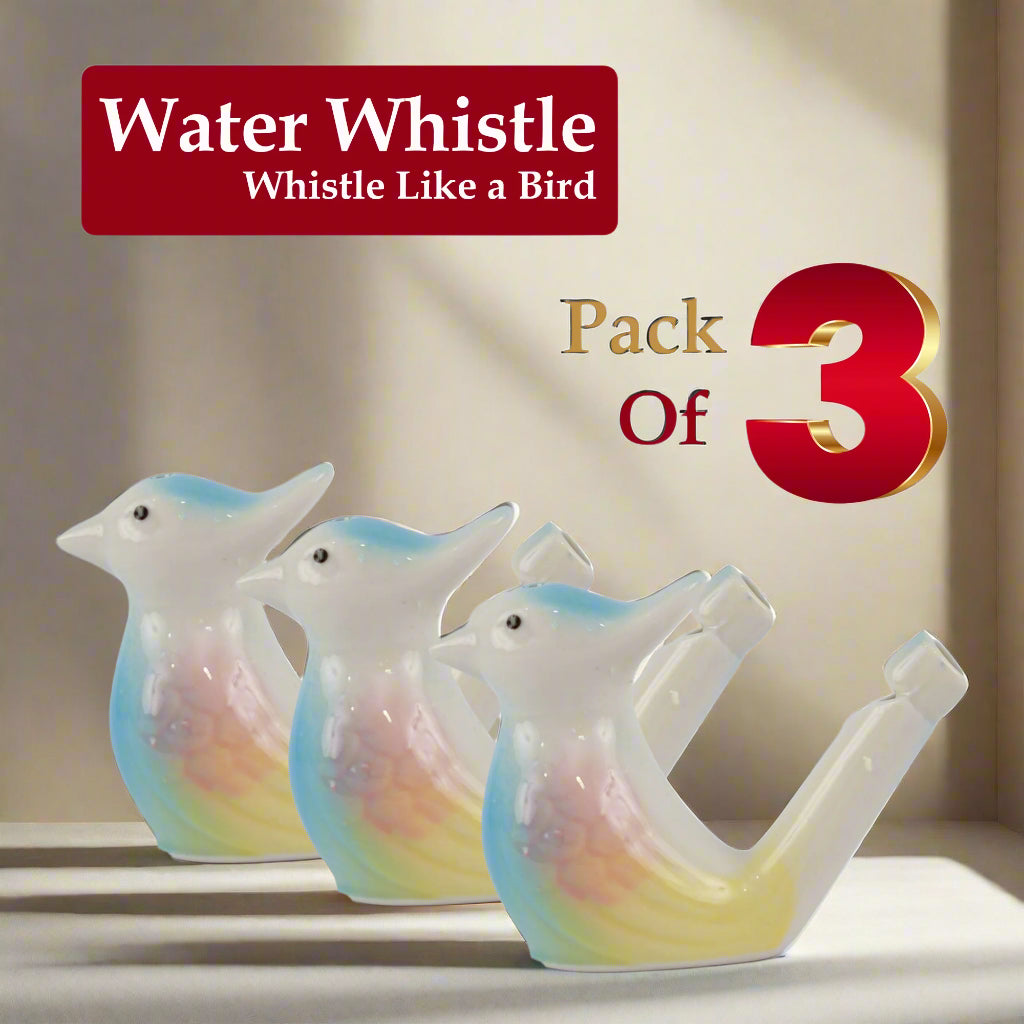
Credit: crazinos.com
Preparing To Whistle
Whistling like a bird needs practice and the right preparation. You must focus on how to position your mouth and control your breath.
These two key areas will help you produce clear, sharp whistles. Let’s explore each part carefully.
Proper Mouth Position
Place your lips in a small, tight circle. This shape controls the air flow needed for whistling. Keep your tongue flat and near the bottom of your mouth.
- Relax your lips but keep them firm
- Push your lips slightly forward
- Keep your tongue low and steady
- Try different lip tightness to find your best sound
Breathing Techniques
Good breath control helps you whistle longer and louder. Use steady, even breaths. Avoid quick or shallow breathing.
| Breathing Tip | How to Do It |
| Breathe from your diaphragm | Expand your belly as you inhale |
| Use steady air flow | Blow air slowly through your lips |
| Practice long, calm breaths | Inhale deeply and exhale slowly while whistling |
| Stay relaxed | Keep your body calm to control breath better |
Whistling Methods
Whistling like a bird can be fun and useful. There are different ways to make clear, sharp whistles.
Each method uses your lips, fingers, or tongue in different ways. Practice helps you find what works best.
Pursed Lips Technique
This way uses your lips to shape the sound. Tighten your lips like you are about to kiss.
Blow air gently through the small opening. Adjust the size until you hear a clear whistle.
- Keep lips firm but relaxed
- Make a small round opening
- Blow air softly and steadily
- Change lip tightness to change pitch
Finger Whistling
Use your fingers to help shape the whistle. Place two fingers from one hand inside your mouth.
Fold your tongue back slightly and blow air over it. Fingers help keep your lips open wide.
- Use index and thumb or middle and thumb fingers
- Place fingers at the edges of your mouth
- Bend your tongue back gently
- Blow strong air through the opening
Tongue Positioning
Your tongue controls the sound shape inside your mouth. Place the tip of the tongue behind your bottom teeth.
Lift the middle part of your tongue slightly. Blow air over the tongue to create a clear whistle.
- Tip of tongue behind lower front teeth
- Middle of tongue raised gently
- Lips slightly open or pursed
- Blow air steadily over the tongue
Practicing Bird Calls
Learning to whistle like a bird takes time and practice. You need to listen carefully and repeat sounds often.
Start with simple sounds and slowly try more complex bird songs. Practice regularly to improve your skill.
Simple Bird Sounds
Begin with easy bird sounds like short whistles and chirps. These sounds are good for beginners.
Try to copy sounds like “tweet” or “cheep” with your lips. Make sure your whistle is clear and steady.
- Short, high-pitched whistles
- Sharp chirps
- Simple repeated notes
Mimicking Common Bird Songs
Listen to common birds like sparrows or robins and try to copy their songs. Break the song into small parts.
Practice each part slowly. Then, put the parts together to whistle the full song smoothly.
- Focus on rhythm and pitch
- Repeat short phrases
- Use pauses to match bird calls
Using Audio Aids
Use recordings of bird calls to practice. Listening helps you hear details you may miss.
Play the audio slowly at first. Pause and repeat sounds until you feel confident to whistle them.
- Find clear bird call recordings
- Use apps or websites with slow playback
- Practice along with the audio
Improving Your Skill
Whistling like a bird takes time and patience. You need to practice regularly to get better.
Small daily efforts will help you improve your tone and control. Focus on consistency and listening closely.
Daily Practice Tips
Practice every day to build muscle memory. Short sessions are better than long, rare ones.
- Warm up your lips and mouth before whistling.
- Start with simple sounds and repeat them.
- Use a mirror to watch your lip shape.
- Try different mouth positions to find your best sound.
- Practice in a quiet place to hear yourself clearly.
Recording And Feedback
Recording your whistle helps you track progress. You can hear what needs work.
Ask friends or family for honest feedback. They may notice things you miss.
| Tool | Purpose |
|---|---|
| Smartphone Recorder | Easy to use anywhere |
| Audio Editing App | Analyze pitch and tone |
| Metronome App | Keep steady rhythm |
| Video Camera | Check lip and mouth movement |
Overcoming Common Challenges
Many people struggle with breath control and lip tension. These are normal issues.
- Take deep breaths and exhale slowly to control airflow.
- Relax your lips but keep them firm enough to whistle.
- Practice humming first to loosen your mouth muscles.
- Be patient and avoid frustration during slow progress.
- Try different whistle techniques to find what suits you best.
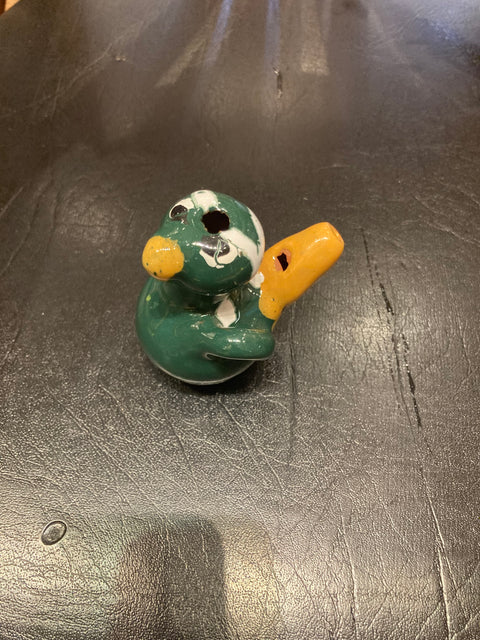
Credit: lespanola.com
Advanced Whistling Tricks
Whistling like a bird takes practice and skill. Advanced tricks help you create more interesting sounds. These tricks let you explore complex tunes and adapt to different places.
Learning these techniques improves your control and lets you enjoy whistling in new ways. This guide covers creating complex tunes and whistling in different environments.
Creating Complex Tunes
Complex tunes use changes in pitch and rhythm. You can mix short and long whistles to form melodies. Try adding pauses to mimic bird calls more closely.
- Practice sliding between notes smoothly
- Combine fast and slow whistle patterns
- Use your tongue to change tone and sound
- Repeat phrases with small variations
- Record yourself to find areas to improve
Whistling In Different Environments
Different places affect how your whistle sounds. Wind, background noise, and space size change the tone and reach. Adjust your technique to fit each environment.
| Environment | Tip |
| Open Field | Use louder, sharper whistles to carry sound |
| Forest | Whistle softly to blend with nature sounds |
| Urban Area | Choose clear, high-pitched whistles to cut noise |
| Indoors | Keep volume moderate and control echo |

Credit: www.youtube.com
Frequently Asked Questions
How Can I Start Learning To Whistle Like A Bird?
Begin by practicing simple whistle tones using your lips. Shape your mouth to control airflow. Gradually mimic bird sounds to improve accuracy and pitch.
What Mouth Shape Is Best For Bird Whistle Sounds?
Form a small “O” shape with your lips. Keep them relaxed but firm. This helps create clear, sharp whistle notes like birds.
Which Birds Have The Easiest Whistles To Imitate?
Songbirds like sparrows and finches have simple whistles. Their sounds are clear and repetitive, making them ideal for beginners.
How Do I Control Pitch When Whistling Bird Songs?
Adjust your tongue position and lip tension. Raising your tongue or tightening lips raises pitch; lowering or relaxing lowers it.
Conclusion
Whistling like a bird takes practice and patience. Start slow, listen carefully, and try often. Notice how birds change their sounds. Copy their pitch and rhythm step by step. Your lips and tongue need gentle control. Keep trying, even if it feels hard.
Soon, you will enjoy making clear, sweet whistles. This skill brings fun and a new way to connect with nature. Enjoy the sounds you create and share them with friends. Whistling like a bird is simple and rewarding. Keep practicing, and you will improve every day.



