
Have you noticed unusual behavior or sudden illness in the birds around you? Understanding the symptoms of avian cholera in birds is crucial to protecting your feathered friends.
This deadly disease can spread quickly, but spotting the warning signs early can make all the difference. You’ll learn exactly what to watch for and how to act fast. Keep reading to ensure you’re ready to keep your birds safe and healthy.
Credit: en.engormix.com
Common Signs In Affected Birds
Avian cholera is a serious disease that affects many bird species. It can cause sudden illness and death.
Recognizing symptoms early helps in managing outbreaks and protecting bird populations.
Behavioral Changes
Birds with avian cholera often act differently before other symptoms appear. They may seem weak or tired.
Infected birds might isolate themselves from the group or show less movement than usual.
- Less active and weak
- Separation from flock
- Unusual restlessness or lethargy
Physical Symptoms
Physical signs of avian cholera include visible changes to the bird’s body. Their feathers may look ruffled or dirty.
Some birds show swelling around the eyes or neck, and their skin may appear pale or discolored.
- Ruffled, unkempt feathers
- Swelling near eyes or neck
- Pale or discolored skin
- Dehydration signs like sunken eyes
Respiratory Issues
Breathing problems are common in birds with avian cholera. They may breathe fast or have noisy breaths.
Coughing, sneezing, or nasal discharge can also occur as the infection affects the respiratory system.
- Rapid or labored breathing
- Noisy breathing or wheezing
- Coughing and sneezing
- Nasal discharge or mucus
Symptoms In Different Bird Species
Avian cholera is a disease that affects many types of birds. The signs can change depending on the species. Recognizing symptoms helps in early detection and control.
Birds show different behaviors and physical signs when sick. Knowing these signs helps bird watchers and farmers protect their flocks.
Waterfowl Indicators
Waterfowl like ducks and geese often show sudden weakness. They may sit apart from the group and have trouble flying.
Common signs include swollen eyes and discharge from the nose. Birds can also have diarrhea and difficulty breathing.
- Weakness and lethargy
- Swollen or closed eyes
- Runny nose and coughing
- Diarrhea and green droppings
- Isolation from flock
Songbird Symptoms
Songbirds may show less obvious signs at first. They often become quiet and stop singing. They may also lose balance or have trouble flying.
Look for ruffled feathers and drooping wings. Some birds have swollen legs or feet. Sudden death can occur without many signs.
- Quiet behavior and no singing
- Ruffled feathers
- Balance problems
- Drooping wings
- Swollen legs or feet
Poultry Warning Signs
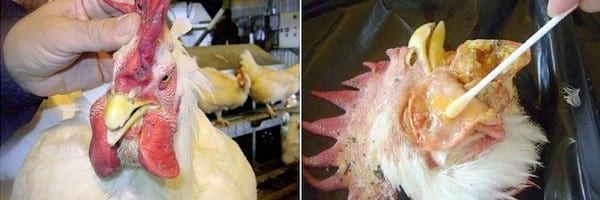
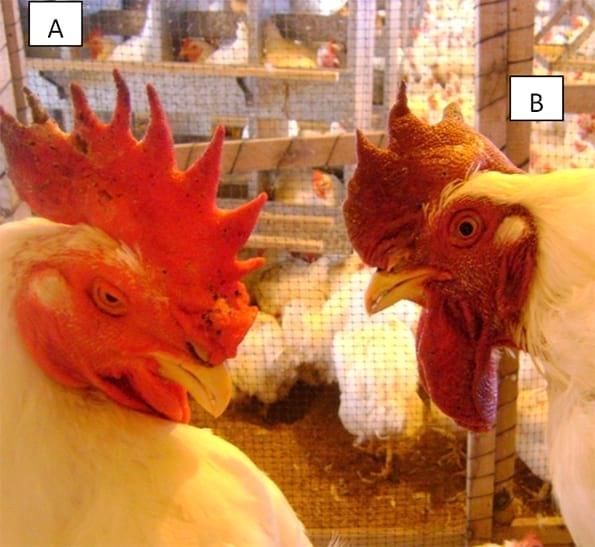
Poultry like chickens and turkeys show clear symptoms of avian cholera. They may have swollen wattles and combs that turn purple or dark.
These birds often stop eating and drinking. Diarrhea and sudden death are common in affected flocks.
- Swollen, darkened wattles and combs
- Loss of appetite
- Dehydration and diarrhea
- Weakness and difficulty walking
- Sudden death in many birds
Progression Of Avian Cholera
Avian cholera is a serious disease in birds caused by bacteria. It spreads quickly and can kill many birds fast. Knowing the signs helps catch it early.
The disease changes as it moves through the bird’s body. Symptoms start mild but worsen with time. This guide explains how the illness progresses.
Early Stage Symptoms
At first, birds may look weak and less active. They might stop eating and drinking. Some birds show mild breathing problems.
Other signs include slight swelling and dull feathers. Birds may isolate themselves from the flock. These symptoms last a short time before worsening.
- Lethargy and weakness
- Reduced appetite
- Labored or rapid breathing
- Dull feathers
- Slight swelling around the eyes or neck
- Isolation from other birds
Advanced Stage Effects
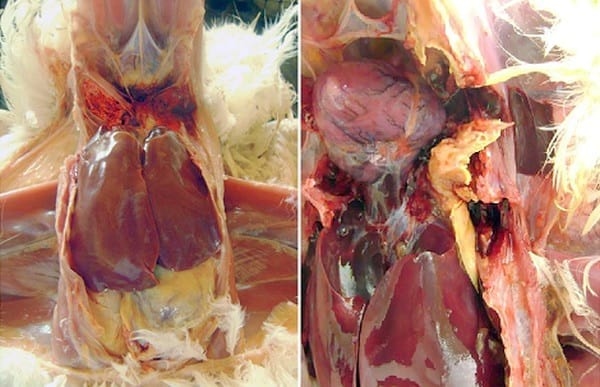
In later stages, birds become very weak and may collapse. They often have severe swelling and bleeding under the skin. Breathing becomes very difficult.
Many birds die quickly once symptoms reach this stage. Survivors might have lasting damage to organs. The disease spreads fast in groups at this point.
- Severe swelling of head and neck
- Bleeding under the skin
- Severe difficulty breathing
- Collapse and inability to stand
- High death rates in affected flocks
- Organ damage in survivors
Credit: en.engormix.com
Impact On Bird Populations
Avian cholera is a serious disease that affects many bird species. It can cause large outbreaks that harm bird populations.
The disease spreads quickly and leads to high death rates in birds. This makes it a big threat to wildlife.
Outbreak Patterns
Avian cholera outbreaks often happen in late fall and winter. Birds gather in large groups, which helps the disease spread.
Wetlands and water bodies are common places for outbreaks. Birds get infected by contact with contaminated water or other sick birds.
- Outbreaks usually occur in cold months
- Large bird gatherings increase infection risk
- Wetlands serve as hotspots for disease
- Infected birds can spread bacteria quickly
Mortality Rates
The death rate from avian cholera can be very high. Some outbreaks kill more than half of the affected birds.
Mortality varies by species and environment. Waterfowl like ducks and geese often suffer the most losses.
- Mortality can reach 50% or more in outbreaks
- Species like ducks are highly vulnerable
- Young and weak birds die faster
- High death rates reduce bird population size
When To Seek Help
Avian cholera is a serious illness in birds. It can spread fast and cause many deaths. Knowing when to get help can save bird lives.
Watch birds closely for signs of sickness. Early action helps stop the disease from spreading.
Identifying Urgent Cases
Some bird symptoms need quick attention. Look for birds that are weak or lying down. Birds that do not fly away when approached may be very sick.
Other urgent signs include: trouble breathing, swollen eyes, or sudden death. If you see many birds sick or dead in one area, act fast.
- Birds lying on the ground or unable to stand
- Rapid breathing or gasping for air
- Swelling around the eyes or head
- Birds that do not react to people nearby
- Multiple sick or dead birds in one spot
Contacting Wildlife Experts
Wildlife experts know how to handle avian cholera safely. Contact them if you see urgent cases or many sick birds. They can test and treat birds properly.
Do not touch sick or dead birds. Use gloves if you must handle them. Follow expert advice to protect yourself and other animals.
- Call local wildlife or animal health authorities
- Report exact location and number of sick birds
- Follow instructions from experts carefully
- Avoid direct contact with birds or their droppings
- Keep pets and livestock away from affected areas
Frequently Asked Questions
What Are Common Symptoms Of Avian Cholera In Birds?
Birds with avian cholera often show weakness, diarrhea, and labored breathing. They may also have swollen eyes and a greenish diarrhea.
How Quickly Do Avian Cholera Symptoms Appear?
Symptoms typically appear 1 to 3 days after infection. Birds may die suddenly or show rapid health decline.
Can Avian Cholera Cause Sudden Bird Death?
Yes, avian cholera frequently causes sudden death in infected birds. Rapid disease progression often leaves little time for treatment.
How To Distinguish Avian Cholera From Other Bird Diseases?
Look for rapid onset of symptoms, swollen wattles, and green diarrhea. Lab tests confirm avian cholera diagnosis.
Conclusion
Avian cholera poses a serious threat to bird populations. Recognizing symptoms early is crucial. Look for lethargy, difficulty breathing, and swollen eyes. Birds may also show nasal discharge and diarrhea. Early detection can help protect other birds. Observing these signs can prevent disease spread.
Bird enthusiasts and pet owners should remain vigilant. Quick response is essential to control outbreaks. Seek professional help if symptoms appear. Protecting birds ensures a healthy environment. Stay informed and proactive in bird care. Always prioritize bird health and safety.



