How to Treat Bird Fungal Infection
Has your bird acted strangely lately? It might be scratching more or losing feathers. You may see other signs of sickness. This could mean a fungal infection. Learning how to treat bird fungal infection is crucial. It stops serious health issues.
Do not worry about your bird. Simple steps help your feathered friend heal. You will learn to spot the signs easily. You will know how to treat the infection. Learn to stop it from coming back. Read on to protect your bird’s health.
Common Bird Fungal Infections
Birds can get several fungal infections. These hurt their health badly. Infections often strike the skin, lungs, or stomach. Knowing the types helps you find them early.
Fungal infections make birds sick. They cause discomfort. Look for symptoms in your pet or wild birds.
Types of Fungal Infections
Many fungal infections affect birds often. Each one has its own symptoms. They all need special care. Aspergillosis and candidiasis are common types.
- Aspergillosis: Aspergillus fungi cause this. It hits the lungs and air sacs.
- Candidiasis: Candida yeast causes this. It affects the stomach and crop.
- Cryptococcosis: Cryptococcus fungi cause this. It may hurt the brain or breathing.
Symptoms to Watch For
| Symptom | Possible Infection | Description |
| Trouble breathing | Aspergillosis | Bird may breathe fast or with effort. |
| Loss of appetite | All fungal types | Bird may refuse food or eat less. |
| Weight loss | All fungal types | Bird gets thin from sickness or poor eating. |
| Swollen crop | Candidiasis | The crop may feel hard due to yeast growth. |
| Discharge | Cryptococcosis | Fluid or crusts appear near eyes or nose. |
| Skin lesions | Various fungi | Bird has scabs, sores, or bald patches. |
Causes of Bird Fungal Infections
Fungi grow on or inside a bird’s body. This causes the infection. It can hurt their skin, feathers, and lungs. Knowing the causes helps you prevent problems.
Several things make fungal risks higher. Causes come from the bird’s diet and environment. Understanding these keeps your pet birds safe.
Environmental Factors
Birds in damp or dirty cages risk infection. Fungi grow well in warm, wet spots. Wet bedding and poor airflow help fungi grow fast.
Outdoor birds get fungi from soil or other animals. Crowded spaces spread fungi quickly. Shared water bowls also help fungi spread.
Poor Hygiene and Diet
Dirty cages and food containers raise fungal risks. Old water and food attract yeast and mold. Poor diet weakens the bird’s natural defenses.
Dr. Thomas G. Tully stresses the diet link. He notes malnourished birds easily get Candidiasis. A seed-only diet weakens the immune system. This allows normal yeast to become dangerous.
- Do not clean cages regularly.
- Leave food or water wet too long.
- Feed low-quality or spoiled food.
- Lack fresh fruits and vegetables.
Stress and Low Immunity
Stress makes a bird’s immune system weak. Stressed birds get sick easily. Loud noises or a new home cause stress. Other pets can also stress a bird.
| Stress Factor | Effect on Immunity |
| New environment | Reduces fight against infections. |
| Loud sounds | Increases harmful stress hormones. |
| Poor sleep | Weakens the immune response. |
| Lonely feeling | Causes sickness and anxiety. |
Diagnosing Fungal Infections
Birds need fast, correct diagnosis for fungi. Knowing the signs protects your pet’s health. Vets use lab work and careful checks. This finds the cause. It helps plan the right treatment.
Veterinary Examination
The vet looks for breathing issues or feather loss. They check the bird’s body and actions.
- Vets check skin and feathers for damage.
- They listen to the bird’s breathing sounds.
- Vets look for weight loss or weakness.
- They ask about the bird’s habitat and food.
Laboratory Tests
Lab tests confirm the infection. They find the type of fungus. These tests help guide treatment.
| Test Type | Description | Purpose |
| Microscopic Exam | Vets examine samples under a lens. | Detects fungal cells or spores. |
| Culture Test | Fungus grows from the samples. | Identifies the exact fungus species. |
| Blood Test | Vets check the bird’s immune response. | Assesses how severe the infection is. |
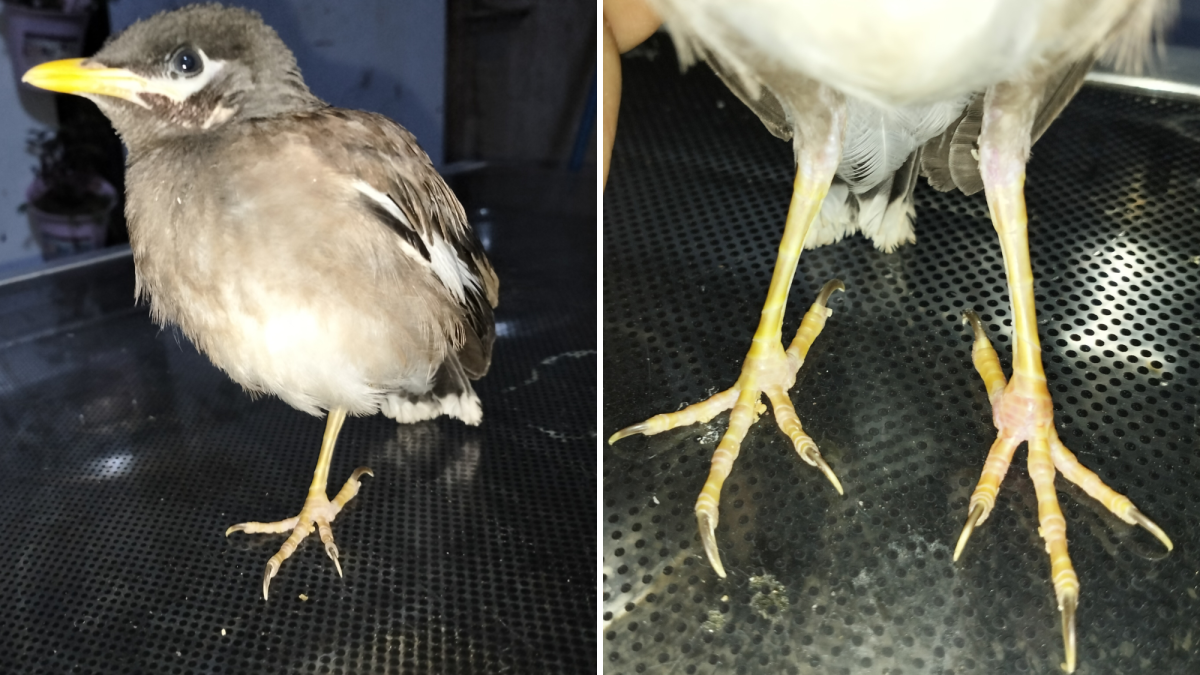
Credit: pethelpful.com
Effective Treatment Options
Bird fungal infections need careful healing support. The right treatment helps your bird recover fast. Many treatments exist. They range from natural care to strong medicines. Each option fights fungi in different ways.
Antifungal Medications
Vets prescribe antifungal drugs often. These medicines kill fungi. They stop infections from spreading. Itraconazole and fluconazole are common drugs. Medicines can be topical or oral. Treatment lasts several weeks typically. Always follow the vet’s instructions closely. This avoids side effects.
Natural Remedies
Natural remedies help healing. They do not replace medicine. They boost the bird’s immune system. They help reduce symptoms.
Supportive Care
Good care makes treatment better. Keep the bird’s space clean and calm.
Clean food dishes and cages daily. This stops fungus.
Keep the bird dry and warm always.
Feed a balanced diet with good vitamins.
Limit handling to keep stress low while healing.
Preventing Fungal Infections
Fungal infections cause serious health issues. Prevention is the best way to keep your bird safe. Good care reduces the risk of fungal growth. It keeps the bird’s environment clean. Learn three main ways to stop these infections.
Maintaining Clean Spaces
Clean living areas stop fungi from growing. Remove old food and waste daily. Wash water and food dishes every day.
Clean perches and cage trays weekly with safe sprays.
Keep the room dry. Use good airflow to prevent mold.
Change cage liners often to avoid moisture build-up.
Remove uneaten food before it starts to spoil.
Balanced Nutrition
Good food helps birds fight infections. Feed a mix of seeds, fruits, and vegetables. Give clean, fresh water every day.
Regular Health Checks
Watch your bird daily for sickness signs. Finding problems early stops infections from spreading. Schedule regular vet visits for full checks.
Look for fluffed feathers.
Watch for breathing difficulties.
Check for loss of appetite.
Note any unusual droppings.

Credit: www.amazon.com
When to Seek Professional Help
Fungal infections can be very serious. Knowing when to get help saves your bird’s life. Watch your bird closely. Some signs mean you must see a vet fast.
Recognizing Severe Cases
Severe infections show strong symptoms. Your bird may be weak. It may stop eating completely. Look for these serious signs:
The UC Davis Avian Service states that any sign of hard breathing is an emergency. They say a bird’s lungs are delicate. Do not wait for other symptoms to worsen. Call an avian vet instantly if breathing seems affected.
Heavy breathing or wheezing sounds.
Red, swollen skin near eyes or beak.
Open sores that will not heal well.
Sudden weight loss or no activity.
Contact a bird vet immediately if you see these. These cases need quick medical care.
Follow-up and Monitoring
Watch your bird every day after treatment. Make sure it improves. It should not get worse.
Go back to the vet if symptoms return. Follow the vet’s advice on check-ups.

Credit: www.magonlinelibrary.com
Frequently Asked Questions
What Are Common Signs Of Bird Fungal Infection?
Common signs include scaly skin and feather loss. Birds may also have itching and breathing issues. Finding problems early helps with treatment.
How Can I Prevent Fungal Infections In Birds?
Keep the bird’s environment clean. Give proper airflow. Do not crowd the cage. Clean feeders and cages regularly. Provide balanced food. Avoid damp spots that grow fungi.
What Treatments Are Effective For Bird Fungal Infections?
A vet’s antifungal medicines are most effective. Topical or oral treatments kill the fungi. Good nutrition and hygiene speed up healing.
When Should I Consult A Vet For Bird Fungal Infection?
See a vet if symptoms last past a few days. Seek quick care for severe breathing trouble. Immediate vet visits stop bigger problems.
Conclusion
Treating bird fungal infections takes care. Keep their environment clean always. Check your bird regularly for any symptoms. Early detection leads to good treatment. Consult a vet for proper medicine. Natural remedies help the healing process.
Always put your bird’s health first. A healthy diet boosts its immune system. Consistent care stops the infection from coming back. Your efforts make your bird healthy and happy. Follow expert advice closely. A healthy bird is a happy companion.
Stay informed for your bird’s health. Your efforts make a difference in its life.