Have you ever wondered if the birds outside your window can feel the biting cold like you do? When winter arrives and temperatures drop, you might worry about your feathered friends.
Can birds get frostbite just like humans? Understanding how cold affects birds can help you protect them better. Keep reading to discover the surprising facts about frostbite in birds and what you can do to keep them safe during chilly days.
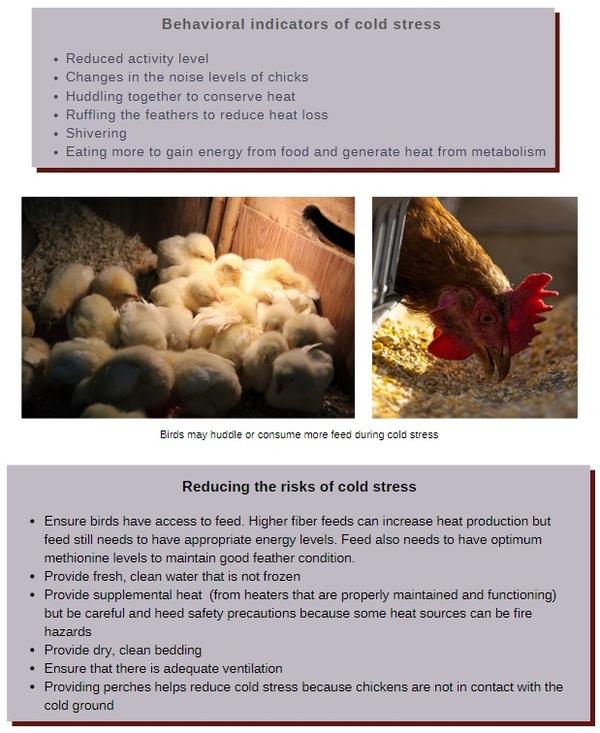
Credit: en.engormix.com
Frostbite Basics In Birds
Birds can get frostbite just like humans. Frostbite happens when skin and tissues freeze due to cold weather. It usually affects birds’ feet, toes, and legs because these parts have less blood flow.
Understanding frostbite helps bird owners and bird watchers protect these animals in winter. Knowing the signs and effects can save birds from serious harm.
What Is Frostbite?
Frostbite is damage to body parts caused by freezing temperatures. It happens when skin and underlying tissues freeze. Blood flow slows down, and cells can die from lack of warmth.
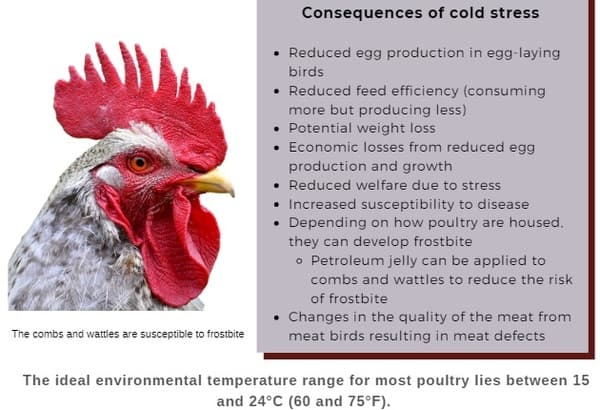
In birds, frostbite affects areas with thin skin and little fat. These include toes, feet, legs, and sometimes the comb or wattles in some species.
How Frostbite Affects Birds
Frostbite causes pain and swelling in the affected parts. Birds may show redness or dark discoloration on their skin. In severe cases, tissue can die and fall off.
Frostbitten birds might limp or avoid using the hurt limb. They can lose balance or have trouble perching. If untreated, frostbite can lead to infections or permanent damage.
- Swelling and redness on feet or toes
- Cold, hard skin in affected areas
- Bird limps or refuses to use a limb
- Discolored or blackened skin in severe cases
- Possible infection if frostbite is untreated
Bird Anatomy And Cold Vulnerability
Birds have special body features that help them live in cold places. Their feathers and body parts work to keep heat inside.
Still, some parts of their body can get very cold and hurt. Frostbite can happen if they lose too much heat.
Areas Most At Risk
Birds have some body parts that get colder than others. These parts have less blood flow and less protection from feathers.
- Feet and toes
- Beak edges
- Legs
- Wing tips
These parts can get frostbite because they are small and far from the body’s core heat.
Feathers And Insulation Role
Feathers keep birds warm by trapping air close to the skin. This air acts like a blanket to keep heat in.
| Feather Type | Function |
|---|---|
| Down feathers | Trap warm air next to the skin |
| Contour feathers | Protect from wind and water |
| Flight feathers | Help with flying and some insulation |
When feathers are wet or damaged, birds lose insulation. This makes them more likely to get frostbite in cold weather.
Common Signs Of Frostbite
Birds can get frostbite just like humans. Frostbite happens when their skin or feathers freeze.
It is important to spot frostbite early to help birds stay healthy and safe.
Visual Symptoms
Frostbite causes clear changes in a bird’s skin and feathers. You may see swelling or discoloration.
The affected areas might look pale, gray, or even blue. Feathers can become brittle or fall out.
- Swollen toes or feet
- Skin turning pale or gray
- Blue or dark patches on the skin
- Feathers falling out or looking damaged
- Hard or crusty skin areas
Behavioral Changes
Birds with frostbite often act differently. They may move less or avoid using certain body parts.
You might see birds hiding more or sitting in one spot for a long time. They also may seem weak.
- Less movement or activity
- Hiding or staying in one spot
- Limiting use of toes or feet
- Appearing weak or tired
- Fluffed up feathers to keep warm
Risk Factors For Frostbite In Birds
Frostbite happens when birds’ body parts freeze due to cold. It can cause pain and damage. Some birds face higher frostbite risks than others.
Knowing the risk factors helps protect birds from frostbite. These factors include environment, species, age, and health.
Environmental Conditions
Cold weather and wind increase frostbite risk in birds. Wet feathers lose heat faster. Birds without shelter face more danger.
Freezing rain or snow makes frostbite more likely. Birds outside for long times have higher risk. Lack of sunlight also lowers body warmth.
- Low temperatures below freezing
- Strong, cold winds
- Wet or icy conditions
- Long exposure without shelter
- Poor sunlight or shade
Species Susceptibility
Some bird species handle cold better than others. Birds with thick feathers resist frostbite well. Thin-feathered birds lose heat faster.
Birds with large, exposed feet or beaks are more at risk. Water birds that stay wet can get frostbite easier. Small birds with high metabolism may also be vulnerable.
- Thick-feathered birds are less prone
- Thin-feathered birds have higher risk
- Large exposed body parts increase danger
- Water birds face frostbite from wetness
- Small birds may struggle to keep warm
Age And Health Considerations
Young birds have less fat and weaker feathers. This makes frostbite more common in chicks and juveniles. Old birds may also suffer more from cold.
Birds with illnesses or injuries lose their ability to stay warm. Poor nutrition lowers their cold resistance. Healthy birds handle cold better than sick ones.
- Young birds have weaker cold protection
- Older birds may have slower circulation
- Sick or injured birds lose heat faster
- Good nutrition improves cold resistance
- Strong immune system helps prevent frostbite
Preventing Frostbite In Pet And Wild Birds
Birds can get frostbite when exposed to very cold weather. Frostbite harms their feet, legs, and other parts. Protecting birds from frostbite is important for their health.
Both pet and wild birds need care during winter. Simple steps can help keep them safe and warm.
Housing And Shelter Tips
Good shelter helps birds avoid cold and wind. It lowers the chance of frostbite and other cold injuries.
- Use insulated birdhouses for pet birds.
- Place shelters away from strong winds.
- Make sure shelters are dry and well-ventilated.
- Add straw or soft bedding for warmth.
- Check shelters often for damage or leaks.
Diet And Nutrition
Healthy food helps birds stay strong in cold weather. They need more energy to keep warm.
| Food Type | Benefits for Birds |
| High-fat seeds | Provide extra energy and warmth |
| Fresh fruits | Supply vitamins and hydration |
| Protein sources | Help maintain muscle and feathers |
| Clean water | Prevent dehydration in cold weather |
Monitoring Weather And Bird Behavior
Watch the weather forecast and bird actions closely. Birds may hide or fluff feathers to stay warm.
Signs of frostbite in birds include:
- Discolored or swollen toes and feet
- Birds sitting still or shivering
- Loss of feathers in cold areas
- Reluctance to move or eat
If you see these signs, move pet birds to warmer shelter quickly.

Credit: medium.com
Treatment Options For Frostbitten Birds
Frostbite can harm birds’ skin and tissues. It needs quick care to avoid serious damage. Knowing how to treat frostbitten birds helps protect their health.
This guide explains the key steps to take right away, when to find a vet, and how to care for your bird over time.
Immediate First Aid Steps
Act fast to help a frostbitten bird. Warm the affected areas gently. Avoid rubbing or using hot water. This can cause more damage.
- Move the bird to a warm, dry place.
- Use warm (not hot) water to soak the frostbitten parts for 15-20 minutes.
- Pat the area dry with a soft cloth.
- Keep the bird calm and quiet to reduce stress.
- Do not apply creams or ointments without advice.
When To Seek Veterinary Care
Some frostbite cases need expert help. If the bird shows severe symptoms, call a vet right away. Early treatment can save the bird’s life.
- Swelling, blisters, or blackened skin
- Signs of pain or discomfort
- Lethargy or loss of appetite
- Difficulty moving affected limbs or toes
- Worsening condition despite first aid
Long-term Care And Recovery
Recovery needs patience and careful care. Keep your bird warm and dry. Provide good nutrition to support healing.
| Care Aspect | Details |
| Environment | Maintain a warm, draft-free cage |
| Diet | Offer high-quality food and fresh water |
| Wound Care | Follow vet instructions for dressings and medicine |
| Monitoring | Watch for infection or new symptoms |
| Activity | Limit movement to prevent injury |
Winter Care Best Practices
Birds face many challenges in cold weather. Frostbite can hurt their feet and beaks. Knowing how to care for them helps keep birds safe and healthy.
These tips focus on protecting birds from frostbite and cold. They help both pet and wild birds survive winter safely.
Safe Outdoor Practices
Keep birds safe when they are outside in winter. Avoid letting them stay in wet or icy places. Wet feathers lose heat quickly and cause frostbite.
Check outdoor cages for drafts or cold winds. Cover cages with cloth or plastic to block wind. Make sure birds can still breathe well.
- Place cages in sheltered areas
- Keep water fresh and unfrozen
- Remove ice and snow from perches
- Limit outdoor time in extreme cold
Creating Warm Environments
Birds need warm places to stay during cold weather. Use heaters or heat lamps safely to avoid fires. Make sure birds can move away from heat if too warm.
Add soft bedding or nest materials. These help birds keep their body heat. Avoid drafts inside birdhouses or cages.
- Use safe heating devices designed for birds
- Provide thick bedding or nesting materials
- Seal gaps to prevent cold air
- Keep humidity at comfortable levels
Supporting Wild Birds During Cold Spells
Wild birds need extra help when it is very cold. Offer food that has high energy like seeds and suet. Fresh water is also important but may freeze fast.
Place bird feeders in safe spots away from predators. Clean feeders regularly to prevent disease. Avoid disturbing birds while they eat or rest.
- Provide high-fat seeds and suet
- Use heated birdbaths or check water often
- Put feeders in quiet, sheltered places
- Keep feeding areas clean
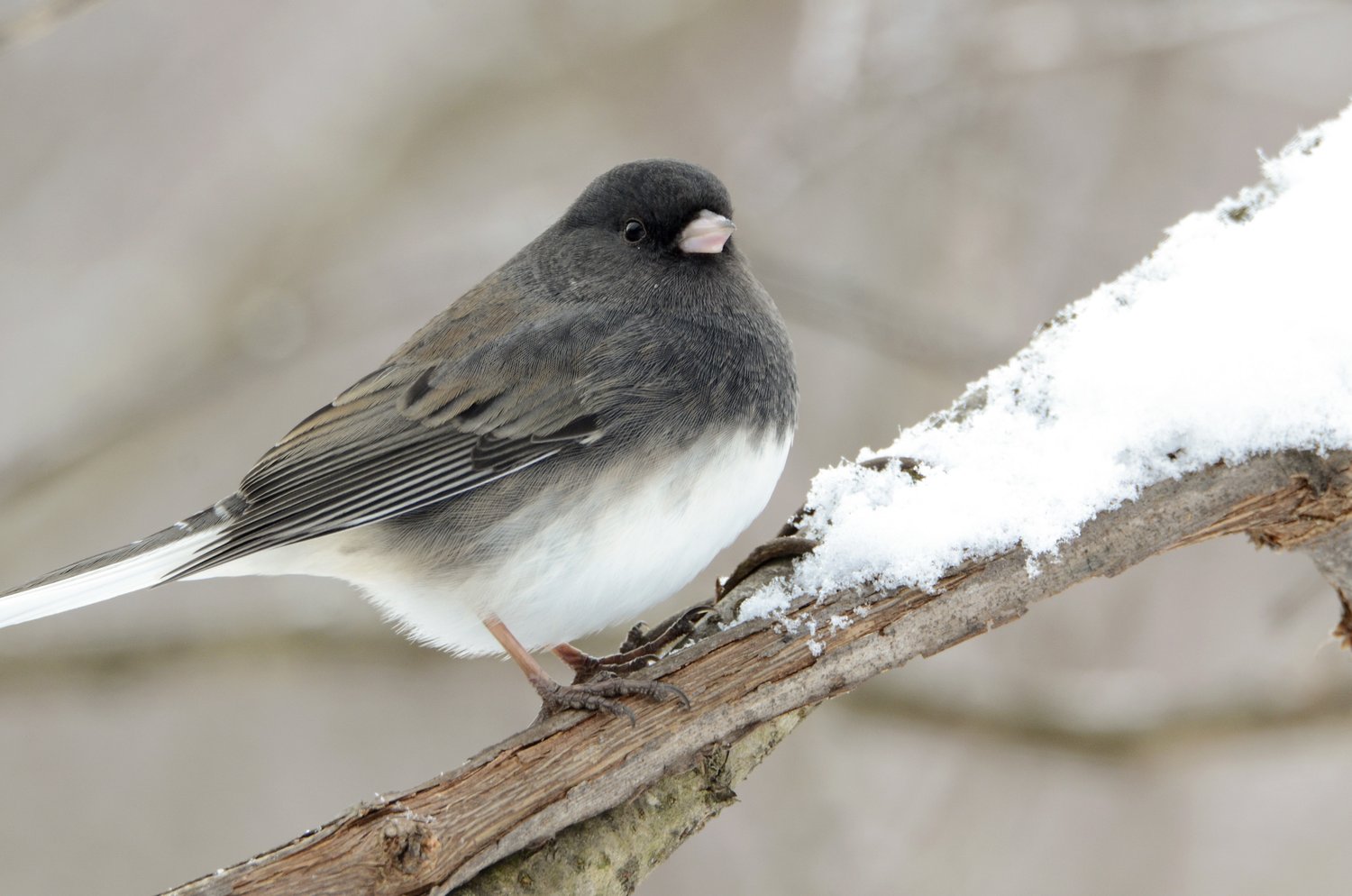
Credit: swibirds.org
Frequently Asked Questions
Can Birds Suffer From Frostbite?
Yes, birds can suffer from frostbite in extreme cold. Their extremities, like feet and toes, are most vulnerable. Birds have adaptations such as counter-current heat exchange to help prevent frostbite. However, prolonged exposure to freezing temperatures can still lead to frostbite damage.
How Do Birds Avoid Frostbite?
Birds avoid frostbite through several adaptations. They fluff up their feathers to trap heat and reduce heat loss. Some species tuck their legs into their feathers. Others roost together for warmth. Their feet have a counter-current heat exchange system to minimize heat loss.
What Signs Indicate Frostbite In Birds?
Signs of frostbite in birds include discoloration and swelling of extremities. Affected areas may appear pale or darkened. Birds may also show signs of pain or discomfort. In severe cases, tissue damage can lead to loss of toes or other extremities.
Can Cold Weather Kill Birds?
Yes, extreme cold can be fatal for birds. Prolonged exposure to freezing temperatures can lead to hypothermia. Birds may struggle to find food and maintain body heat. Frostbite can also cause severe injuries, further threatening their survival in harsh conditions.
Conclusion
Birds can get frostbite, especially in very cold weather. Their feet, toes, and beaks are most at risk. Watching for signs helps protect them early. Providing shelter and food can keep birds safe. Understanding frostbite helps us care for wild birds better.
Cold weather is tough, but small actions make a big difference. Keep your outdoor spaces bird-friendly during winter months. Helping birds survive frostbite feels rewarding and important. Stay aware and enjoy watching healthy, warm birds all season.