What is Bird Roosting: Fascinating Facts & Tips
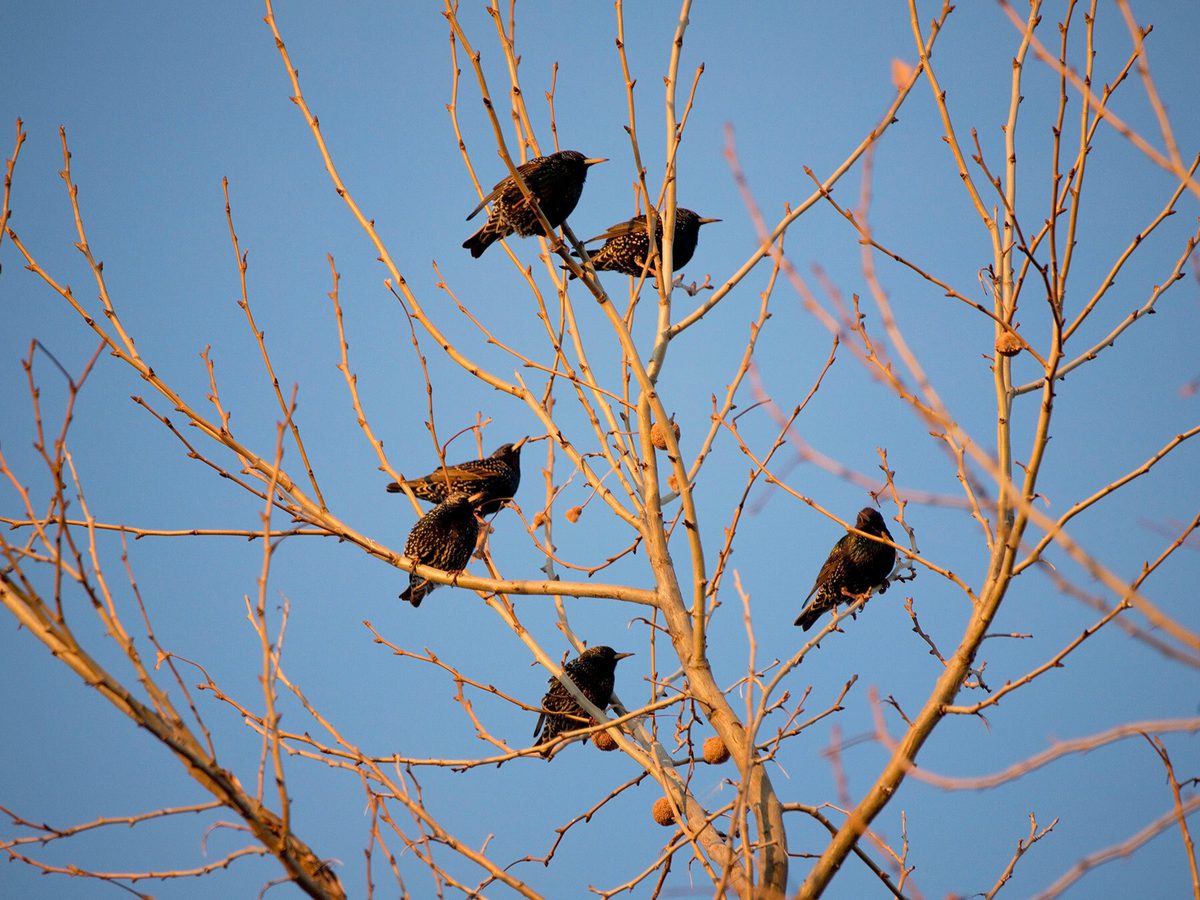
Have you ever noticed a group of birds huddled together in a tree or on a building at dusk? This fascinating behavior is known as bird roosting.
It's a natural phenomenon that's more than just a nightly ritual for our feathered friends. But what exactly is bird roosting, and why do birds do it? By understanding the reasons behind this behavior, you can gain a deeper appreciation for the intricate lives of birds and the delicate balance of nature.
This exploration into bird roosting might just change the way you see the world above you every evening. Stay with us as we uncover the secrets of this captivating behavior and reveal how it impacts both birds and the environment. Your curiosity about the skies will lead you to discover something truly remarkable.

Credit: www.npr.org
Bird Roosting Basics
Bird roosting is when birds rest or sleep together in groups. It helps them stay safe and warm.
Roosting is a daily habit for many bird species. They choose special spots to gather before night.
Definition And Purpose
Bird roosting means birds gather in one place to rest. It is different from nesting or feeding.
The main purpose of roosting is safety. Birds protect themselves from predators and cold weather.
- Protects birds from predators
- Keeps birds warm during cold nights
- Helps birds conserve energy
- Allows birds to share information
Common Roosting Behaviors
Birds use different ways to roost. Some sit close together on branches or wires.
Others choose dark places like tree holes or caves. Many birds change roost spots often.
- Roosting in flocks to stay safe
- Choosing high places to watch for danger
- Huddling close to keep warm
- Changing roost sites to avoid predators

Credit: paulroeddingphotography.com
Types Of Roosts
Bird roosting means birds resting or sleeping in a place. Birds choose different roosts to stay safe and warm.
There are many types of roosts. Each type suits different bird species and needs.
Communal Roosts
Communal roosts are places where many birds gather to rest together. Birds stay close to each other for safety.
These roosts help birds share warmth and watch for danger. Many species use trees, bushes, or buildings.
- Large groups of birds
- Common in urban and wild areas
- Help with warmth and protection
Solitary Roosts
Solitary roosts are used by single birds or pairs. Birds choose quiet spots far from others.
These roosts help birds avoid competition and stay hidden from predators. They often use dense foliage or tree hollows.
- Used by lone birds or pairs
- Found in hidden or quiet places
- Good for privacy and safety
Seasonal Roosts
Seasonal roosts are places birds use only at certain times of the year. Birds move to these roosts during migration or cold seasons.
These roosts provide shelter and rest during long journeys or harsh weather. Locations often change with seasons.
- Used only part of the year
- Common during migration or winter
- Help birds survive tough conditions
Why Birds Roost Together
Birds often gather in groups to rest or sleep. This behavior is called roosting. Roosting together helps birds in many ways.
Living close keeps them safer and warmer. It also helps birds talk and share information.
Safety In Numbers
Birds roost in groups to protect themselves from predators. A large group can spot danger faster than one bird alone.
The many eyes and ears make it harder for predators to attack. Birds warn each other if a threat comes near.
- More birds mean better watch for predators
- Group alarm calls alert others quickly
- Predators are less likely to attack large groups
Thermal Benefits
Roosting together helps birds stay warm during cold nights. They share body heat by huddling close.
This warmth saves energy. Birds use less fat and stay stronger until the sun rises.
- Close contact keeps birds warm
- Reduces energy used to keep body heat
- Helps survive cold weather better
Social Interactions
Birds use roosting time to communicate and bond. They share information about food and dangers.
Young birds learn from adults. Group roosting helps build strong social ties among birds.
- Birds share news about food sources
- Young birds learn survival skills
- Strengthens group bonds and teamwork

Credit: www.cbc.ca
Roosting Sites And Habitats
Bird roosting is when birds gather to rest or sleep together. Roosting sites provide safety and comfort for birds.
Different birds choose different places to roost. These places depend on the bird species and the environment.
Urban Roosts
Many birds roost in cities where buildings and trees offer shelter. Urban roosts can be on rooftops, parks, or near streetlights.
These sites protect birds from weather and predators. Birds like pigeons, starlings, and sparrows often roost in urban areas.
- Rooftops and ledges
- Parks and gardens
- Street trees and light poles
Forest Roosts
Forests offer many safe places for birds to roost. Birds use tree branches, tree holes, and dense leaves to rest.
Forest roosts protect birds from wind and predators. Owls, woodpeckers, and songbirds often roost in forests.
- High tree branches
- Tree cavities and holes
- Thick foliage and shrubs
Wetland Roosts
Wetlands have special roosting spots near water. Birds rest on reed beds, mudflats, and small islands in wetlands.
These sites keep birds safe from land predators. Herons, ducks, and cranes often roost in wetland areas.
- Reed beds and tall grasses
- Mudflats and sandbars
- Small islands and floating vegetation
Nighttime Roosting Activities
Bird roosting is when birds gather to rest at night. They find safe spots to spend the dark hours.
At night, birds do more than just sleep. They prepare their roost, stay alert, and save energy.
Settling In
Birds look for safe and comfortable places to settle. Trees, bushes, or cliffs are common roost sites.
They choose spots that shield them from wind and rain. Birds often roost close to each other.
- Find sheltered branches or dense foliage
- Gather in groups for warmth and safety
- Pick quiet areas away from human activity
Predator Avoidance
Birds stay alert to avoid predators during the night. They pick places where they can hide well.
Some birds roost in large groups to watch for danger together. This helps them stay safe.
- Choose high or hard-to-reach spots
- Roost in numbers to spot threats early
- Use camouflage to blend with surroundings
Rest And Energy Conservation
Roosting helps birds rest and save energy for the next day. They stay still and calm to do this.
By resting well, birds keep their strength for flying and finding food. Nighttime rest is very important.
- Reduce movement to save energy
- Lower body activity to rest muscles
- Sleep in safe spots to avoid stress
Impact Of Roosting on Ecosystems
Bird roosting means birds resting or sleeping together in one place. This behavior affects many parts of nature around them. Roosting spots can change soil, plants, and animals nearby.
Understanding how bird roosting impacts ecosystems helps us see its value. It shows how birds connect with other living things and the environment.
Nutrient Cycling
Bird droppings add nutrients to the soil near roosts. These nutrients help plants grow and keep the soil healthy.
The main nutrients added by bird droppings include nitrogen and phosphorus. These are essential for plant life.
- Bird droppings enrich the soil.
- They support plant growth.
- Nutrients return to the ecosystem.
- This boosts the food chain.
Seed Dispersal
Birds eat fruits and carry seeds away from the parent plant. When they roost, they drop seeds in new places.
This helps plants spread and grow in different areas. Seed dispersal supports forest and plant diversity.
Influence On Local Wildlife
Bird roosts attract other animals that use the area for food or shelter. This can change how local wildlife lives and interacts.
| Wildlife Type | Effect of Bird Roosting |
|---|---|
| Insects | Feed on droppings and leftovers |
| Small mammals | Use roost areas for shelter |
| Predators | Hunt birds or other animals near roosts |
| Plants | Grow better due to added nutrients |
Human Interaction With Roosts
Bird roosting is when many birds gather to rest together. People often visit these roosts to watch birds. This interaction can affect the birds and their environment.
It is important to understand how human actions impact roosts. Careful behavior helps protect birds and their homes.
Conservation Efforts
Conservation groups work to protect bird roosts. They create safe spaces and educate the public. These efforts help keep bird numbers stable.
- Setting up protected areas around roosts
- Monitoring bird populations regularly
- Removing harmful waste and pollution
- Teaching people to respect bird habitats
Common Threats
| Threat | Effect on Roosts |
| Noise Pollution | Disturbs birds and breaks rest |
| Habitat Destruction | Reduces safe roosting areas |
| Littering | Harms birds and plants |
| Light Pollution | Confuses birds’ natural cycles |
How To Observe Without Disturbing
Watching birds at roosts can be fun and safe for birds if done carefully. Follow these tips to avoid harm.
- Keep a quiet voice and move slowly
- Stay at a distance using binoculars
- Do not shine lights on the birds
- Avoid touching nests or birds
- Do not leave trash behind
Frequently Asked Questions
What Is Bird Roosting Behavior?
Bird roosting is when birds gather to rest or sleep collectively. It provides warmth, safety from predators, and social interaction. Roosting sites vary from trees to buildings, depending on species and environment.
Why Do Birds Roost Together In Large Groups?
Birds roost in groups to increase protection against predators. Group roosting also helps maintain body heat during cold nights. Social bonding and information exchange about food sources occur during these gatherings.
How Does Bird Roosting Affect Local Ecosystems?
Bird roosting influences nutrient cycling through droppings that fertilize soil. It can attract predators and scavengers, impacting local food webs. Large roosts may also alter vegetation structure around the site.
When Do Birds Typically Choose Roosting Sites?
Birds select roosting sites before nightfall, often near food sources or water. Seasonal changes affect site choice, with some birds migrating to warmer areas for roosting. Safety and shelter are key factors.
Conclusion
Bird roosting is a natural behavior where birds rest together. It helps them stay warm and safe from predators. Understanding this can help protect bird habitats better. Watching birds roost can also be a calm and enjoyable experience. Knowing why and how birds roost gives us a closer look at nature.
It reminds us that even small actions matter in the wild. Bird roosting shows the importance of community and safety for birds. It encourages us to care more about their environment and survival.