Have you ever watched a bird settle down on a branch as the sun sets and wondered, “What does it mean when a bird roosts?” This simple action holds fascinating secrets about a bird’s behavior and survival. Understanding why birds roost can change the way you see the world around you.
You’ll discover the surprising reasons behind this daily habit and what it tells you about nature’s rhythm. Keep reading—you’re about to unlock the hidden story behind a bird’s quiet evening ritual.
Bird Roosting Basics
Bird roosting is when birds settle down to rest or sleep. They gather in safe places to stay warm and avoid predators.
Roosting helps birds save energy and prepare for the next day. It is a natural behavior seen in many bird species.
Definition Of Roosting
Roosting means birds resting or sleeping in groups or alone. They often choose spots that protect them from weather and danger.
Birds may roost in trees, bushes, or even on buildings. The main goal is safety and comfort during rest.
Common Roosting Species
Many bird species roost regularly. Some roost alone, while others gather in large groups.
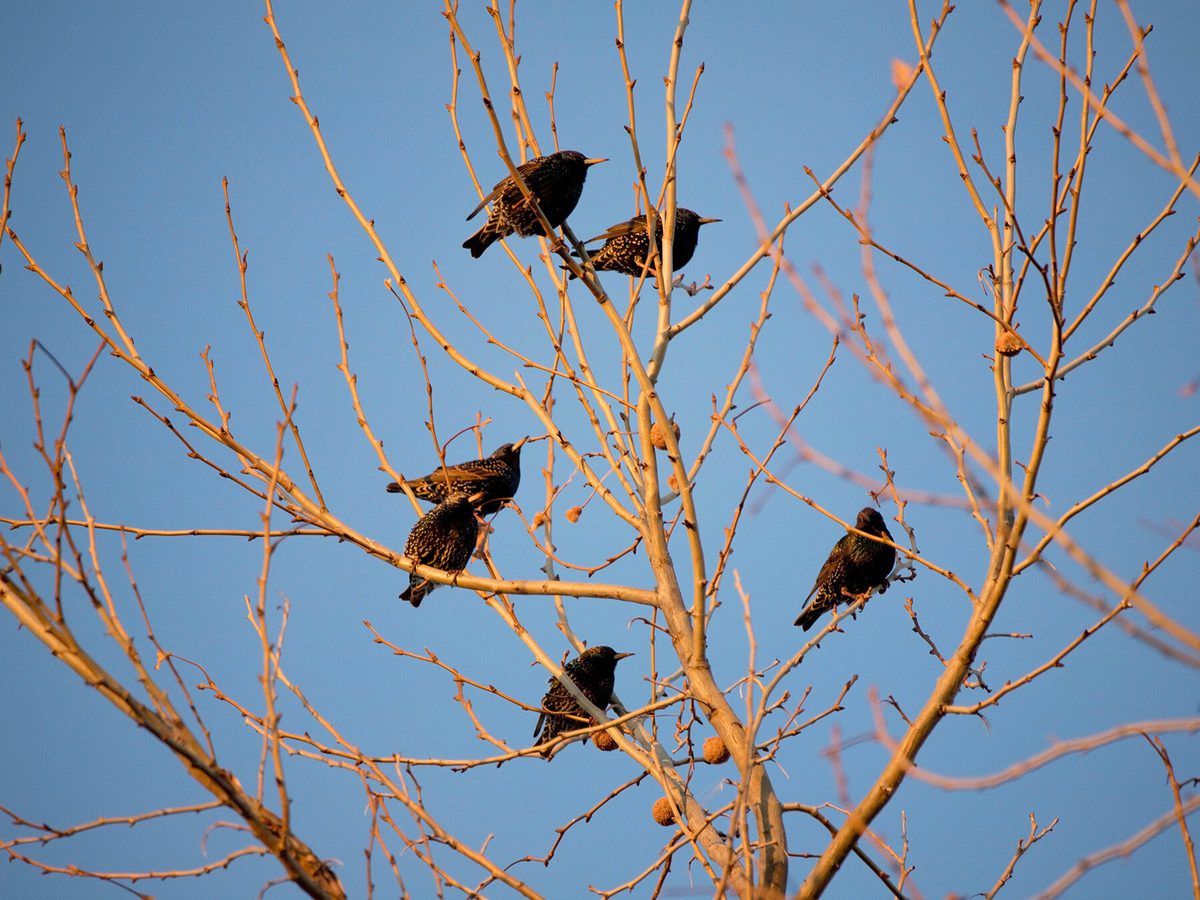
- Starlings – known for huge, noisy flocks at dusk
- Swallows – often roost in barns or under bridges
- Crows – gather in big groups on tree branches
- Owls – usually roost alone during the day
- Pigeons – roost on ledges and rooftops in cities
| Bird Species | Roosting Location | Group Size |
| Starlings | Trees, bushes | Hundreds to thousands |
| Swallows | Man-made structures | Small to medium flocks |
| Crows | Tall trees | Large groups |
| Owls | Tree hollows, quiet spots | Usually solitary |
| Pigeons | Urban rooftops | Small to large groups |

Credit: paulroeddingphotography.com
Reasons Birds Roost
Birds roost when they rest or sleep. Roosting means gathering in a safe spot to stay calm and warm.
Different birds choose to roost for various reasons. These reasons help them survive and stay healthy.
Safety From Predators
Birds roost in groups to protect themselves from enemies. Being in a flock makes it hard for predators to catch one bird.
High places like trees or cliffs help birds see danger early. They choose spots that keep them hidden and safe.
Thermoregulation Benefits
Roosting helps birds keep their body heat. Staying close together stops them from getting too cold at night.
Some birds pick roosts that block wind or rain. These places help birds save energy and stay warm.
Social Interaction
Roosting lets birds talk and bond with each other. They share information about food or dangers in their area.
Young birds learn skills from adults while roosting. This time together helps build strong bird communities.
Types Of Roosting Sites
Birds need safe places to rest and sleep. These places are called roosting sites. Different birds choose different spots depending on their needs and environment.
Some birds roost in natural areas, while others adapt to cities and towns. Understanding these types helps us learn more about bird behavior.
Natural Roosts
Natural roosts are places birds use in the wild. They pick spots that offer shelter and safety from predators and weather.
- Tall trees with dense leaves
- Thick bushes and shrubs
- Cliffs and rocky ledges
- Caves and hollow logs
- Reeds near water bodies
Many birds gather in groups at these natural roosts. This helps them stay warm and watch for danger together.
Urban Roosting Habits
Birds living in cities use man-made places to roost. These spots give them shelter and sometimes food nearby.
| Urban Roosting Site | Bird Types |
| Building ledges and rooftops | Pigeons, sparrows |
| Streetlights and signs | Starlings, crows |
| Bridges and tunnels | Bats and some swallows |
| Urban parks with trees | Robins, finches |
| Abandoned structures | Owls, hawks |
Urban birds choose roosts that protect them from noise and traffic. They also prefer places close to food sources like trash bins or bird feeders.

Credit: birdfact.com
Roosting Behavior Patterns
Birds roost to rest and stay safe. Roosting helps them save energy and avoid predators.
Many birds gather in groups to roost. These patterns vary by species and environment.
Seasonal Changes
Birds change their roosting habits with the seasons. They may roost in warmer places in winter.
Some birds move to new roosting spots as food and weather change. This helps them survive tough seasons.
- Winter roosts often offer more shelter and warmth
- Summer roosts may be in open areas for cooling
- Migration affects where and when birds roost
Nocturnal Vs Diurnal Roosting
Nocturnal birds roost during the day to rest. They sleep in hidden spots to stay safe.
Diurnal birds roost at night. They find safe places to sleep until morning.
- Nocturnal roosts are often quiet and dark
- Diurnal roosts help birds avoid night predators
- Both types choose places that protect them from weather
Surprising Facts About Roosting
Birds roost to rest and stay safe. Roosting means birds gather in groups to sleep.
Roosting helps birds keep warm and avoid predators at night.
Roosting And Migration
Birds often roost during migration stops. These stops help them rest before flying again.
Some birds choose special roosts that protect them from weather and danger during long trips.
- Roosting spots are safe and warm
- Birds use the same roosts each year
- Roosts help birds save energy during migration
Impact On Ecosystems
Roosting birds affect their environment in many ways. Their droppings add nutrients to the soil.
Large bird roosts can change plant growth and help other animals find food.
- Bird droppings fertilize plants
- Roosts provide shelter for insects
- Bird activity spreads seeds and pollen

Credit: www.npr.org
How Roosting Affects Bird Health
Birds roost to rest and stay safe overnight. Roosting plays an important role in their health and survival.
This behavior impacts their energy use and risk of getting sick. Understanding these effects helps us learn about bird life.
Energy Conservation
Roosting helps birds save energy by keeping warm and reducing movement. Group roosting also shares body heat among birds.
- Reduces energy spent on staying warm
- Limits exposure to cold winds
- Allows birds to rest muscles and recover
- Supports survival during cold nights
Disease Transmission Risks
Roosting in groups can increase disease spread. Close contact allows viruses and parasites to move from bird to bird.
| Risk Factor | Effect |
| Close physical contact | Higher chance of infection |
| Shared roosting spots | Parasite buildup |
| Dense populations | Faster disease spread |
| Poor hygiene | Increased illness |
Human Influence On Roosting
Birds roost to rest, stay warm, and stay safe at night. Human actions change where birds can roost. These changes affect their health and survival.
People build cities, cut down trees, and change land. These actions make it harder for birds to find good roosts. Some birds adapt, but others struggle.
Urban Development Challenges
Cities grow fast and cover natural bird habitats. Trees and bushes where birds roost are removed. Lights and noise disturb birds at night.
Birds may find fewer safe places to rest. They may roost in risky areas like power lines or roofs. This can cause injury or death.
- Loss of natural roosting spots
- Increased light pollution
- More noise from traffic and people
- Risk from buildings and power lines
Conservation Efforts
People work to protect bird roosts and create new safe spots. Planting trees and setting up bird boxes help birds find places to rest.
Some towns limit bright lights and noise at night. These steps help birds stay healthy and keep roosting safely near humans.
- Protecting and planting trees
- Installing bird houses and roost boxes
- Reducing night light pollution
- Creating quiet zones near roosts
Frequently Asked Questions
What Does It Mean When A Bird Roosts?
When a bird roosts, it means the bird is settling down to rest or sleep. Roosting provides safety from predators and warmth during cold nights. Birds often choose sheltered spots like trees, branches, or ledges to roost.
Why Do Birds Choose Specific Roosting Spots?
Birds pick roosting spots based on safety, warmth, and shelter. They prefer locations that protect them from predators and harsh weather. Social birds may roost together to share body heat and increase safety through numbers.
How Do Birds Benefit From Roosting Together?
Roosting in groups helps birds stay warm and safe. Group roosting reduces individual energy use and deters predators. It also allows birds to communicate and maintain social bonds within their flock.
Can Roosting Behavior Indicate Bird Health?
Yes, healthy birds typically roost regularly and securely. Birds that avoid roosting or roost in unusual places may be stressed or ill. Observing roosting patterns helps in understanding bird well-being and environmental conditions.
Conclusion
Birds roost to rest and stay safe from predators. This behavior helps them conserve energy and maintain body heat. Roosting also strengthens social bonds among birds. It ensures they are ready for the day ahead. Observing roosting birds offers insight into their daily lives.
Understanding these habits can deepen our connection with nature. It reminds us of the importance of rest and community. Next time you see birds roosting, take a moment. Reflect on their simple yet vital routines. Appreciate the harmony in their world.
A fascinating glimpse into nature's wonders.