

Have you ever wondered where swallows go when the seasons change? Their migration route is one of nature’s most fascinating journeys.
Imagine following these tiny birds as they travel thousands of miles, crossing continents and oceans. Understanding their path can reveal surprising facts about wildlife, climate, and even your own environment. If you’re curious about how these incredible travelers navigate such long distances, keep reading—you’re about to discover the secrets behind the swallow migration route.
Swallow Species And Their Routes
Swallows are small birds known for their long migrations. Many species travel thousands of miles each year.
Each swallow species follows a unique migration route. These paths help them find food and safe places to rest.
Common Swallow Types
Some swallow species are well known for their migration habits. These include the Barn Swallow, Cliff Swallow, and Tree Swallow.
The Barn Swallow has a blue back and orange throat. Cliff Swallows build mud nests on cliffs and buildings. Tree Swallows are shiny blue-green and like open areas.
- Barn Swallow: Most widespread swallow worldwide
- Cliff Swallow: Builds large colonies with mud nests
- Tree Swallow: Likes wetlands and open fields
Migration Paths By Species
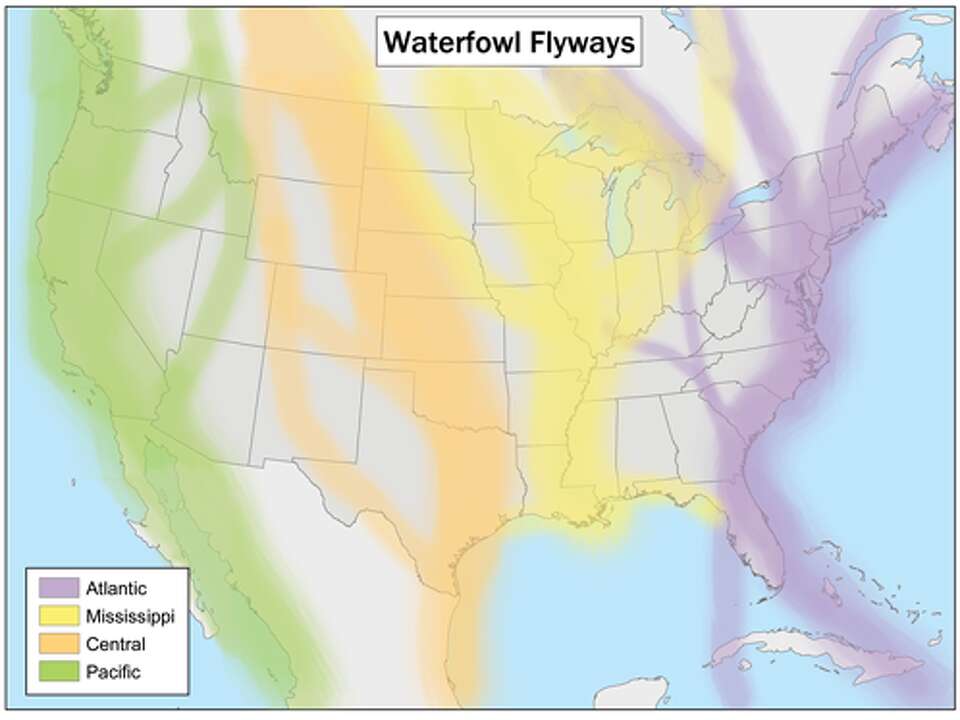
Barn Swallows breed in North America and Europe. They migrate to Central and South America or Africa for winter.
Cliff Swallows mostly migrate within North and South America. They travel from Canada and the U.S. to Mexico and Central America.
Tree Swallows breed in Canada and the northern U.S. They fly south to the southern U.S. and Mexico in winter.
| Species | Breeding Area | Wintering Area | Migration Distance |
|---|---|---|---|
| Barn Swallow | North America, Europe | Central & South America, Africa | Up to 7,000 miles |
| Cliff Swallow | Canada, USA | Mexico, Central America | Up to 3,000 miles |
| Tree Swallow | Canada, Northern USA | Southern USA, Mexico | Up to 1,500 miles |
Credit: www.statesman.com
Seasonal Patterns Of Migration
Swallows travel long distances during their migration seasons. They move to find better weather and more food. Understanding their timing helps us learn about these birds.
Migration happens mainly in spring and fall. Each season has its own schedule and reasons. Let’s explore when and why swallows migrate.
Spring Migration Timing
Swallows start their spring migration as temperatures warm up. They leave their winter homes to return to breeding areas. This migration usually begins in early March and ends by May.
- Swallows travel northward in spring
- They follow insect food sources
- Migration peaks in April
- Arrival matches breeding season
Fall Migration Timing
In fall, swallows move south to warmer places. This migration starts in late August and lasts until October. They prepare by gathering energy and flying in groups.
| Month | Activity |
|---|---|
| August | Begin fall migration |
| September | Peak migration activity |
| October | Reach wintering areas |
Field Ornithologists observe the staging: "Just before a major migratory push in the fall, swallows exhibit a behavior known as staging. They gather in massive, highly conspicuous groups, sometimes numbering tens of thousands, often using man-made structures like bridges, communication wires, or large reed beds as communal roosts. This staging behavior allows for social signaling, final foraging, and mass departure, making these specific roost sites—which are crucial to conservation—easy to spot by the sheer volume of birds."
Navigation Skills Of Swallows
Swallows travel long distances during migration. They find their way using special skills.
These birds use natural signs to move from one place to another. Their navigation helps them survive.
Use Of Earth's Magnetic Field
Swallows sense the Earth's magnetic field like a built-in compass. This helps them know directions.
The birds can detect magnetic signals in their brains. This lets them fly correctly even in the dark.
Visual Landmarks And Sun Position
Swallows use trees, rivers, and mountains to guide their flight. These landmarks help them stay on track.
They also watch the sun’s position during the day. This helps them adjust their route as the sun moves.
Challenges Along The Journey
Swallows travel long distances during migration. Their journey is full of risks and difficulties. They face many challenges that test their strength and survival skills.
This section explains two main challenges: weather hazards and threats from predators and humans.
Weather Hazards
Bad weather can stop swallows from flying safely. Strong winds, heavy rain, and storms make it hard to continue their trip. Cold temperatures can also cause problems by slowing them down.
- Strong winds can push swallows off course.
- Heavy rain reduces visibility and makes flying hard.
- Storms can cause injury or death.
- Cold weather lowers their body temperature.
Predators And Human Impact
Swallows face danger from natural predators like hawks and falcons. These birds hunt swallows during migration. Humans also affect swallows by destroying habitats and using pesticides.
| Threat | Effect on Swallows |
| Hawks and Falcons | Catch and eat swallows |
| Habitat Loss | Less nesting and resting places |
| Pesticides | Reduce food supply and poison birds |
| Buildings and Cars | Cause collisions and injuries |
Rest Stops And Feeding Grounds
Swallows travel long distances during migration. They need places to rest and feed along the way.
Rest stops give swallows a chance to regain energy. Feeding grounds provide the food they need to continue flying.
Key Stopover Locations
Swallows use specific spots to stop during migration. These places have good shelter and plenty of insects.
Some key stopovers are wetlands, river valleys, and open fields. These areas offer safe places to rest and food sources.
- Wetlands with abundant insects
- River valleys with calm winds
- Open fields with tall grasses
- Coastal areas with flying insects
Diet During Migration
Swallows eat mostly flying insects during migration. These insects give them energy and nutrients.
They catch insects in the air while flying. Common foods include flies, beetles, and moths.
- Flies
- Beetles
- Moths
- Aphids
- Dragonflies
Physiologists explain the energy required: "Although swallows are insectivores, their migration isn't powered by the protein or sugar in the insects they catch. Their long-distance endurance flight relies almost entirely on fat storage. Before crossing major ecological barriers like the Gulf of Mexico or the Sahara, swallows undergo a period of intense feeding known as hyperphagia, converting those protein-rich insects into dense lipid reserves. Oxidizing fat yields significantly more energy and crucial metabolic water, making it the non-negotiable fuel for crossing long, food-scarce gaps."

Credit: www.album-online.com
Tracking Technologies
Tracking swallow migration helps scientists learn about bird behavior. New tools make it easier to follow their long journeys.
These technologies provide data on routes, stopovers, and timing. This information supports conservation efforts for swallows.
Satellite Tracking
Satellite tracking uses small devices attached to swallows. These devices send signals to satellites in space.
- Devices weigh less than a gram to avoid harm
- Data shows exact location and travel speed
- Scientists receive updates daily or weekly
- Helps identify migration routes over long distances
Banding And Observation
Banding involves placing a small ring on a swallow’s leg. Each band has a unique number for identification.
| Banding Method | Purpose | Data Collected |
| Metal Bands | Long-term tracking | Recapture location, age, and health |
| Color Bands | Visual ID from afar | Behavior and movement observation |
| Observation | Field study | Flight patterns and stopover points |
Conservation Efforts
Swallows travel long distances during migration. Their journey faces many challenges. Protecting them requires focused conservation efforts.
Conservation work helps keep swallow populations healthy. People must work together to protect their habitats and support local efforts.
Protecting Habitats
Swallows need safe places to rest and breed during migration. Loss of habitat is a big threat to their survival. Conservation groups work to protect these areas.
- Preserve wetlands and open fields
- Limit pesticide use in farming areas
- Restore native vegetation near migration paths
- Create safe nesting sites in urban areas
- Monitor habitat quality regularly
Community Involvement
Local communities play a key role in swallow conservation. Education and participation help protect these birds during migration.
| Activity | How It Helps |
| Birdwatching groups | Track swallow numbers and health |
| School programs | Raise awareness in young people |
| Neighborhood clean-ups | Remove hazards from habitats |
| Building nest boxes | Provide safe breeding spots |
| Reporting sightings | Help scientists study migration |
Credit: www.mdpi.com
Frequently Asked Questions
What Is The Typical Swallow Migration Route?
Swallows usually migrate between North America and Central or South America. They follow coastlines and open fields, covering thousands of miles. This route ensures access to food and favorable climates during seasonal changes.
When Do Swallows Start Their Migration Journey?
Swallows typically begin migration in late summer to early fall. This timing helps them avoid cold weather and find abundant insect food in warmer regions.
How Long Is The Swallow Migration Distance?
Swallow migration distances can range from 1,000 to over 7,000 miles. The exact distance depends on the species and their breeding and wintering locations.
Why Do Swallows Migrate Seasonally?
Swallows migrate to find warmer climates and abundant food supplies. Seasonal migration helps them survive harsh winters and ensures successful breeding during spring.
Conclusion
Swallow migration is a marvel of nature. These small birds travel vast distances. Their journey connects continents and climates. This route shows their incredible endurance and instincts. Understanding their path helps us appreciate nature more. It also highlights the importance of conservation.
Protecting their habitats ensures their continued migration. This annual journey reminds us of the wonders around us. Observing swallows inspires awe and respect for wildlife. Their migration is a story of survival and strength. A remarkable example of nature's intricate design.
Let us cherish and protect these amazing travelers.


