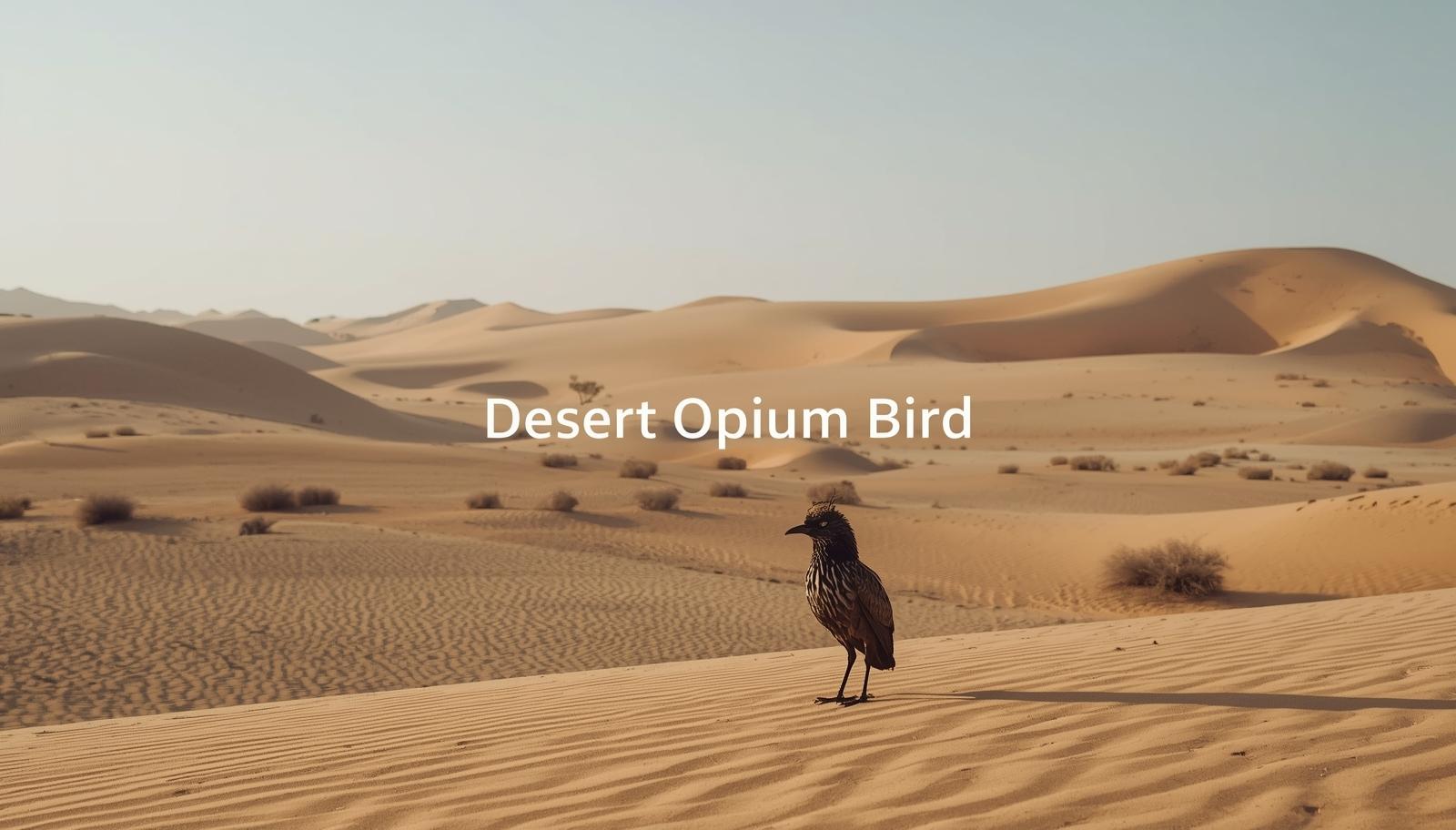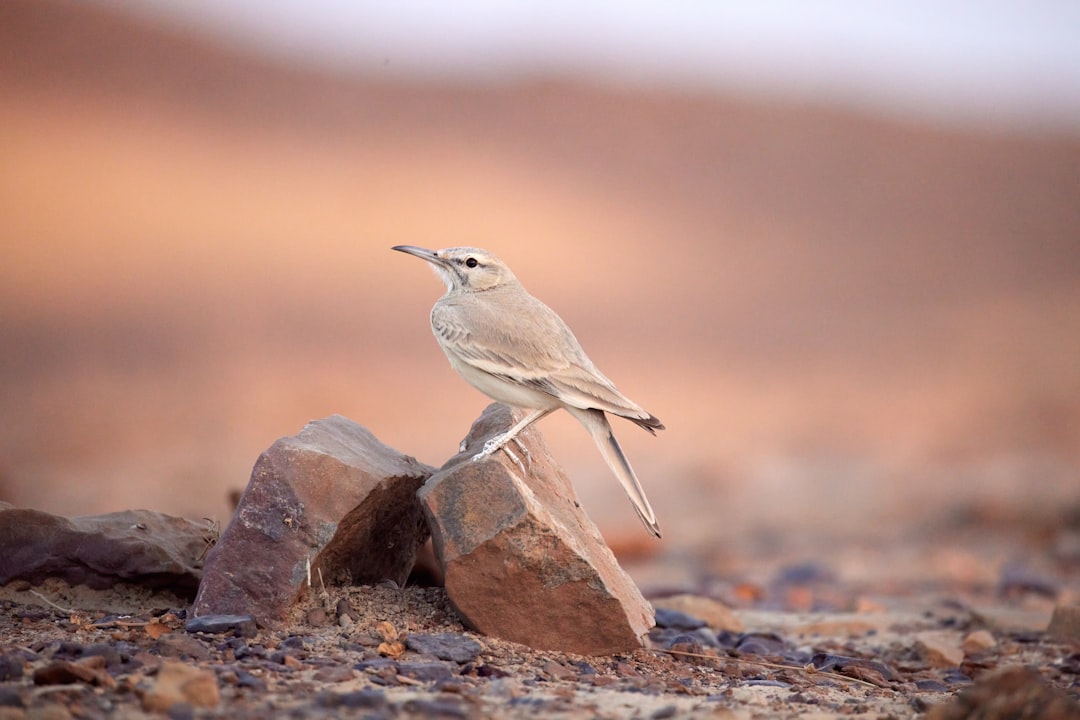
Have you ever wondered what makes the roadrunner such a fascinating desert bird? This speedy creature isn’t just a symbol of the wild Southwest—it plays a unique role in its harsh environment.
If you want to discover why the roadrunner stands out among desert wildlife and what habits help it survive the toughest conditions, keep reading. You’ll be surprised by how much this bird can teach you about resilience and adaptability in nature.
Desert Habitat
The roadrunner is a bird that lives in dry, hot places. It is well known for running fast on the ground.
This bird is found in deserts where few animals can survive. It uses special skills to live in this tough environment.
Geographic Range
Roadrunners live in the southwestern United States and Mexico. They prefer areas with open land and few trees.
These birds are common in deserts like the Sonoran and Mojave. They also live in dry grasslands near deserts.
Climate Adaptations
Roadrunners have special ways to stay cool in the heat. They can lower their body temperature at night to save energy.
They use their fast running to catch food and avoid heat during the hottest parts of the day. Their feathers reflect sunlight.
- Lower body temperature at night
- Run fast to hunt and stay cool
- Feathers reflect sunlight
Shelter And Nesting
Roadrunners build nests in bushes or low trees. They use twigs and leaves to make a small, safe place.
They like spots that protect them from strong sun and wind. The nest keeps eggs safe from desert dangers.
- Nests made of twigs and leaves
- Built in bushes or low trees
- Protects from sun and wind

Credit: www.dreamstime.com
Physical Features
The roadrunner is a bird that lives in the desert. It has special physical traits that help it survive in dry places. These features make it easy to recognize.
Understanding the roadrunner’s size, how it flies, and its unique adaptations helps us learn how it lives well in harsh environments.
Size And Appearance
Roadrunners are medium-sized birds. They have long legs and a long tail. Their feathers are mostly brown with white and black patterns. This coloring helps them blend into the desert.
- Length: about 20 to 24 inches
- Weight: around 8 to 15 ounces
- Strong legs for running fast
- Sharp beak for catching prey
Flight Capabilities
Roadrunners can fly but not for long distances. They use flight mainly to escape danger or reach low branches. Most of their movement is running on the ground.
| Flight Feature | Description |
| Wing size | Short and rounded |
| Flight distance | Short bursts only |
| Running speed | Up to 20 miles per hour |
Unique Adaptations
The roadrunner has special body parts and habits. These help it stay cool and hunt well in the desert heat.
- Large feet with two toes pointing forward and two backward for stability on rocky ground
- Strong legs for sprinting and catching prey like lizards and insects
- Dark feathers on the back absorb heat in the morning
- Ability to lower body temperature at night to save energy
- Long tail used for balance while running
Behavior Patterns
Roadrunners are desert birds known for their unique behavior. They live in hot, dry places and have special ways to survive.
Their behavior helps them find food, stay safe, and communicate with others. Let’s explore how they act during the day.
Daily Activity
Roadrunners are mostly active during the day. They hunt early in the morning and late in the afternoon. They rest when the sun is hottest.
They use the cooler parts of the day to find food like insects, lizards, and small snakes. They stay near bushes for shade.
Speed And Movement
Roadrunners can run very fast to catch prey or escape danger. They can reach speeds up to 20 miles per hour on the ground.
They mostly run but can fly short distances. Their strong legs help them move quickly across desert land.
- Run fast to catch prey
- Fly short distances to avoid predators
- Use quick movements to stay safe
Communication Methods
Roadrunners use sounds and body movements to talk to each other. They make calls that sound like cooing or clicking.
They also use their tail and wings to show feelings. This helps them warn others or attract mates.
- Make cooing and clicking sounds
- Use tail and wing movements
- Signal danger or attract mates

Credit: www.dreamstime.com
Diet And Hunting
The roadrunner is a bird that lives in deserts. It has a special diet and way to hunt. It eats many small animals found in dry areas.
This bird is quick and smart. It uses speed and skill to catch its food. Let’s learn more about what it eats and how it hunts.
Prey Preferences
Roadrunners eat many types of prey. They like animals that live on or near the ground. Their diet includes insects, small reptiles, and mammals.
- Insects like grasshoppers and beetles
- Small lizards and snakes
- Baby birds and eggs
- Rodents such as mice
- Spiders and scorpions
Hunting Techniques
Roadrunners hunt by running fast on the ground. They can reach speeds up to 20 miles per hour. This helps them catch quick prey like lizards and insects.
They also use their sharp beak to catch and kill food. Sometimes, they wait quietly and then chase their prey. Their hunting style is active and patient.
- Run fast to chase prey
- Use sharp beak to grab food
- Wait quietly before chasing
- Attack small animals on the ground
Food Storage
Roadrunners do not store food like some other birds. They eat their catch soon after hunting. This helps them stay active and ready to hunt again.
In dry deserts, food is not always easy to find. Roadrunners rely on their speed and skill to find new prey daily instead of saving food.
Reproduction
Roadrunners are desert birds known for their unique reproduction habits. They have special ways to find mates, build nests, and raise their young.
Understanding their reproduction helps us learn how they survive in tough desert environments.
Mating Rituals
Male roadrunners perform dances to attract females. They puff up their feathers and spread their tails wide. They also make soft cooing sounds to get attention.
After the female shows interest, the pair will spend time together before building a nest.
Nest Building
Roadrunner pairs build nests together. They use sticks, leaves, and cactus needles to create a safe place. The nest is often in low bushes or small trees.
The nest protects eggs from heat and predators in the desert.
Raising Offspring
Both parents take care of the eggs and chicks. They take turns sitting on the eggs to keep them warm. After hatching, they feed the young birds insects and small animals.
The chicks grow fast and leave the nest in a few weeks. Parents teach them how to hunt and survive in the desert.
Survival Strategies
The roadrunner is a bird that lives in hot desert areas. It has special ways to stay alive in tough conditions.
Its survival depends on avoiding danger, saving water, and controlling body heat.
Predator Avoidance
Roadrunners run fast to escape predators. They can reach speeds up to 20 miles per hour.
They also hide in bushes and use their camouflage colors to blend with the desert ground.
- Quick running to outrun threats
- Hiding in desert plants
- Using brown and gray feathers for camouflage
Water Conservation
Roadrunners get most water from the food they eat, like insects and small animals.
They can also survive long times without drinking water directly.
- Eating juicy prey for moisture
- Reducing water loss by limiting activity in heat
- Using efficient kidneys to save water
Thermoregulation
Roadrunners manage their body temperature to stay cool in hot deserts.
They sunbathe in the morning to warm up and seek shade during the hottest parts of the day.
- Sunbathing to raise body heat early
- Finding shade to avoid overheating
- Using panting to cool down
Role In Ecosystem
Roadrunners are desert birds known for their speed and hunting skills. They play a key role in the desert ecosystem by helping control populations of small animals.
These birds adapt well to harsh desert conditions. Their actions affect many other desert species and the overall health of their habitat.
Predator-prey Relationships
Roadrunners hunt a variety of prey. They eat insects, small reptiles, and rodents. Their hunting helps keep prey populations balanced.
- Eat scorpions and spiders, controlling their numbers
- Catch lizards and small snakes, reducing competition
- Hunt rodents that can damage plants
- Occasionally prey on small birds
Impact On Desert Biodiversity
By controlling prey species, roadrunners help maintain desert biodiversity. Their presence supports a balance between plants and animals.
| Effect | Details |
| Prey Control | Limits overpopulation of insects and small animals |
| Plant Protection | Reduces damage by rodents and insects |
| Food Source | Serves as prey for larger predators like hawks |
| Habitat Health | Supports a balanced food web in the desert |

Credit: www.shutterstock.com
Human Interaction
Roadrunners are desert birds known for their speed and unique behaviors. People often see them in arid regions of the southwestern United States and Mexico. These birds have a special place in human culture and local ecosystems.
Humans have interacted with roadrunners in many ways. These interactions affect how people view and protect these desert birds.
Cultural Significance
Roadrunners appear in the stories and traditions of Native American tribes. Many tribes see them as symbols of speed, agility, and protection. The bird often features in art and folklore.
- Seen as a spirit animal in some cultures
- Used in traditional stories to teach lessons
- Featured in pottery and textiles
- Represents good luck and safety
Conservation Status
The roadrunner is not currently endangered. It is listed as a species of least concern by conservation groups. Still, monitoring their populations helps keep them safe.
| Region | Status | Population Trend |
| Southwestern USA | Stable | Increasing |
| Mexico | Stable | Stable |
| Other Desert Areas | Stable | Unknown |
Threats And Protection
Roadrunners face threats from habitat loss and climate change. Human activity can reduce the areas where they live and find food. Protecting their environment helps these birds survive.
- Habitat destruction due to urban growth
- Road accidents affecting their population
- Predation by domestic animals like cats and dogs
- Conservation efforts focus on habitat preservation
Frequently Asked Questions
What Kind Of Habitat Do Roadrunners Prefer?
Roadrunners thrive in arid deserts and scrublands. They prefer open, dry areas with sparse vegetation for hunting and nesting.
How Fast Can A Roadrunner Run?
A roadrunner can reach speeds up to 20 miles per hour. This helps them catch prey and evade predators efficiently.
What Does A Roadrunner Eat In The Desert?
Roadrunners primarily eat insects, small reptiles, and rodents. They also consume fruits and seeds when available in their habitat.
How Do Roadrunners Survive Extreme Desert Temperatures?
Roadrunners regulate body temperature by seeking shade during the hottest parts of the day. They are active mostly in cooler mornings and evenings.
Conclusion
The roadrunner thrives in the harsh desert. It adapts to extreme temperatures and scarce water. With its swift legs, it hunts insects and small reptiles. This bird's unique traits make it fascinating to watch. Its resilience inspires many nature enthusiasts.
Understanding the roadrunner helps us appreciate desert wildlife more. As we learn, we protect these amazing creatures. Observing them teaches us about survival and adaptation. Next time you spot a roadrunner, take a moment. Admire its speed and grace. A true marvel of the desert.