What Is a Desert Opium Bird? Meme, Myth, or Reality?
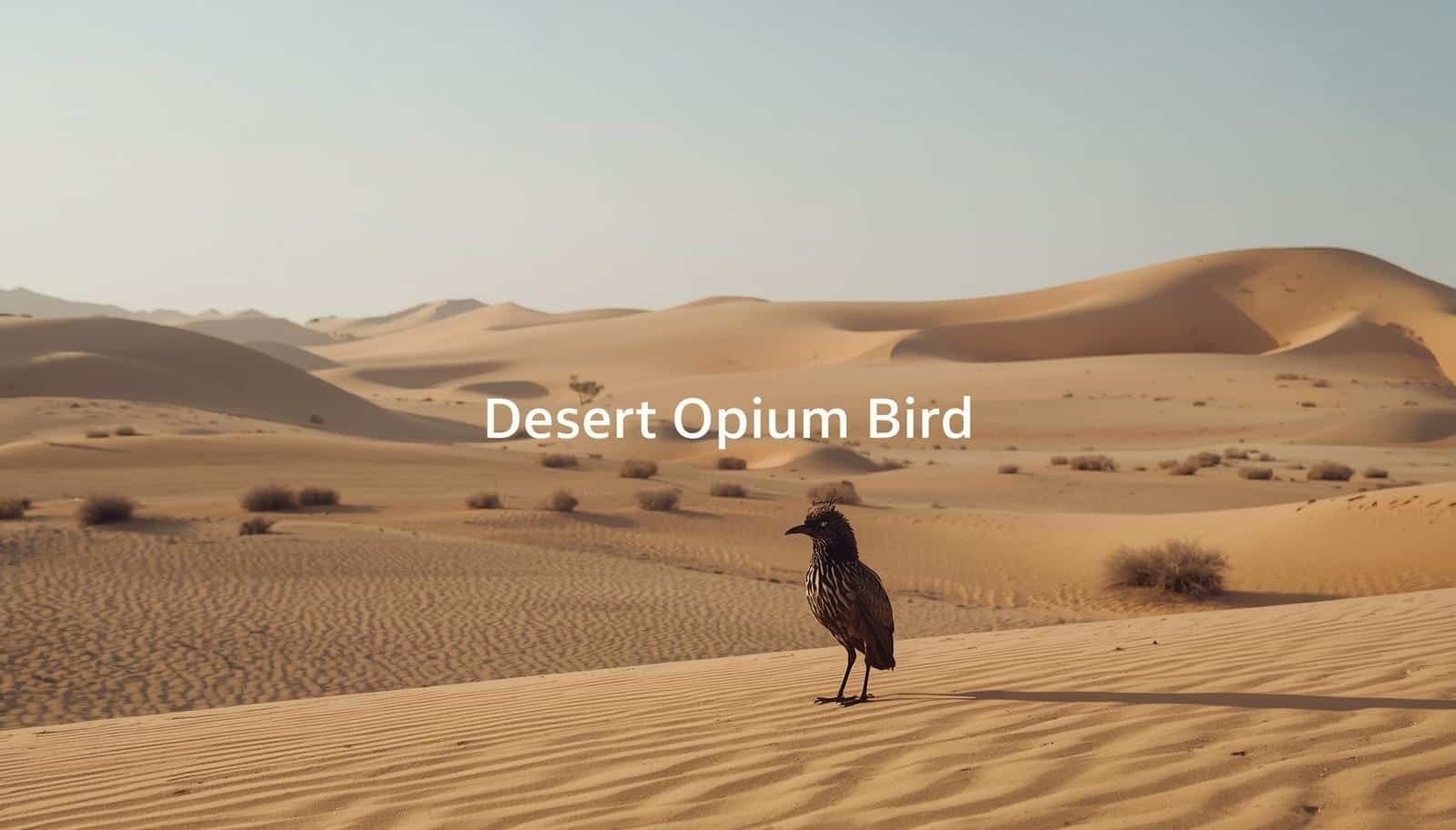
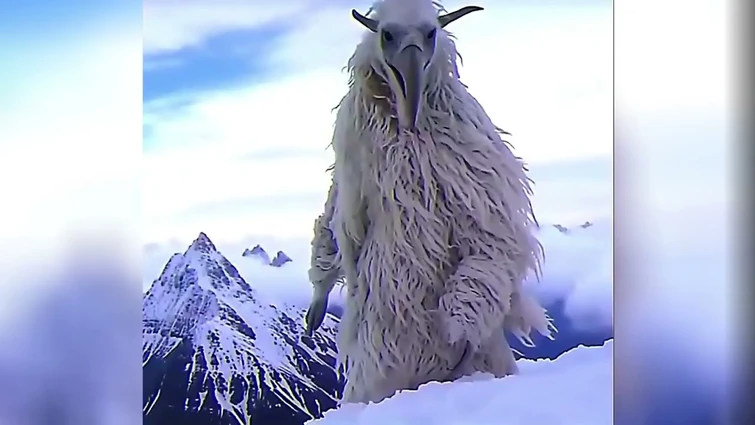
The Desert Opium Bird is a creature that has taken the internet by storm. You have probably seen the pictures on TikTok. Giant, fluffy birds standing in the snow or sand. They look a bit human and very creepy.
You might wonder if the Desert Opium Bird actually exists. Is it a secret animal hiding in the desert? Or is the internet playing a trick on you?
We will dig into the truth here. You will learn about the viral story, the biology, and what is actually real.

Credit: easy-peasy.ai
Desert Opium Bird Basics
The internet describes the Desert Opium Bird as a strange creature. Stories say it lives in dry, empty places. It looks scary but acts calm.
People ask many questions about it. Where does it hide? What does it eat? Let’s look at the details people share online.
Appearance And Size
The legend describes a specific look. Stories say it has a thin body and long feathers. The colors are usually brown or white. Some say it is small, like a sparrow.
But the viral videos show something else. They show a bird as big as a human. It has giant black eyes. It looks wise and ancient.
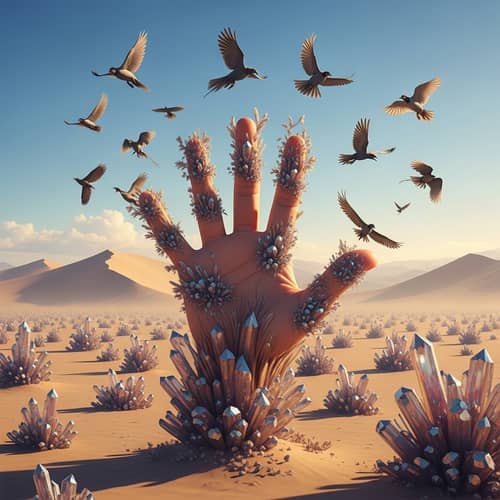
Here is the truth: Digital experts found the source. The “Opium Bird” (or “Erosion Bird”) is not real. An artist named Dreampcore made it. They used Artificial Intelligence (AI) tools like Midjourney in 2023. It is an art project, not a biology lesson.
Habitat And Range
If this bird were real, where would it live? The lore places it in hot, dry deserts. It would need sand and silence. The stories mention North Africa and the Middle East.
Desert plains: Flat lands with few plants.
Sandy dunes: Hills of sand for hiding.
Dry riverbeds: Places with rocks and shade.
Remote regions: Far away from cities.
It stays near hidden spots. It avoids the hot sun.
Diet And Feeding Habits
The Desert Opium Bird mainly eats seeds and small insects. It feeds mostly in the early morning and late evening. The bird uses its sharp beak to pick seeds from plants and catch insects on the ground.
| Food Type | Examples | Feeding Time |
| Seeds | Grasses, dry shrubs | Early morning |
| Insects | Ants, beetles | Late evening |
Science check: Biologists say the viral bird is impossible. The videos show a huge, heavy creature. Real birds that size need big muscles to walk. This bird has thin legs and a weird beak. Evolution doesn’t work that way. It is fiction.
Credit: easy-peasy.ai
Unique Adaptations
Let’s pretend the bird is real for a minute. Desert animals need special skills to survive. The heat kills most things quickly.
The Opium Bird would need strong defenses. It would need to save water and hide from enemies.
Surviving Harsh Climates
Deserts get very hot. This bird would need to stay cool. It would sleep during the hot day.
The feathers might help too. Light colors reflect the sun. This keeps the body temperature down.
Camouflage And Defense
You can’t survive if everything sees you. This bird blends in with the sand. Its colors are beige, brown, and gray.
It hides from predators easily. It stands very still. This makes it look like a rock or a bush.
Colors match the sand.
Standing still helps it hide.
Quick movements help it escape.
Water Conservation Techniques
Water is rare in the desert. The bird would drink very little. It would get moisture from bugs and plants.
Its body would hold water well. Even its waste would be dry. This stops it from getting dehydrated.
Gets water from food.
Holds water inside the body.
Makes dry waste.
Behavior And Lifestyle
The stories give this bird a personality. It moves slowly and carefully. It looks peaceful.
It wakes up when the sun goes down. The cool air feels better. It rests in shadows during the day.
Social Structure
These birds seem lonely. The pictures usually show just one or two. They avoid big crowds.
Big groups need too much food. Living alone is safer in the desert. They might call out to warn others away.
Small groups or alone.
Defends its own space.
Uses strange sounds.
Breeding Patterns
Babies appear in cooler months. Parents hide nests in safe spots. They protect the eggs from snakes.
Mom and Dad both help. Chicks need to grow up fast. The desert is dangerous for babies.
Nests in shade.
Parents share work.
Fast growth.
Migration And Movement
Does it fly away? Probably not. It moves short distances. It looks for food nearby.
Long trips take too much energy. It saves strength by staying local. It rests often.
Stays in one area.
Moves only for food.
Saves energy.
Credit: a-city-filled-with-memories.fandom.com
Ecological Importance
The Desert Opium Bird lives in dry, sandy areas. It plays a key role in keeping desert life balanced.
This bird helps plants grow and supports other animals in tough desert conditions.
Role In Desert Ecosystems
Birds spread seeds. They eat fruit and drop seeds elsewhere. This helps new plants grow.
They also eat bugs. This stops pests from taking over. It keeps nature balanced.
Spreads seeds for plants.
Controls bug numbers.
Keeps soil healthy.
Interactions With Other Species
Animals live together in the wild. Birds share water with foxes and lizards. Everyone fights for the same resources.
Birds can be food too. Snakes and eagles hunt them. It is the circle of life.
Shares space with others.
Helps clean larger animals.
Becomes food for hunters.
Conservation Status
The internet says the Opium Bird is rare. People claim it is dying out. This adds to the mystery.
Scientists study real endangered birds. They track numbers and threats. This helps save species from extinction.
Threats To Survival
Deserts are changing. Humans build roads and cities. This destroys animal homes.
Farming destroys land.
Climate change makes it too hot.
Pollution hurts food.
Cats and dogs hunt birds.
Protection Efforts
We must protect real nature. Groups work hard to save desert animals. They make laws and safe parks.
| Protection Method | Description |
| Habitat Reserves | Safe land for animals. |
| Legal Protection | Laws against hunting. |
| Research | Studying bird habits. |
| Education | Teaching people to help. |
Cultural Significance
The Opium Bird is not biological. But it is cultural. It means something to the internet.
People love scary stories. This bird is a modern myth. It shapes how we see the internet’s power.
Myths And Folklore
The name sounds magical. “Opium” suggests dreams. People say the bird brings visions.
Guides lost travelers.
Appears under the moon.
Cures sickness.
Guards treasure.
Internet History: This is a “cryptid.” It is like Slender Man. It lives in stories, not forests. The name comes from the weird, dreamy vibe of the AI images.
Symbolism In Local Communities
Online communities use the image. It stands for weirdness and mystery. It shows how AI can trick us.
| Symbol | Meaning |
| Feathers | Mystery and art. |
| Call | Internet viral fame. |
| Flight | Imagination. |
| Desert | The digital world. |
Real-Life Advice from the Digital Community Users on r/cryptids and r/midjourney often point out that the Opium Bird is the “Slender Man” of the AI era. It represents a new kind of myth called a “Digital Cryptid.” How to spot an AI “Bird” next time:
Check the feet: AI often struggles with bird talons. Look for weirdly merging toes or “melting” legs.
Watch the eyes: Real birds have a “third eyelid” (nictitating membrane) and blink frequently. AI birds often have a static, glassy stare.
Follow the grain: In many Opium Bird videos, the feathers don’t move like real plumage; they look more like moving textures or fur.
Frequently Asked Questions
What Is a Desert Opium Bird?
The Desert Opium Bird is a fictional or rare term with no well-known biological reference. It may refer to a mythical or symbolic creature linked to desert folklore or artistic expression.
Where Does the Desert Opium Bird Live?
If it exists, the Desert Opium Bird would inhabit arid desert regions. Its habitat likely includes sandy dunes and sparse vegetation typical of desert environments.
Why Is It Called the Opium Bird?
The name “Opium” could relate to the bird’s appearance or effects it symbolizes. It might suggest a hypnotic or intoxicating influence associated with the creature.
What Are the Characteristics of the Desert Opium Bird?
This bird might have unique desert adaptations, such as camouflaged plumage and nocturnal habits. It could be known for its elusive nature and mysterious behavior.
Conclusion
The Desert Opium Bird fascinates with its unique behaviors and adaptations. It thrives in harsh, arid landscapes, showcasing nature’s resilience. Its distinct calls and colorful plumage captivate bird enthusiasts. Observing this bird offers a glimpse into the delicate balance of desert ecosystems.
Understanding its role helps in conserving these fragile habitats. Every sighting reminds us of nature’s beauty and complexity. Protecting such species ensures future generations can enjoy them too. Stay curious and keep exploring the wonders of our natural world. The Desert Opium Bird is just one example of nature’s incredible diversity.