Amazing Guide: What Is a Song Bird Explained
Have you ever stopped to listen to the sweet melodies that fill the air on a quiet morning? Those beautiful tunes often come from a special group of birds known as songbirds.
But what is a song bird, and why do their songs captivate so many people around the world? If you’re curious about these fascinating creatures and want to understand what makes their songs so magical, you’re in the right place.
Keep reading, and you’ll discover the secrets behind these natural singers that might change the way you hear the world around you.
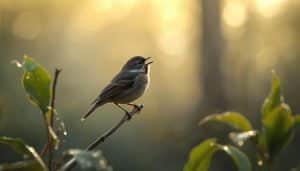
Credit: nationalzoo.si.edu
Characteristics Of Songbirds
Songbirds are a large group of birds known for their beautiful songs. They have special features that help them sing and survive. These birds live in many places around the world. Their traits help us identify and understand them better.
Physical Traits
Songbirds are usually small to medium-sized birds. They have strong, flexible voices that produce a wide range of sounds. Most songbirds have slender beaks made for eating insects and seeds. Their feet have three toes pointing forward and one backward.
- Small to medium size
- Slender, pointed beaks
- Strong vocal cords
- Feet with three toes forward, one back
Behavior Patterns
Songbirds use songs to attract mates and mark their territory. They often sing early in the morning and during the day. Many songbirds build nests in trees or bushes. They care for their young until they can fly and find food.
- Sing to communicate and attract mates
- Sing mostly in the morning and day
- Build nests in trees or bushes
- Protect and feed their young

Credit: www.gpb.org
Popular Songbird Species
Songbirds are small birds known for their beautiful singing. Many species live near people. This guide looks at some popular songbird species. You will learn about common and exotic types.
Common Backyard Singers
Common backyard songbirds are easy to spot. They often visit gardens and parks. These birds have simple but lovely songs. People enjoy hearing them every day.
- Northern Cardinal: Bright red with a clear whistle
- American Robin: Known for its cheerful morning song
- House Finch: Small bird with a warbling tune
- Song Sparrow: Has a rich and melodious song
- Blue Jay: Loud calls with some musical notes
Exotic Songbirds
Exotic songbirds come from faraway places. They often have unique songs and colors. These birds are less common in backyards. Bird watchers enjoy learning about their sounds.
- Nightingale: Famous for a loud and beautiful night song
- Lyrebird: Can mimic sounds from nature and machines
- Canary: Known for bright yellow feathers and clear singing
- Paradise Whydah: Has a high-pitched and sweet song
- European Goldfinch: Bright colors with a twittering song
The Science Behind Their Songs
Songbirds are known for their beautiful and complex songs. These songs are more than just sounds. They serve many important roles in the bird’s life. Scientists study how songbirds create these sounds and why they sing. Understanding this helps us learn about nature and communication.
How Songbirds Produce Sounds
Songbirds make sounds using a special organ called the syrinx. It is located where the windpipe splits into the lungs. This organ works like a tiny musical instrument. The syrinx has muscles that control the sound. Birds can change the tension and airflow to create different notes. This lets them sing many tunes and pitches.
- The syrinx is very flexible and precise.
- Birds can sing two notes at once.
- Muscle control helps make complex songs.
Purpose Of Their Melodies
Songbirds use their melodies to communicate with others. Singing helps them find mates and mark their territory. It shows strength and health to other birds. Different songs can mean different things. Some songs warn about danger. Others help keep bird groups together or teach young birds how to sing.
- Attract mates with unique songs
- Defend territory from rivals
- Warn others about predators
- Help young birds learn to sing
Songbird Habitats
Songbirds live in many different places. Their habitats provide food, shelter, and safety. These birds need the right environment to sing, nest, and raise their young.
Preferred Environments
Songbirds prefer areas with plenty of trees or shrubs. These plants offer good places to build nests. They like forests, gardens, parks, and wetlands. These places have many insects and seeds to eat.
- Woodlands with dense trees
- Shrubby areas near water
- Backyards with bird feeders
- Grasslands with scattered bushes
Migration Patterns
Many songbirds move to warmer places during cold months. This helps them find food and survive. They travel long distances between breeding and winter homes. Migration timing depends on weather and food.
- Spring migration to breeding areas
- Fall migration to warmer climates
- Some songbirds stay in one place all year
- Migration routes often follow rivers or coasts
Caring For Songbirds
Songbirds bring music and life to gardens and parks. Caring for them helps keep their populations strong. Simple actions like creating safe spaces and providing food can make a big difference for songbirds.
Creating Bird-friendly Spaces
Songbirds need safe places to live and rest. Plant native trees and shrubs to give them shelter.
- Grow a variety of plants that bloom at different times
- Leave some areas with leaf litter for insects
- Provide water sources like shallow birdbaths
- Avoid using pesticides and chemicals
- Keep cats indoors to protect birds
Feeding Tips
Feeding songbirds helps them find energy, especially in cold seasons. Use feeders that are easy to clean.
| Food Type | Best For | Notes |
| Black-oil sunflower seeds | Most songbirds | High energy and easy to crack |
| Nyjer seeds | Finches | Small seeds that finches love |
| Suet cakes | Woodpeckers, nuthatches | Good source of fat in winter |
| Fruit pieces | Orioles, thrushes | Offer fresh or dried fruits |
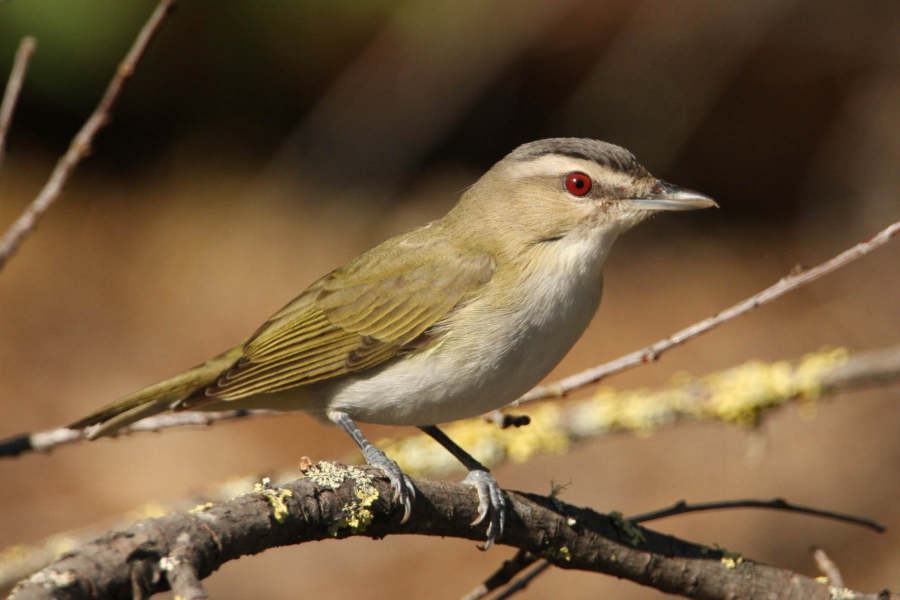
Credit: www.chesapeakebay.net
The Role Of Songbirds In Ecosystems
Songbirds are small birds known for their beautiful songs. They play important roles in nature. These roles help keep ecosystems balanced and healthy. Many songbirds help plants grow and protect crops. They also control pests, which benefits farmers and wild plants alike.
Pollination And Seed Dispersal
Songbirds help plants by moving pollen and seeds. This process helps plants make new flowers and grow in new places. Some songbirds eat fruits and carry seeds far away.
- Carry pollen from flower to flower
- Eat fruits and spread seeds through droppings
- Help grow forests and gardens by planting seeds
- Support plant diversity and forest renewal
Pest Control
Songbirds eat many insects that can harm plants. By eating pests, they reduce the need for chemicals. This helps keep the environment safe for all animals and plants.
| Pest Type | Songbird Action |
| Insects on crops | Eat insects, lower pest numbers |
| Tree pests | Remove harmful bugs from leaves |
| Garden pests | Protect flowers and vegetables |
Frequently Asked Questions
What Defines A Songbird?
A songbird is a bird belonging to the Passeriformes order. They are known for their vocal ability. Their syrinx allows complex and melodious sounds. Songbirds use songs to attract mates and mark territory. They are found worldwide in various habitats.
How Do Songbirds Produce Their Songs?
Songbirds produce songs using a specialized vocal organ called the syrinx. It is located at the base of their trachea. This organ enables them to create varied and intricate melodies. Their brain controls the syrinx muscles for precise sound modulation.
Each species has unique song patterns.
Why Are Songbirds Important To Ecosystems?
Songbirds help control insect populations by feeding on them. They also aid in seed dispersal, promoting plant growth. Their songs contribute to biodiversity by supporting communication within species. Songbirds indicate ecosystem health, reflecting environmental changes. Protecting them ensures ecological balance.
What Are Common Examples Of Songbirds?
Common songbirds include robins, sparrows, finches, and warblers. Each species has distinctive songs and colors. These birds inhabit forests, gardens, and urban areas. They are popular among birdwatchers for their melodious calls. Their presence enhances natural and urban environments.
Conclusion
Song birds enchant with their melodies and vibrant presence. They fill our world with music. Their songs signal the start of a new day. These birds are nature’s musicians. Observing them can be a joyful experience. They come in various shapes and colors.
Each species sings its own unique song. Their beauty and tunes captivate many. Learning about song birds adds joy to life. Their existence enriches the natural world. They remind us of nature’s wonders. Next time you hear a bird, pause and listen.
Appreciate the simple pleasure they bring. Let their songs brighten your day.