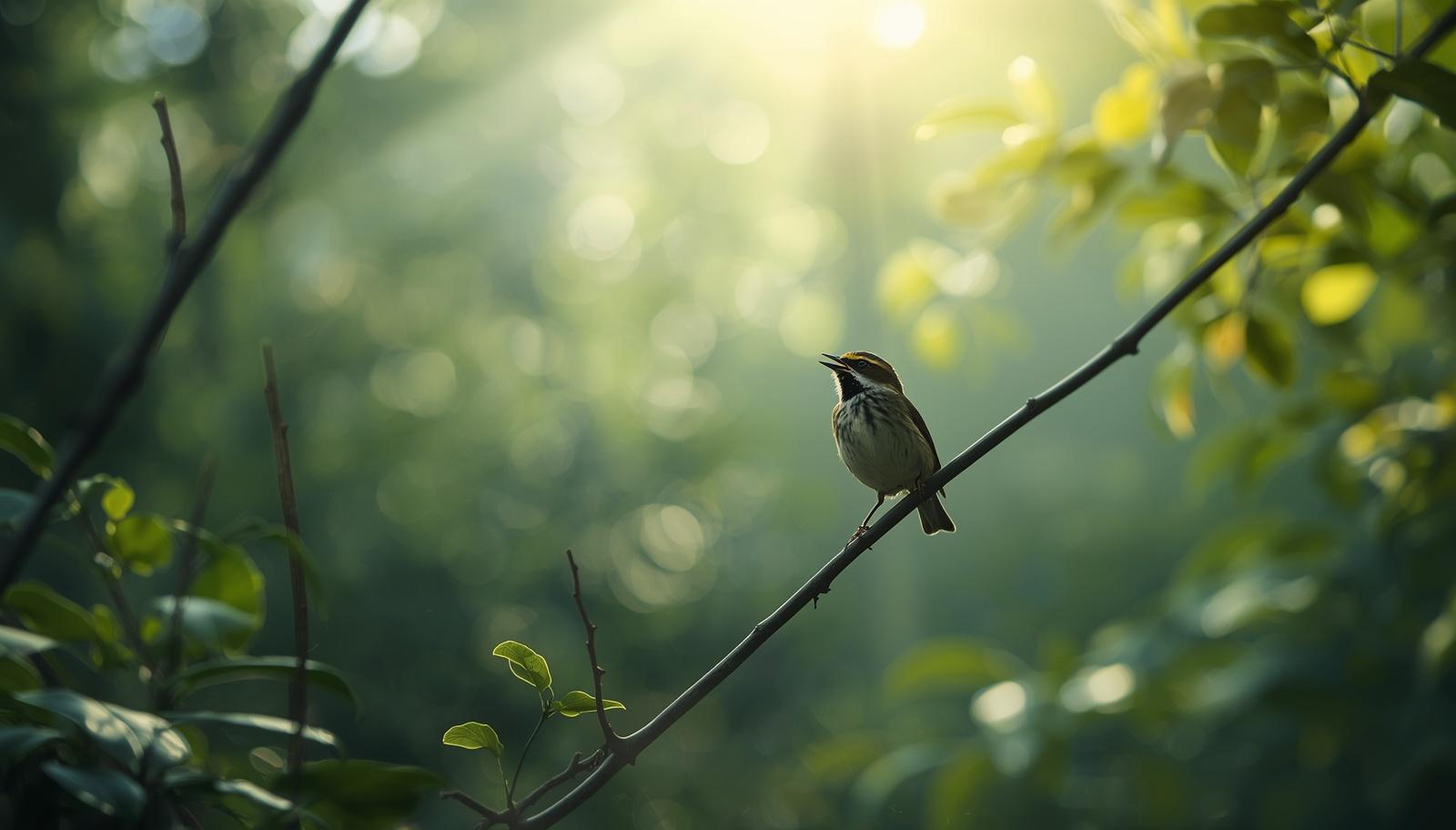
What Bird Makes a Warbling Sound: Amazing Species Guide
Have you ever stopped to listen to that sweet, musical sound? It makes you wonder, "What Bird Makes a Warbling Sound?" That flowing, musical song can cheer you up. It connects you with nature instantly.
You want to know which bird makes this charming sound. You want to know why it sings that way. You are in the right place. Keep reading now. You will discover facts that change how you hear bird songs forever.
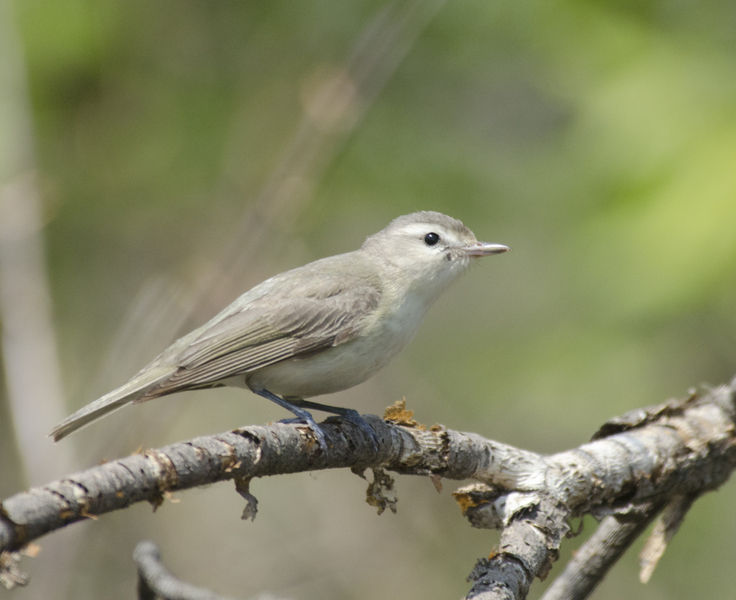
Credit: naturecanada.ca
Warbling Birds Across the Globe
Birds that warble have beautiful, musical songs. These sounds help them find mates. They also help them mark their home area. Warbling birds live in many places worldwide.
Many kinds of birds sing warbling songs. Their songs change by bird type and region. Let’s look at some common warblers around the world.
Common North American Warblers
North America has many warbler types. These small birds often have bright colors. Their songs sound fast and musical. They sing to attract mates. They also defend their nesting spots.
Popular ones include the Yellow Warbler. The Black-throated Green Warbler is another. Their songs are clear and high. They include trills and flowing warbles.
- Yellow Warbler: has sweet, musical phrases.
- Black-throated Green Warbler: sings buzzy warbles.
- Common Yellowthroat: makes rhythmic, sharp notes.
- American Redstart: uses varied warbling and whistles.
European Warblers and Their Songs
Europe is home to many birds that warble. These birds often sing long, complex songs. You hear their sounds easily in forests and gardens.
The Nightingale is famous for its rich, powerful warbling. The Eurasian Blackcap sings soft, smooth warbles. These birds have special voices. They charm everyone who listens.
- Nightingale: sings loud and varied warbling.
- Eurasian Blackcap: uses gentle, clear notes.
- Common Whitethroat: makes fast, trilling warbles.
- Garden Warbler: has a smooth, flowing song.
Tropical Warblers
Tropical areas have warblers with unique songs. These birds warble to stand out in noisy forests. Their melodies often sound rich and unusual.
The Tropical Parula has a bright song. It includes warbling notes. The Palm Warbler’s song is soft but lively. These birds bring color and music to their forests.
- Tropical Parula: sings bright warbles and trills.
- Palm Warbler: uses soft, rhythmic warbling.
- Golden-crowned Warbler: has clear, ringing notes.
- Yellow-throated Warbler: makes sharp, musical phrases.

Credit: www.onthewingphotography.com
How Warbling Sounds
Warbling is a special type of bird song. Many birds use warbling to talk to others. These sounds are soft and musical. They sound like a single flowing melody.
Warblers change their sounds quickly. This makes their songs interesting and complex. Warbling helps birds get mates. It also marks their home area.
High and Low Notes
Warbling includes many changes in tone. The pitch also changes a lot. Birds move from high to low notes smoothly. This creates a musical, flowing sound. It is pleasant to hear.
Pitch changes help birds stand out. They make their songs louder or softer. These changes show the bird’s health and skill.
Patterns and Repeats
Warbling songs often have repeating patterns. Birds say certain phrases many times. This repetition helps other birds know the singer.
- Repeating patterns make songs easy to recall.
- Patterns can signal the bird’s type.
- Some birds change the pattern to keep the song fresh.
- The Cornell Lab of Ornithology highlights the link between song complexity and fitness: "The more complex and varied a male's warbling song, the more likely he is to be physically healthy and genetically fit. Females actively use song quality as a key metric when choosing a mate, making the warble a crucial signal of evolutionary value."
Why Birds Warble
Birds warble to attract a mate. A strong, clear warble shows the bird is healthy. This helps the bird find a breeding partner.
Warbling also warns other birds to stay away. It marks their territory. This helps birds talk without being seen. It keeps them safer from danger.
- Dr. Donald Kroodsma, renowned ornithologist and author, explains the social function: "While territorial defense and mate attraction are primary, we now know that quieter, softer warbles and subsongs are essential for maintaining social bonds within a pair or a small group, particularly outside the peak breeding season."
How to Find the Warbling Bird
The warbling sound is common. You hear it in many places. Different birds make warbling sounds. Some are easier to spot than others. Learning to spot them helps you enjoy nature more.
This guide shows how to find warbling birds. We look at their looks and where they live. We also look at how their songs change by season.
What to Look For
Warbling birds often have unique looks. They have bright colors and patterns. Look for small-to-medium-sized birds. They usually have smooth feathers. Many have pointed beaks for singing clearly.
- Look for flowing feathers on wings and tail.
- Find rings around the eye or stripes on the head.
- Look for colors like gray, brown, or yellow.
- They have slender bodies. This lets them move easily.
- Sharp beaks help them make clear, musical sounds.
Where and When to Look
Warbling birds live in parks, gardens, and woods. They like areas with thick trees or bushes. They are active during the day. They sing most in the morning and late afternoon.
Songs Change by Season
Bird songs change through the year. Warblers sing more in spring and early summer. Their songs get louder as they look for mates.
- Spring: Loud, varied warbles attract partners.
- Summer: Songs get shorter but still sound good.
- Fall: Singing slows down and becomes simpler.
- Winter: Many birds stop singing. They only use simple calls.
Famous Warbling Birds
Warbling birds fill the air with beautiful sounds. Their songs are often soft, musical, and expressive. Many birds warble. Each one has its own special style.
Here are three famous warblers: the nightingale, the song thrush, and the mockingbird. Each one sings in a unique way.
The Amazing Nightingale
The nightingale is known for powerful warbling. It sings mostly at night and dawn. Its song includes trills, whistles, and gurgles. This creates a long, flowing tune.
People call the nightingale the king of songbirds. Its warbling has inspired many artists. The bird changes its notes often. This makes its song very special.
The Song Thrush’s Complex Song
The song thrush repeats short phrases. Its warbling is clear and loud. You hear it often in gardens and forests. This bird repeats phrases to make the melody stand out.
- It repeats each phrase two to four times.
- It puts different short tunes together.
- It changes phrases to make complex songs.
- It sings mainly in spring and early summer.
The Mockingbird’s Many Voices
The mockingbird copies sounds well. It copies other birds and noises. It warbles with great variety. It uses many different notes and rhythms. This bird's song can last for minutes. It rarely sings the same tune twice.
Why Warbling Helps Birds
Many birds warble to talk to each other. Warbling helps them in many ways. This singing style is soft and musical. It is a big part of their daily life.
Finding a Mate
Male birds warble to attract females. The sounds show their health and strength. Clear, long warbles impress females. This helps the male find a partner.
Defending Their Home
Birds warble to warn others away. It marks their territory. This stops fights. The sound tells rivals that the space is already taken. This helps keep peace between birds.
Talking in Groups
Warbling helps birds talk in a flock. It keeps the group safe and organized. Birds share news about food or danger. The soft sounds work well for close talk.

Credit: bluedotliving.com
Tips for Enjoying Warbling
Warbling birds make complex, beautiful songs. Enjoying these sounds can bring peace. Recording their songs helps you study them later.
Here are tips to listen closely. Learn how to record warbling sounds clearly. Learn how to be kind to birds while you watch them.
Best Time to Listen
Birds sing most in the morning and late afternoon. These times are best for hearing warbles. Weather also matters. Quiet, dry days are perfect.
- Listen at sunrise or just before sunset.
- Choose days with little wind or rain.
- Spring and early summer have more singing birds.
Recording Equipment
Good gear helps you record bird songs clearly. You do not need expensive tools. A basic recorder and a microphone work well to start.
- Use a portable recorder or a phone app.
- Attach a directional microphone. This focuses on the bird.
- Wear headphones to listen well while recording.
- Carry extra power or batteries.
Respecting the Birds
Always respect birds when watching them. Keep a safe distance. Do not scare them away. Never touch nests. Do not mess up their home.
- Stay quiet. Move slowly near the birds.
- Do not use bright lights or flash.
- Leave the area exactly as you found it.
- Follow all local rules about wildlife.
Frequently Asked Questions
What bird is famous for its warbling sound?
The Northern Mockingbird is famous for its warbling song. It copies other birds. It makes a very varied melody. This bird is easy to know by its unique sound.
How do I know a warbling bird by its song?
Listen for a musical song. It should change pitch often. Warbling birds combine many notes. The song sounds smooth, musical, and continuous. Look for thrushes and mockingbirds.
Why do some birds sing warbling songs?
Birds warble to find mates. They also use it to defend their home. The complex song shows health and strength. Warbling helps birds talk to each other.
Which birds, other than mockingbirds, warble?
Nightingales, thrushes, and some sparrows also warble. Each type has a unique melody. They use warbling to talk. They also use it to show feelings during mating season.
Conclusion
Birds bring joy with their unique warbling sounds. Each bird sings a special tune. These melodies often fill our mornings. The warble might come from a robin or a finch. Listening closely helps you find the bird. These songs connect us to nature.
They remind us of the beauty around us. Watching birds is a fun activity. It offers peace and learning. Next time you hear a warble, pause. Enjoy the moment. Appreciate the simple wonder of bird songs. It's a great way to enjoy nature daily.