

Have you ever looked up at the sky and wondered why certain birds disappear during certain times of the year? You’re not alone.
Understanding which birds migrate seasonally can change the way you see the world around you. It’s fascinating to learn how these creatures know exactly when to leave and where to go. You’ll discover the most common migratory birds and the surprising reasons behind their incredible journeys.
Keep reading—you’ll never look at a flying flock the same way again.

Credit: www.allaboutbirds.org
Migration Patterns in Birds
Many birds migrate every year to find better places for food and breeding. Migration helps them survive cold winters and hot summers.
Birds travel long distances, sometimes thousands of miles. Their migration routes and timing vary by species and environment.
Why Birds Migrate
Birds migrate to avoid harsh weather and lack of food. They move to warmer areas in winter and return in spring.
- Find more food and water
- Escape cold or dry weather
- Locate safe places to raise young
- Reduce competition for resources
Timing And Routes
Birds follow set routes during migration. They use landmarks, stars, and Earth's magnetic field to guide them.
| Bird Species | Migration Timing | Common Routes |
| Arctic Tern | Late August to September | Polar to Antarctic Oceans |
| Swallow | September to October | North America to Central America |
| Canada Goose | October to November | Canada to Southern USA |
| Sandhill Crane | March to April | Central US to Northern US and Canada |

Credit: www.natureswaybirds.com
Popular Migratory Bird Species
Many birds travel long distances every year. They move to find food and better weather.
Some bird species are famous for their seasonal migrations. Let's learn about five popular ones.
Arctic Tern
The Arctic Tern flies from the North Pole to the South Pole. It has the longest migration of any bird.
It travels about 25,000 miles each year. This bird enjoys summer in both the Arctic and Antarctic.
Swallow
Swallows migrate from Europe to Africa. They leave in the autumn and return in the spring.
These birds eat flying insects. Migration helps them find food all year.
Canada Goose
Canada Geese fly south in the winter to find open water. They return north in the spring.
They travel in groups called flocks. Their V-shaped flight helps save energy.
Barn Owl
Barn Owls migrate short distances. They move to places with more food in winter.
These owls hunt small mammals. Migration helps them find enough prey to survive.
Common Cuckoo
The Common Cuckoo travels from Europe to Africa every year. It leaves in late summer.
This bird is known for laying eggs in other birds' nests. Migration keeps it in warm places.
Birds That Migrate Long Distances
Many birds travel far each year to find food and better weather. These long trips help them survive through seasons.
Some birds fly thousands of miles during migration. This guide shows three birds that make very long journeys.
Bar-tailed Godwit
The Bar-tailed Godwit is one of the longest flying birds. It can fly nonstop for over 7,000 miles.
This bird breeds in Alaska and flies to New Zealand for winter. Its nonstop flight is amazing and very rare.
Sooty Shearwater
Sooty Shearwaters travel great distances across oceans. They fly from the southern hemisphere to the northern Pacific.
These birds can cover up to 40,000 miles in a year. They glide on ocean winds to save energy during migration.
Blackpoll Warbler
The Blackpoll Warbler is a small bird with a huge journey. It migrates from North America to South America.
This bird flies nonstop over the Atlantic Ocean. It can travel more than 1,800 miles in one trip.
Birds With Shorter Migration Routes
Many birds migrate to find food and better weather. Some birds travel long distances. Others move shorter distances to nearby places.
Birds with shorter migration routes often stay within the same continent. Their trips usually take a few weeks or less. These birds adapt well to local changes.
European Robin
The European Robin moves mostly within Europe. It flies south in the winter to avoid cold weather. Some robins stay in their home areas if the winter is mild.
Its migration usually covers a few hundred miles. The robin looks for places with more food and fewer predators during winter.
American Robin
The American Robin travels from Canada and northern U.S. to southern U.S. and Mexico. It moves to find berries and insects in winter.
Many robins only move short distances. They often stay near towns and cities where food is easier to find in cold months.
Dark-eyed Junco
The Dark-eyed Junco breeds in northern forests. It moves south or to lower elevations in winter. This bird prefers places with snow-free ground.
Its migration is usually short. Juncos search for seeds and insects that are easier to find in mild winter spots.
Challenges Faced During Migration
Many birds travel long distances every year to find food and better weather. Migration is hard and full of dangers. Birds must face many challenges to survive the journey.
Understanding these challenges helps us protect birds and their routes. The main problems include weather, predators, and loss of places to live.
Weather And Climate
Birds face strong winds, storms, and sudden weather changes while flying. Bad weather can make migration slow or dangerous. Birds may get lost or weak during storms.
Climate change also changes the seasons and food availability. Birds may arrive too early or late for food. This can affect their survival and breeding.
Predators And Human Impact
Birds face threats from predators like hawks and falcons during migration. Predators watch for tired birds to catch easily. This makes the journey riskier.
Humans also affect migrating birds. Buildings, power lines, and cars can cause injuries or death. Pollution and noise disturb the birds and make flying harder.
- Bird collisions with windows and towers
- Hunting in some migration areas
- Light pollution confusing birds at night
Habitat Loss
Many birds stop to rest and eat during migration. They need safe and rich habitats. But many habitats are lost due to farming and cities.
Without good stopover sites, birds get tired and weak. This lowers their chances to finish migration safely. Protecting these areas is very important.
Tracking And Studying Migratory Birds
Many bird species migrate each year to find food and better weather. Scientists track these birds to learn about their routes and habits.
Studying migration helps protect birds and their habitats during long journeys. Technology and simple methods make tracking possible.
Satellite And Gps Technology
Satellite and GPS devices attach to birds to follow their movements. These tools send data to researchers in real time.
Scientists can see exact routes, stop points, and flying speeds. This helps understand how birds face challenges during migration.
- Small GPS tags fit on large birds like eagles and storks
- Satellite trackers help follow birds over oceans and remote areas
- Data shows migration paths and timing
Banding And Observation
Banding means putting a small ring on a bird's leg. Each band has a unique number for identification.
Bird watchers record band numbers and locations when they see these birds again. This shows where birds travel and how long they live.
- Banding is low-cost and works for many birds species
- Observation relies on volunteers and birdwatchers
- Data helps track population and migration changes
How To Support Migratory Birds
Migratory birds travel long distances each year. They face many challenges during their journeys.
People can help these birds by making safe spaces and reducing dangers. Small actions make a big difference.
Creating Bird-friendly Habitats
Birds need places to rest and find food during migration. Plant native trees and shrubs to provide shelter.
Avoid using pesticides and keep water sources clean. These actions help birds stay healthy.
- Grow native plants for food and shelter
- Provide fresh water in birdbaths
- Keep cats indoors to protect birds
- Leave dead trees for nesting spots
Reducing Light Pollution
Bright city lights confuse migrating birds at night. They can lose their way or crash into buildings.
Turn off unnecessary lights and use window screens to reduce bird strikes. This helps birds find their path safely.
- Switch off outdoor lights at night
- Use curtains or blinds on windows
- Install bird-friendly glass to prevent collisions
- Encourage buildings to dim lights during migration seasons
Participating In Citizen Science
People can help scientists by watching and counting migratory birds. This data helps protect bird populations.
Join local bird counts or use apps to report bird sightings. Every observation adds to important research.
- Join bird watching groups
- Take part in annual bird counts
- Use apps to log bird sightings
- Share information with local conservation groups
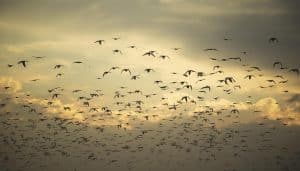
Credit: animals.fandom.com
Frequently Asked Questions
Which Birds Migrate Seasonally Every Year?
Many birds migrate annually, including swallows, geese, and warblers. They travel to find food and better climates during seasons.
Why Do Some Birds Migrate Seasonally?
Birds migrate seasonally to escape harsh winters and find food. Migration helps them survive and reproduce in favorable environments.
How Far Do Seasonal Migrating Birds Travel?
Some birds travel thousands of miles during migration. For example, Arctic terns fly over 12,000 miles between poles annually.
When Do Birds Usually Start Migrating Seasonally?
Most birds begin migration in early spring or late summer. Timing depends on species and environmental conditions like temperature and daylight.
Conclusion
Birds migrate seasonally for survival and breeding. It's a natural rhythm. Each species follows its own path and timing. Some fly thousands of miles, facing challenges. Others move shorter distances, seeking better climates. Migration helps balance ecosystems. It ensures food supply and habitat.
Observing these journeys inspires awe and curiosity. Understanding migration patterns helps with conservation. It aids in protecting bird populations. Every flight tells a story of survival and instinct. As you watch the skies, remember these journeys. They're vital for nature's harmony and diversity.
Appreciate these incredible travelers, our feathered friends on the move.


