
Can Bird of Paradise Grow in the Desert? Tips for Thriving in Arid Climates
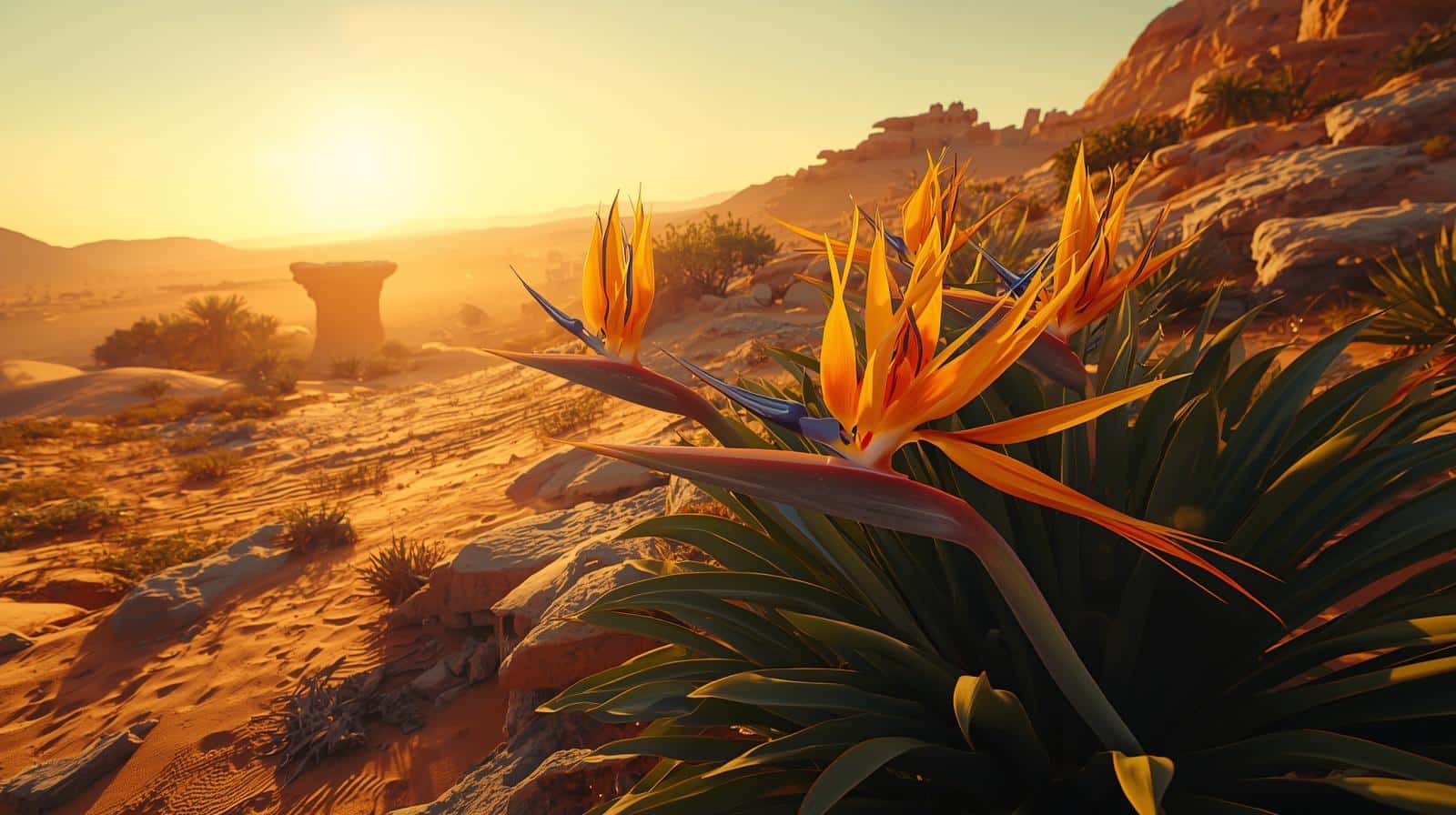
Can Bird of Paradise Grow in the Desert? You might be wondering if this exotic beauty, known for its striking resemblance to a bird in flight, can thrive in the arid conditions of the desert.
Many people ask, Can Bird of Paradise Grow in the Desert? The answer relies on specific care techniques.
Maybe you’re dreaming of adding a touch of the tropics to your desert garden or perhaps you’re just curious about the resilience of this vibrant plant. Whatever your reason, you’re about to discover some fascinating insights. Imagine your outdoor space brimming with the vivid colors of the Bird of Paradise, creating a tropical oasis against the stark desert backdrop.
Understanding whether Can Bird of Paradise Grow in the Desert is crucial for garden enthusiasts.
It’s a captivating thought, isn’t it? But can it really happen? You may have heard that this plant requires humidity and warmth, but what if we told you there’s more to the story? Before you decide whether to bring this tropical beauty into your desert home, let’s explore the possibilities. We’ll delve into the unique needs of the Bird of Paradise, how it can adapt to desert environments, and what you can do to help it flourish. Stay tuned to unlock the secrets of growing this stunning plant in the most unexpected of places.
In this article, we will explore if Can Bird of Paradise Grow in the Desert and how to achieve it.
Bird Of Paradise Basics
The Bird of Paradise is a striking plant known for its unique flowers. It looks like a bird in flight.
This plant grows well in warm places but needs some water. Let’s explore its features and natural home.
Plant Characteristics
The Bird of Paradise has large, banana-like leaves that grow tall. Its flowers have bright orange and blue colors.
The flowers can last a long time and attract birds and insects. The plant can grow up to 5 feet tall.
- Leaves are green and broad
- Flowers look like a flying bird
- Grows between 3 and 5 feet high
- Needs sunlight but not too harsh
- Prefers well-drained soil
Natural Habitat
The Bird of Paradise naturally grows in warm, tropical areas. It thrives in places with plenty of rain and mild winters.
If you are wondering, Can Bird of Paradise Grow in the Desert, consider its native environment.
It does not usually grow in desert conditions because deserts are dry and very hot during the day. It needs some humidity and water.
- Native to South Africa
- Prefers tropical and subtropical climates
- Needs moderate rainfall
- Thrives in humid environments
- Does not tolerate long dry spells
Desert Climate Challenges
Growing Bird of Paradise plants in the desert can be tough. The harsh climate creates many problems for the plant.
To grow well, Can Bird of Paradise Grow in the Desert requires specific conditions.
This section explains three main challenges: temperature extremes, soil conditions, and water scarcity.
Temperature Extremes
Desert temperatures change a lot between day and night. Bird of Paradise plants prefer warm but stable temperatures.
Many want to know if Can Bird of Paradise Grow in the Desert, and here’s what you need to consider.
Very hot days can stress the plant. Cold nights may slow its growth or cause damage.
Soil Conditions
Desert soil is often sandy and low in nutrients. Bird of Paradise needs rich, well-draining soil to grow well.
Understanding if Can Bird of Paradise Grow in the Desert can help gardeners choose wisely.
Poor soil can cause weak roots and poor plant health. Adding compost or organic matter helps improve soil quality.
Water Scarcity
Water is very limited in deserts. Bird of Paradise plants need regular watering to stay healthy.
To find out if Can Bird of Paradise Grow in the Desert, focus on water management strategies.
Without enough water, the plant may wilt and stop blooming. Efficient watering methods help save water.
- Use drip irrigation to reduce water waste
- Water early morning or late evening
- Mulch around the plant to keep soil moist
Adapting Bird Of Paradise To Desert
The Bird of Paradise plant has bright flowers and unique leaves. It usually grows in warm, humid places. Growing it in the desert needs special care. The dry air and hot sun can make it hard for the plant.
When asking, Can Bird of Paradise Grow in the Desert, consider its adaptability.
You can help the Bird of Paradise grow well in the desert. This guide explains how to choose the right types, prepare the soil, and water it correctly.
Selecting Suitable Varieties
Some Bird of Paradise types handle heat and dryness better. Picking a strong variety is key. Look for types that need less water and tolerate sun well.
Choosing the right variety can help determine if Can Bird of Paradise Grow in the Desert successfully.
Strelitzia reginae is common but needs more water. Strelitzia nicolai grows bigger and can handle heat better. Choose plants that fit your desert climate.
- Strelitzia nicolai: better for dry, hot places
- Strelitzia reginae: needs more water and shade
- Look for drought-resistant varieties
Soil Preparation Tips
Desert soil is often sandy and dry. Bird of Paradise needs soil that holds water but drains well. Adding organic matter helps keep moisture and nutrients.
The soil’s moisture retention is essential for understanding if Can Bird of Paradise Grow in the Desert.
Mix compost or peat moss into the soil. This improves the soil texture. Also, check the soil pH. A pH between 5.5 and 7.5 is best for the plant.
- Use organic matter like compost
- Ensure good drainage to avoid root rot
- Check soil pH between 5.5 and 7.5
- Mix soil well before planting
Watering Techniques
Bird of Paradise needs regular watering but dislikes soggy soil. In the desert, water deeply but less often. This helps roots grow strong and reach deep water.
Adjusting watering techniques is crucial for ensuring Can Bird of Paradise Grow in the Desert.
Water early in the morning or late in the evening. This reduces water loss from evaporation. Mulching around the plant keeps soil moist longer.
- Water deeply but allow soil to dry between watering
- Water in early morning or late evening
- Use mulch to keep soil moisture
- Adjust watering in cooler months
Sunlight And Shade Needs
Assessing light exposure is key to knowing if Can Bird of Paradise Grow in the Desert.
Bird of Paradise plants need special light care in the desert. The strong sun can affect their growth.
Finding the right balance of sunlight and shade helps these plants stay healthy.
Optimal Light Exposure
Bird of Paradise plants grow best with bright, indirect light. Too much direct sun can burn their leaves.
They need about 4 to 6 hours of sunlight each day. Morning sun is better than harsh afternoon sun.
-
- Place plants where they get filtered sunlight
- Avoid long exposure to strong, direct sun
- Use light shade to protect leaves
Light management plays a significant role if you’re considering whether Can Bird of Paradise Grow in the Desert.
Creating Shade Solutions
Use shade cloth or garden screens to protect plants from intense sun. These reduce heat and light.
Planting near taller shrubs or trees can also provide natural shade. This helps keep soil moist.
- Set up shade cloth for midday sun protection
- Use pergolas or umbrellas for temporary shade
- Group plants to share shade from larger plants
Fertilizing And Feeding
Bird of Paradise plants can grow in desert areas with the right care. Feeding them properly helps them stay healthy. Fertilizing gives them the nutrients they need to bloom and grow strong.
Fertilization is also an important factor in determining if Can Bird of Paradise Grow in the Desert.
In desert conditions, soil often lacks nutrients. Regular feeding supports the plant’s growth and flower production. Choosing the right fertilizer and following a feeding schedule are important for success.
Choosing The Right Fertilizer
Choosing an appropriate feeding schedule can influence the success of Can Bird of Paradise Grow in the Desert.
Pick a balanced fertilizer with equal parts nitrogen, phosphorus, and potassium. This helps the plant grow leaves, roots, and flowers well. A fertilizer labeled 10-10-10 or 20-20-20 works fine.
Slow-release fertilizers work well in the desert. They feed the plant slowly over time. This reduces the chance of burning the roots in hot, dry soil.
-
- Look for balanced N-P-K ratios like 10-10-10 or 20-20-20
- Use slow-release formulas for steady feeding
- Apply fertilizer designed for flowering plants
Be aware that Can Bird of Paradise Grow in the Desert can be affected by pest management strategies.
Feeding Schedule
Feed Bird of Paradise plants every 6 to 8 weeks during spring and summer. These are their active growing months. Avoid fertilizing in winter when the plant is resting.
Water the plant before applying fertilizer. This helps the nutrients soak into the soil better. Follow the instructions on the fertilizer package for the right amount.
-
- Feed every 6 to 8 weeks in spring and summer
- Do not fertilize in winter
- Water the plant before feeding
- Follow fertilizer package directions for dosage
In the context of growing conditions, Can Bird of Paradise Grow in the Desert is a common inquiry.
Pest And Disease Management
Bird of Paradise plants can grow in desert areas with care. Pests and diseases can harm them if not managed well. Knowing how to protect these plants keeps them healthy.
Desert gardens have unique challenges for pests and diseases. It is important to watch for common problems and act early to save the plants.
Common Issues In Desert Gardens
Bird of Paradise plants in deserts face pests like spider mites and aphids. These tiny insects suck plant juices and cause damage. Fungal diseases may also appear if plants get too wet.
Signs of pests include yellow leaves, spots, and webbing. Fungal problems show as mold or leaf spots. These issues can weaken the plant and slow growth.
- Spider mites cause leaf discoloration and webbing
- Aphids feed on new growth and leaves
- Fungal diseases cause spots and mold on leaves
- Root rot can happen if soil stays too wet
Preventive Measures
Keep Bird of Paradise plants healthy by giving them good care. Water properly and avoid overwatering. This stops root rot and fungal diseases.
Check plants often for pests. Use gentle sprays like insecticidal soap to remove bugs. Remove damaged leaves to stop disease spread.
- Water only when soil is dry to touch
- Use well-draining soil for healthy roots
- Spray insecticidal soap to control pests
- Remove dead or infected leaves regularly
- Place plants where air can flow freely
Seasonal Care Tips
Seasonal care is critical when determining if Can Bird of Paradise Grow in the Desert.
Bird of Paradise plants can survive in desert climates with the right care. They need special attention during hot summers and cold winters. This guide will help you keep your plant healthy all year.
Understanding how to handle extreme temperatures is key. Seasonal care changes help your Bird of Paradise thrive despite desert challenges.
Handling Summer Heat
Summer in the desert is very hot and dry. Your Bird of Paradise needs more water and some shade to stay healthy. Avoid letting the soil dry out completely.
- Water deeply twice a week to keep soil moist
- Use mulch to hold moisture and cool the soil
- Place the plant where it gets morning sun but afternoon shade
- Check leaves for signs of sunburn like brown spots
- Use a spray bottle to mist leaves during peak heat
Winter Protection Strategies
Desert winters can get very cold at night. Protect your Bird of Paradise from frost and freezing temperatures. Covering and moving the plant can save it from damage.
| Protection Method | Details |
|---|---|
| Bring indoors | Move potted plants inside during cold snaps |
| Cover with frost cloth | Use breathable fabric to protect outdoor plants |
| Mulch base | Apply thick mulch to protect roots from freezing |
| Reduce watering | Water less to avoid root rot in cold soil |
| Choose sunny spots | Place plants where they get the most winter sun |
Container Vs. Ground Planting
Bird of Paradise plants can grow in desert climates. Choosing between containers or ground planting affects their success. Each method has benefits and challenges to consider.
Understanding the differences helps you decide the best way to grow this tropical plant in dry areas.
Planting strategies can affect whether Can Bird of Paradise Grow in the Desert.
Benefits Of Container Growing
Growing Bird of Paradise in containers offers more control. You can move the plant to protect it from harsh desert sun or cold nights. Containers also help manage soil quality and watering easily.
- Mobility to avoid extreme heat or frost
- Control over soil type and nutrients
- Better water management to prevent drying out
- Easier to protect from pests
- Ideal for small spaces or patios
Ground Planting Considerations
Planting Bird of Paradise in the ground allows roots to spread wide. It can result in larger plants with more blooms. But desert soil and heat need attention to keep the plant healthy.
Each planting method can provide insights into if Can Bird of Paradise Grow in the Desert.
| Factor | Consideration |
|---|---|
| Soil | Needs well-draining and rich soil to avoid root rot |
| Water | Frequent watering required but avoid standing water |
| Sunlight | Partial shade helps protect leaves from scorching |
| Space | Needs room to grow large roots and leaves |
| Protection | Shield from strong desert winds and cold nights |
Expert Success Stories
Bird of Paradise is a stunning plant. Many wonder if it can grow in desert conditions. Experts have shared their stories growing it in dry areas.
Listener success stories often revolve around the question, Can Bird of Paradise Grow in the Desert?
These success stories show what works best. They help gardeners learn how to care for this tropical plant in hot, dry climates.
Case Studies From Desert Gardeners
One gardener in Arizona planted Bird of Paradise near a shaded patio. She used drip irrigation to keep water steady. The plant grew well after the first year.
Another expert in Nevada used mulch to keep soil moist. He added compost to improve soil quality. His plants bloomed every summer despite the heat.
- Provide partial shade during the hottest hours
- Use drip irrigation for deep watering
- Apply mulch to retain moisture
- Improve soil with organic compost
- Protect young plants from strong winds
Lessons Learned
Understanding lessons learned can support your knowledge of Can Bird of Paradise Grow in the Desert.
| Lesson | Details |
| Watering | Consistent deep watering is better than frequent shallow watering. |
| Soil | Well-drained soil with added organic matter supports growth. |
| Sunlight | Partial shade helps avoid leaf burn in extreme heat. |
| Protection | Windbreaks prevent damage to tall stems and leaves. |

Frequently Asked Questions
Can Bird Of Paradise Survive In Desert Climates?
Common questions cover whether Can Bird of Paradise Grow in the Desert and how to achieve that goal.
Bird of Paradise can survive in desert climates with proper care. It needs regular watering and partial shade to avoid extreme heat stress.
What Soil Type Suits Bird Of Paradise In Deserts?
Well-draining, sandy soil suits Bird of Paradise in deserts. This soil prevents waterlogging and helps roots breathe, essential in arid environments.
How Often Should Bird Of Paradise Be Watered In Deserts?
Water Bird of Paradise deeply once or twice a week in deserts. Adjust frequency based on temperature and soil moisture to prevent dryness.
Does Bird Of Paradise Need Shade In Desert Areas?
Yes, partial shade protects Bird of Paradise from intense desert sun. Morning sun with afternoon shade helps maintain healthy foliage and blooms.
Conclusion
In conclusion, if you wonder, Can Bird of Paradise Grow in the Desert, remember it requires care.
Bird of Paradise plants need warmth and water to thrive. Desert conditions are very dry and hot. You must water the plant often and give some shade. With care, they can grow in desert gardens. Choose a good spot with some sunlight but not too much.
Growing this plant in the desert is possible but needs effort. Enjoy its bright flowers and tropical look. Patience and attention help your plant stay healthy. Desert gardeners can bring a touch of paradise to their homes.
So, Can Bird of Paradise Grow in the Desert? Yes, but it demands attention and effort.



