How to Start a Desert Bird of Paradise: Planting, Care, and Flowering Tips
Are you ready to bring a splash of vibrant color and exotic charm to your garden? Starting a Desert Bird of Paradise is easier than you might think, and it can transform your outdoor space into a stunning tropical paradise.
In this guide on How to Start a Desert Bird of Paradise, we will explore all the essential steps you need to follow to succeed.
Imagine the bright orange and blue flowers standing tall against your desert landscape, attracting attention and admiration. In this guide, you’ll discover simple steps to successfully grow and care for this unique plant, even if you’re new to gardening. Keep reading, and soon your garden will be bursting with the beauty of the Desert Bird of Paradise.
Understanding How to Start a Desert Bird of Paradise is crucial for any gardening enthusiast looking to enhance their landscape.
Choosing The Right Location
Knowing How to Start a Desert Bird of Paradise also means selecting the right location that caters to its needs.
Choosing where to plant your Desert Bird of Paradise is very important. The right location helps the plant grow strong and healthy.
Consider the climate, sunlight, and soil before you start planting. Each factor affects the plant’s growth and flowering.
Climate Requirements
The Desert Bird of Paradise thrives in warm, dry climates. It does not do well in cold or wet areas. This plant prefers places with mild winters and hot summers.
When learning How to Start a Desert Bird of Paradise, remember that climate plays a vital role in its success.
- Temperatures between 65°F and 85°F are ideal
- Protect from frost and freezing temperatures
- Low humidity helps prevent disease
- Good air circulation supports healthy growth
Sunlight Needs
Proper sunlight is another key aspect of How to Start a Desert Bird of Paradise effectively.
The plant needs plenty of sunlight to bloom well. It grows best in full sun but can tolerate some light shade during the hottest part of the day.
| Sunlight Exposure | Effect on Plant |
| Full Sun (6-8 hours) | Best flowering and growth |
| Partial Shade (4-6 hours) | Good growth but fewer flowers |
| Full Shade (Less than 4 hours) | Poor growth and no flowers |
Soil Preferences
When considering soil preferences, ask yourself: How to Start a Desert Bird of Paradise with the right soil mix?
The Desert Bird of Paradise needs well-drained soil. It does not like wet or heavy clay soils. Sandy or loamy soils work best for this plant.
Good soil characteristics include:
- Quick drainage to avoid waterlogging
- Low to moderate fertility
- pH between 6.0 and 7.5
- Added organic matter to improve texture
Selecting Healthy Plants
Choosing healthy plants is key to starting a Desert Bird of Paradise. Good plants grow strong and resist disease.
Choosing healthy plants is vital when learning How to Start a Desert Bird of Paradise.
Look carefully to make sure your plant will thrive in your garden or home.
Seed Vs. Nursery Plants
You can grow Desert Bird of Paradise from seeds or buy nursery plants. Seeds take longer to grow but cost less.
Whether you choose seeds or nursery plants, understand How to Start a Desert Bird of Paradise for best results.
Nursery plants are faster to start and show what the flower will look like. They may cost more.
- Seeds need patience and good soil
- Nursery plants show mature leaves and stems
- Seeds allow you to grow many plants
- Nursery plants give a head start on growth
Identifying Quality Specimens
Identifying quality specimens is crucial in How to Start a Desert Bird of Paradise without issues.
Pick plants that look healthy and strong. Avoid those with wilted or yellow leaves.
| Feature | Good Plant | Poor Plant |
| Leaves | Green and firm | Yellow or brown spots |
| Stems | Strong and upright | Soft or broken |
| Roots | White and spread well | Dark or tangled |
| Pests | No bugs or webs | Visible insects or damage |
Planting Techniques
Starting a Desert Bird of Paradise requires careful planting. Good techniques help the plant grow strong and healthy.
To achieve healthy growth, follow these planting techniques on How to Start a Desert Bird of Paradise.
This guide covers soil preparation, spacing, and planting steps for the best results.
Preparing The Soil
Preparing the soil is one of the most important steps in How to Start a Desert Bird of Paradise.
Desert Bird of Paradise grows best in well-drained soil. The soil should be loose and sandy to avoid water buildup.
Adding organic compost can improve soil nutrients and help the plant establish roots quickly.
- Choose sandy or loamy soil
- Mix in organic compost
- Ensure good drainage
- Remove rocks and debris
Proper Spacing
Give each plant enough space to grow without crowding. Proper spacing helps air flow and sunlight reach the leaves.
Space Desert Bird of Paradise plants about 5 to 7 feet apart for best growth.
- Allow 5 to 7 feet between plants
- Space rows at least 7 feet apart
- Leave room for pruning and maintenance
Planting Steps
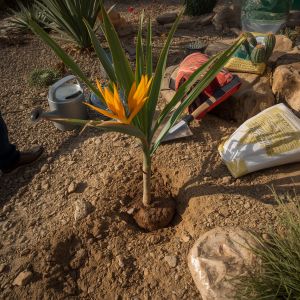
Start by digging a hole twice the size of the root ball. This gives roots room to spread easily.
Place the plant in the hole and fill it with soil. Press gently to remove air pockets, then water well.
- Dig hole twice root ball size
- Set plant in hole carefully
- Fill hole with soil and press lightly
- Water thoroughly after planting
- Add mulch to keep moisture
Watering And Maintenance
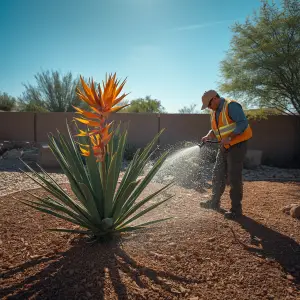
The Desert Bird of Paradise is a tough plant. It needs little water but regular care to grow well.
Maintaining the right water balance is key when understanding How to Start a Desert Bird of Paradise.
Watering and maintenance keep this plant healthy and looking great for a long time.
Irrigation Tips
Water the Desert Bird of Paradise deeply but not often. Let the soil dry between watering.
Avoid overwatering because it can cause root rot and damage the plant.
- Water once every 10 to 14 days in summer
- Reduce watering in winter to once a month
- Use well-draining soil to avoid water buildup
- Check soil moisture before watering
Fertilizing Schedule
Feed your plant to support strong growth. Use a balanced fertilizer with equal parts nitrogen, phosphorus, and potassium.
Fertilize during the growing season from spring to early fall for best results.
- Apply fertilizer every 6 weeks in spring and summer
- Do not fertilize in winter when growth slows down
- Use a slow-release fertilizer or liquid fertilizer diluted in water
- Follow package instructions carefully to avoid burning roots
Pruning And Shaping
Pruning and shaping your plant is an essential part of How to Start a Desert Bird of Paradise successfully.
Prune the plant to keep its shape and remove dead or damaged leaves. This helps it grow strong and healthy.
Cut back old stems in early spring to encourage new growth and more flowers.
- Remove yellow or brown leaves regularly
- Trim stems that grow too tall or wide
- Use clean, sharp scissors or pruning shears
- Wear gloves to protect your hands from sharp edges
Dealing With Pests And Diseases
Growing a Desert Bird of Paradise can be rewarding. You must watch for pests and diseases. These problems can harm your plant’s health and beauty.
Being aware of pests is crucial when you learn How to Start a Desert Bird of Paradise.
Learning how to spot and handle these issues helps keep your plant strong. This guide will cover common problems and ways to treat and prevent them.
Common Issues
Pests like spider mites and aphids often attack Desert Bird of Paradise. These tiny bugs suck sap and weaken the plant. Fungal diseases can also cause leaf spots and rot.
- Spider mites create webbing and cause yellow spots.
- Aphids cluster on new growth, making leaves curl.
- Mealybugs look like small cottony spots on stems.
- Leaf spot fungi create brown or black patches.
- Root rot happens when soil stays too wet.
Natural Remedies
Use natural treatments to control pests without chemicals. These options are safe and easy to apply at home. They help protect the environment and your plant.
- Spray water to remove spider mites and aphids.
- Use insecticidal soap to kill soft-bodied insects.
- Apply neem oil to stop pest growth and fungi.
- Introduce ladybugs to eat harmful insects.
- Remove infected leaves to prevent spread.
Preventive Measures
Preventing pests and diseases is easier than fixing them. Keep your Desert Bird of Paradise healthy with good care and habits. This reduces the risk of problems.
Preventive measures will guide you on How to Start a Desert Bird of Paradise without facing major issues.
- Plant in well-draining soil to avoid root rot.
- Water only when the topsoil is dry.
- Keep leaves dry to stop fungal growth.
- Inspect plants regularly for early signs of pests.
- Clean garden tools to prevent disease spread.
Encouraging Flowering
Encouraging flowering is all about understanding How to Start a Desert Bird of Paradise right.
The Desert Bird of Paradise is a stunning plant that blooms beautifully. To enjoy its flowers, you need to help it grow the right way. Encouraging flowering means giving the plant what it needs to produce bright, colorful blooms.
This guide focuses on two key factors: light and temperature, and nutrients. Both play an important role in helping your plant flower well.
Light And Temperature Influence
Light and temperature affect how well the Desert Bird of Paradise blooms. It needs enough sunlight but not too much heat. Bright light helps the plant make flowers faster.
-
- Place the plant where it gets at least 6 hours of sunlight daily.
- Keep temperatures between 65°F and 80°F for best flowering.
- Protect the plant from strong afternoon sun to prevent leaf burn.
Light and temperature directly influence How to Start a Desert Bird of Paradise and its blooming.
- During colder months, keep the plant indoors or in a warm spot.
Nutrient Boosters
Good nutrients help the plant grow strong and produce more flowers. Using the right fertilizer and feeding schedule can improve blooming.
| Type of Fertilizer | Purpose | Frequency |
| High Phosphorus | Supports flower development | Every 4-6 weeks |
| Balanced (10-10-10) | General growth support | Every 6-8 weeks |
| Liquid Fertilizer | Quick nutrient boost | Every 2 weeks during growing season |
| Slow-release | Long-term feeding | Every 3 months |
Propagation Methods
Desert Bird of Paradise plants grow well using different ways. Propagation helps you grow new plants from existing ones. You can choose the best way for your space and tools.
Exploring propagation methods is also important when discussing How to Start a Desert Bird of Paradise.
Each method has simple steps to follow. Learn about cuttings, division, and seed propagation below.
Cuttings
Cuttings are a fast way to grow new plants. Take a healthy stem from the parent plant. Make sure it has several leaves and no flowers.
Place the cutting in water or moist soil. Keep it warm and bright, but out of direct sun. Roots will start growing in a few weeks.
- Choose a strong, healthy stem
- Cut 4 to 6 inches long
- Remove lower leaves
- Use rooting hormone for better growth (optional)
- Place in water or moist soil
- Keep humidity high and light indirect
Division
Division splits a mature plant into smaller parts. Each part grows roots and becomes a new plant. This works well for plants with many stems.
Carefully remove the plant from the pot or ground. Separate the roots and stems gently. Plant each section into new pots with fresh soil.
- Water the plant a day before dividing
- Lift the plant from soil carefully
- Use hands or a knife to divide roots
- Ensure each part has roots and stems
- Plant divisions in pots with good soil
- Water well after planting
Seed Propagation
When you think about planting methods, consider How to Start a Desert Bird of Paradise effectively.
Growing from seeds takes longer but gives more plants. Collect seeds from mature pods. Soak seeds overnight to help sprouting.
Plant seeds in small pots with light soil. Keep soil moist and warm. Germination can take a few weeks. Thin seedlings to keep the strongest.
- Collect seeds from dry seed pods
- Soak seeds in water for 12 hours
- Use a seed tray or small pots
- Plant seeds 1/4 inch deep in soil
- Keep soil moist but not wet
- Provide warmth and indirect light
- Thin seedlings after sprouting
Seasonal Care Tips
Seasonal care tips are crucial in understanding How to Start a Desert Bird of Paradise throughout the year.
The Desert Bird of Paradise is a striking plant that needs special care through the seasons. Proper attention helps it grow strong and bloom beautifully.
This guide covers key tips for winter protection and summer management. Follow these steps to keep your plant healthy all year.
Winter Protection
During winter, cold weather can harm the Desert Bird of Paradise. Protect it from frost and freezing temperatures to avoid damage.
- Move potted plants indoors or to a sheltered area
- Cover outdoor plants with frost cloths or blankets
- Reduce watering to prevent root rot in cold soil
- Remove dead leaves to improve air circulation
- Apply mulch around the base to keep roots warm
Summer Management
Summer heat requires careful water and sun management. The plant thrives with the right balance of moisture and shade.
| Care Task | Recommendation |
| Watering | Water deeply twice a week in hot weather |
| Sunlight | Provide partial shade during peak afternoon sun |
| Feeding | Use a balanced fertilizer every 6 weeks |
| Pruning | Trim dead or yellow leaves to encourage growth |
Frequently Asked Questions
How To Plant Desert Bird Of Paradise Seeds?
To plant Desert Bird of Paradise seeds, first, soak them in warm water for 24 hours. Choose a sunny location with well-draining soil. Plant the seeds 1/2 inch deep and water them thoroughly. Keep the soil moist until germination, which usually takes 2 to 3 weeks.
To plant Desert Bird of Paradise seeds, remember the steps outlined in How to Start a Desert Bird of Paradise.
What Is The Ideal Soil For Desert Bird Of Paradise?
The ideal soil for Desert Bird of Paradise is well-draining and sandy. This plant thrives in poor, dry soils and doesn’t require much organic matter. Ensure the soil is slightly acidic to neutral. Avoid heavy clay soils, as they retain too much moisture and can lead to root rot.
Knowing the ideal soil for Desert Bird of Paradise is key to understanding How to Start a Desert Bird of Paradise correctly.
How Often Should I Water Desert Bird Of Paradise?
Water Desert Bird of Paradise regularly during its first growing season. This helps establish a deep root system. Once established, it is drought-tolerant and requires watering only during prolonged dry periods. Avoid overwatering, as this plant prefers dry conditions and can suffer from root rot.
Understanding how often to water is part of learning How to Start a Desert Bird of Paradise successfully.
Can Desert Bird Of Paradise Grow In Containers?
Yes, Desert Bird of Paradise can grow in containers. Choose a large container with drainage holes and use a well-draining potting mix. Place the container in a sunny location. Water regularly, but allow the soil to dry between waterings. Container plants may need more frequent watering than garden plants.
Container gardening also applies to How to Start a Desert Bird of Paradise, allowing flexibility and beauty.
Conclusion
Starting a Desert Bird of Paradise is simple with the right steps. Recognize that How to Start a Desert Bird of Paradise involves choosing a sunny spot and well-drained soil. Water it carefully, not too much or too little. Watch your plant grow with patience and care. Each leaf and flower shows your effort.
The journey of How to Start a Desert Bird of Paradise is fulfilling, as you witness growth and beauty unfold.
Enjoy the beauty and unique look it brings. Growing this plant adds life to your garden. Try it and see how nature rewards you. Keep learning and caring, and your plant will thrive.