
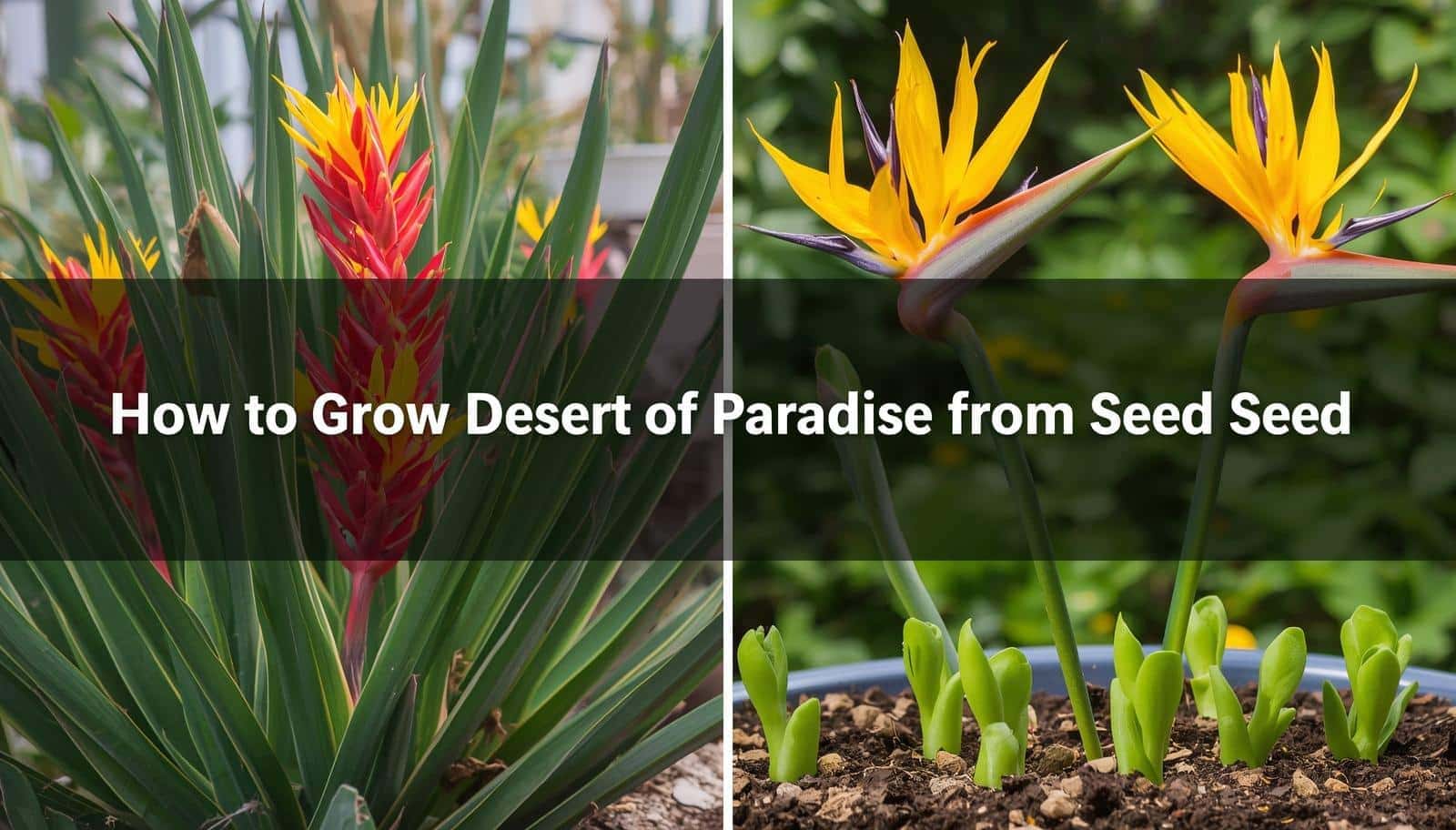
If you’ve ever admired the striking beauty of the Desert Bird of Paradise and wished you could grow one yourself, How to Grow Desert Bird of Paradise from Seed is easier than it may seem. Growing this stunning plant from seed might look tricky, but with the right steps, you can turn your garden into a vibrant oasis.
Imagine watching your own Desert Bird of Paradise bloom, adding color and life to your outdoor space. Keep reading, and you’ll discover simple, effective tips that make growing this unique plant easier than you think. Your garden’s next showstopper is just a seed away!

Credit: nativegardeners.com
Seed Selection
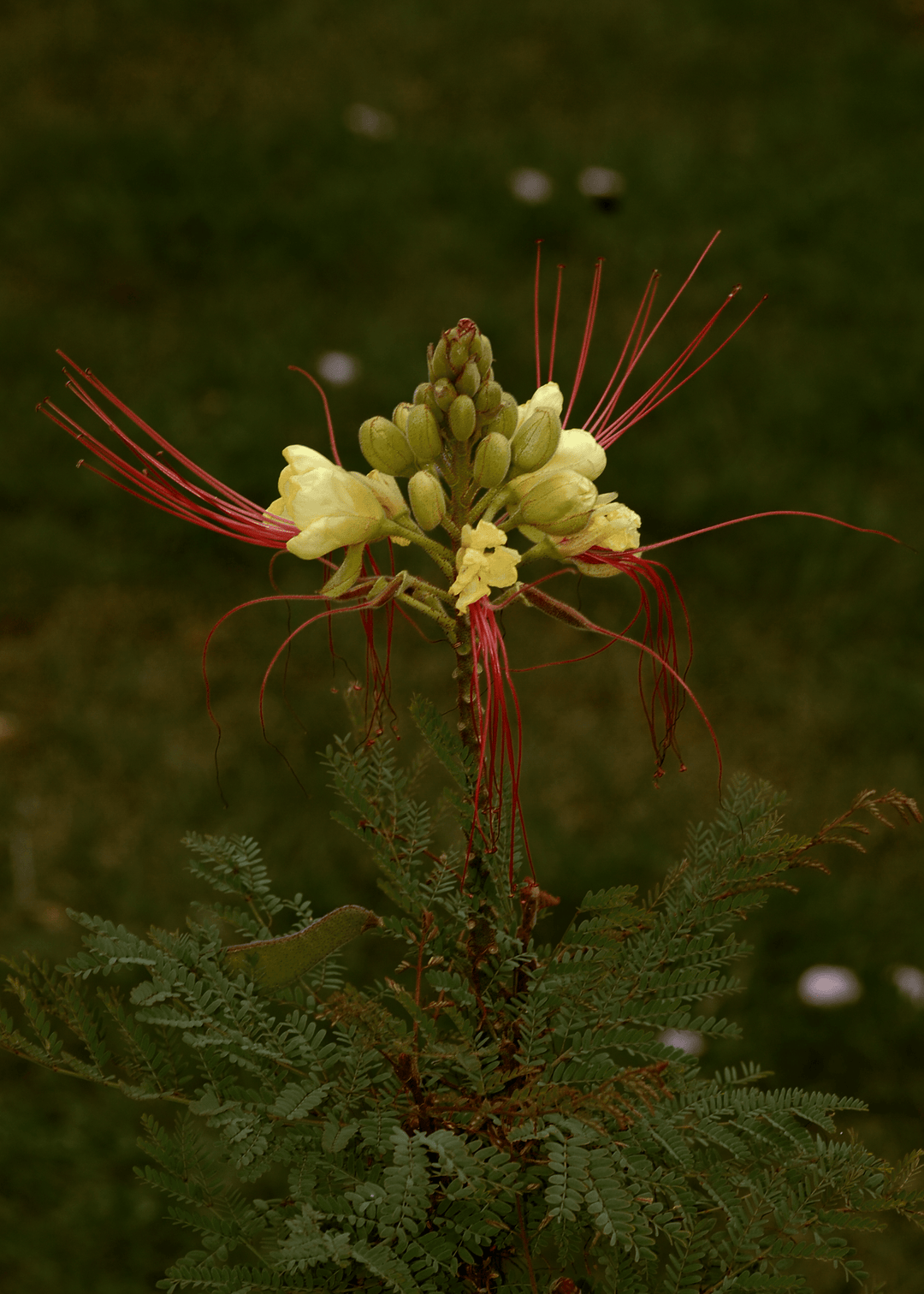
Growing Desert Bird of Paradise from seed starts with choosing the right seeds. Good seed selection helps plants grow strong and healthy.
Understanding what makes quality seeds and where to find them can improve your chances of success.
Choosing Quality Seeds
Pick seeds that look healthy and whole. Avoid seeds that are broken, shriveled, or discolored. Fresh seeds usually germinate better.
- Choose seeds with a smooth, firm shell
- Avoid seeds with cracks or holes
- Look for seeds that are plump and heavy
- Check the seed packet for the harvest date
- Use seeds stored in a cool, dry place
Where To Buy Seeds
Buy seeds from reliable sources to ensure quality and true-to-type plants. Some sellers specialize in desert plants and offer better seed quality.
| Source | Advantages | What to Check |
|---|---|---|
| Local nurseries | Seeds adapted to your area | Seed freshness and storage conditions |
| Online seed stores | Wide variety and rare types | Seller reviews and seed origin |
| Seed exchanges | Free or low cost, community tested | Seed quality and viability |
Credit: nativegardeners.com
Seed Preparation
Growing Desert Bird of Paradise from seed needs good seed preparation. Seeds have a hard shell that slows water absorption.
Preparing seeds before planting helps them sprout faster and stronger. Soaking and scarification are common ways to prepare seeds.
Soaking Techniques
Soaking seeds softens the hard shell. This makes it easier for the seed to take in water and start growing.
Use warm water to soak the seeds for about 24 hours. Change the water if it gets cloudy to keep it clean.
- Use room temperature or slightly warm water
- Soak seeds for 12 to 24 hours
- Do not soak more than 24 hours to avoid rotting
- Rinse seeds before planting
Scarification Methods
Scarification means scratching or weakening the seed coat. This helps water enter the seed more easily.
There are simple ways to scarify Desert Bird of Paradise seeds. You can use sandpaper or nick the seed with a knife.
- Rub seeds gently with fine sandpaper
- Make a small cut on the seed coat with a knife
- Avoid damaging the seed inside
- Scarify seeds before soaking for best results
- Botanists explain the hard coat: “The seeds of the Desert Bird of Paradise (Caesalpinia gilliesii) possess what we call physical dormancy. The seed coat is impermeable to water, an evolutionary adaptation to survive years of drought in the desert. Without mechanical scarification (scratching) to break this seal, the seed could sit in moist soil for years without ever germinating, waiting for the abrasion of a flash flood to wake it up.”
Planting Seeds
Growing Desert Bird of Paradise from seed takes patience and care. You need to plant seeds in the right way to help them grow strong.
Understanding the soil, planting depth, and location will improve your chances of success.
Best Soil Mix
Use a soil mix that drains well and holds some moisture. Desert Bird of Paradise seeds need a balance of air and water around their roots.
- One part sandy soil
- One part potting soil
- One part perlite or pumice
- Optional: small amount of compost
Ideal Planting Depth
Plant seeds at the right depth to help them sprout. Too deep and they may not get enough light. Too shallow and they may dry out.
| Seed Size | Planting Depth |
| Large (like Desert Bird of Paradise) | About 1 inch (2.5 cm) |
| Small | Half inch (1.3 cm) or less |
Pot Vs Ground Planting
You can start seeds in pots or plant directly in the ground. Each method has benefits and things to watch for.
- Easy to control soil and water
- Protects young plants from pests
- Can move pots to find the best light
- Plants can grow larger roots
- Less need to water frequently
- Better for permanent planting
Germination Tips
Growing Desert Bird of Paradise from seed can be rewarding. It needs the right care to sprout well.
Follow simple steps to improve germination success and grow healthy plants.
Temperature Requirements
Seeds need warm soil to start growing. Keep the temperature between 70°F and 85°F.
Too cold or too hot soil can stop seeds from sprouting. Use a heat mat if needed.
Watering Schedule
Keep the soil moist but not soaking wet. Water lightly every few days to keep it damp.
Overwatering can cause seeds to rot. Use a spray bottle to water gently and evenly.
Light Conditions
Place seeds where they get bright, indirect light. Direct sunlight can be too strong for seedlings.
Good light helps seeds grow faster and stronger. Avoid dark or shaded spots for germination.
Seedling Care
Growing Desert Bird of Paradise from seed needs careful attention. Seedlings require proper care to grow healthy and strong.
Focusing on thinning, fertilizing, and pest control helps young plants thrive in their early stages.
Thinning Seedlings
Thin seedlings when they have two sets of true leaves. This reduces crowding and allows space to grow.
- Choose the strongest seedlings to keep.
- Use scissors to cut weaker ones at soil level.
- Leave about 4 to 6 inches between seedlings.
Fertilizing Young Plants
Young plants need light feeding to support growth. Use a balanced fertilizer diluted to half strength.
| Fertilizer Type | Frequency | Notes |
| Balanced (10-10-10) | Every 2 weeks | Use half strength solution |
| Liquid Seaweed | Monthly | Supports root growth |
| Slow-release Granules | Once after thinning | Feeds over time |
Pest And Disease Control
Watch seedlings for common pests like aphids and spider mites. Early action prevents damage.
- Check leaves regularly for spots or insects.
- Use insecticidal soap spray if pests appear.
- Keep soil dry to avoid fungal diseases.
- Remove infected leaves to stop spread.
Transplanting
Transplanting desert bird of paradise seedlings helps them grow strong and healthy. It moves young plants from seed trays to bigger pots or the garden.
Proper transplanting ensures the roots have enough space and the plant gets enough nutrients and water.
When To Transplant
Transplant the seedlings when they have at least two sets of true leaves. This stage shows the plant is strong enough for a bigger space.
Usually, this happens four to six weeks after germination. Avoid transplanting if the weather is too cold or very hot.
Preparing The Site
Choose a sunny spot with well-draining soil for the desert bird of paradise. The soil should be sandy or loamy to prevent waterlogging.
Clear weeds and loosen the soil to a depth of about 12 inches. Add compost or organic matter to improve soil fertility.
- Select a site with at least 6 hours of sunlight daily
- Make sure soil drains well to avoid root rot
- Loosen soil and remove debris before planting
- Add compost to enrich the soil
Handling Transplants
Gently remove seedlings from their containers. Avoid pulling by the stem to protect the roots and the plant.
Dig a hole slightly larger than the root ball. Place the seedling carefully and fill the hole with soil, pressing lightly to remove air pockets.
- Water the seedlings right after transplanting
- Avoid transplanting on windy or very hot days
- Keep soil moist but not soggy after transplanting
- Handle plants gently to avoid damage
Ongoing Growth
Growing Desert Bird of Paradise from seed is just the start. Caring for mature plants helps them thrive. Proper ongoing growth care keeps your plant healthy.
Learn how to water, prune, and care for your plant through the seasons. These steps support strong growth and bright flowers.
Watering Mature Plants
Desert Bird of Paradise needs less water once mature. Overwatering can harm roots. Water deeply but allow soil to dry between watering.
- Water every 7 to 10 days in hot weather
- Reduce watering in cooler months
- Check soil moisture before watering
- Use well-draining soil to avoid root rot
Pruning Techniques
Pruning helps shape the plant and remove dead parts. It also encourages new growth and more flowers. Use clean tools to avoid damage.
- Cut back dead or damaged stems
- Trim to maintain desired size and shape
- Prune after flowering to boost bloom next season
- Avoid heavy pruning in late fall or winter
Seasonal Care
Seasonal changes affect your plant’s needs. Adjust care to match temperature and weather conditions.
| Season | Care Tips |
| Spring | Increase watering and start fertilizing |
| Summer | Water deeply and prune after blooms fade |
| Fall | Reduce watering and stop fertilizing |
| Winter | Protect from frost and keep soil mostly dry |
Troubleshooting
Growing Desert Bird of Paradise from seed can be a rewarding experience. You may face some challenges along the way.
This guide helps you fix common problems with growth, pests, and diseases.
Common Growth Issues
Seeds may take long to sprout or fail to grow well. Lack of sunlight or poor soil can cause weak plants.
Check if the soil drains well. Too much water can rot seeds. Dry soil can stop germination.
- Use sandy, well-drained soil
- Keep soil moist but not wet
- Place seeds in bright, indirect sunlight
- Be patient; germination can take weeks
Dealing With Pests
Pests like aphids and spider mites may attack young plants. They suck sap and weaken the plant.
Check leaves often for small insects or webbing. Early removal stops damage.
- Wash plants gently with water to remove pests
- Use insecticidal soap if infestation is bad
- Keep plants clean and remove dead leaves
- Place plants where air circulates well
Preventing Diseases
Fungal diseases can harm seedlings. Too much moisture and poor air flow cause mold and rot.
Use clean pots and fresh soil. Water plants only when soil feels dry on top.
- Avoid overwatering to prevent root rot
- Keep leaves dry by watering soil only
- Space plants to improve air flow
- Remove any diseased or dead parts quickly
Credit: www.homesandgardens.com
Frequently Asked Questions
How Long Does It Take To Grow Desert Bird Of Paradise From Seed?
Growing Desert Bird of Paradise from seed typically takes 2 to 3 weeks for germination. Seedlings develop fully in about 6 to 12 months under ideal conditions. Patience and proper care during early growth stages are essential for healthy plants.
What Is The Best Soil For Desert Bird Of Paradise Seeds?
Well-draining sandy or loamy soil is best for Desert Bird of Paradise seeds. The soil should be slightly acidic to neutral with a pH of 6. 0 to 7. 5. Good drainage prevents root rot and supports healthy seedling growth.
How Often Should I Water Desert Bird Of Paradise Seedlings?
Water seedlings moderately, keeping the soil moist but not waterlogged. Water every 2 to 3 days during germination. Once established, reduce watering to once a week, allowing soil to dry slightly between sessions to prevent overwatering.
Do Desert Bird Of Paradise Seeds Need Pre-treatment Before Planting?
Yes, scarify or soak the seeds in warm water for 24 hours before planting. This softens the hard seed coat and improves germination rates. Pre-treatment helps seeds sprout faster and more uniformly.
Conclusion
Growing Desert Bird of Paradise from seed is rewarding and simple. Follow the steps carefully for best results. Ensure soil is well-draining and sunlight is abundant. Water consistently, but avoid overwatering. Patience is key; seeds take time to germinate. Watch for signs of growth and nurture young plants.
Enjoy the vibrant blooms and unique beauty they offer. With care, your garden will thrive, showcasing this stunning plant. Remember, practice makes perfect. Soon, your efforts will bloom beautifully. Celebrate your green thumb success! Happy gardening!



