Are you ready to give your Desert Bird of Paradise a fresh start? Transplanting this stunning plant can boost its growth and brighten up your garden.
But if you’re unsure where to begin, don’t worry—you’re about to learn simple steps that make the process easy and successful. Keep reading, and you’ll discover how to move your Desert Bird of Paradise without stress or damage, so it thrives in its new home.
Your garden—and your plant—will thank you.
Credit: www.gardeningknowhow.com
Choosing The Right Time
Transplanting a Desert Bird of Paradise needs care. Picking the right time helps the plant grow well.
Knowing when to move the plant reduces stress. It keeps the roots safe and the leaves healthy.
Best Season For Transplanting
The best season to transplant a Desert Bird of Paradise is spring or early summer. The weather is warm but not too hot.
During these seasons, the plant is active and can recover faster from transplant shock. Avoid cold or very hot months.
- Spring offers moderate temperatures and more rain
- Early summer provides warm soil for root growth
- Avoid transplanting in winter or peak summer heat
Signs Your Plant Is Ready
Your Desert Bird of Paradise shows signs it needs transplanting. Watch for these clues to pick the right moment.
Look for slow growth or roots growing outside the pot. The plant may also lean or look crowded.
- Roots visible on the soil surface or pot holes
- Plant growth slows despite good care
- Leaves look crowded or the plant leans
- Water drains quickly after watering
Preparing The Plant
Transplanting a Desert Bird of Paradise needs careful preparation. This helps the plant stay healthy after moving.
Preparing the plant makes the transplant less stressful. It improves its chance to grow well in the new spot.
Trimming And Pruning Tips
Trim old leaves and dead parts before transplanting. This reduces water loss and helps the plant focus on new growth.
Cut back long stems to make the plant easier to handle. Use clean, sharp tools to avoid damage and infection.
- Remove brown or yellow leaves
- Cut broken or weak stems
- Trim to keep a balanced shape
- Disinfect pruning tools before use
Watering Before Transplant
Water the plant well one day before transplanting. This helps the roots stay moist and strong during the move.
A wet root ball reduces stress and helps the plant adjust faster to its new location.
- Water deeply to soak the soil around roots
- Avoid overwatering to prevent root rot
- Check soil moisture before digging up the plant
Selecting The New Location
Choosing the right spot is important when transplanting a Desert Bird of Paradise. The plant needs a place that helps it grow strong and healthy.
Look for a location that meets the plant’s natural needs. This will make the transplanting process easier and the plant will settle quickly.
Soil Requirements
The Desert Bird of Paradise grows best in well-draining soil. It does not like to sit in water or soggy soil. This can cause root rot.
The soil should be sandy or loamy. It should allow water to flow through quickly but still hold some moisture for the plant.
- Use sandy or loamy soil
- Ensure soil drains water fast
- Avoid heavy clay soils
- Check that soil is not too compacted
Sunlight And Temperature Needs
The plant needs full sunlight to thrive. It should get at least six hours of direct sun each day. This helps it bloom and grow well.
The Desert Bird of Paradise prefers warm temperatures. It grows best in areas where it stays above 50°F (10°C). Avoid cold drafts or frost.
- Place in full sun, six hours minimum
- Ideal temperature above 50°F (10°C)
- Protect from frost and cold winds
Digging And Removing The Plant
Transplanting a Desert Bird of Paradise needs careful digging and removal. This helps the plant stay healthy after moving.
Follow the right steps to protect the roots and make the move easier for the plant.
How To Dig Properly
Start digging around the plant at least 12 inches away from the base. This keeps roots safe.
Dig deep enough to get under the root ball. Use a sharp spade or shovel for clean cuts.
- Clear the ground of grass and debris
- Dig a circle around the plant
- Work carefully to avoid breaking roots
- Dig deep to loosen the root ball
Handling The Root Ball
Lift the plant gently with the root ball intact. Keep the soil around the roots to stop damage.
Wrap the root ball with burlap or cloth if you need to move it far. This keeps roots moist and safe.
- Use both hands to lift the plant
- Keep the root ball firm and whole
- Wrap the roots for long moves
- Place the plant in a shaded area if waiting to transplant
Planting In The New Spot
Transplanting a desert bird of paradise needs care. Choosing the right spot helps the plant grow strong. Prepare the area well before planting.
Understanding how deep and far apart to plant affects its health. Also, soil quality and mulch keep the roots safe and moist.
Planting Depth And Spacing
Plant the desert bird of paradise at the same depth it grew before. Dig a hole slightly wider than the root ball. Make sure the roots have enough space to spread out.
- Dig a hole twice as wide as the root ball
- Keep the root crown level with the soil surface
- Space plants 6 to 8 feet apart for good air flow
- Gently loosen roots before planting if they are tightly bound
Soil Amendments And Mulching
Desert bird of paradise prefers well-draining soil. Adding soil amendments improves water retention and nutrients. Mulch helps keep moisture and controls weeds.
| Soil Amendment | Purpose | Amount to Add |
| Compost | Improves nutrients | 1 part per 3 parts soil |
| Perlite | Improves drainage | 1 part per 4 parts soil |
| Coarse Sand | Prevents compaction | 1 part per 4 parts soil |
Spread 2 to 3 inches of mulch around the base. Keep mulch a few inches away from the stem. This prevents rot and pests.
Aftercare And Maintenance
Transplanting a Desert Bird of Paradise needs care to help it grow well. Proper aftercare keeps the plant healthy and strong.
Focus on watering, feeding, and watching for signs of stress to support the plant after moving it.
Watering Schedule
Water the plant deeply right after transplanting. This helps settle the soil around the roots.
Keep the soil moist but not soggy. Water every few days for the first two weeks. Then, reduce watering as the plant grows.
- Water once or twice a week after first two weeks
- Adjust frequency if weather is very hot or dry
- Check soil moisture before watering
Fertilizing Tips
Wait about one month after transplanting before fertilizing. This lets the plant recover from stress.
Use a balanced fertilizer with equal parts nitrogen, phosphorus, and potassium. Feed the plant every 6 to 8 weeks during growing seasons.
- Choose slow-release or water-soluble fertilizer
- Follow package instructions for amounts
- Stop fertilizing in winter when growth slows
Monitoring For Stress
Watch the plant closely for signs of stress like wilting, yellow leaves, or leaf drop. These signs mean the plant needs help.
Check soil moisture, sunlight exposure, and pests regularly. Adjust care based on what you observe to keep the plant healthy.
- Wilting may mean too little water
- Yellow leaves can show overwatering or nutrient issues
- Look for pests like spider mites or aphids
- Move plant to shade if sun is too strong
Common Problems And Solutions
Transplanting a Desert Bird of Paradise can be tricky. This plant may face stress and pests after moving.
Knowing common problems helps you keep the plant healthy. Here are some issues and how to fix them.
Dealing With Transplant Shock
Transplant shock happens when the plant struggles to adjust to a new spot. Leaves may turn yellow or wilt.
To reduce shock, water the plant well after transplanting. Keep it in a shaded area for a few days.
- Water deeply but avoid waterlogging
- Use mulch to keep soil moist
- Protect from strong sun and wind
- Wait to fertilize until new growth appears
Pest And Disease Management
Desert Bird of Paradise plants can attract pests like spider mites and scale insects. Diseases can also affect leaves and stems.
Check your plant often for signs of pests or disease. Early action stops problems from spreading.
- Remove pests by hand or wash with water
- Use insecticidal soap if needed
- Trim damaged or diseased leaves
- Ensure good air flow around the plant
- Avoid overwatering to prevent root rot
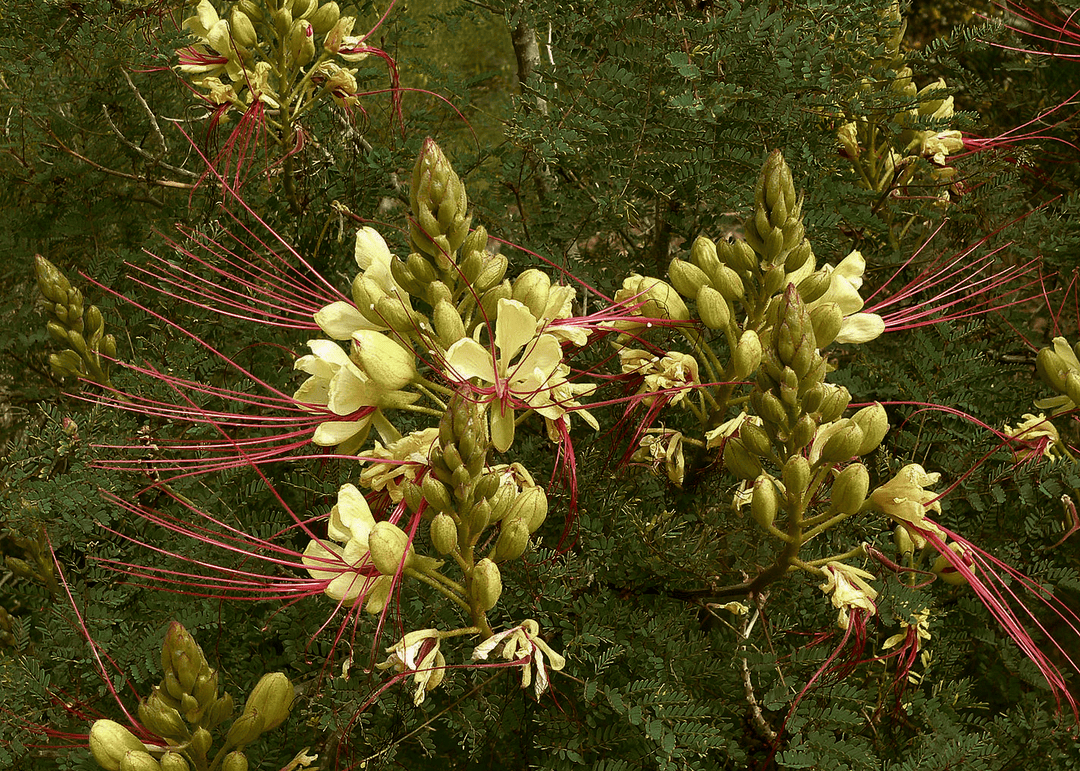
Credit: nativegardeners.com
Credit: nativegardeners.com
Frequently Asked Questions
How Do I Prepare Desert Bird Of Paradise For Transplanting?
Before transplanting, water the plant deeply a day prior. This helps reduce transplant shock and makes root removal easier. Choose a cool, shaded day for best results.
When Is The Best Time To Transplant Desert Bird Of Paradise?
Transplant during early spring or fall when temperatures are mild. Avoid extreme heat to reduce stress on the plant. This timing promotes faster recovery and growth.
What Soil Type Suits Desert Bird Of Paradise After Transplant?
Use well-draining soil with sandy or loamy texture. Ensure soil is slightly acidic to neutral, with a pH of 6. 0 to 7. 5. Good drainage prevents root rot.
How Deep Should I Plant Desert Bird Of Paradise?
Plant at the same depth as it was in the original location. Avoid planting too deep to prevent stem rot. Firm soil gently around the roots for stability.
Conclusion
Transplanting a Desert Bird of Paradise can be simple with care. Choose a sunny spot. Ensure well-drained soil for healthy growth. Water the plant regularly, but avoid overwatering. Protect roots during the transplanting process. Be gentle and patient. The plant may take time to adjust.
Watch for signs of stress and address issues quickly. With a little effort, your plant will thrive. Enjoy the vibrant beauty it brings. A wonderful addition to any garden setting.