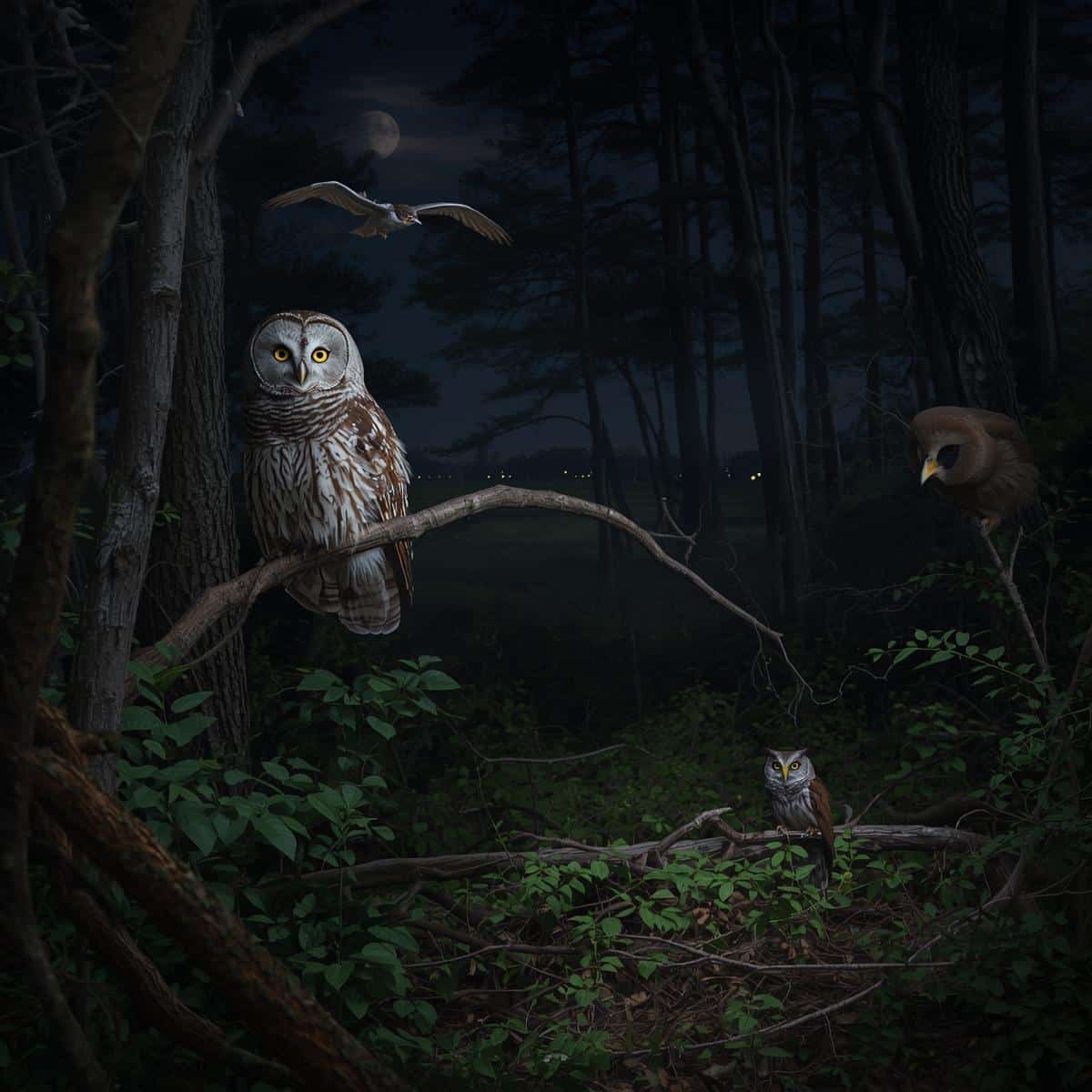
Have you ever been woken up by strange sounds outside your window in Northern New Jersey? You’re not alone.
Many people wonder, “What bird makes noise at night in Northern NJ? ” Those nighttime calls can be mysterious and even a little unsettling. But once you know which birds are behind those sounds, you’ll start to see your neighborhood in a whole new light.
Keep reading, and you’ll discover the surprising birds that come alive when the sun goes down—and why they choose to sing when most of us are asleep.
Credit: abcbirds.org
Common Night Birds In Northern Nj
Many birds make noise at night in Northern New Jersey. These birds are active when most are asleep.
Listening to night birds can help you identify them. They have unique calls and sounds.
Owls
Owls are the most known night birds in Northern NJ. They hunt small animals in the dark. Common owls here include the Great Horned Owl and Eastern Screech Owl. Their hoots are easy to hear. Knowing about nocturnal birds northern nj can make these encounters even more rewarding.
-
Great Horned Owl: deep, hooting calls
-
Eastern Screech Owl: soft, trilling sounds
-
Barred Owl: loud, rhythmic hoots
Nighthawks
Nighthawks are active at dusk and night. They fly fast and catch insects in the air.
Their calls sound like a sharp "peent" or a buzzing noise. You might hear them near open fields.
- Common Nighthawk: sharp "peent" sound
- Flight is low and swooping
- Often found near city lights
Whip-poor-wills
Whip-poor-wills are secretive night birds. Their name comes from their call, which repeats quickly. They live in forests and make a loud, clear "whip-poor-will" sound. This call can last for minutes. Many homeowners search for birds that make noise at night northern nj when they first hear this persistent song.
-
Whip-poor-will: repeating call with three syllables
-
Prefers wooded areas
-
Active mostly at night
Owls: Masters Of The Night
Owls are well-known birds that make noise at night in Northern NJ. Their calls often echo through the dark woods and quiet neighborhoods. These birds help control pests and add mystery to the night.
Three common owls you may hear are the Eastern Screech Owl, Barred Owl, and Great Horned Owl. Each has its own unique calls and habits. Let’s explore their sounds and traits.
Eastern Screech Owl
The Eastern Screech Owl is small but loud. It often makes a trilling or whinnying sound. These noises can last several seconds and vary in pitch.
- Size: About 6-10 inches tall
- Color: Gray or reddish-brown
- Call: Soft trill or descending whinny
- Habitat: Wooded areas and city parks
Barred Owl
The Barred Owl has a deep hooting call. It sounds like “Who cooks for you? Who cooks for you all?” This owl is larger and often heard near rivers and forests. Understanding the variety of night birds in northern nj helps residents appreciate the local ecosystem.
| Feature | Description |
| Size | 16-25 inches tall |
| Color | Brown with white bars |
| Call | Deep hoots in pairs |
| Habitat | Dense woods and swamps |
Great Horned Owl
The Great Horned Owl is the largest of these three. It has a deep, loud hoot that sounds like “hoo-h’HOO-hoo-hoo.” This call is used to mark territory at night.
- Great Horned Owls have ear tufts that look like horns.
- They hunt at night using sharp talons and excellent hearing.
- Their call is one of the most common owl sounds in North America.
Nighthawks And Their Calls
In Northern New Jersey, the night holds many sounds. One bird stands out with its unique calls. The common nighthawk is often heard at dusk and night.
This bird’s calls help people identify it easily in the dark. Understanding these sounds can make nighttime walks more interesting.
Identifying The Common Nighthawk
The common nighthawk has long, slender wings with white patches. It is about 9 to 10 inches long. It usually flies low at dusk and dawn. Identifying owls in northern new jersey is often easier than spotting these swift fliers.
-
Long, pointed wings with white bands
-
Grayish-brown body with mottled patterns
-
Large eyes adapted for night vision
-
Swift, erratic flight pattern
-
Often seen flying over open areas and city lights
Call Patterns And Sounds
The nighthawk’s call is a sharp, nasal "peent" sound. It repeats this call while flying. During dives, it makes a booming noise with its wings.
| Call Type | Description | When Heard |
| Peent | Sharp, nasal single note | While flying at dusk |
| Booming | Low, hollow sound from wingbeats | During steep dive |
| Chatter | Rapid, soft calls | Near nesting sites |
Whip-poor-will’s Distinctive Song
The Whip-poor-will is a bird known for its unique nighttime call. It is common in Northern New Jersey. The bird’s song sounds like its name, “whip-poor-will.”
People often hear this bird singing at night. Its call is a key part of the night sounds in wooded areas.
Habitat And Behavior
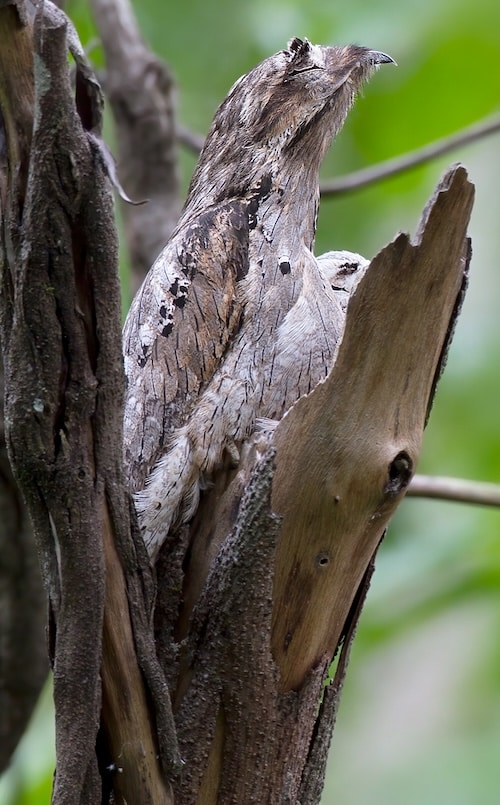
Whip-poor-wills live in forests with open spaces and near fields. They are most active at dusk and night. During the day, they rest on the ground, blending well with leaves.
- Prefer mixed woodlands and forest edges
- Use open ground for nesting
- Feed mostly on moths and other flying insects
- Fly silently while hunting at night
Listening Tips
To hear the Whip-poor-will, find a quiet spot near woods at night. Their call repeats clearly and can last for several minutes. Listening in the early evening is best.
| Time | Best Place | What to Listen For |
| After sunset | Woodland edges | Clear "whip-poor-will" calls |
| Early night | Open fields near forests | Repeated, rhythmic song |
| Late night | Quiet forest areas | Soft, echoing calls |
Other Nocturnal Bird Sounds
Many birds make sounds at night in Northern New Jersey. These calls help them find mates and mark their territory. Nighttime bird sounds create a unique soundscape in the dark.
Besides the well-known owls, several other birds sing or call after sunset. Listening carefully can reveal these lesser-known sounds.
Common Nighttime Songbirds
Some songbirds sing at night to compete for mates or defend space. These birds often sing softly but clearly in the dark.
- Eastern Whip-poor-will: Their call sounds like a fast “whip-poor-will” repeated.
- Northern Mockingbird: They mimic other birds and make varied sounds at night.
- Common Yellowthroat: This bird makes a sharp “witchety-witchety” call after dark.
- Gray Catbird: Known for cat-like mewing noises during the night.
Frogs And Insects Vs. Birds
Night sounds in Northern NJ include frogs and insects along with birds. Their calls can be confused but each has distinct patterns.
| Animal | Sound Description | Typical Time |
| Spring Peeper Frog | High-pitched peeping sounds | Late evening to night |
| Cricket | Steady chirping rhythm | Night |
| Owls | Deep hoots or screeches | Night |
| Whip-poor-will | Repeated “whip-poor-will” call | Night |

Credit: www.reddit.com
Reasons For Nighttime Bird Calls
Birds in Northern New Jersey often call at night for several key reasons. These sounds help them survive and thrive in their environment.
Understanding why birds make noise at night can reveal much about their behavior and needs.
Territorial Calls
Many birds use nighttime calls to mark their territory. These sounds warn other birds to stay away from their space. It helps reduce fights and keeps their area safe for food and nesting.
Mating And Communication
Birds also call at night to find mates and keep in touch with their partners. These calls can show strength and attract attention.
- Attracting a mate with unique calls
- Keeping contact with a partner or young
- Showing readiness to breed
Navigation
Some birds call at night to help with navigation. Night calls can guide them during flight or while moving around in the dark.
| Bird Behavior | Purpose of Night Calls |
|---|---|
| Territorial Calls | Defend area and warn others |
| Mating Calls | Attract mates and communicate |
| Navigation Calls | Guide movements in the dark |
Tips For Spotting Night Birds
Night birds in Northern NJ are active when most people sleep. Listening for their calls helps you find them. Using the right tools and safety steps makes the experience better.
Some birds are easy to hear but hard to see. Learning when and how to listen increases your chances of spotting these night creatures.
Best Times To Listen
The best times to hear night birds are just after sunset and before dawn. These hours are when many birds call to find mates or mark territory.
- Start listening 30 minutes after sunset
- Try again 30 minutes before sunrise
- Choose nights with little wind and no rain
- Avoid nights with a full moon for better darkness
Using Technology
Technology helps you identify and record night bird sounds. Apps can show you bird calls and help you compare what you hear. Recording devices catch sounds you might miss.
| Tool | Use |
| Bird Call Apps | Identify bird sounds quickly |
| Audio Recorder | Record calls for later study |
| Flashlight with Red Light | See without scaring birds |
| Binoculars | Spot birds in low light |
Safety Precautions
Night birding means low light and quiet places. Safety is very important. Always plan ahead and stay alert.
- Bring a friend or tell someone your plans
- Carry a fully charged phone
- Wear bright or reflective clothing
- Stay on marked trails to avoid getting lost
- Use a flashlight carefully to avoid disturbing wildlife
Credit: fatbirder.com
Frequently Asked Questions
What Bird Commonly Makes Noise At Night In Northern Nj?
The Eastern Screech Owl is a common nocturnal bird in Northern NJ. It makes distinctive trilling and whinnying sounds. These owls are small but vocal, often heard during the night.
Why Do Birds Make Noise At Night In Northern Nj?
Birds make noise at night for communication, territory marking, or mating calls. In Northern NJ, species like owls use calls to locate mates or warn rivals. Nighttime sounds help them navigate and survive in their environment.
Which Owl Species Are Heard At Night In Northern Nj?
Eastern Screech Owls and Barred Owls are the main nocturnal species in Northern NJ. They produce hoots, trills, and whistles. Their calls are unique and help birdwatchers identify them after dark.
How Can I Identify Night Bird Calls In Northern Nj?
Listen for distinctive patterns like hoots or trills. Use apps or online guides to match sounds. Night bird calls in Northern NJ often come from owls, making their identification easier with practice.
Conclusion
Exploring nighttime birds in Northern NJ reveals fascinating sounds. Owls often hoot in the dark. Whip-poor-wills add a unique call to the night. These birds create a symphony under the stars. Listening to them connects us with nature. Understanding their calls enriches our nighttime experience. When people ask, "What Bird Makes Noise at Night in Northern NJ," they are usually hearing one of these incredible species. Birds are active, even while we sleep. So, next time you hear a noise, think of these feathered friends. They bring life to the quiet hours. Enjoy the natural concert. It's a peaceful reminder of the beauty around us.