Amazing Exotic Rare Birds You Must See Today
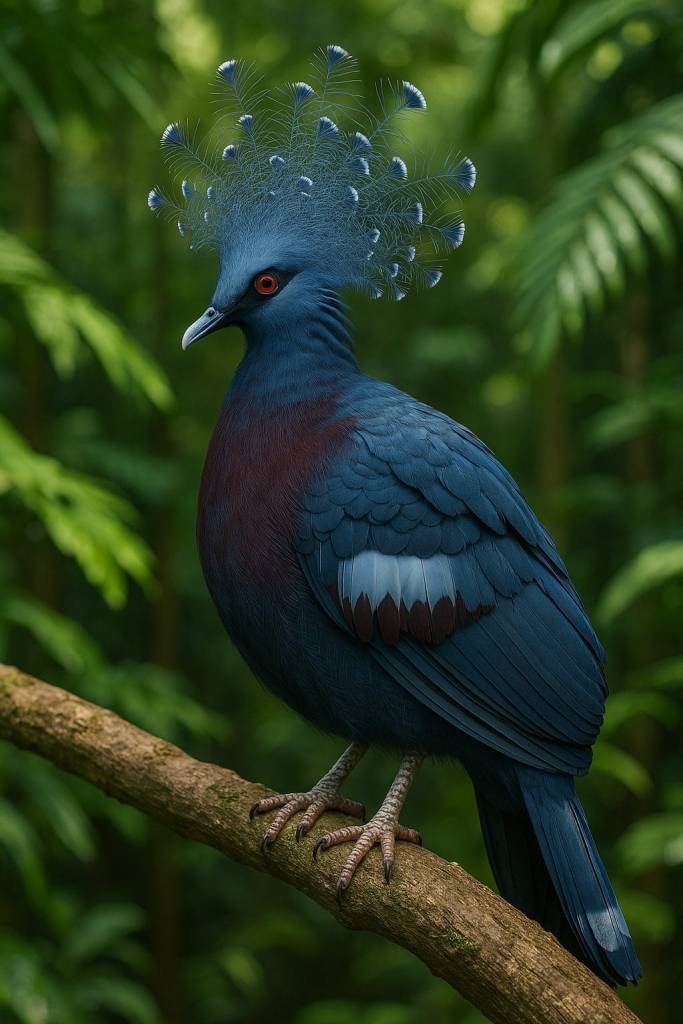
Have you ever wondered what it feels like to see a bird so unique, so colorful, and so rare that it takes your breath away? Exotic rare birds aren’t just beautiful creatures; they hold secrets of nature that can amaze and inspire you.
Whether you’re a bird lover or simply curious, discovering these extraordinary species will open your eyes to a world you never knew existed. Get ready to explore the fascinating lives of exotic rare birds and find out why they capture the hearts of so many around the globe.
Your adventure starts here.
Colorful Feathered Wonders
Exotic rare birds show some of the most amazing colors in nature. Their feathers shine in bright shades that catch your eye.
Many of these birds live in faraway places. Their unique colors help them stand out and survive in their homes.
Vibrant Birds Of Paradise
Birds of paradise have bright feathers in red, blue, green, and gold. They live mostly in New Guinea and nearby islands.
Male birds show off their colors to attract mates. They also perform dances that look like art shows in the wild.
- Wilson's Bird of Paradise has a bright red chest and blue head
- Greater Bird of Paradise shows bright yellow and orange feathers
- King Bird of Paradise shines with green and purple feathers
Rare Parrots From Remote Islands
Some parrots live only on small islands far from the mainland. They have colors not seen in other birds.
These parrots often have green, red, and blue feathers. Their colors help them hide in the forest or attract friends.
- Pesquet's Parrot has black and red feathers, very rare in parrots
- Macaws from South America show blue, yellow, and red feathers
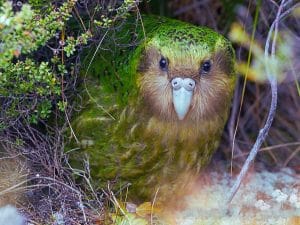
- Kakapo from New Zealand is a rare green parrot that can’t fly
Tropical Tanagers With Unique Hues
Tanagers live in tropical forests and have feathers in many bright colors. They are smaller than parrots but just as colorful.
These birds use their colors to find mates and hide from predators. Each species has a special combination of colors.
- Scarlet Tanager shines with bright red and black feathers
- Blue Dacnis shows bright blue and black colors
- Silver-throated Tanager has soft blue, green, and yellow feathers
Unusual Bird Shapes And Sizes
Birds come in many shapes and sizes. Some birds look very different from others.
These unusual shapes help birds live in their homes and find food.
Tiny Hummingbirds With Brilliant Colors
Hummingbirds are very small birds. They are about the size of a large bee.
These birds have bright, shiny feathers. Their colors can shine like jewels in the sun.
- They can hover in one place like a helicopter
- They have very fast wing beats
- They drink nectar from flowers
Large, Majestic Hornbills
Hornbills are big birds with long, curved bills. Their bills are often bright and large.
They look strong and important. Their size helps them live in forests and eat many fruits.
- Hornbills can be over three feet tall
- Their bills have a casque on top, a hard shell
- They use their bills to catch food and fight
Exotic Birds With Distinctive Crests
Some birds have crests on their heads. These crests are made of feathers that stand up.
These crests help birds show their mood or attract mates. They make the birds look unique.
- The cockatoo has a large, bright crest
- The hoatzin has small, spiky feathers on its head
- The grey crowned crane has a golden, crown-like crest
Elusive Birds In Remote Habitats
Many rare birds live far away from human homes. They hide in places hard to reach. These birds are hard to find and study.
These birds often live in special habitats. Their homes help keep them safe and quiet. Learning about them shows us nature's wonders.
Hidden Species In Dense Rainforests
Dense rainforests have many rare birds. Thick trees and plants hide these birds well. They often have bright colors or strange calls.
Some birds only live in certain rainforest areas. They eat special fruits or insects. Their nests stay hidden in tall trees.
- Harpy Eagle – large and powerful hunter
- Resplendent Quetzal – bright green and red feathers
- Helmeted Hornbill – uses casque to make sounds
- Wilson’s Bird-of-Paradise – colorful and rare
Birds Of High Mountain Ranges
High mountains are cold and windy. Few birds can live there. Those that do have thick feathers and strong wings.
These birds often fly fast to find food. They build nests on cliffs or hidden ledges. Their calls carry far in the thin air.
- Andean Condor – huge wingspan and scavenger
- Snow Partridge – camouflaged in rocky snow
- Lammergeier – breaks bones to eat marrow
- Himalayan Monal – colorful and shy pheasant
Rare Wetland and Coastal Birds
Wetlands and coasts are full of life. Some birds live only in these watery homes. They feed on fish, insects, or plants.
These birds build nests near water or in reeds. Many migrate to find warm places in winter. They help keep wetland ecosystems healthy.
- Spoon-billed Sandpiper – very rare shorebird
- Black-faced Spoonbill – nests in coastal areas
- Australian Painted Snipe – colorful and secretive
- Great Bittern – hides in tall reeds and marshes
Fascinating Behaviors and Calls
Exotic rare birds show some of the most amazing behaviors in nature. Their calls and actions can surprise and delight bird watchers.
These birds use unique dances, songs, and clever skills to survive and attract mates. Let’s explore some of these fascinating traits.
Unique Mating Dances and Displays
Many rare birds perform special dances to find a partner. These dances include fancy moves, bright feather shows, and unusual poses.
For example, the Birds of Paradise spread their colorful feathers and jump in rhythm. These displays help them stand out from other birds.
- Flashing bright feathers to catch attention
- Jumping and spinning to show strength
- Making unique sounds to add to the dance
Uncommon Bird Songs And Sounds
Exotic birds make strange and rare sounds. These calls help them talk to others or warn about danger.
Some birds copy sounds from their environment, like other animals or machines. This skill helps them confuse predators or attract mates.
- Imitating other animals or noises
- Using complex song patterns
- Changing pitch to send different messages
Tool-using And Problem-solving Birds
Some rare birds are very smart. They use tools like sticks or leaves to get food or solve problems.
These birds can plan steps to reach hard-to-get food. Their cleverness shows how smart animals can be.
- Using sticks to catch insects
- Dropping nuts on rocks to crack them open
- Remembering places with food
Conservation Challenges
Exotic rare birds face many problems that put their lives at risk. Protecting these birds needs strong actions and care.
Many groups work hard to save rare birds from disappearing forever. We must understand the challenges to help them better.
Threats To Rare Bird Populations
Rare birds lose their homes because forests and wetlands are cut down. This makes it hard for them to find food and safe places.
Hunting and trapping for pet trade also reduce their numbers. Pollution and climate change add more problems for their survival.
- Habitat loss from deforestation and development
- Illegal hunting and pet trade
- Pollution of water and air
- Climate change affecting food and nesting
Successful Protection Efforts
Protected areas help rare birds live safely without human threats. Laws stop hunting and trading of these birds.
Local communities join efforts to watch over bird habitats. Breeding programs help increase numbers of some rare birds.
- Creating wildlife reserves and parks
- Enforcing laws against hunting and trade
- Community-based conservation projects
- Captive breeding and release programs
How To Support Bird Conservation
You can help by learning about rare birds and sharing facts. Supporting groups that protect birds is important too.
Planting native trees and avoiding harmful chemicals help bird habitats. Watching birds without disturbing them is a good practice.
- Educate yourself and others about rare birds
- Support conservation organizations
- Plant native trees and protect habitats
- Observe birds without causing harm
Frequently Asked Questions
Conclusion
Exotic rare birds bring color and wonder to our world. They show nature’s beauty and variety. Protecting these birds helps keep the environment healthy. Watching them can make us feel calm and happy. Every bird has a unique story to tell.
Enjoy their charm and learn more about their lives. Treasure these creatures for future generations to see. Nature’s rare gems deserve our care and respect.