How Habitat Loss Affects Birds: Devastating Impact on Our Ecosystem Have you ever stopped to think about what happens when birds lose their homes? How habitat loss affects birds is more than just a problem for wildlife—it disrupts the delicate balance of nature that humans rely on every day. When birds struggle to find safe places to live, their survival is at risk, creating a ripple effect that impacts the entire environment. To understand the scope of this issue, we must look at the primary drivers of displacement. From the silence of a fallen forest to the expansion of concrete jungles, the ways in which we alter the land directly determine the future of our feathered neighbors. Causes Of Habitat Loss Birds lose their homes when habitats disappear. Many things cause this loss. These changes harm bird life and nature. Understanding what causes habitat loss helps us protect birds. Here are the main reasons habitats vanish. Deforestation And Logging Deforestation cuts down many trees that birds use for homes. Logging removes wood and destroys nests. Birds lose food and shelter. When forests shrink, birds must find new places. Some cannot move and may die. Forest loss also breaks bird migration paths. Urban Expansion Cities grow larger, pushing nature away. Buildings, roads, and parks replace bird habitats. Noise and lights disturb bird life. Many birds cannot live in cities. They lose safe places to build nests and find food. Urban growth shrinks bird living areas. Agricultural Development Farms take over wild lands that birds need. Fields and pastures replace forests and grasslands. Birds lose natural food sources. How Habitat Loss Affects Birds in agricultural zones is often linked to the removal of hedgerows and native thickets. Pesticides and machines on farms can harm birds. Farmland reduces the variety of plants and insects birds eat. Climate Change Effects Climate change alters weather and seasons. Birds’ habitats may become too hot or dry. Some plants and insects birds depend on disappear. Rising seas flood coastal habitats. Storms become stronger and damage nesting areas. Birds must find new homes or face risks. Bird Species Most At Risk While all birds feel the pressure of environmental change, some are more vulnerable than others. Understanding how habitat loss affects birds differently across species is vital for conservation. Endemic Birds Endemic birds live in only one area in the world. They cannot move to new places easily. Habitat loss in their small home puts them at high risk of extinction. These birds often depend on unique forests or islands. When these habitats shrink, endemic birds lose their safe homes and food sources. Endemic birds have limited ranges Habitat loss affects their survival directly Many are endangered due to habitat destruction Migratory Species Migratory birds travel long distances each year. They need many habitats along their route. Loss of any stopover site can harm these birds deeply. When wetlands, forests, or grasslands disappear, migratory birds lose resting and feeding spots. This makes their journeys harder and lowers their survival chances. How Habitat Loss Affects Birds during migration is a critical focus for international conservationists. Migratory birds depend on multiple habitats Loss of stopover sites reduces food and rest Populations decline if key habitats vanish Forest-dependent Birds Forest-dependent birds live mostly in wooded areas. They need trees for shelter, nesting, and food. Cutting down forests removes these critical resources. Habitat loss from logging and land clearing threatens many forest bird species. These birds often cannot live outside forest environments, so they face serious risks. Forest-dependent birds need trees for homes Deforestation reduces nesting and feeding sites Many forest birds decline as forests shrink Consequences For Bird Populations Habitat loss harms birds in many ways. It changes their homes and food sources. Bird populations face serious problems when their habitats shrink or disappear. Decline In Numbers When habitats are lost, bird numbers often drop quickly. Birds have fewer places to live. Smaller habitats cannot support many birds, leading to population decreases. Disruption Of Breeding Birds need safe and stable places to build nests. Habitat loss breaks their breeding cycles. Without good nesting spots, fewer baby birds survive to adulthood. Loss Of Food Sources Birds rely on plants and insects for food. Habitat loss reduces these food supplies. With less food, birds become weak and find it hard to live or raise chicks. Observing How Habitat Loss Affects Birds in the wild often reveals a drastic decline in available nutrients. Fewer plants mean fewer seeds and fruits Less insect life reduces protein sources Water sources may dry up with habitat loss Increased Predation Smaller habitats make birds easier targets for predators. They have less cover to hide. Birds face higher risks from animals that hunt them when their homes shrink. Credit: www.ehn.org Ecosystem Imbalances Birds play a key role in keeping ecosystems healthy. When their homes disappear, many natural processes get disturbed. Research into how habitat loss affects birds shows that these imbalances can be hard to fix. Impact On Pollination Many birds help pollinate flowers by carrying pollen from one plant to another. This helps plants make fruits and seeds. When birds lose their homes, fewer flowers get pollinated. This lowers plant growth and reduces food for other animals. Seed Dispersal Disruption Birds eat fruits and carry seeds to new places. This spreads plants across wide areas and keeps forests healthy. Habitat loss means fewer birds to move seeds. Plants may grow close together, causing competition and weaker forests. Fewer new plants grow far away Forest areas become smaller and less diverse Some plant species may disappear Changes In Predator-prey Dynamics Birds act as predators and prey in nature. Losing habitats changes who eats whom and how often. Some bird species may disappear, which can cause too many insects or small animals. This harms plants and other wildlife. Conservation Efforts Birds lose their homes because of habitat loss. This makes it hard for them to survive. Conservation efforts help protect birds and their habitats. These actions support bird populations and nature. People work in many ways to save bird habitats. They create protected spaces, restore damaged areas, involve communities, and make laws. These efforts help birds live safely. Protected Areas And Reserves Protected areas stop habitat destruction. Reserves give birds safe places to live and breed. These spaces keep ecosystems healthy. They also preserve food and shelter for birds. Many countries set aside land as parks or reserves. This limits human activity that can harm birds. Protected areas often have rules to prevent logging and building. Habitat Restoration Projects Habitat restoration brings back damaged places. It fixes areas where birds lost homes. Planting native trees and removing invasive plants helps rebuild habitats. Wetlands and forests are common restoration targets. Restoring these areas improves water quality and food supply. Birds return to live and nest in these restored habitats. Plant native vegetation Remove invasive species Rebuild wetlands and forests Improve soil and water quality Community Involvement Local people help protect bird habitats. They join groups to watch birds and clean areas. Teaching communities about birds encourages care and respect. Volunteers can plant trees and report harmful activities. Community support makes conservation stronger and more lasting. It connects people to nature around them. Join bird watching groups Participate in local cleanups Help plant native trees Report habitat damage Policy And Legislation Governments make laws to protect birds and habitats. These rules control hunting and land use. Strong laws help stop habitat loss and pollution. Policies can create protected areas and fund restoration. They also support research and monitoring of bird populations. Good laws give birds a better chance to survive. How Habitat Loss Affects Birds is a primary driver behind new international environmental treaties. Ban harmful hunting practices Protect important bird areas Fund habitat restoration Support scientific research Credit: www.audubon.org How Individuals Can Help People can do simple things to protect birds and their habitats. Small actions add up to big changes. Understanding how habitat loss affects birds is the first step toward taking action. Supporting Conservation Groups Conservation groups work to save bird habitats. They protect forests, wetlands, and other important places. You can support these groups by donating money or volunteering your time. They use funds to buy land and run programs. Creating Bird-friendly Spaces Make your yard or balcony safe for birds. Plant native flowers and trees that provide food and shelter. Avoid using pesticides and keep water sources clean. Birds need safe places to live and raise their young. Plant native plants Provide fresh water Use bird feeders and houses Avoid chemicals and pesticides Reducing Carbon Footprint Climate change harms bird habitats by changing weather and food supply. Lower your carbon footprint to help birds. Use less energy, drive less, and recycle. These actions lower pollution and protect the environment. Turn off lights when not needed Walk, bike, or use public transport Recycle paper, plastic, and glass Use energy-efficient appliances Promoting Sustainable Practices Choose products that do not harm bird habitats. Support farms and companies that protect nature. Use less plastic and buy recycled goods. These habits reduce waste and keep habitats safe. Buy organic and local food Avoid products from deforested areas Use reusable bags and bottles Support eco-friendly brands Credit: www.wildlifenomads.com Frequently Asked Questions What Is Habitat Loss For Birds? Habitat loss for birds refers to the destruction or alteration of natural environments where birds live. This can be due to deforestation, urbanization, or agriculture. When habitats are lost, birds struggle to find food, shelter, and breeding grounds, leading to population declines. How Does Habitat Loss Affect Bird Populations? Habitat loss significantly reduces bird populations by eliminating essential resources. Birds lose nesting sites and food sources, leading to decreased breeding success. Additionally, fragmented habitats increase vulnerability to predators and environmental changes, further threatening bird species. Can Birds Adapt To Habitat Loss? Some birds can adapt to habitat loss by relocating to new areas or modifying their behaviors. However, not all species can adjust, especially those with specialized habitat needs. Adaptation often depends on the availability of alternative habitats and the species' resilience. What Are Common Causes Of Bird Habitat Loss? Common causes of bird habitat loss include deforestation, urban sprawl, agriculture, and climate change. These activities destroy or alter natural environments, reducing available habitats for birds. Conservation efforts focus on protecting and restoring these crucial areas to support bird populations. Conclusion Habitat loss harms birds by taking away their homes and food. Birds struggle to find safe places to live and raise young. This change can make some species disappear forever. Protecting natural spaces helps birds survive and thrive. Small actions, like planting native trees, make a big difference. Everyone can help keep bird habitats safe and healthy. Saving birds means saving nature too. The future of birds depends on what we do today. Act now to protect the world’s winged friends.
How Habitat Loss Affects Birds: Devastating Impact on Wildlife

How Habitat Loss Affects Birds: Devastating Impact on Our Ecosystem

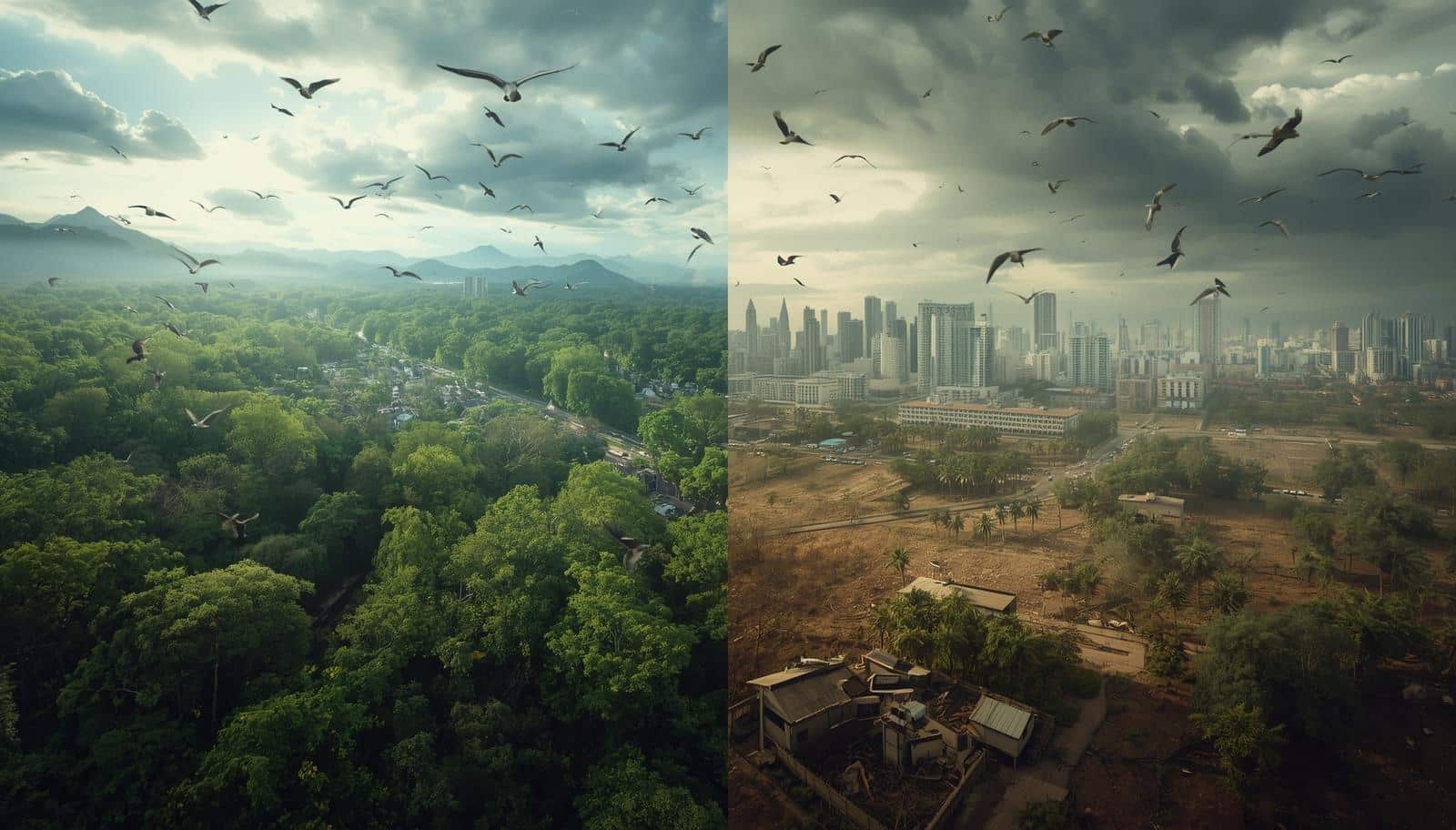
Have you ever stopped to think about what happens when birds lose their homes? How habitat loss affects birds is more than just a problem for wildlife—it disrupts the delicate balance of nature that humans rely on every day. When birds struggle to find safe places to live, their survival is at risk, creating a ripple effect that impacts the entire environment.

To understand the scope of this issue, we must look at the primary drivers of displacement. From the silence of a fallen forest to the expansion of concrete jungles, the ways in which we alter the land directly determine the future of our feathered neighbors.

Causes Of Habitat Loss

Birds lose their homes when habitats disappear. Many things cause this loss. These changes harm bird life and nature.

Understanding what causes habitat loss helps us protect birds. Here are the main reasons habitats vanish.

Deforestation And Logging

Deforestation cuts down many trees that birds use for homes. Logging removes wood and destroys nests. Birds lose food and shelter.

When forests shrink, birds must find new places. Some cannot move and may die. Forest loss also breaks bird migration paths.

Urban Expansion

Cities grow larger, pushing nature away. Buildings, roads, and parks replace bird habitats. Noise and lights disturb bird life.

Many birds cannot live in cities. They lose safe places to build nests and find food. Urban growth shrinks bird living areas.

Agricultural Development

Farms take over wild lands that birds need. Fields and pastures replace forests and grasslands. Birds lose natural food sources. How Habitat Loss Affects Birds in agricultural zones is often linked to the removal of hedgerows and native thickets. Pesticides and machines on farms can harm birds. Farmland reduces the variety of plants and insects birds eat.

Climate Change Effects

Climate change alters weather and seasons. Birds’ habitats may become too hot or dry. Some plants and insects birds depend on disappear.

Rising seas flood coastal habitats. Storms become stronger and damage nesting areas. Birds must find new homes or face risks.

Bird Species Most At Risk

While all birds feel the pressure of environmental change, some are more vulnerable than others. Understanding how habitat loss affects birds differently across species is vital for conservation.

Endemic Birds

Endemic birds live in only one area in the world. They cannot move to new places easily. Habitat loss in their small home puts them at high risk of extinction.

These birds often depend on unique forests or islands. When these habitats shrink, endemic birds lose their safe homes and food sources.

  • Endemic birds have limited ranges
  • Habitat loss affects their survival directly
  • Many are endangered due to habitat destruction

Migratory Species

Migratory birds travel long distances each year. They need many habitats along their route. Loss of any stopover site can harm these birds deeply. When wetlands, forests, or grasslands disappear, migratory birds lose resting and feeding spots. This makes their journeys harder and lowers their survival chances. How Habitat Loss Affects Birds during migration is a critical focus for international conservationists.

  • Migratory birds depend on multiple habitats

  • Loss of stopover sites reduces food and rest

  • Populations decline if key habitats vanish

Forest-dependent Birds

Forest-dependent birds live mostly in wooded areas. They need trees for shelter, nesting, and food. Cutting down forests removes these critical resources.

Habitat loss from logging and land clearing threatens many forest bird species. These birds often cannot live outside forest environments, so they face serious risks.

  • Forest-dependent birds need trees for homes
  • Deforestation reduces nesting and feeding sites
  • Many forest birds decline as forests shrink

Consequences For Bird Populations

Habitat loss harms birds in many ways. It changes their homes and food sources.

Bird populations face serious problems when their habitats shrink or disappear.

Decline In Numbers

When habitats are lost, bird numbers often drop quickly. Birds have fewer places to live.

Smaller habitats cannot support many birds, leading to population decreases.

Disruption Of Breeding

Birds need safe and stable places to build nests. Habitat loss breaks their breeding cycles.

Without good nesting spots, fewer baby birds survive to adulthood.

Loss Of Food Sources

Birds rely on plants and insects for food. Habitat loss reduces these food supplies. With less food, birds become weak and find it hard to live or raise chicks. Observing How Habitat Loss Affects Birds in the wild often reveals a drastic decline in available nutrients.

  • Fewer plants mean fewer seeds and fruits

  • Less insect life reduces protein sources

  • Water sources may dry up with habitat loss

Increased Predation

Smaller habitats make birds easier targets for predators. They have less cover to hide.

Birds face higher risks from animals that hunt them when their homes shrink.

Increased predation risk for birds due to habitat loss and reduced cover

Credit: www.ehn.org

Ecosystem Imbalances

Birds play a key role in keeping ecosystems healthy. When their homes disappear, many natural processes get disturbed. Research into how habitat loss affects birds shows that these imbalances can be hard to fix.

Impact On Pollination

Many birds help pollinate flowers by carrying pollen from one plant to another. This helps plants make fruits and seeds.

When birds lose their homes, fewer flowers get pollinated. This lowers plant growth and reduces food for other animals.

Seed Dispersal Disruption

Birds eat fruits and carry seeds to new places. This spreads plants across wide areas and keeps forests healthy.

Habitat loss means fewer birds to move seeds. Plants may grow close together, causing competition and weaker forests.

  • Fewer new plants grow far away
  • Forest areas become smaller and less diverse
  • Some plant species may disappear

Changes In Predator-prey Dynamics

Birds act as predators and prey in nature. Losing habitats changes who eats whom and how often.

Some bird species may disappear, which can cause too many insects or small animals. This harms plants and other wildlife.

Conservation Efforts

Birds lose their homes because of habitat loss. This makes it hard for them to survive. Conservation efforts help protect birds and their habitats. These actions support bird populations and nature.

People work in many ways to save bird habitats. They create protected spaces, restore damaged areas, involve communities, and make laws. These efforts help birds live safely.

Protected Areas And Reserves

Protected areas stop habitat destruction. Reserves give birds safe places to live and breed. These spaces keep ecosystems healthy. They also preserve food and shelter for birds.

Many countries set aside land as parks or reserves. This limits human activity that can harm birds. Protected areas often have rules to prevent logging and building.

Habitat Restoration Projects

Habitat restoration brings back damaged places. It fixes areas where birds lost homes. Planting native trees and removing invasive plants helps rebuild habitats.

Wetlands and forests are common restoration targets. Restoring these areas improves water quality and food supply. Birds return to live and nest in these restored habitats.

  • Plant native vegetation
  • Remove invasive species
  • Rebuild wetlands and forests
  • Improve soil and water quality

Community Involvement

Local people help protect bird habitats. They join groups to watch birds and clean areas. Teaching communities about birds encourages care and respect.

Volunteers can plant trees and report harmful activities. Community support makes conservation stronger and more lasting. It connects people to nature around them.

  • Join bird watching groups
  • Participate in local cleanups
  • Help plant native trees
  • Report habitat damage

Policy And Legislation

Governments make laws to protect birds and habitats. These rules control hunting and land use. Strong laws help stop habitat loss and pollution. Policies can create protected areas and fund restoration. They also support research and monitoring of bird populations. Good laws give birds a better chance to survive. How Habitat Loss Affects Birds is a primary driver behind new international environmental treaties.

  • Ban harmful hunting practices

  • Protect important bird areas

  • Fund habitat restoration

  • Support scientific research

Government policies and laws protecting birds and natural habitats

Credit: www.audubon.org

How Individuals Can Help

People can do simple things to protect birds and their habitats. Small actions add up to big changes. Understanding how habitat loss affects birds is the first step toward taking action.

Supporting Conservation Groups

Conservation groups work to save bird habitats. They protect forests, wetlands, and other important places.

You can support these groups by donating money or volunteering your time. They use funds to buy land and run programs.

Creating Bird-friendly Spaces

Make your yard or balcony safe for birds. Plant native flowers and trees that provide food and shelter.

Avoid using pesticides and keep water sources clean. Birds need safe places to live and raise their young.

  • Plant native plants
  • Provide fresh water
  • Use bird feeders and houses
  • Avoid chemicals and pesticides

Reducing Carbon Footprint

Climate change harms bird habitats by changing weather and food supply. Lower your carbon footprint to help birds.

Use less energy, drive less, and recycle. These actions lower pollution and protect the environment.

  • Turn off lights when not needed
  • Walk, bike, or use public transport
  • Recycle paper, plastic, and glass
  • Use energy-efficient appliances

Promoting Sustainable Practices

Choose products that do not harm bird habitats. Support farms and companies that protect nature.

Use less plastic and buy recycled goods. These habits reduce waste and keep habitats safe.

  • Buy organic and local food
  • Avoid products from deforested areas
  • Use reusable bags and bottles
  • Support eco-friendly brands
How Habitat Loss Affects Birds: Devastating Impact on Wildlife

Credit: www.wildlifenomads.com

Frequently Asked Questions

What Is Habitat Loss For Birds?

Habitat loss for birds refers to the destruction or alteration of natural environments where birds live. This can be due to deforestation, urbanization, or agriculture. When habitats are lost, birds struggle to find food, shelter, and breeding grounds, leading to population declines.

How Does Habitat Loss Affect Bird Populations?

Habitat loss significantly reduces bird populations by eliminating essential resources. Birds lose nesting sites and food sources, leading to decreased breeding success. Additionally, fragmented habitats increase vulnerability to predators and environmental changes, further threatening bird species.

Can Birds Adapt To Habitat Loss?

Some birds can adapt to habitat loss by relocating to new areas or modifying their behaviors. However, not all species can adjust, especially those with specialized habitat needs. Adaptation often depends on the availability of alternative habitats and the species' resilience.

What Are Common Causes Of Bird Habitat Loss?

Common causes of bird habitat loss include deforestation, urban sprawl, agriculture, and climate change. These activities destroy or alter natural environments, reducing available habitats for birds. Conservation efforts focus on protecting and restoring these crucial areas to support bird populations.

Conclusion

Habitat loss harms birds by taking away their homes and food. Birds struggle to find safe places to live and raise young. This change can make some species disappear forever. Protecting natural spaces helps birds survive and thrive. Small actions, like planting native trees, make a big difference.

Everyone can help keep bird habitats safe and healthy. Saving birds means saving nature too. The future of birds depends on what we do today. Act now to protect the world’s winged friends.

Categories

Related Post

Extinct Birds
Have you ever wondered what happened to the birds that once filled the skies but are now gone foreve...
Have you ever wondered why some beautiful bird species disappear forever? Understanding the causes o...
Have you ever wondered which beautiful birds are at risk of disappearing forever? Knowing about enda...