Have you ever wondered why some birds travel thousands of miles every year? Migratory birds do this incredible journey, crossing continents and oceans.
Their amazing travel stories are full of mystery and survival. By understanding these birds, you’ll see nature’s power and beauty in a whole new way. Keep reading to discover the secrets behind their epic flights and how they impact your world.
Migration Routes And Patterns
Migratory birds travel long distances between breeding and wintering areas. Their routes are often fixed and follow natural landmarks.
Understanding these routes helps us learn about bird behavior and protect their habitats during migration.
Long-distance Travelers
Some birds fly thousands of miles during migration. They cross oceans, mountains, and deserts to reach their destinations.
Examples include the Arctic Tern, which migrates from the Arctic to the Antarctic every year.
- Arctic Terns travel about 25,000 miles annually
- Bar-tailed Godwits fly nonstop over the Pacific Ocean
- Swallows migrate between North and South America
Navigational Skills
Birds use many tools to find their way. They rely on the sun, stars, and Earth's magnetic field.
They also use landmarks like rivers and mountains to guide their journey.
- Sun compass helps birds navigate during the day
- Star patterns guide them at night
- Magnetic sense detects Earth's magnetic field
- Visual landmarks help with local navigation
Seasonal Timings
Birds migrate at specific times each year. These times match changes in weather and food supply.
Spring migration leads to breeding areas. Fall migration returns birds to warmer places.
- Spring migration occurs from March to May
- Fall migration happens from August to November
- Timing varies by species and location
- Weather changes can affect migration timing
Credit: www.newindianexpress.com
Physical Adaptations For Flight
Migratory birds have special body parts to help them fly long distances. Their bodies are built to save energy and stay strong.
These physical features let birds travel thousands of miles during migration seasons.
Wing Shapes And Sizes
Birds have different wing shapes for different flying styles. Long, narrow wings help birds glide far without using much energy.
Shorter, rounded wings allow quick turns and fast flying in forests or near the ground.
- Long wings for soaring and gliding
- Short wings for fast, agile flight
- Wide wings for slow, steady flying
Energy Efficiency
Migratory birds use energy-saving techniques to fly long distances. They flap their wings less and glide more to save strength.
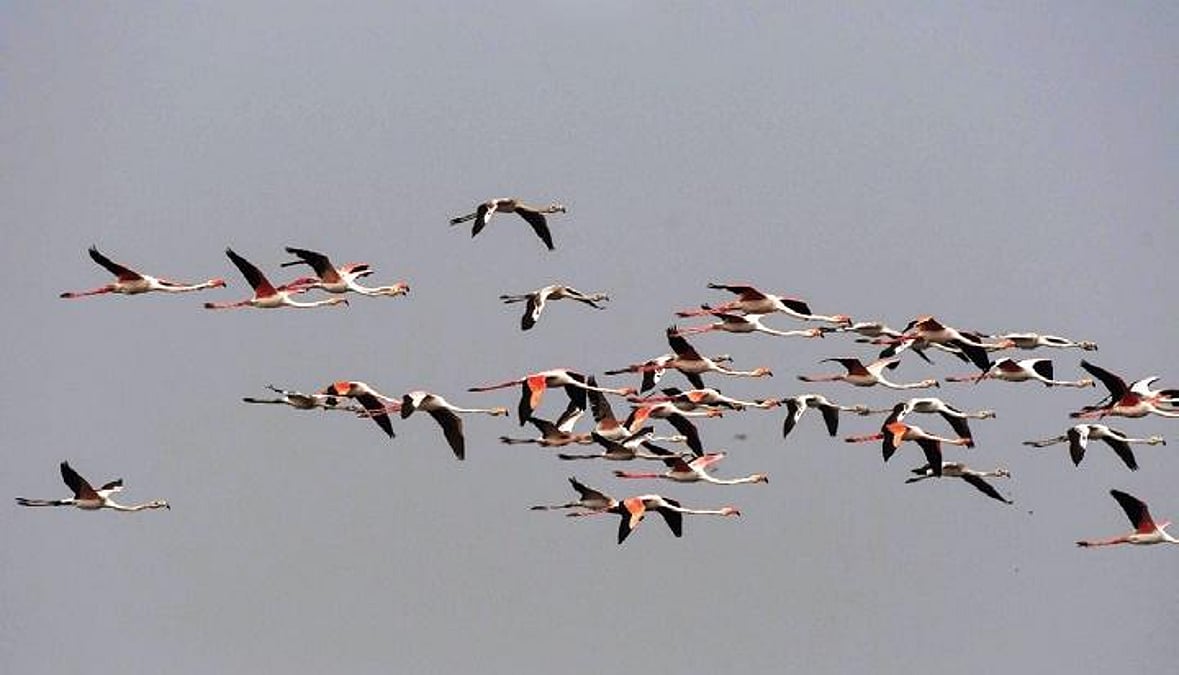
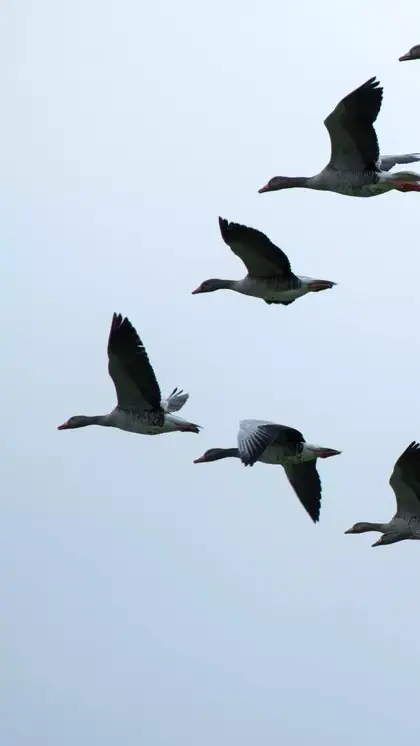
Flying in groups or V-formations reduces air resistance. This helps birds use less energy while flying.
- Glide to rest wings and save energy
- Fly in formations to reduce wind resistance
- Adjust speed to use less energy
Fat Storage
Fat is a key energy source for migratory birds. They store extra fat before long trips to fuel their flight.
Fat burns slowly and provides more energy than carbohydrates. Birds rely on this stored fat to keep flying without stopping.
- Build fat reserves before migration
- Use fat as fuel during long flights
- Burn fat slowly to last the whole journey
Survival Tactics On The Journey
Migratory birds travel long distances to find food and better weather. Their journey is full of dangers and challenges.
These birds use smart tactics to survive. They avoid threats, handle bad weather, and find good places to rest.
Avoiding Predators
Birds fly in groups to confuse predators. They stay alert and use quick movements to escape.
Some birds fly high to stay out of reach. Others use camouflage to blend into the sky or trees.
- Flying in flocks increases safety
- Quick changes in direction help escape
- Using colors to hide from predators
- Flying at night to avoid some hunters
Weather Challenges
Birds face rain, wind, and storms during migration. They choose routes with safer weather when possible.
Some birds wait out bad weather by resting. Others fly above clouds to avoid strong winds.
- Flying at different heights to find calm air
- Delaying travel during storms
- Using tailwinds to save energy
- Changing routes to avoid bad weather
Resting Spots
Birds need safe places to rest and eat. They stop at wetlands, forests, and fields during their journey.
Good resting spots have food and shelter. Birds use these places to regain strength for the next flight.
- Wetlands offer water and insects
- Forests provide cover from predators
- Fields have seeds and small animals
- Resting helps birds fly longer distances
Credit: m.economictimes.com
Role Of Environmental Cues
Migratory birds travel long distances every year. They use environmental cues to find their way.
These cues help birds stay on course during their migration journey.
Sun And Stars
Birds use the sun during the day to guide their direction. They can tell time by the sun's position.
At night, birds look at stars to find their path. The star patterns help them stay on track.
- The sun helps birds with daytime navigation.
- Stars guide birds during night flights.
- Birds adjust their path using the sun's movement.
Magnetic Fields
Earth's magnetic field acts like a natural compass. Birds sense this field to know north and south.
This ability helps birds fly even on cloudy days or nights. They rely less on visual cues then.
- Magnetic fields provide direction information.
- Birds have special cells that detect magnetism.
- Magnetic sense works in all weather conditions.
Landmarks
Birds use mountains, rivers, and coastlines as landmarks. These help them recognize their location.
Landmarks guide birds especially when they are close to their destination.
- Mountains and rivers are common natural landmarks.
- Birds remember landmarks from past journeys.
- Landmarks help birds avoid getting lost.
Impact Of Climate Change
Migratory birds travel long distances each year. Climate change is changing their travel patterns.
Rising temperatures and weather shifts affect when and where birds migrate. These changes can harm their survival.
Altered Migration Timelines
Birds use daylight and weather cues to decide when to migrate. Climate change changes these signals.
Some birds start migrating earlier or later than usual. This can cause them to miss food or shelter.
- Earlier springs cause early migration
- Unpredictable weather delays travel
- Timing mismatch with food availability
Habitat Loss
Rising temperatures cause wetlands and forests to shrink. These are key stopover places for birds.
Loss of habitat means fewer places for rest and food. Birds face tougher journeys and lower survival rates.
- Wetlands dry up
- Forests change or disappear
- Coastal areas flood
Adaptation Strategies
Migratory birds try to adjust to new conditions. They change routes or timing to survive.
Scientists help by protecting habitats and creating safe areas. This support helps birds face climate challenges.
- Shift migration routes
- Change nesting sites
- Conserve key habitats
Human Influence And Conservation
Migratory birds travel long distances every year. They face many challenges because of human actions.
People can help protect these birds by making safe habitats and raising awareness.
Threats From Urbanization
Urban areas grow quickly and destroy bird habitats. Birds lose places to rest and find food during migration.
Lights from cities confuse birds at night. They may crash into buildings or get lost.
- Loss of wetlands and forests
- Noise pollution disturbs birds
- Collisions with glass windows
- Increased predators like cats
Protected Areas
Protected areas keep important habitats safe for migratory birds. These zones limit human activity to help birds survive.
Many countries work together to create these safe places along bird migration routes.
- National parks and wildlife refuges
- Wetland reserves
- International bird sanctuaries
- Buffer zones around critical habitats
Community Involvement
Local communities can help protect migratory birds. They watch for threats and keep habitats clean and safe.
Education programs teach people why birds are important and how to protect them.
- Bird watching groups
- Habitat restoration projects
- Reducing light pollution
- Reporting injured or trapped birds
Fascinating Species Examples
Migratory birds travel long distances every year. They move to find food and better weather.
Some species have amazing journeys and unique traits. Let’s look at three fascinating examples.
Arctic Tern's Epic Journey
The Arctic Tern flies farther than any other bird. It travels from the North Pole to the South Pole.
This round trip can be up to 25,000 miles. It experiences two summers each year during migration.
Bar-tailed Godwit's Nonstop Flight
The Bar-tailed Godwit makes one of the longest nonstop flights. It can fly over 7,000 miles without stopping.
This bird flies from Alaska to New Zealand in about nine days. It stores fat to fuel this long journey.
- Flight distance: up to 7,000 miles
- Flight duration: about 9 days nonstop
- Fuel source: stored body fat
Monarch Butterfly Mimics
Some birds mimic the Monarch butterfly’s migration. They follow similar routes to avoid predators.
These mimics use the butterfly’s warning colors to stay safe. This helps them survive during migration.

Credit: whc.unesco.org
Frequently Asked Questions
What Are Migratory Birds?
Migratory birds are species that travel long distances between breeding and wintering grounds. These journeys are often seasonal, driven by changes in temperature and food availability. They play crucial roles in ecosystems, such as pollination and seed dispersal, and help maintain ecological balance across different regions.
Why Do Birds Migrate?
Birds migrate primarily to find food and suitable breeding conditions. Seasonal changes can deplete resources in one area, prompting them to move. Migration ensures they have access to abundant food and favorable climates. It helps them avoid harsh weather conditions and increases their chances of survival and reproduction.
How Do Birds Navigate During Migration?
Birds use the Earth's magnetic field, sun, stars, and landmarks for navigation. They have an internal compass and can detect magnetic fields. Visual cues, such as rivers and mountains, also guide them. Some species even use the position of the sun and stars to maintain their migratory routes accurately.
When Do Most Birds Migrate?
Most birds migrate during spring and fall. Spring migration occurs from February to May, while fall migration happens between August and November. These periods align with changes in temperature and food availability. Birds time their migration to coincide with optimal weather and abundant resources in their destination areas.
Conclusion
Migratory birds travel long distances every year. They follow the seasons and find better places to live. These journeys help birds survive and grow their families. Watching them teaches us about nature’s balance and strength. Protecting their habitats supports their travels and life cycles.
Migratory birds connect different parts of the world. Their story shows us how life adapts and moves. Remember to appreciate these amazing travelers in the sky. They remind us that change can bring hope and new beginnings.