World Migratory Bird Day: Why Their Journey Matters to You
Do you ever wonder where birds disappear to in winter? These incredible travelers cross vast oceans, towering mountains, and entire continents, linking distant ecosystems in ways we can barely imagine. But their epic journeys are under threat, and they need our help now more than ever. World Migratory Bird Day shines a vital spotlight on these feathered migrants, reminding us of their role in our world.
We mark this day by tracking their paths with cutting-edge technology like satellite tags and citizen science apps. Yet, birds face mounting challenges—from habitat loss to shifting climates—that make survival harder each year. The good news? You can make a real difference. Read on to discover why their migrations matter to you, your community, and the planet. Simple actions today can safeguard these wonders for tomorrow.

Credit: environmentamericas.org
The Real Reason World Migratory Bird Day Is Important
World Migratory Bird Day isn’t just a birdwatcher’s holiday—it’s a global call to action for protecting migratory birds and their vital habitats. Observed twice a year, it unites people worldwide to celebrate these travelers while addressing the crises they face.
This awareness campaign educates millions about bird migration’s wonders and perils, from light pollution disorienting night fliers to sprawling agriculture swallowing stopover wetlands. It fosters international cooperation, proving that one person’s backyard feeder or advocacy post can ripple outward.
The Convention on Migratory Species (CMS) sums it up perfectly: “World Migratory Bird Day is an annual awareness-raising campaign highlighting the need for the conservation of migratory birds and their habitats. It has a global outreach and is an effective tool to help raise global awareness of the threats faced by migratory birds, their ecological importance, and the need for international cooperation to conserve them.” Since its start in 2006, the day has mobilized events in over 120 countries, drawing in scientists, kids, and everyday folks.
Understanding Bird Travel
Migratory birds don’t just hop borders—they conquer them. Species like the bar-tailed godwit fly nonstop for 7,000 miles from Alaska to New Zealand in under 10 days, burning fat reserves like high-octane fuel. These journeys span hemispheres, relying on precise timing synced to seasons, food availability, and weather.
We track them using radar, GPS transmitters, and apps like eBird, revealing how human development tips the scales against them. A single disrupted wetland can doom thousands. Protecting these routes isn’t charity—it’s essential for ecosystems that pollinate crops, control pests, and indicate planetary health.
Helping With Conservation
We must save wetlands and forests. Healthy numbers mean a healthy planet. You protect many animals when you save birds.
Working Together Across the World
One country cannot do this alone. Nations must work as a team. We share knowledge and resources. This creates better protection plans.
Getting Closer to Nature
Go outside and watch the birds. You will see nature’s simple beauty. This connection makes us care. It builds support for wildlife.
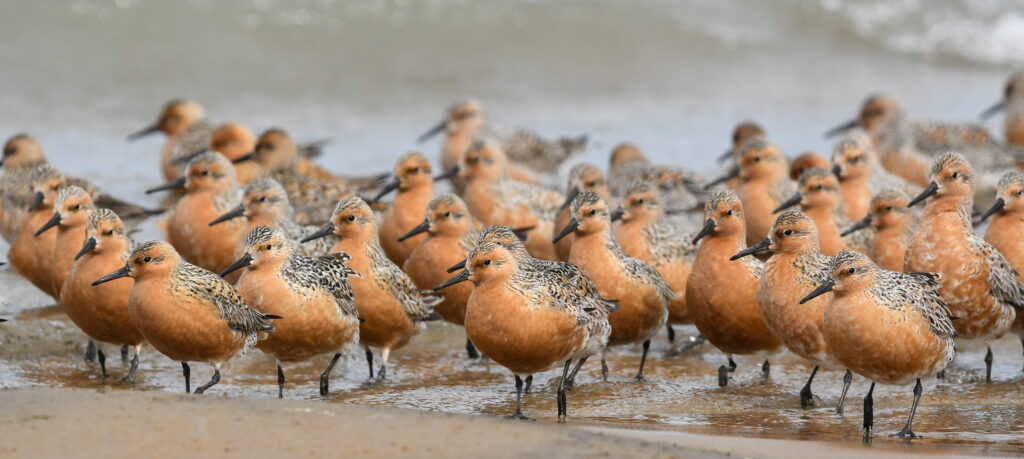
Credit: www.birdscanada.org
The Birds and Their Amazing Air Highways
Birds seek food and warm weather. They follow specific paths in the sky. Experts call these routes “flyways.” These paths help them fly safely.
Major Paths Across the Globe
Birds use major flyways that connect their homes. These flyways stretch over land and water.
Every flyway has stopover sites. Birds rest and eat at these spots. These rest areas are vital for their survival.
- East Atlantic Flyway: Europe down to Africa.
- Pacific Americas Flyway: Alaska to South America.
- Central Asian Flyway: Crosses Asia to Africa.
- East Asian-Australasian Flyway: Siberia to Australia.
- Mississippi Flyway: Cuts across North America.
Challenges Faced During Migration
Long trips bring many risks. Birds need food to keep flying. Humans make these trips harder. Cities destroy their rest stops.
Cities grow and destroy habitats.
Pollution hurts water and food.
- Weather patterns change quickly.
People hunt birds in some regions.
Birds hit tall buildings.
Bird Species In Focus
We celebrate these long-distance travelers. They need healthy homes. You help nature stay balanced by protecting them.
The Famous Travelers
Some birds make extreme trips. They show us nature’s miracles.
Arctic Terns: They fly from pole to pole.
Swallows: These birds seek warmth every winter.
Monarch Butterflies: They also fly thousands of miles.
Rare And Endangered Species
Some birds have low numbers. Pollution and lost homes hurt them. We must protect these species. This keeps nature diverse.
Whooping Crane: A very rare bird.
California Condor: Habitat loss threatens them.
Javan Hawk-Eagle: Forests disappear and hurt them.
Conservation Efforts Worldwide
You can join the celebration easily. Attend events or help with science projects. Both options give birds support.
International Agreements
Countries sign treaties to protect birds. These rules control hunting. The Convention on Migratory Species is key. It helps nations cooperate.
Protect important bird homes.
Control bird trade.
Share research data.
Community-led Initiatives
Local groups help protect birds too. They teach others and fix habitats. People build bird-friendly spaces.
Plant native trees.
Clean up local rivers.
Teach kids about birds.
How To Participate In The Celebration
World Migratory Bird Day is a special day to honor birds that travel long distances. You can join the celebration in many fun ways.
Learn how to take part in events and activities or help with citizen science projects. Both are great ways to support birds.
Events And Activities
Groups organize festivals and walks. You learn about local species. Join an art contest. These activities make the day exciting.
Go on a birdwatching tour.
Listen to a talk.
Join a photo contest.
Visit a nature park.
Citizen Science And Birdwatching
Citizen science lets you help scientists by watching and reporting birds. This helps track bird migration and health.
You can use apps or websites to submit your bird sightings. Birdwatching is also a peaceful way to enjoy nature and learn new bird species.
Join a bird count.
Report your sightings.
Learn bird sounds.
Observe birds safely.
Impact Of Climate Change On Migration
Weather tells birds when to fly. Changing climates confuse them. This hurts their survival chances.
Changes In Migration Timing
Birds use temperature and daylight to decide when to leave. Climate change shifts these cues. Birds may start migrating too early or too late.
If birds arrive too early, food might not be ready. If they arrive too late, they miss good breeding times. This lowers their chances to raise young.
Dr. Peter Marra, from Georgetown Environment Initiative, explains the risk:
“Birds have evolved to arrive exactly when food sources, like caterpillars, are at their peak abundance. Climate change is causing spring to arrive earlier, meaning the insects hatch and disappear before the migrating birds arrive. This mismatch can lead to starvation and failed breeding seasons for millions of birds.”
Loss Of Stopover Habitats
Storms and droughts damage rest spots. Birds find these places unsafe. They get tired and weak. The journey becomes dangerous.
Shifts In Food Supply
Birds eat insects, plants, or fish along their route. Climate change changes when and where these foods appear. Birds may arrive when food is scarce.
Scarce food leads to weak birds and fewer chicks. Some birds may need to find new feeding places, which is hard during migration.
Increased Risks From Extreme Weather
Strong storms happen more often. Birds face danger in the air. High heat damages nesting areas. Their numbers drop over time.
Promoting Awareness And Education
World Migratory Bird Day helps people learn about bird migration. We show why birds travel long distances.
Raising awareness protects birds and their homes. Education makes people care deeply for nature.
Educational Programs
Schools teach kids about these journeys. They draw pictures and watch birds. This connects children with nature.
Lessons on bird travel.
Outdoor watching trips.
Workshops on protection.
Social Media Campaigns
Share stories and photos online. This reaches people fast. Simple messages encourage help.
Post bird photos.
Share videos.
Show safe places.

Credit: www.freepik.com
Frequently Asked Questions
What Is World Migratory Bird Day?
It is a yearly event. We raise awareness about bird threats. It promotes global teamwork.
Why Is This Day Important?
It shows the role birds play in nature. We highlight climate change issues. Awareness sparks action.
When Is It Celebrated?
We celebrate on the second Saturday of May and October. This fits migration times globally.
The organizers, Environment for the Americas, explain the strategy:
“Because bird migration is cyclical, celebrating on a single day doesn’t work for the whole world. We hold events in May to catch the peak of spring migration in the Northern Hemisphere, and again in October to support countries in the Southern Hemisphere experiencing the return migration. This ensures global participation.”
How Can I Take Part?
Join local events. Support bird-friendly projects. Plant trees or reduce waste. Share posts on social media.
Conclusion
World Migratory Bird Day asks us to protect birds everywhere. Birds connect many countries and keep nature balanced.
We all can help by caring for our own local environment. Small actions make a huge difference. Plant native trees or reduce pollution.
Celebrate these amazing travelers and their journeys. We keep their skies safe and full of life when we act. Protecting birds means protecting our whole planet. Let’s start today for a brighter future.