Have you ever wondered which bird holds the title of the biggest in the world? Imagine seeing a creature so large it almost seems unreal.
Knowing about the biggest bird species can change the way you see the sky and the wild around you. You’ll discover fascinating facts that will surprise you and make you want to learn more. Get ready to meet giants of the bird kingdom that might just blow your mind.
Keep reading to find out which birds truly rule the air and land with their incredible size!
Credit: timesofindia.indiatimes.com
Largest Birds By Wingspan
The wingspan is the distance from one wingtip to the other. Some birds have huge wingspans that help them fly long distances.
Here are three of the biggest bird species known for their large wingspans.
Wandering Albatross
The Wandering Albatross has the largest wingspan of any bird. Its wings can reach up to 11 feet (3.4 meters) wide.
This bird uses its wide wings to glide over oceans for hours without flapping. It lives mainly in the Southern Ocean.
Andean Condor
The Andean Condor is the largest flying bird in the Americas. Its wingspan can reach about 10 feet (3 meters).
This bird soars over mountains and valleys in South America. It uses its wings to stay in the air for hours.
- Wingspan: Up to 10 feet (3 meters)
- Location: Andes Mountains
- Flying style: Gliding and soaring
California Condor
The California Condor has a wingspan close to 9.5 feet (2.9 meters). It is one of the largest birds in North America.
This bird uses its wide wings to glide over cliffs and forests. It is a rare species that lives in the western United States.
Heaviest Flying Birds
Some birds are very large but still can fly. These are the heaviest flying birds in the world. They show great strength and skill.
In this article, we explore three of the heaviest flying birds: the Great Bustard, Kori Bustard, and Dalmatian Pelican.
Great Bustard
The Great Bustard is one of the heaviest birds that can fly. Males can weigh up to 18 kilograms (40 pounds). They live mostly in Europe and Asia.
They have strong wings and a large body. Despite their size, Great Bustards can fly well and travel long distances.
- Weight: Up to 18 kg (40 lbs)
- Wingspan: About 2.4 meters (7.9 feet)
- Habitat: Open grasslands and plains
Kori Bustard
The Kori Bustard is the heaviest flying bird in Africa. Males can weigh up to 20 kilograms (44 pounds). They are found in dry savanna areas.
These birds walk on the ground but can fly when needed. Their large wings help them lift their heavy bodies into the air.
- Weight: Up to 20 kg (44 lbs)
- Wingspan: Around 2.7 meters (8.9 feet)
- Habitat: Dry savannas and grasslands
Dalmatian Pelican
The Dalmatian Pelican is one of the largest flying water birds. They can weigh up to 15 kilograms (33 pounds). These pelicans live near lakes and rivers in Europe and Asia.
They have big wings and a long beak with a pouch. Their wide wings help them fly smoothly over water.
- Weight: Up to 15 kg (33 lbs)
- Wingspan: About 3 meters (9.8 feet)
- Habitat: Lakes, rivers, and wetlands
Tallest And Heaviest Flightless Birds
Flightless birds are some of the biggest birds on Earth. They cannot fly but are very strong and fast on land.
This group includes the tallest and heaviest birds alive today. Let’s look at three of the most famous ones.
Ostrich
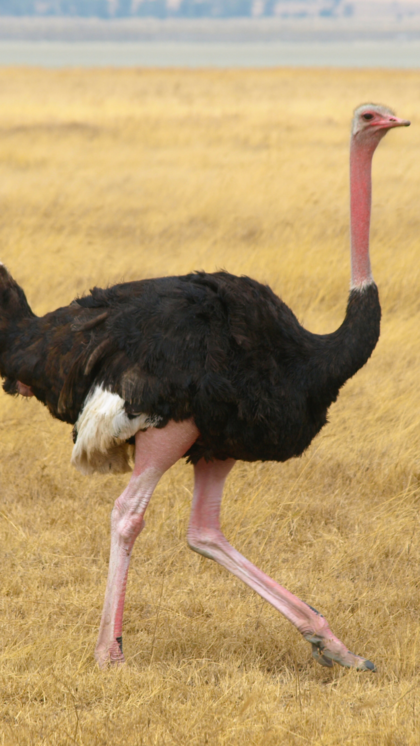
The ostrich is the tallest and heaviest bird in the world. It can grow up to 9 feet tall and weigh over 320 pounds.
Ostriches live in Africa and run very fast to escape danger. Their long legs help them cover big distances quickly.
- Height: up to 9 feet (2.7 meters)
- Weight: up to 320 pounds (145 kilograms)
- Speed: can run up to 45 miles per hour (72 km/h)
- Habitat: African savannas and deserts
Emu
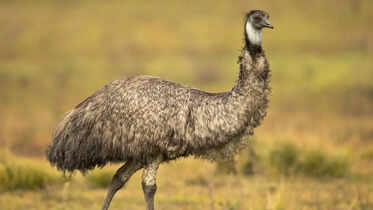
The emu is the second largest flightless bird. It stands about 6 feet tall and weighs up to 130 pounds.
Emus live in Australia and can run fast using their strong legs. They travel far to find food and water.
- Height: around 6 feet (1.8 meters)
- Weight: up to 130 pounds (59 kilograms)
- Speed: can run up to 30 miles per hour (48 km/h)
- Habitat: Australian forests and grasslands
Southern Cassowary
The southern cassowary is a heavy, tall bird found in Australia and New Guinea. It grows up to 6 feet tall and can weigh 130 pounds.
This bird is known for its colorful neck and strong legs. It moves quietly in the forest and can be very dangerous if threatened.
- Height: up to 6 feet (1.8 meters)
- Weight: up to 130 pounds (59 kilograms)
- Habitat: rainforests of Australia and New Guinea
- Special feature: bright blue and red neck colors
Record-breaking Bird Species
Birds are amazing creatures with many records. Some birds have the largest eggs. Others travel the longest distances. Some can fly at very high speeds.
Let's explore some of the biggest and fastest birds in the world. These birds show how diverse and powerful nature can be.
Largest Eggs
The bird with the largest eggs is the ostrich. Its eggs are huge compared to other birds. An ostrich egg can be about 15 centimeters long.
Ostrich eggs weigh about 1.4 kilograms. They are strong and thick to protect the baby inside. People sometimes use these eggs for cooking or decoration.
- Ostrich eggs are the biggest bird eggs
- They are about 15 cm long and 1.4 kg heavy
- The eggs have a thick shell for protection
Longest Migration
The Arctic tern holds the record for the longest migration. This bird flies from the Arctic to the Antarctic every year. It travels about 40,000 kilometers in total.
This long trip helps the tern find food and better weather. It is one of the most incredible journeys in the animal world.
- Arctic terns fly from the North Pole to South Pole
- The total migration distance is about 40,000 km
- This trip happens twice every year
Fastest Flight
The peregrine falcon is the fastest bird in flight. It can reach speeds over 320 km/h during a dive. This speed helps it catch prey in the air.
In level flight, it flies slower but still very fast. The peregrine falcon is a skilled hunter known for its speed and power.
- Peregrine falcon dives at speeds over 320 km/h
- It uses speed to catch other birds in mid-air
- One of the fastest animals on Earth
Adaptations For Size And Flight
Biggest bird species have special features to support their large size. These features help them fly despite their weight.
Their bodies are built to balance strength and lightness. This balance allows them to move through the air efficiently.
Wing Structure
Large birds have wide wings with strong bones. Their wings spread out to hold more air and lift their heavy bodies.
The shape of the wings helps them glide for long distances. They use less energy by soaring on air currents.
- Long wings increase lift
- Strong bones support wing weight
- Wing shape aids smooth gliding
Muscle Strength
Big birds have powerful flight muscles. These muscles control wing movement and provide the force for takeoff.
Their breast muscles are especially large to help flap heavy wings. Strong muscles keep them flying longer.
- Large breast muscles move wings
- Strong muscles help in takeoff
- Muscle endurance supports long flight
Feather Composition
Feathers of large birds are strong but light. They have a special structure to reduce weight without losing strength.
Feathers overlap to create smooth surfaces. This helps air flow easily over wings during flight.
- Lightweight feathers reduce total weight
- Strong feather shafts support wing shape
- Overlapping feathers create smooth airflow

Credit: www.yahoo.com
Conservation Status Of Giant Birds
Giant birds are some of the largest animals on Earth. Many of these birds face serious risks to their survival. Protecting them is important for nature and ecosystems.
Their conservation status varies by species. Some are critically endangered, while others have stable populations. Understanding their threats helps protect these giant birds.
Threats To Large Birds
Large birds face many dangers in the wild. Habitat loss is a major problem for their survival. Human activities like farming and building destroy their homes.
Hunting and poaching also reduce their numbers. Some people hunt birds for food or trade. Pollution and climate change add more risks to their survival.
- Habitat destruction from farming and logging
- Illegal hunting and poaching
- Pollution affecting food and water
- Climate change altering their environment
- Collisions with power lines and wind turbines
Protection Efforts
Many groups work to protect giant birds. They create safe areas where birds can live and breed. Laws also help stop hunting and trade of these birds.
Scientists study these birds to learn how to help them. Education programs teach people why giant birds are important. These efforts support bird survival and growth.
- Establishing wildlife reserves and parks
- Enforcing laws against hunting and trade
- Research and monitoring of bird populations
- Public education and awareness campaigns
- Habitat restoration projects
Success Stories
Some giant bird species have improved thanks to protection efforts. The California Condor is one example. Its population grew after captive breeding programs.
The Andean Condor also shows recovery in parts of South America. These stories give hope for other large birds facing threats. Continued work can save more species.
- California Condor population increased from 27 to over 400
- Andean Condor numbers rising in protected areas
- Helmeted Hornbill protected through anti-poaching efforts
- Ostrich populations stable due to farming and reserves
Credit: timesofindia.indiatimes.com
Frequently Asked Questions
What Is The Largest Bird In The World?
The ostrich is the largest bird in the world. It stands at about 9 feet tall and weighs up to 345 pounds. Ostriches are native to Africa and are known for their speed and agility. They cannot fly but can run at speeds of up to 45 miles per hour.
Which Bird Has The Largest Wingspan?
The wandering albatross holds the record for the largest wingspan. Its wingspan can reach up to 12 feet, allowing it to glide effortlessly over the ocean. These birds are incredible travelers and can cover vast distances during their migrations across the Southern Ocean.
How Heavy Can The Heaviest Bird Get?
The heaviest bird is the common ostrich. A male ostrich can weigh between 220 to 345 pounds. Despite their weight, ostriches are fast runners and can maintain high speeds. They use their powerful legs for defense and can deliver strong kicks when threatened.
Are There Any Flightless Big Birds?
Yes, several large birds are flightless. The most notable is the ostrich, which is the largest. Other examples include the emu, cassowary, and rhea. These birds have adapted to their environments and have strong legs for running or defense instead of flight.
Conclusion
Big birds amaze us with their size and strength. Some can fly high, while others walk or swim. They live in many places worldwide. Each species has unique features and habits. Learning about them helps us appreciate nature’s variety. Protecting these birds keeps our planet healthy.
Their presence shows a balanced environment. Watching a big bird feels like seeing a living giant. Nature’s wonders are all around us, waiting to be discovered.