
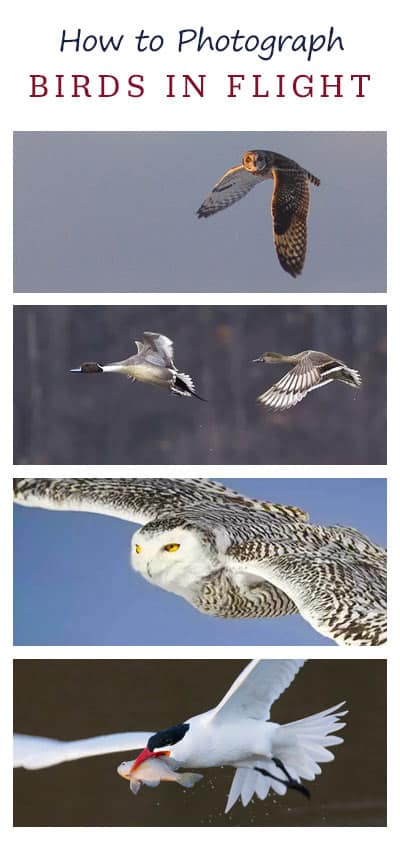
Have you ever wanted to capture the beauty of birds in flight or the delicate details of their feathers? Photographing birds can be both exciting and challenging, but with the right tips, you can take stunning photos that stand out.
Whether you're a beginner or looking to improve your skills, this guide will help you understand how to spot the best moments, choose the right gear, and master techniques that make your bird photos come alive. Get ready to transform your photography and bring the vibrant world of birds right to your lens.
Keep reading to discover how you can start snapping amazing bird photos today!
Gear Essentials
Photographing birds needs the right gear. Good tools help capture clear and sharp images.
Choosing the right camera and accessories makes bird photography easier and more fun.
Choosing The Right Camera
Pick a camera with fast autofocus and good image quality. A camera with high frame rates helps catch quick bird movements.
DSLR and mirrorless cameras work well. Look for cameras with good low-light performance for early morning shots.
Best Lenses For Bird Photography
Long lenses let you photograph birds from far away without scaring them. Telephoto lenses are best for this.
A lens with a focal length between 300mm and 600mm is ideal. Lenses with image stabilization reduce blur from hand movements.
- 300mm to 600mm telephoto lens
- Image stabilization feature
- Fast aperture (like f/4 or f/5.6) for better light
- Zoom or prime lenses depending on your style
Tripods And Stabilizers
Tripods keep the camera steady for sharp photos. They help when using heavy lenses or slow shutter speeds.
Stabilizers like monopods offer more movement while still reducing shake. Choose one that is strong but light to carry.
- Sturdy tripod with adjustable height
- Monopod for mobility and support
- Gimbal head for smooth lens movement
- Lightweight gear for long hikes

Credit: photzy.com
Camera Settings
Photographing birds needs the right camera settings. Good settings help you capture sharp and clear photos.
Adjusting shutter speed, aperture, ISO, and focus properly makes a big difference in your shots.
Shutter Speed And Aperture
Use a fast shutter speed to freeze bird movement. Slow speeds cause blur in flying birds.
Set aperture to control depth of field. A wide aperture blurs the background and highlights the bird.
- Shutter speed: 1/1000 second or faster for flying birds
- Aperture: f/4 to f/8 for good background blur and sharpness
- Use smaller aperture (higher f-number) for perched birds to get more focus
Iso Settings For Different Conditions
ISO controls your camera's sensitivity to light. Use low ISO in bright light to reduce noise.
Increase ISO in low light but watch for grainy images. Find a balance between brightness and noise.
| Condition | Recommended ISO |
|---|---|
| Bright daylight | 100 - 400 |
| Cloudy or shaded areas | 400 - 800 |
| Early morning or late evening | 800 - 1600 |
| Low light or indoors | 1600 or higher |
Focus Modes And Autofocus Tips
Use continuous autofocus (AI Servo or AF-C) to track moving birds. It keeps focus as birds move.
Select a focus mode with multiple points or zone focusing. This helps capture birds that move fast.
- Use single-point focus for stationary birds
- Choose continuous autofocus for flying birds
- Set your camera to burst mode for multiple shots
- Practice focusing on the bird’s eye for sharp photos
Finding Birds
Finding birds is the first step to take great photos. Knowing where and when to look helps you see more birds.
Birds live in many places. Learning about their homes and habits will improve your chances of finding them.
Best Locations And Habitats
Birds live in different habitats like forests, wetlands, and fields. Each habitat has unique birds to photograph.
Look for places with water, trees, and plants. These spots attract many birds for food and shelter.
- Forests offer many small songbirds and woodpeckers.
- Wetlands attract ducks, herons, and shorebirds.
- Open fields are good for raptors and ground birds.
- Urban parks can have pigeons, sparrows, and crows.
Timing And Seasons
Bird activity changes by time of day and season. Early morning and late afternoon are best times to see birds.
Seasons affect which birds are present. Migration seasons bring many species passing through your area.
- Spring and fall are key migration seasons.
- Summer has nesting birds and young chicks.
- Winter shows hardy birds and some migrants.
- Early morning has active feeding birds.
- Late afternoon has birds preparing to roost.
Using Bird Calls And Attractants
Bird calls help attract or locate birds. Playing calls softly can bring curious birds closer.
Attractants like bird feeders or water baths invite birds to visit. Use these to increase chances of photos.
- Use recorded bird calls for the species you want to find.
- Place feeders with seeds or suet to attract small birds.
- Provide fresh water for drinking and bathing.
- Be quiet and patient when using calls or feeders.
Composing Shots
Taking good bird photos needs careful composition. You want your pictures to look clear and interesting.
Good composition helps show the bird’s beauty and story. Focus on how you arrange the bird in the frame.
Framing And Backgrounds
Choose a simple background so the bird stands out. Avoid busy or bright backgrounds that distract from the bird.
Frame the bird so it is not dead center. Use the rule of thirds to place the bird off to one side for a balanced photo.
- Look for natural frames like branches or leaves
- Use a shallow depth of field to blur the background
- Keep backgrounds plain or softly colored
Capturing Action And Behavior
Birds show many behaviors like flying, feeding, or singing. Capture these moments to tell a story.
Use a fast shutter speed to freeze action and avoid blur. Be patient and watch the bird’s moves closely.
- Focus on the bird’s eye for sharpness
- Use burst mode to take many shots quickly
- Try to capture natural behaviors and poses
Lighting And Angles
Good light makes bird colors bright and clear. Shoot during early morning or late afternoon for soft light.
Change your angle to find the best view. Shooting at eye level with the bird gives a strong connection.
- Avoid harsh midday sun to reduce shadows
- Use side lighting to show bird texture
- Try low angles for a dramatic effect
Field Techniques
Photographing birds in nature takes skill and care. Using the right field techniques helps you get good photos.
These techniques help you get close to birds without scaring them away. They also improve your chances of capturing natural moments.
Approaching Birds Without Disturbing
Birds are easily scared by sudden movements and loud noises. Move slowly and quietly to avoid spooking them.
Watch the wind direction and approach from downwind so birds do not smell you. Keep a low profile by crouching or crawling.
- Wear neutral-colored clothes that blend with nature
- Walk slowly and pause often to avoid sudden moves
- Use natural cover like bushes or trees when moving
- Keep your shadow away from the bird’s area
Using Blinds And Hides
Blinds and hides help you stay hidden while photographing birds. They reduce the chance that birds will notice you.
You can buy portable blinds or build simple hides using natural materials. Place them near bird feeding or nesting spots.
- Set up the blind before birds arrive
- Stay quiet inside the hide
- Wear camouflage to avoid being seen through openings
- Keep your movements slow and limited
Patience And Observation
Patience is key to bird photography. Birds often take time to show interesting behavior or good poses.
Spend time watching birds to learn their habits. Notice when they feed, rest, or call. This knowledge helps you take better photos.
- Stay still and quiet for long periods
- Use binoculars to observe from a distance
- Learn common bird behaviors and signs
- Be ready to take photos quickly when birds act naturally
Post-processing Tips
Editing bird photos helps improve their quality. It brings out details and colors that the camera might miss.
Good post-processing can make your bird images look clear and lively. It also removes unwanted elements.
Editing For Sharpness And Color
Sharpness makes the bird's feathers stand out. Adjusting color brings natural beauty back to your photo.
Use editing tools to increase sharpness carefully. Too much can make the image look fake.
- Increase sharpness slightly for clear details
- Adjust brightness and contrast to balance light
- Enhance colors to match real bird tones
- Use white balance to correct color shifts
Cropping For Impact
Cropping removes empty space and focuses on the bird. It makes your photo more powerful and clear.
Try to place the bird using the rule of thirds. This creates a balanced and interesting image.
- Cut out distracting background areas
- Keep the bird’s eye near a focal point
- Crop tightly to show feather details
- Maintain enough space for the bird to “look” into
Removing Distractions
Distractions like branches or spots can take attention from the bird. Removing them cleans the image.
Use editing software to erase or blur unwanted parts. Keep the photo natural and easy to look at.
- Remove bright spots or stray objects
- Blur busy backgrounds softly
- Fix lens spots or dust marks
- Keep the bird as the main focus
Ethical Practices
Photographing birds is a rewarding hobby that needs care. Ethical practices keep birds safe and happy.
Respect for nature helps protect bird populations. Follow simple rules to avoid harming wildlife.
Respecting Wildlife
Always keep a safe distance from birds. Do not touch or chase them. Use a zoom lens to get close photos.
Stay quiet and move slowly. Loud noises and sudden moves scare birds. Let them act naturally for better shots.
Avoiding Habitat Damage
Do not trample plants or disturb nests. Stay on marked trails and avoid fragile areas. Protect the birds’ homes.
- Walk carefully to avoid crushing plants
- Do not remove sticks or leaves
- Leave nests and eggs alone
- Take only pictures, leave no trash
Following Local Regulations
Learn the rules of the area before you go. Some places have limits on where you can go or what you can do.
Respect any permits or guidelines. Following laws protects birds and helps you avoid fines or trouble.
Credit: www.jonathanangelascott.com

Credit: digital-photography-school.com
Frequently Asked Questions
What Camera Settings Work Best For Bird Photography?
Use a fast shutter speed (1/1000s+) to freeze motion. Set ISO between 400-800 for clarity. Use aperture f/5. 6 to f/8 for sharp focus. Shoot in continuous mode to capture action. Adjust settings based on lighting and bird speed.
How Can I Attract Birds For Photos?
Use bird feeders with seeds or suet. Create a quiet, natural environment. Avoid sudden movements or loud noises. Plant native trees and shrubs for shelter. Early morning is the best time to attract birds.
What Lenses Are Ideal For Bird Photography?
Telephoto lenses between 300mm and 600mm work best. They allow close-up shots from a distance. Use lenses with image stabilization for sharper photos. A zoom lens offers flexibility in framing shots.
How Do I Focus On Fast-moving Birds?
Use continuous autofocus (AI Servo/AF-C) mode. Pre-focus on a spot birds frequent. Track the bird smoothly with your camera. Use burst mode to increase capture chances. Practice patience and steady hand movements.
Conclusion
Capturing birds in photos is a rewarding experience. Practice makes perfect. Start with local birds to build skills. Use natural light to enhance colors. Patience is key. Wait quietly for the perfect shot. Experiment with different angles and settings. Every bird is unique.
Respect their habitat while shooting. Keep learning and trying new techniques. Share your photos with others to inspire. Enjoy the journey of bird photography. It brings joy and connection with nature. Happy photographing!


