A Bird That Sounds Like a Rooster? Common Birds Explained
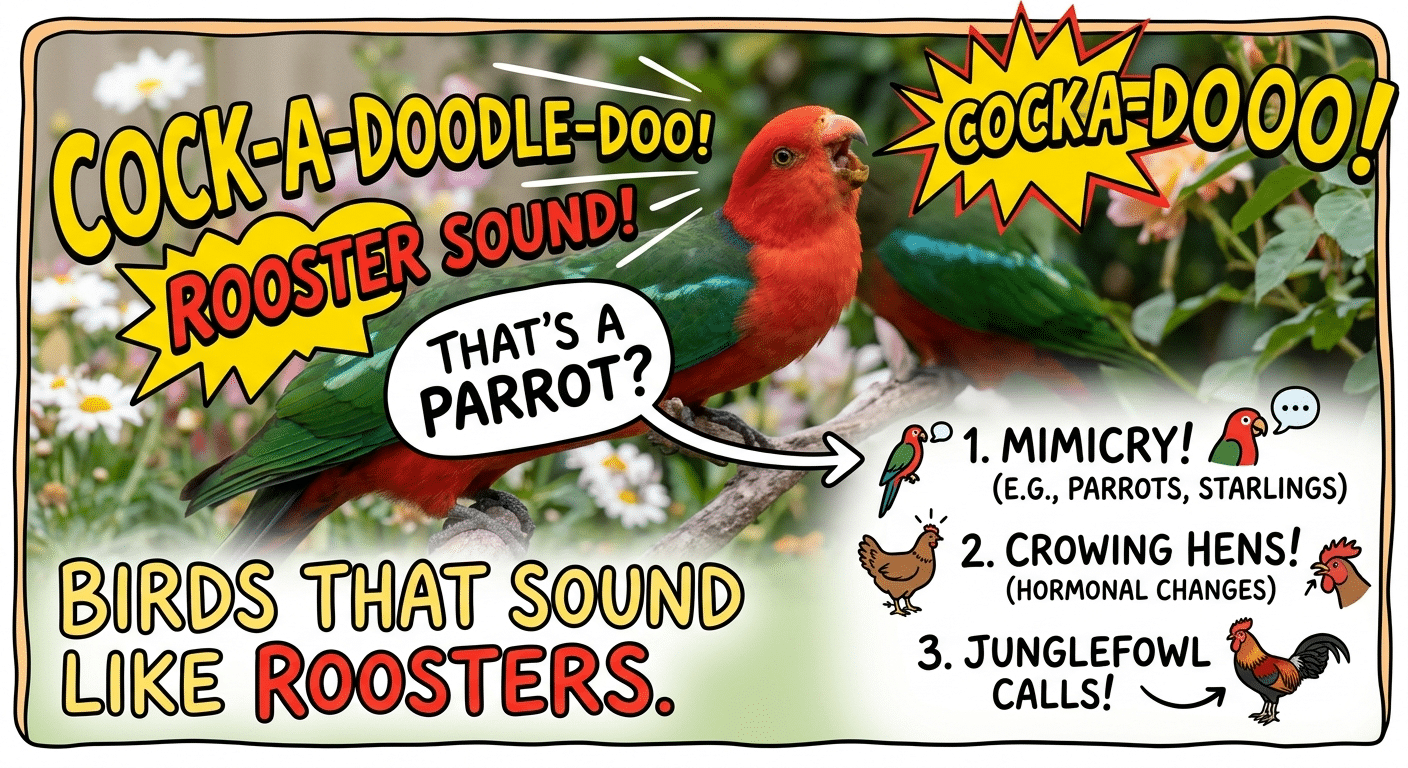
Have you ever heard a bird crowing like a rooster and wondered what it could be? It’s surprising how some birds mimic sounds you wouldn’t expect.
A Bird That Sounds Like a Rooster is not just a term; it represents a fascinating aspect of avian behavior.
If you’re curious about which bird sounds just like a rooster, you’re in the right place. This discovery can change how you listen to nature around you. Keep reading, and you’ll learn about this fascinating bird and why it sounds so much like a rooster.
Learning about A Bird That Sounds Like a Rooster can enhance your appreciation for these vocal talents.
Your next walk outside might never sound the same again!
Birds Mimicking Rooster Sounds
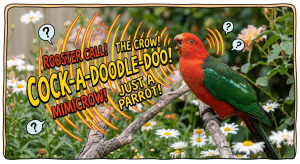
Some birds can copy the sound of a rooster’s crow. This is a form of mimicry. Birds use this skill to communicate or protect themselves.
For many, discovering A Bird That Sounds Like a Rooster brings joy to their outdoor experiences.
These birds live in places where roosters are common. They learn the sounds and imitate them well. This surprises many people who hear these calls in nature.
Common Birds That Imitate Roosters
Several bird species are known to mimic rooster sounds. They use this mimicry for different reasons. Here are some common ones:
A Bird That Sounds Like a Rooster is often found in diverse habitats around the world.
- Mynah Birds – Known for their clear vocal mimicry, they copy many sounds including roosters.
- Mockingbirds – These birds imitate a wide range of noises, including crowing roosters.
- Crows and Ravens – Intelligent birds that can mimic roosters and other animal sounds.
- Lyrebirds – Famous for copying many sounds, they sometimes mimic roosters in the wild.
These birds live near farms or rural areas. This exposure helps them learn rooster calls easily.
People can often hear A Bird That Sounds Like a Rooster during their morning walks.
Reasons Behind Rooster-like Calls
Birds mimic roosters for several reasons. One reason is to scare off other animals. The sound of a rooster can warn predators or rivals.
Birds also mimic roosters to fit in their environment. Copying common sounds helps them avoid danger and find food. Some do it to attract mates by showing their vocal skill.
- Protection – Imitating roosters can scare away threats.
- Communication – Birds use sounds to send messages.
- Social interaction – Mimicry helps birds join groups.
- Mating – Complex sounds can attract partners.

Credit: www.eastsideaudubon.org
There are many interesting facts about A Bird That Sounds Like a Rooster that you might not know.
The Lyrebird’s Unique Call
The lyrebird is a bird found in Australia. It is famous for its special sound. It can make noises that sound like a rooster.
A Bird That Sounds Like a Rooster captures the attention of bird watchers everywhere.
Its call is very clear and loud. People often hear it in forests where lyrebirds live. This bird’s call is one of nature’s wonders.
Habitat And Behavior
Lyrebirds live in dense forests. They prefer wet and cool places. These areas have many trees and plants.
Lyrebirds spend time on the ground. They look for insects and worms to eat. They also use their calls to find mates and mark their territory.
Mimicry Skills Beyond Roosters
Recognizing A Bird That Sounds Like a Rooster can be an exciting challenge for many enthusiasts.
Lyrebirds do not only copy roosters. They can mimic many other sounds. This includes other birds, animals, and even machines.
- Calls of other birds
- Chainsaws and cameras
- Car alarms and human voices
These mimicry skills help lyrebirds survive. They confuse predators and attract mates with their sounds.
Other Notable Rooster-sounding Birds
Some birds produce sounds that closely resemble a rooster’s crow. These sounds can surprise bird watchers and nature lovers. Two birds known for their rooster-like calls are the Australian Magpie and the Northern Mockingbird.
Learning about A Bird That Sounds Like a Rooster can spark curiosity in wildlife.
Each bird has unique habits and calls, yet their sounds can remind listeners of a rooster’s crow. Let’s explore these birds and their interesting calls.
The Australian Magpie
The Australian Magpie is famous for its loud, clear calls. It can mimic sounds from its environment, including the crow of a rooster. This bird often uses its voice to mark territory and communicate.
-
- Common in Australia and parts of New Guinea
- Known for its melodious and complex calls
- Can imitate other birds and sounds, including roosters
- Often sings during early morning and late afternoon
Understanding A Bird That Sounds Like a Rooster is essential for appreciating their unique sounds.
The Northern Mockingbird
The Northern Mockingbird is a skilled mimic. It copies the songs of other birds and even sounds like a rooster. It uses its many calls to defend its territory and attract mates.
People often seek out A Bird That Sounds Like a Rooster in their local parks.
| Feature | Description |
| Habitat | North America |
| Call Type | Varied, including rooster-like sounds |
| Purpose of Calls | Territory defense and mating |
| Behavior | Mimics many sounds from the environment |

Credit: www.reddit.com
Biological Benefits of Mimicry
Some birds can sound like roosters to survive better. This mimicry helps them in nature. It tricks other animals and helps the bird stay safe.
Mimicry gives birds useful tools. It helps them avoid danger and communicate with others. These benefits improve their chances of living longer.
A Bird That Sounds Like a Rooster plays an important role in many ecosystems.
Predator Deterrence
Birds that sound like roosters scare predators away. The loud rooster call makes predators think a bigger animal is near. This keeps the bird safe from attacks.
The mimicry also confuses predators. They may stop hunting because they do not want to fight a rooster. This gives the mimic bird more time to escape.
Communication And Territory
Birds use rooster sounds to talk to others. This helps them mark their area and warn rivals. The mimicry keeps their territory safe and respected.
Many bird enthusiasts actively search for A Bird That Sounds Like a Rooster during their outings.
The sound also attracts mates. Birds that mimic roosters show strength and skill. This helps them find partners and raise young successfully.
How To Identify These Birds by Sound
Some birds make sounds that are very similar to a rooster’s crow. These sounds can confuse bird watchers. Learning how to tell the difference helps you identify the right bird.
Listening carefully to the bird’s call is the best way to know which bird you are hearing. Pay attention to the tone, rhythm, and pattern of the sounds.
Key Vocal Features
Birds that sound like roosters have some unique vocal features. Their calls may start with a sharp crow but often change in pitch or rhythm.
-
- The sound can be shorter or longer than a rooster’s call.
- Some birds add whistles or trills after the crowing sound.
Focusing on A Bird That Sounds Like a Rooster can enhance your birdwatching skills.
- The pitch may rise or fall, unlike the steady rooster crow.
- Calls might repeat more or less often than a rooster’s call.
Listening Tips for Birdwatchers
To identify birds by their sounds, find a quiet spot outside. Use headphones if you record bird calls to catch all the details.
Try to notice the timing and pattern of the call. Some birds call early in the morning, while others call at different times of the day.
-
- Listen for the length and number of crows or calls.
- Focus on pitch changes and added sounds like whistles.
Next time you hear A Bird That Sounds Like a Rooster, take a moment to enjoy its unique call.
- Note the time of day when you hear the call.
- Compare the sound to recordings from trusted bird guides.
Impact On Local Ecosystems
A bird that sounds like a rooster can affect local ecosystems in many ways. Its calls may change how other animals behave around it.
This bird’s presence can influence both plants and animals in the area. Understanding these effects helps us see its role in nature.
A Bird That Sounds Like a Rooster can significantly impact how ecosystems function.
Interactions With Native Species
This bird can compete with native birds for food and space. Its calls might confuse other animals, changing their actions.
-
- It may scare away smaller bird species.
- It can compete for nesting sites with native birds.
- Its call might disrupt mating signals of local species.
- It could attract predators unfamiliar with native birds.
Understanding A Bird That Sounds Like a Rooster can lead to a greater appreciation of avian diversity.
Influence On Human Perception
People often confuse this bird’s call with a rooster. This can affect how locals view the environment and wildlife.
| Human Reaction | Effect on Ecosystem |
| Confusion with Rooster | Misunderstanding of wildlife presence |
| Curiosity or Concern | Changes in local animal feeding or care |
| Noise Complaints | Possible actions to remove or relocate bird |
Frequently Asked Questions
What Bird Sounds Like A Rooster But Isn’t One?
The Lyrebird is famous for mimicking roosters and other sounds. It imitates calls with remarkable accuracy, often confusing listeners.
Why Do Some Birds Mimic Rooster Sounds?
Birds mimic rooster sounds for communication, territory defense, or attracting mates. This vocal mimicry helps them adapt and survive in their environment.
Where Can I Hear Birds That Sound Like Roosters?
Lyrebirds and some mockingbirds, found in Australia and North America, mimic rooster sounds. Visiting wildlife parks or natural habitats increases chances to hear them.
How To Distinguish a Bird from a Real Rooster Sound?
Identifying A Bird That Sounds Like a Rooster can enhance your understanding of bird behavior.
Bird mimicry often has subtle differences like pitch or rhythm. Listening closely for variations helps identify if it’s a bird or an actual rooster.
Conclusion
Discovering a bird that mimics a rooster is fascinating. Nature’s wonders never cease to amaze. Such birds add charm to our environment. Their unique calls captivate bird enthusiasts and casual listeners alike. Listening to their sounds can be a delightful experience.
Embrace the wonders of A Bird That Sounds Like a Rooster in your next outdoor adventure.
These birds remind us of nature’s creativity. Observing them can spark curiosity and wonder. It enriches our appreciation for wildlife. So, next time you hear a rooster-like call, pause. Enjoy the melody. Appreciate the bird’s unique talent. Nature holds endless surprises, waiting for us to explore.
Keep listening. Keep learning.