Have you ever wondered what a forest bird truly needs to thrive? Imagine yourself in its place—surrounded by towering trees, fresh air, and endless freedom.
Yet, there’s one thing A Forest Bird Never Wants a Cage, something that threatens its very way of life. Understanding this can change the way you see nature and your role in protecting it. Keep reading, and you’ll discover the surprising truth that could inspire you to make a difference today.
The Spirit Of Forest Birds
Forest birds live with a strong spirit that reflects their wild homes. Their lives show freedom and connection to nature.
Understanding their spirit helps us respect their role in the forest and protect their way of life.
Innate Desire For Freedom
Forest birds have a deep need to be free. They fly across the trees and explore wide areas without limits.
- They avoid cages and tight spaces.
- Flight gives them joy and survival skills.
- Freedom helps them find food and mates.
- It protects their spirit from fear and stress.
Natural Habitats And Behaviors
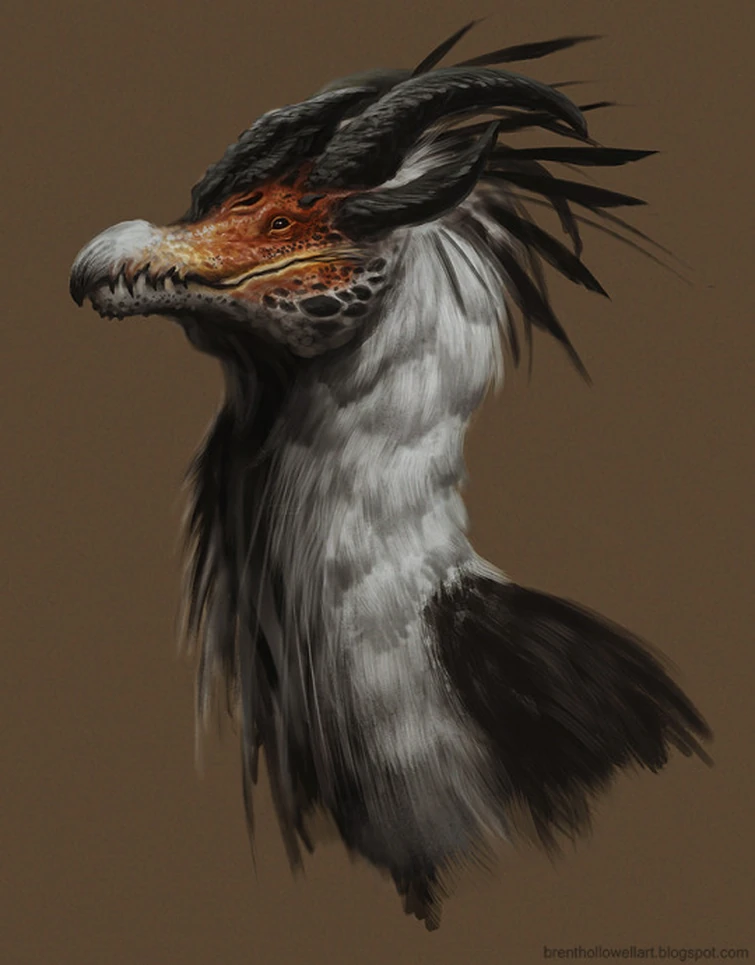
Forest birds live in many types of forests. Each bird fits into its home with special habits and ways to survive.
| Bird Species | Habitat | Common Behavior |
| Woodpecker | Deciduous forests | Drilling tree trunks for insects |
| Owls | Dense forests | Hunting at night silently |
| Warblers | Mixed woodlands | Singing to mark territory |
| Hummingbirds | Tropical forests | Hovering near flowers |
Credit: feather-family.fandom.com
The Impact Of Captivity
A forest bird never wants a cage. Captivity changes its life in many ways. These changes affect the bird’s body and mind.
Understanding these effects helps us see why birds belong in the wild. Captivity can cause serious harm to their natural way of living.
Physical And Mental Effects
Being in a small space can hurt a bird’s body. Birds need to fly and move freely to stay healthy.
Captive birds often show signs of stress. They may pluck their feathers or act nervously. This shows their mind suffers too.
- Weakened muscles from lack of flying
- Feather damage from stress
- Weight problems due to poor diet
- Behavioral issues like pacing or biting
Loss Of Natural Instincts
Birds learn survival skills from nature. Captivity stops this learning. Birds may forget how to find food or avoid danger.
This loss makes it hard for birds to live outside cages again. Their natural instincts fade as they stay in captivity.
- Reduced ability to find food
- Less skill in avoiding predators
- Weakened social behaviors
- Loss of natural nesting habits
Symbolism Of Birds And Freedom
Birds often stand for freedom. They move through the sky with ease.
Their flight shows the power to escape limits and explore new places.
Cultural Significance
Many cultures see birds as signs of freedom and hope. They link birds to the soul and dreams.
- In Native American culture, birds are messengers between worlds.
- In ancient Egypt, birds symbolized the spirit’s journey after life.
- In Asian traditions, cranes stand for peace and long life.
- In Celtic myths, birds often guide heroes on their quests.
Birds In Art And Literature
Artists and writers use birds to express ideas of freedom and change. Birds appear in poems, paintings, and stories.
| Art Form | Symbolic Meaning |
| Painting | Freedom and flight |
| Poetry | Hope and new beginnings |
| Stories | Transformation and escape |
| Music | Joy and spirit |

Credit: wondermyway.com
Conservation And Ethical Considerations
Birds in forests play an important role in nature. They help keep the environment healthy. Protecting these birds is important for all living things.
Many people want to keep forest birds as pets. This can hurt wild bird populations and cause problems. We must think about what is best for the birds.
Protecting Wild Populations
Wild birds face threats like habitat loss and hunting. Taking birds from the forest lowers their numbers. This can harm the whole ecosystem.
We need laws and rules to stop illegal bird capture. Protecting forests helps birds have safe homes. People can also help by learning about birds and their needs.
- Enforce laws against bird trapping
- Preserve natural forests and habitats
- Educate communities about bird protection
- Support conservation programs
Alternatives To Captivity
Birds belong in the wild, not cages. Keeping them in captivity can cause stress and sickness. There are better ways to enjoy birds without hurting them.
Bird watching and nature photography let people see birds freely. Creating bird-friendly gardens helps birds live near homes safely. Rescue centers care for injured birds before releasing them.
- Watch birds in their natural habitats
- Build gardens with native plants for birds
- Visit wildlife rescue and rehabilitation centers
- Support bird conservation efforts
Living Harmoniously With Forest Birds
Forest birds add beauty and life to natural spaces. They rely on healthy environments to thrive. We can help by learning how to live with them in peace.
Respecting birds means protecting their homes and habits. Small actions can make a big difference for their survival and happiness.
Creating Bird-friendly Environments
To welcome forest birds, provide safe and natural places for them. Avoid using chemicals that harm birds and their food sources.
- Plant native trees and shrubs that offer food and shelter
- Keep water sources clean and fresh for drinking and bathing
- Install bird feeders and nesting boxes in quiet spots
- Leave dead trees standing if safe, as they offer homes for birds
- Reduce noise and light pollution near bird habitats
Supporting Wildlife Preservation Efforts
Helping protect forest birds goes beyond your own yard. Support groups working to save habitats and educate others.
| Action | How You Can Help |
| Join local birdwatching groups | Learn and share knowledge about birds |
| Volunteer for habitat restoration | Plant trees and remove invasive species |
| Donate to wildlife organizations | Support research and conservation projects |
| Spread awareness | Talk to friends and family about protecting birds |

Credit: theflacks.co.za
Frequently Asked Questions
What Does "a Forest Bird Never Wants A " Mean?
It means forest birds avoid things that harm their habitat or safety. They seek natural, quiet environments to thrive. Disruptions like pollution, predators, or habitat loss are what they never want. The phrase highlights birds’ need for a peaceful, healthy forest home.
Why Do Forest Birds Avoid Certain Habitats?
Forest birds avoid habitats that lack food, shelter, or safety. They prefer areas rich in trees, insects, and nesting spots. Disturbed or polluted places reduce their chances of survival. Avoiding poor habitats helps them find better resources to live and reproduce.
How Does Habitat Loss Affect Forest Birds?
Habitat loss reduces food sources and nesting areas for forest birds. It forces birds to move to less suitable places, lowering survival rates. This loss also disrupts breeding and increases exposure to predators. Protecting forests is crucial for maintaining healthy bird populations.
What Can Harm A Forest Bird's Environment?
Pollution, deforestation, invasive species, and loud noises harm forest birds’ environments. These factors destroy natural habitats and scare birds away. Such disturbances reduce food availability and nesting safety. Maintaining clean, quiet, and intact forests supports bird well-being.
Conclusion
A forest bird never desires a cage. It thrives in freedom. Nature offers its home, food, and joy. A lesson for us all. Embrace simplicity and cherish liberty. Birds teach us the value of open skies and endless possibilities. Like them, we should seek our own path.
Not confined by limits, but guided by dreams. Nature supports life in its purest form. We can learn from its wisdom and beauty. Fly free like the forest bird. Find happiness in the natural world around you.