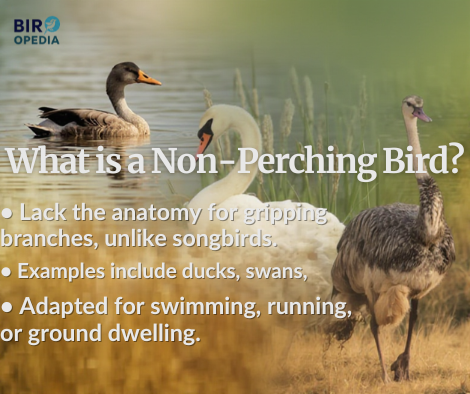
Have you ever spotted a bird sitting quietly on an apple tree and wondered, Apple Tree is This Bird Perched On? You’re not alone. Many nature lovers ask this same question when observing birds in gardens and orchards. Understanding Apple Tree is This Bird Perched On can help you connect more deeply with nature and learn how trees and birds depend on each other.
You’ll discover simple ways to recognize different apple tree species just by observing their leaves, bark, and fruit. By the end, you’ll feel confident spotting these trees and appreciating the unique charm each one holds. Ready to become an apple tree expert?
Let’s dive in!
Common Apple Tree Species
Apple trees grow in many places around the world. Birds often perch on their branches.
Knowing Apple Tree is This Bird Perched On becomes easier when you understand common apple tree species and where birds prefer to rest.
Malus Domestica
Malus domestica is the common apple tree we find in orchards. It produces the apples we eat daily.
These trees have broad leaves and white or pink flowers in spring. Fruits come in many colors and sizes.
- Large fruit size
- Sweet or tart taste
- Used for fresh eating and cooking
Crabapple Varieties
Crabapples are smaller apple trees with tiny fruits. Birds like to eat their fruit in fall and winter.
These trees have dense branches and often colorful flowers. They are common in parks and gardens.
- Small, tart fruits
- Used for jams and jellies
- Attracts birds and pollinators
Wild Apple Trees
Wild apple trees grow naturally in forests and fields. Their fruit is usually small and sour.
Birds perch on these trees to eat insects and apples. Wild apples help spread seeds in nature.
- Smaller fruit size
- More sour taste
- Important for wildlife food

Credit: seabrookeleckie.com
Identifying Apple Trees by Leaves
Apple trees have unique leaves that help us tell their species. Learning about their leaves makes it easier to identify the tree.
This guide covers leaf shape, size, color, and how leaves change through seasons.
Leaf Shape and Size
Apple tree leaves usually have an oval shape with a pointed tip. They often have a slightly serrated edge. Size can range from 2 to 5 inches long.
- Most leaves are broad and flat.
- Edges show small teeth or serrations.
- Some species have rounder leaves.
- Leaf size varies by species and age.
Leaf Color Variations
Leaf color helps spot different apple species. Usually, leaves are bright green during spring and summer.
| Species | Leaf Color | Notes |
|---|---|---|
| Red Delicious | Dark Green | Glossy surface |
| Granny Smith | Light Green | Matte texture |
| Golden Delicious | Medium Green | Smooth edges |
Seasonal Changes
Apple tree leaves change colors in fall. They turn yellow, orange, or red before falling off.
- Spring: Leaves are fresh and bright green.
- Summer: Leaves grow larger and darker.
- Fall: Leaves change color and drop.
Apple Tree Bark Characteristics
Bird watchers and tree lovers often ask which apple tree species a bird sits on. One way to tell is by looking at the bark. Apple tree bark varies in texture, color, and age marks. These features help identify the species.
Understanding bark traits is useful for nature study and gardening. It also helps spot differences between young and old trees.
Texture Differences
Apple tree bark changes texture depending on the species and tree age. Some have smooth bark, while others have rough or cracked bark.
- Young apple trees usually have smooth bark.
- Older trees develop rough, flaky bark.
- Some species show deep ridges or plates on the bark surface.
- Bark texture can help distinguish crabapple trees from common apple trees.
Color Patterns
The color of apple tree bark varies between species and ages. Colors range from light gray to dark brown or even reddish tones.
| Species | Bark Color |
| Standard Apple Tree | Grayish-brown with greenish patches |
| Crabapple Tree | Dark brown with red tinges |
| Wild Apple | Light gray, sometimes peeling |
Age Indicators
Age shows clearly on apple tree bark. Young trees have smooth bark and few marks. Older trees show cracks, scars, and thick bark layers.
Look for these age signs:
- Smooth bark means a young tree.
- Small cracks appear as the tree grows.
- Deep fissures or rough bark show an older tree.
- Scars or marks may come from pruning or natural damage.
Apple Blossoms And Fruit Clues
Birds often perch on apple trees that show unique signs. These signs include flower color, shape, and the fruit they bear. Observing these clues helps identify the apple species.
This guide focuses on three main clues: flower color and shape, fruit size and color, and ripening periods. Each clue offers important details about the apple tree species.
Flower Color And Shape
Apple blossoms vary in color and shape depending on the species. Most have five petals, but the shade can range from pure white to deep pink. Some varieties have round petals, while others appear more pointed.
- White blossoms often indicate early blooming apples.
- Pink flowers usually belong to sweeter apple types.
- Blossoms with a mix of pink and white can show hybrid species.
Fruit Size And Color
Apple fruits differ widely in size and color. These features help narrow down the species. Some apples are small and red, while others grow large and green or yellow.
| Apple Species | Fruit Size | Fruit Color |
| McIntosh | Medium | Red and Green |
| Granny Smith | Large | Bright Green |
| Golden Delicious | Medium to Large | Yellow |
| Crabapple | Small | Red or Yellow |
Ripening Periods
Different apple species ripen at different times. Early, mid, and late-season apples show this difference clearly. Knowing the ripening period helps identify the tree.
- Early season apples ripen in late summer.
- Mid-season apples are ready in early fall.
- Late-season apples mature in late fall.
Birds And Their Favorite Apple Trees
Apple trees attract many bird species. Birds perch on branches to rest and find food.
Different birds prefer different types of apple trees. These trees provide shelter and fruit.
Bird Species And Tree Preferences
Some birds like crabapple trees for their small fruits. Others choose larger apple varieties.
Birds such as robins and cedar waxwings enjoy sweet apples. Woodpeckers like older trees with insects.
- Robins prefer trees with ripe apples
- Cedar waxwings eat small crabapples
- Woodpeckers use old apple trees for insects
- Bluebirds rest on apple tree branches
How Birds Use Apple Trees
Birds use apple trees for food, shelter, and nesting. The fruit feeds many species in fall.
Branches offer safe spots to watch for predators. Trees also provide materials for nests.
- Eating apples and insects found on bark
- Building nests in tree branches
- Hiding from predators among leaves
- Resting during long flights
Seasonal Bird Behavior
In spring, birds build nests in apple trees. They sing and claim territory.
In fall, many birds eat the fallen apples. Winter sees fewer birds but some still perch.
- Spring: Nesting and singing
- Summer: Feeding young with insects
- Fall: Eating apples and preparing for migration
- Winter: Resting and seeking shelter
Tools To Identify Apple Tree Species
Identifying the species of an apple tree can be tricky. Birds often perch on various types of apple trees. Knowing the species helps understand the habitat better.
This guide introduces simple tools to help you identify apple tree species. Use these tools in the field or at home for quick results.
Field Guides
Field guides are books or printed sheets with pictures and descriptions. They help identify trees by leaf shape, bark texture, and fruit type.
- Look for guides with clear photos of apple tree leaves and fruits.
- Use guides that cover your local region for best results.
- Check for sections on tree bark and flowering patterns.
Mobile Apps
Mobile apps use your phone’s camera to identify apple trees. They compare photos you take with their database.
| App Name | Key Feature | Cost |
| LeafSnap | Leaf photo recognition | Free |
| PlantNet | Community-based ID help | Free |
| PictureThis | Detailed plant info | Free trial, then paid |
Expert Consultations
Experts can help if you cannot identify the apple tree on your own. You can contact local botanists or horticulturists.
Here is how to prepare for expert help:
- Take clear photos of the leaves, bark, and fruit.
- Note the location and environment of the tree.
- Write down any observations about the tree’s size and shape.
- Send this information by email or bring it to a local nature center.
Tips For Observing Birds on Apple Trees
Apple trees attract many bird species. Watching them can be fun and educational. You need to know when and how to watch without disturbing the birds.
Use these tips to enjoy birdwatching on apple trees safely and effectively.
Best Times to Watch
Birds are most active early in the morning and late in the afternoon. These times are best for spotting birds on apple trees. The weather also affects bird activity. Clear, calm days bring more bird visits.
- Early morning from sunrise to 9 AM
- Late afternoon from 4 PM to sunset
- Avoid very hot or rainy days
Safe Distance Practices
Keep a safe distance to avoid scaring the birds away. Use binoculars or a zoom lens to see details. Move slowly and quietly when near apple trees. Avoid sudden movements or loud noises.
| Action | Why It Matters |
| Stay at least 10 feet away | Prevents disturbing the birds |
| Use binoculars | See birds clearly without getting close |
| Wear neutral colors | Blends with nature, less likely to scare birds |
| Move slowly | Keeps birds calm and in view longer |
Recording Observations
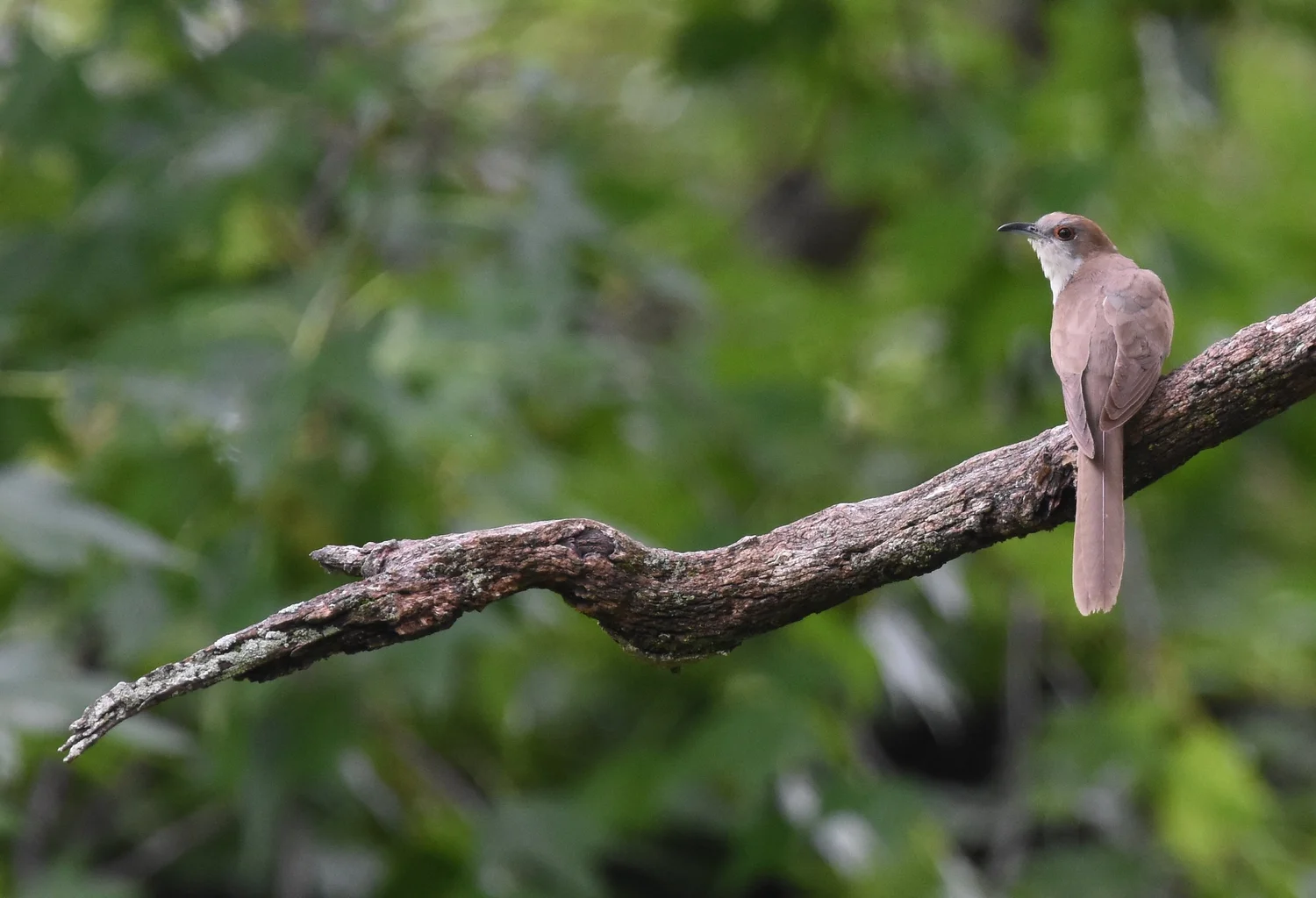
Keep a notebook or use a birdwatching app to record what you see. Note the bird species, time, and behavior. Drawing or photographing the birds helps identify them later.
- Write the date and location
- Describe the bird’s size and colors
- Note any sounds or calls
- Take photos if possible
Credit: swibirds.org

Credit: nationalzoo.si.edu
Frequently Asked Questions
What Are Common Species of Apple Trees Birds Perch On?
Birds often perch on Malus domestica, Malus sieversii, and crabapple trees. These species provide suitable branches and food sources like fruits and insects. Their structure supports bird activity and offers shelter during different seasons.
How To Identify an Apple Tree Species by Its Leaves?
Apple tree leaves vary in shape, size, and color across species. Look for oval or elliptical leaves with serrated edges. Some species have hairy undersides. Leaf texture and arrangement help distinguish one species from another.
Why Do Birds Prefer Apple Trees for Perching?
Apple trees offer ample food, shelter, and safety. Their branches provide good vantage points. Fruits attract insects, which serve as food for birds. Seasonal blooms also attract pollinators, making apple trees ideal perching spots.
Can The Type of Apple Tree Affect Bird Species Diversity?
Yes, different apple tree species attract varied bird species. Some trees produce more fruit or flowers, supporting diverse insects and birds. Native species often support more local bird populations due to co-evolution.
Conclusion
Identifying apple trees can be a fun and rewarding activity. Birds love to perch on them, adding charm to any garden. Understanding different apple tree species enhances your gardening experience. Observing the tree's leaves, bark, and fruit helps in identification.
Each species offers unique beauty and benefits. This knowledge not only aids bird watchers but also supports orchard care. Enjoy the process of discovery. Nature provides endless wonders and learning opportunities. So, next time you see a bird, take a closer look. By observing leaves, bark, fruit, and bird behavior, Apple Tree is This Bird Perched On becomes a question you can confidently answer.
You might just discover something new about your garden's apple trees.