Exploring the Miracle of Life: A Guide to Avian Development
Have you ever wondered what happens inside a tiny egg before a bird breaks free? Understanding the bird hatching stages can give you a fascinating glimpse into nature’s incredible process.
Whether you’re a bird lover, a curious learner, or simply someone who enjoys amazing facts, this guide will take you step-by-step through each stage. By the end, you’ll see how a fragile egg turns into a lively chick, and you might even start noticing these wonders around you.
Ready to discover the magic hidden within those eggshells? Let’s dive in!
Egg Formation And Laying
Bird eggs form inside the female bird’s body before they are laid. This process takes time and involves many steps. Birds build nests to protect their eggs after laying them.
Understanding egg formation and laying helps us learn how birds reproduce. It also shows how nature keeps bird species alive.
How Eggs Develop Inside The Bird
Egg development starts in the bird’s ovary. A yolk forms and grows inside. Then, the yolk moves to the oviduct where layers form around it.
The white part, called albumen, surrounds the yolk. Next, membranes and the shell form. This process can take about one day.
Nesting And Laying Process
Birds choose safe places to build nests. Nests protect eggs from weather and predators. Birds use twigs, leaves, and feathers to build nests.
When the egg is ready, the bird lays it carefully in the nest. Some birds lay one egg at a time, while others lay many.
Egg Characteristics And Variations
Bird eggs vary in size, shape, and color. These differences help with camouflage and protection. Egg shells can be smooth or rough.
- Small eggs belong to small birds like hummingbirds
- Large eggs come from big birds like ostriches
- Colors range from white to speckled brown
- Shape varies from round to pointed
Incubation Period
The incubation period is the time when bird eggs develop before hatching. During the bird hatching stages, keeping the right conditions is very important for the embryo’s growth and survival.
Temperature And Environment Needs
Bird eggs need a steady temperature to develop well. The ideal temperature is usually between 99 and 102 degrees Fahrenheit. Too hot or too cold can harm the embryo.
- Keep eggs warm but avoid overheating
- Maintain moderate humidity to stop eggs from drying out
- Provide good air circulation without drafts
- Place eggs in a safe, stable nest environment
Parental Roles During Incubation
Both parents may take part in keeping the eggs warm. They take turns sitting on the eggs and leaving to find food.
| Parent | Role | Time Spent on Nest |
| Mother | Mostly warms eggs | 70% of the time |
| Father | Protects nest and feeds mother | 30% of the time |
Signs Of Embryo Development
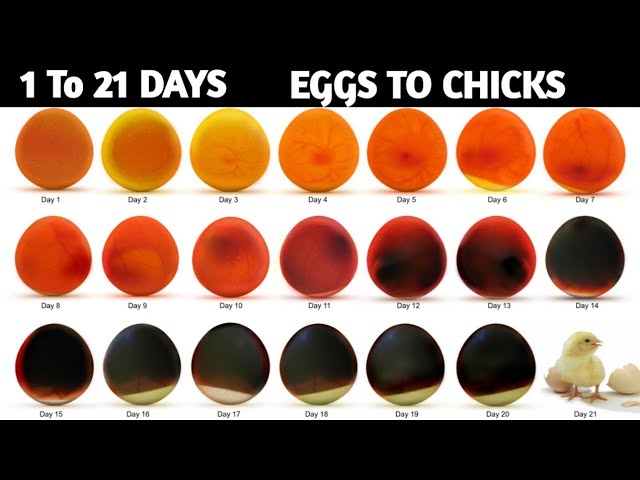
You can see early embryo growth by candling eggs. This means shining a light behind the egg to look inside.
- Veins start to appear as thin red lines inside the egg
- A dark spot shows the embryo’s forming body
- Movement inside the egg may be seen after several days
- Clear eggs with no signs often mean no embryo has developed
Hatching Process
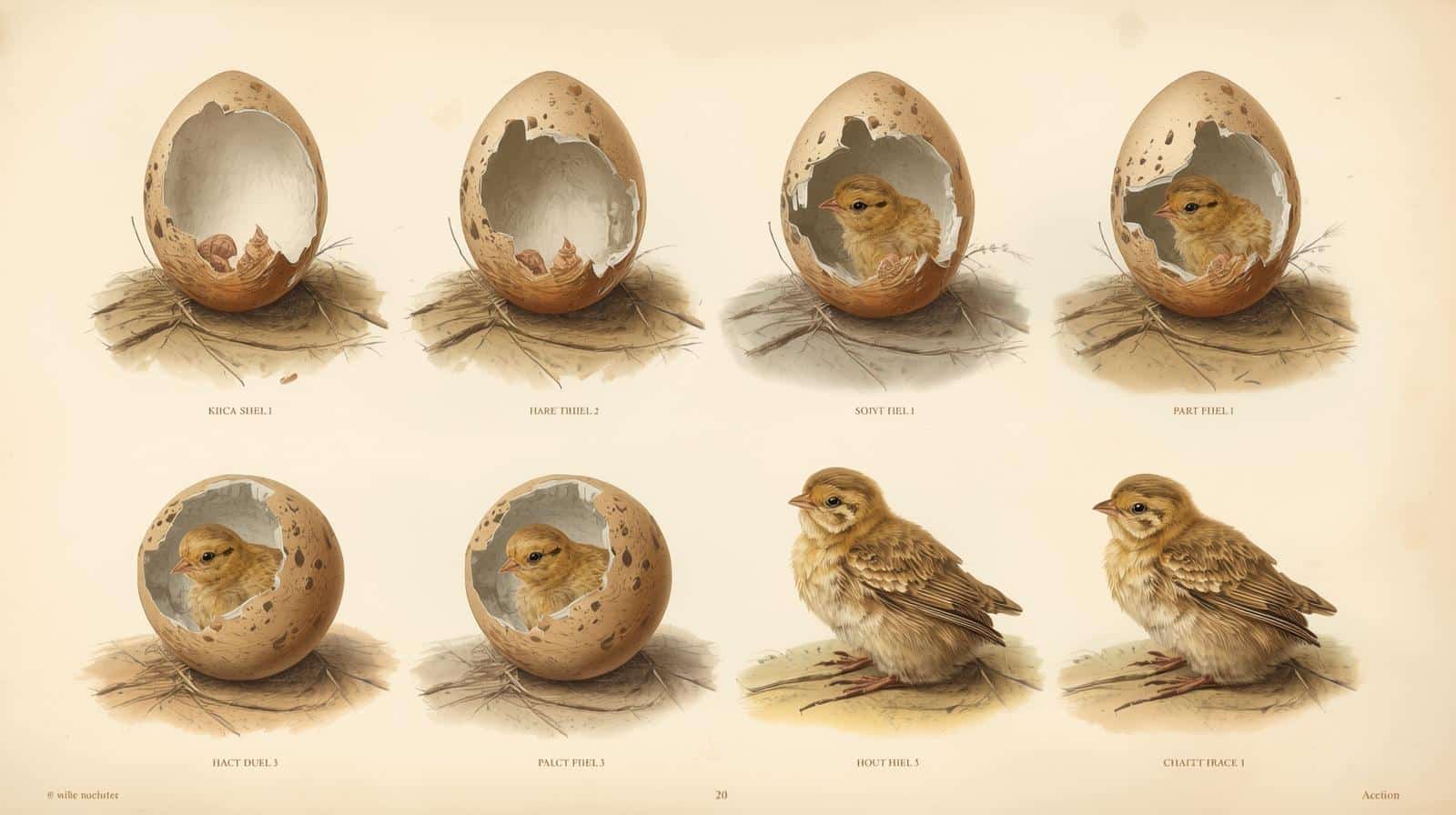
The hatching process is the final stage of a bird’s growth inside the egg. It marks the moment when the chick breaks free from the shell and begins its life outside. Understanding the bird hatching stages helps bird watchers and breeders know when to expect the chick to emerge.
Pipping And Breaking The Shell
Pipping is the first crack a chick makes in the eggshell. The chick uses a small, sharp bump on its beak called an egg tooth to start this process. After pipping, the chick works to break the shell open.
Breaking the shell requires effort and patience. The chick pushes against the shell from inside to create a larger opening. This part can take several hours before the chick fully escapes the egg.
Timeframe For Hatching
- The chick usually starts pipping near the end of the incubation period.
- Pipping can last from a few hours up to a full day.
- Breaking the shell and emerging takes several hours after pipping begins.
- Complete hatching often happens within 24 hours after the first crack.
Challenges And Risks
| Challenge | Description | Impact |
|---|---|---|
| Weak Shell | A shell that is too thin or brittle may break too early. | Can harm the chick or cause death. |
| Delayed Pipping | The chick may struggle to start breaking the shell. | Risk of suffocation or dehydration. |
| Physical Weakness | Some chicks lack strength to break the shell fully. | May need human assistance to hatch. |
| Environmental Factors | Temperature or humidity changes can affect hatching. | Can delay or prevent successful hatching. |
Newly Hatched Chicks
Once the bird hatching stages are complete, the newly hatched chicks are small and fragile. They depend on their parents for warmth and food.
At this early stage, chicks show clear signs of their species. Their care and growth are critical for survival.
Physical Traits at Birth
Chicks usually have soft down feathers when they hatch. Their eyes may be closed or just opening.
- Small size, often only a few grams
- Soft, fluffy down instead of adult feathers
- Weak legs and limited mobility
- Closed or partly open eyes
- Dependence on parents for warmth
Feeding And Care by Parents
Parent birds feed chicks often. They bring soft, pre-digested food to the nest.
| Care Activity | Description |
|---|---|
| Feeding | Parents feed chicks small insects or regurgitated food |
| Brooding | Parents keep chicks warm by sitting on them |
| Protection | Parents guard chicks from predators and threats |
Early Growth Stages
Chicks grow quickly in the first days. Their feathers start to grow and they learn to move.
- Day 1-3: Chicks mostly rest and stay warm
- Day 4-7: Feathers begin to appear; chicks start to stand
- Day 8-14: More active; parents feed more often
- Day 15+: Feathers grow in; chicks try short flights
Fledgling Development
Fledgling development is a key part of the bird hatching stages and early life cycle. It covers the time after hatching when young birds grow feathers and learn to fly, gaining skills needed to survive outside the nest.
Feather Growth And Strengthening
Feathers start as soft down after hatching. As fledglings grow, their feathers become longer and stronger.
Strong feathers help birds stay warm and protect their skin. They also prepare fledglings for flying.
Learning To Fly
Fledglings practice flapping their wings before they can fly. They build muscle strength through short flights.
Parents often encourage young birds by calling or showing safe places to land. Flying helps fledglings explore new areas.
- Start with small wing flaps
- Try short hops from branch to branch
- Gradually increase flying distance
Independence And Survival Skills
Fledglings learn to find food on their own. They watch their parents and practice hunting or foraging.
They also learn to avoid predators and stay safe. This helps them survive as they grow into adult birds.
- Spotting food sources
- Using calls to communicate
- Recognizing danger signs
Credit: www.youtube.com
Common Issues In Hatching
Hatching bird eggs can be a delicate process. Many factors can affect the success of hatching. Understanding common problems helps in better care and management.
This guide covers three main issues: infertility and egg abandonment, environmental threats, and parental neglect or intervention.
Infertility And Egg Abandonment
Infertility happens when eggs do not develop due to no fertilization. Egg abandonment occurs when parent birds leave their eggs before hatching.
- Unfertilized eggs remain clear and do not hatch.
- Parents may abandon eggs if disturbed or stressed.
- Lack of proper incubation can cause egg failure.
- Young or inexperienced birds might not care for eggs well.
Environmental Threats
Environmental conditions play a big role in hatching success. Eggs need the right temperature and humidity to develop properly.
| Threat | Effect on Eggs |
| Extreme Cold | Slows development or kills embryos |
| High Heat | Can dry out eggs and cause death |
| Flooding | Leads to egg damage or loss |
| Predators | May destroy eggs or scare parents away |
Parental Neglect And Intervention
Sometimes parents fail to care for their eggs or chicks properly. Human intervention can also affect hatching.
Signs of parental neglect include:
- Cold eggs from lack of incubation
- Chicks left alone and vulnerable
- Parents abandoning nests after disturbance
Human actions like moving nests or handling eggs can cause stress or damage. It is best to observe without interference unless necessary.
Tips For Bird Enthusiasts
Watching the bird hatching stages is a rewarding experience for any nature lover. It helps you understand nature’s delicate processes.
To support birds properly, you need the right knowledge and care techniques.
Creating A Supportive Nesting Environment
Choose a quiet spot for nests away from predators. Provide natural materials like twigs and leaves nearby.
- Place birdhouses in sheltered areas
- Keep the area free from chemicals and pesticides
- Ensure fresh water is available close to the nest
- Plant native shrubs to offer shade and protection
Monitoring Without Disturbing
Check nests only when necessary. Use binoculars to watch from a distance without touching the nest.
| Action | Best Practice |
| Viewing eggs | Observe quietly from 10 feet away |
| Checking chicks | Limit visits to once a day |
| Handling nestlings | Avoid unless in emergency |
When To Seek Expert Help
Call a wildlife expert if you see injured birds or abandoned nests. Experts know how to help without harm.
Signs that need expert help:
- Birds with visible wounds or weakness
- Nests destroyed by weather or animals
- Chicks falling out of nests repeatedly
- Birds showing unusual behavior or distress

Credit: www.dreamstime.com
Credit: www.tassiebirdandpoultrysupplies.com
Frequently Asked Questions
What Are the Main Stages of Bird Hatching?
Bird hatching stages include incubation, embryo development, pipping, and chick emergence. Each stage is crucial for healthy growth and survival.
How Long Does the Bird Hatching Process Take?
Bird hatching duration varies by species, usually lasting 10 to 30 days from incubation start to chick hatching.
What Happens During the Incubation Stage?
During incubation, the bird egg is kept warm to develop the embryo inside properly until hatching begins.
How Do Chicks Break Out of the Egg?
Chicks use an egg tooth to pip the shell, gradually breaking it to emerge fully from the egg.
Conclusion
Understanding bird hatching stages enhances our appreciation for nature. Each stage presents its own wonders and challenges. From the delicate eggs to the first peck of a hatchling, it’s a journey worth knowing. Observing these stages can be both educational and fascinating.
It highlights the resilience and beauty of birdlife. Watching a chick emerge is truly a special moment. This knowledge enriches our bond with the natural world. So next time you spot a nest, remember these stages. Appreciate the incredible life unfolding within it.
Nature’s cycle is truly remarkable. Let’s cherish and protect it.