Bird Migration And Biodiversity 2026 Guide Explained
Have you ever wondered why birds travel thousands of miles every year? Bird Migration And Biodiversity is not just a fascinating natural event—it plays a crucial role in keeping our planet’s biodiversity alive and thriving.
Understanding this incredible journey can change how you see the world around you and your place in it. You’ll discover how migrating birds connect different ecosystems and why protecting their routes matters more than you might think. Keep reading to unlock the hidden links between bird migration and the rich variety of life on Earth.
Credit: www.lemonde.fr
Bird Migration Patterns
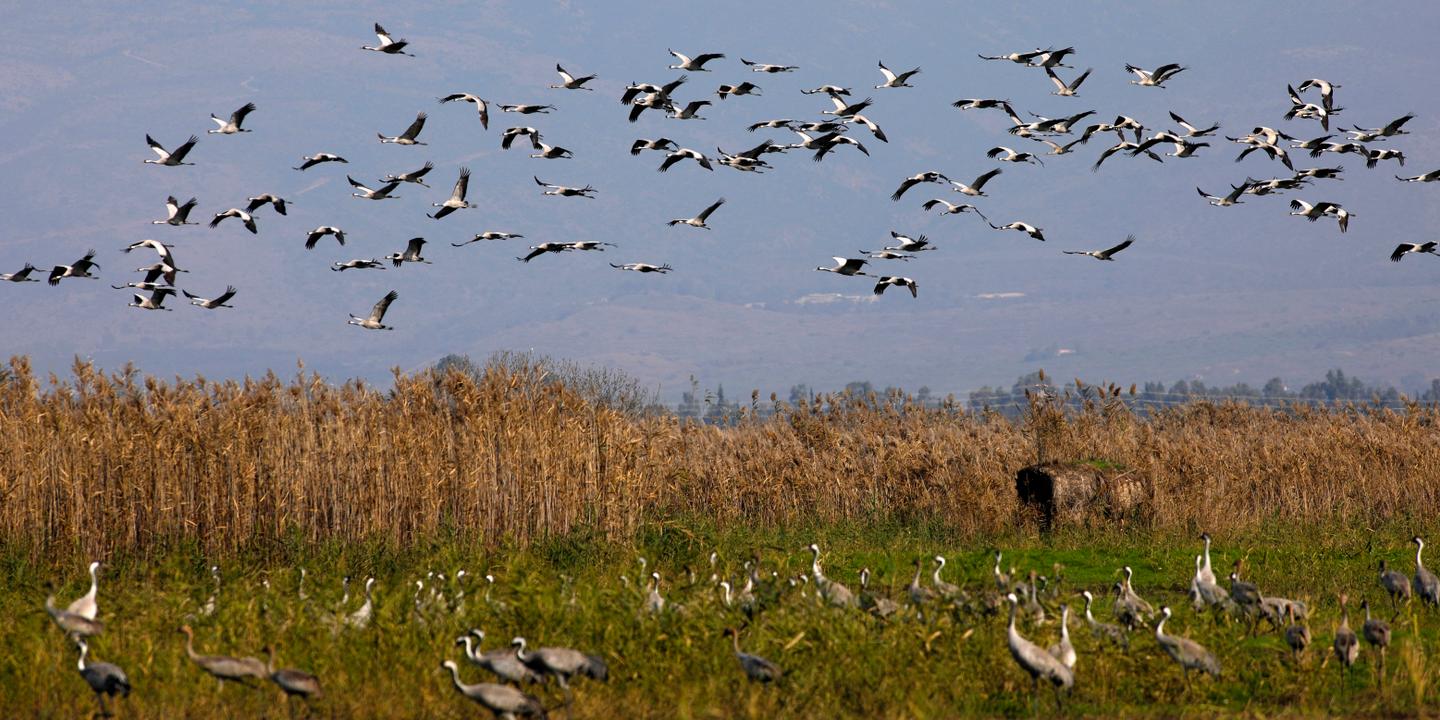
Bird migration is the regular movement of birds from one place to another. Many birds travel long distances to find food and better living conditions.
Understanding how birds migrate helps us learn about nature and protect wildlife. Different species have unique migration habits.
Seasonal Routes
Birds follow specific routes during their migrations. These paths often lead to warmer areas in winter and cooler places in summer.
- North to South in autumn
- South to North in spring
- Along coastlines or mountain ranges
- Across oceans for some species
Navigation Techniques
Birds use many ways to find their way. They rely on natural signs and their own senses to navigate.
| Technique | Description |
| Sun Position | Using the sun’s location during the day |
| Star Patterns | Following stars at night |
| Earth’s Magnetic Field | Sensing magnetic fields to guide direction |
| Landmarks | Recognizing rivers, mountains, and coastlines |
Factors Influencing Migration
Many things affect bird migration. These factors change how and when birds move.
- Weather conditions like wind and storms
- Availability of food in different areas
- Breeding and nesting needs
- Human activities and habitat changes
Role In Ecosystems
Bird migration plays a key role in keeping ecosystems healthy. Birds help many plants and animals survive as they move across regions.
Understanding how migrating birds support nature helps us see their true value beyond just their beauty.
Pollination And Seed Dispersal
Migrating birds help plants grow by moving pollen and seeds. This spreads plant life across wide areas.
- Birds carry pollen on their feathers and bodies.
- They eat fruits and drop seeds far from the parent plant.
- This helps plants colonize new places and keeps forests diverse.
- Tropical Ecologists emphasize the role of zoochoory: “Seed dispersal by birds—a process known as ornithochory, which is a type of zoochoory—is fundamental to forest recovery and biodiversity. Migratory birds are often the only vectors capable of moving large, viable seeds across fragmented, non-forested habitats like roads or farmland. They are essential genetic bridges, ensuring that the necessary genetic material and species diversity are available for ecosystem resilience against climate change.”
Pest Control
Many migrating birds eat insects that harm crops and trees. This natural pest control reduces the need for chemicals.
| Bird Species | Common Pest Eaten | Benefit |
| Swallows | Mosquitoes | Lower disease risk |
| Warblers | Caterpillars | Protect crops |
| Flycatchers | Flies and Beetles | Reduce forest damage |
- Agricultural Economists calculate the worth: “The insect-eating services provided by migratory birds offer substantial economic value, especially in agriculture. Studies conducted on coffee, corn, and fruit crops have estimated that the natural pest control performed by migratory insectivorous birds is worth hundreds of dollars per hectare in increased crop yield and reduced pesticide costs. For example, research in Jamaica found that migratory warblers reduced coffee borer beetle damage by up to 50%, translating to millions of dollars in economic benefit annually across the region.”
Food Web Contributions
Birds are part of many food chains. They serve as prey and predators in ecosystems.
Here are ways migrating birds fit in the food web:
- Birds eat insects, fish, and small animals.
- They provide food for larger predators like hawks and foxes.
- Bird droppings add nutrients to the soil.
Impact On Biodiversity
Bird migration plays a key role in shaping biodiversity around the world. Migrating birds connect different ecosystems and affect many species.
Their movement helps maintain healthy environments and supports life in many regions.
Genetic Diversity Enhancement
Bird migration spreads genes across distant bird populations. This mixing increases genetic diversity within species.
Higher genetic diversity helps birds adapt to new challenges like diseases and climate change.
Habitat Connectivity
Migrating birds link different habitats such as forests, wetlands, and grasslands. These connections help move nutrients and seeds between areas.
Habitat connectivity supports many plants and animals that depend on these ecosystems.
- Birds carry seeds to new places for plants to grow
- They help spread nutrients across habitats
- Migratory paths connect isolated ecosystems
Species Interactions
Bird migration influences how species interact in ecosystems. Birds act as pollinators, seed dispersers, and predators.
These roles affect food chains and help keep ecosystems balanced.
- Pollination helps plants reproduce
- Seed dispersal supports plant diversity
- Birds control insect populations
Credit: www.nsenergybusiness.com
Threats To Migratory Birds
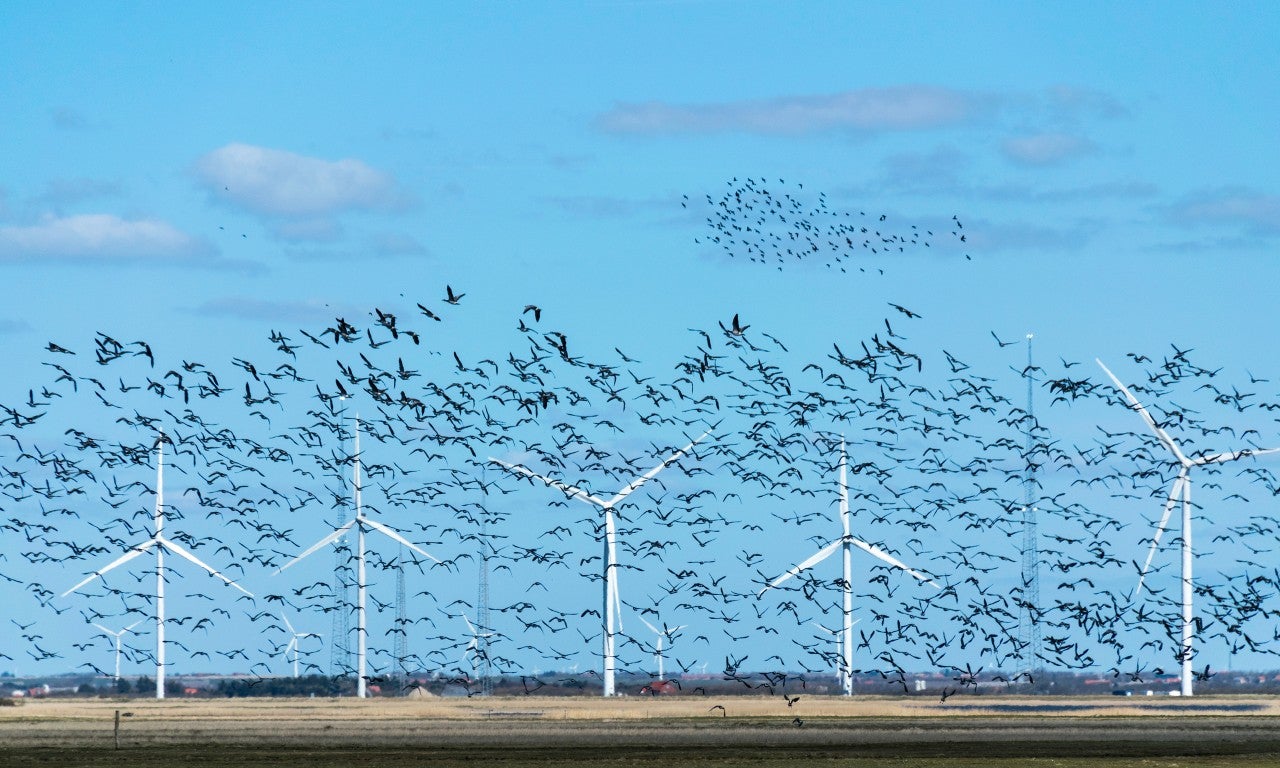
Migratory birds travel long distances each year. They face many dangers during their journeys.
These threats hurt bird populations and affect biodiversity worldwide. Protecting them is very important.
Climate Change Effects
Climate change changes weather patterns and temperatures. Birds may find it hard to find food or nesting places.
Some birds arrive too early or too late for the best conditions. This mismatch can reduce their chances to survive.
- Warmer temperatures shift migration times
- Storms and droughts destroy habitats
- Food sources become scarce or unreliable
Habitat Loss
Many places where birds rest or breed are disappearing. Humans cut down forests and fill wetlands.
Without safe habitats, birds cannot rest or feed well during migration. This causes population declines.
- Deforestation reduces nesting sites
- Wetland drainage removes feeding areas
- Urban growth breaks natural corridors
Human Interference
Humans cause many problems for migratory birds. Hunting, pollution, and light pollution all harm birds.
Birds can get confused by city lights or caught in nets. Pollution poisons water and food sources.
- Illegal hunting reduces bird numbers
- Light pollution confuses navigation
- Pollution contaminates habitats
Conservation Efforts
Bird migration is vital for healthy ecosystems. Protecting migrating birds helps keep biodiversity strong.
Conservation efforts focus on safe travel routes and cooperation between countries and communities.
Protected Migration Corridors
Protected migration corridors are safe paths where birds can rest and feed. These areas reduce risks from hunting and habitat loss.
- Establishing nature reserves along key routes
- Limiting urban development in critical areas
- Restoring wetlands and forests for food and shelter
International Cooperation
Bird migration crosses many countries. Nations work together to protect birds across borders.
| Country | Cooperation Focus |
| USA | Habitat protection and research |
| Mexico | Monitoring migration patterns |
| Canada | Public education and policy support |
Community Involvement
Local communities help by watching birds and reporting problems. Their work supports conservation actions.
- Creating bird-friendly gardens
- Organizing clean-up events in habitats
- Sharing knowledge about bird safety

Credit: naturecanada.ca
Future Research Directions
Bird migration is a key part of global biodiversity. Understanding it helps protect many species.
Scientists need new tools and ideas to study bird migration and its effects on ecosystems.
Tracking Technologies
New tracking tools help follow birds on their long journeys. These tools are smaller and smarter.
Better tracking gives more data on routes, stopovers, and timing of migrations.
- Mini GPS devices that weigh less
- Solar-powered trackers for long trips
- Satellite systems with real-time updates
- Machine learning to analyze movement patterns
Impact Assessment
Studying how migration changes affect ecosystems is vital. It shows how birds support biodiversity.
Research should measure effects of climate, habitat loss, and pollution on migrating birds.
- Monitor changes in bird population sizes
- Study effects of habitat changes on migration routes
- Assess how pollution harms birds during migration
- Link migration shifts to changes in plant and animal life
Adaptive Strategies
Birds and ecosystems adapt to new challenges. Research should find ways to help this adaptation.
Scientists can develop plans to support birds facing climate change and habitat loss.
- Create safe stopover sites along migration paths
- Protect critical habitats from development
- Use data to guide conservation efforts
- Engage communities in protecting migratory birds
Frequently Asked Questions
What Is Bird Migration And Why Does It Happen?
Bird migration is the seasonal movement between breeding and wintering grounds. Birds migrate to find food, better climate, and suitable nesting areas. This behavior ensures survival and reproduction, impacting ecosystem balance and biodiversity across regions.
How Does Bird Migration Affect Biodiversity?
Bird migration helps distribute species and genetic diversity across habitats. Migrating birds pollinate plants, disperse seeds, and control insect populations. This movement supports ecosystem health and resilience, promoting rich biodiversity in different geographic areas.
Which Factors Influence Bird Migration Patterns?
Migration patterns depend on food availability, weather changes, daylight length, and breeding needs. Environmental cues like temperature shifts trigger migration timing. Human activities and habitat loss also alter these natural routes, affecting bird populations and biodiversity.
Can Bird Migration Indicate Environmental Health?
Yes, bird migration acts as an environmental indicator. Changes in migration timing or routes signal climate change, habitat degradation, or pollution. Monitoring migratory birds helps scientists assess ecosystem health and develop conservation strategies for biodiversity protection.
Conclusion
Bird migration keeps our ecosystems balanced and healthy. These journeys connect diverse habitats. They also support biodiversity across the globe. Birds act as pollinators and seed dispersers. This helps maintain plant life. Protecting their paths is crucial for our environment.
Human activities often threaten these routes. Conservation efforts must focus on safe passage. Everyone can help by learning and spreading awareness. Small changes make a big difference. Together, we can protect bird migration. And ensure a thriving planet for future generations.