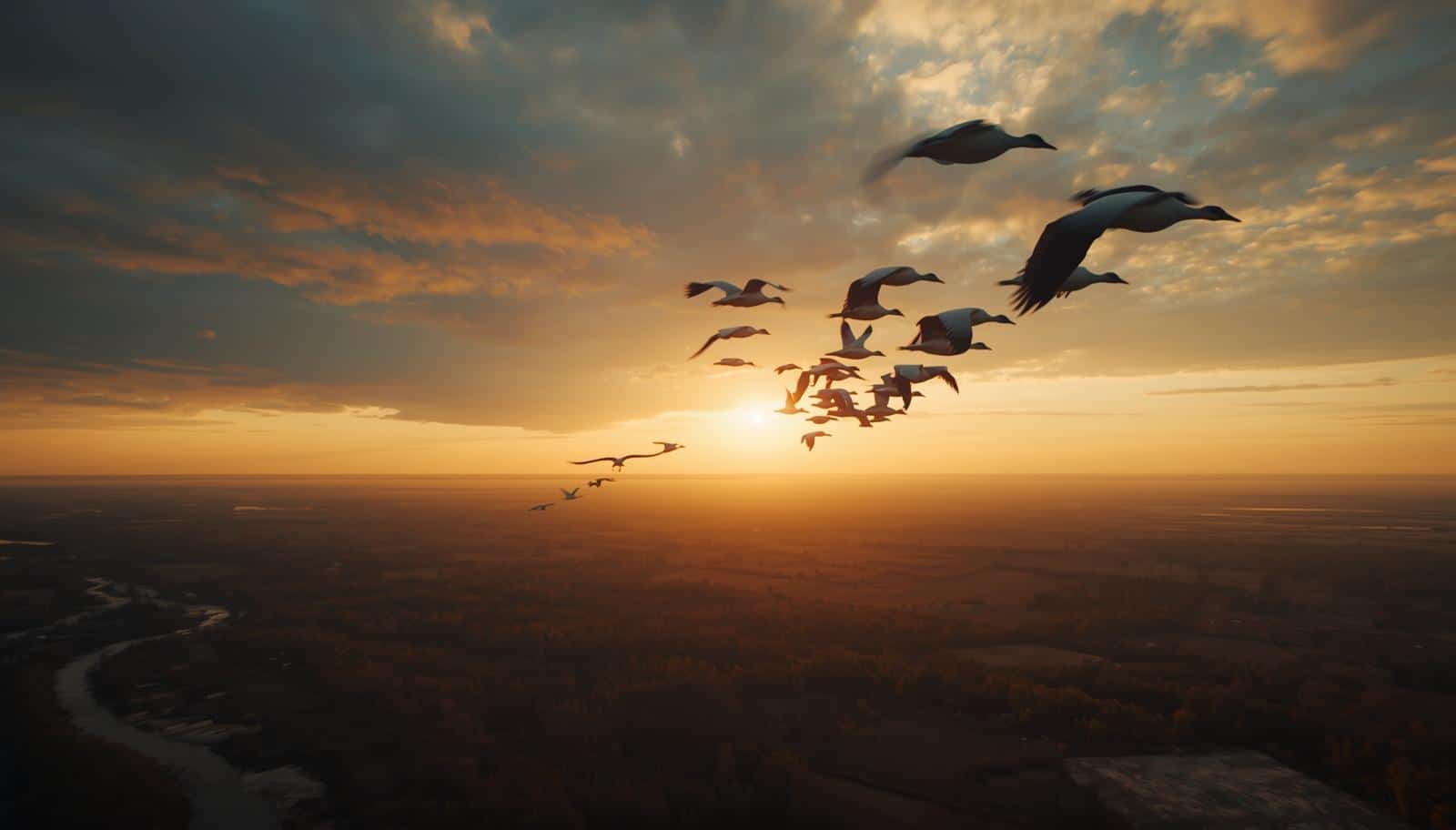
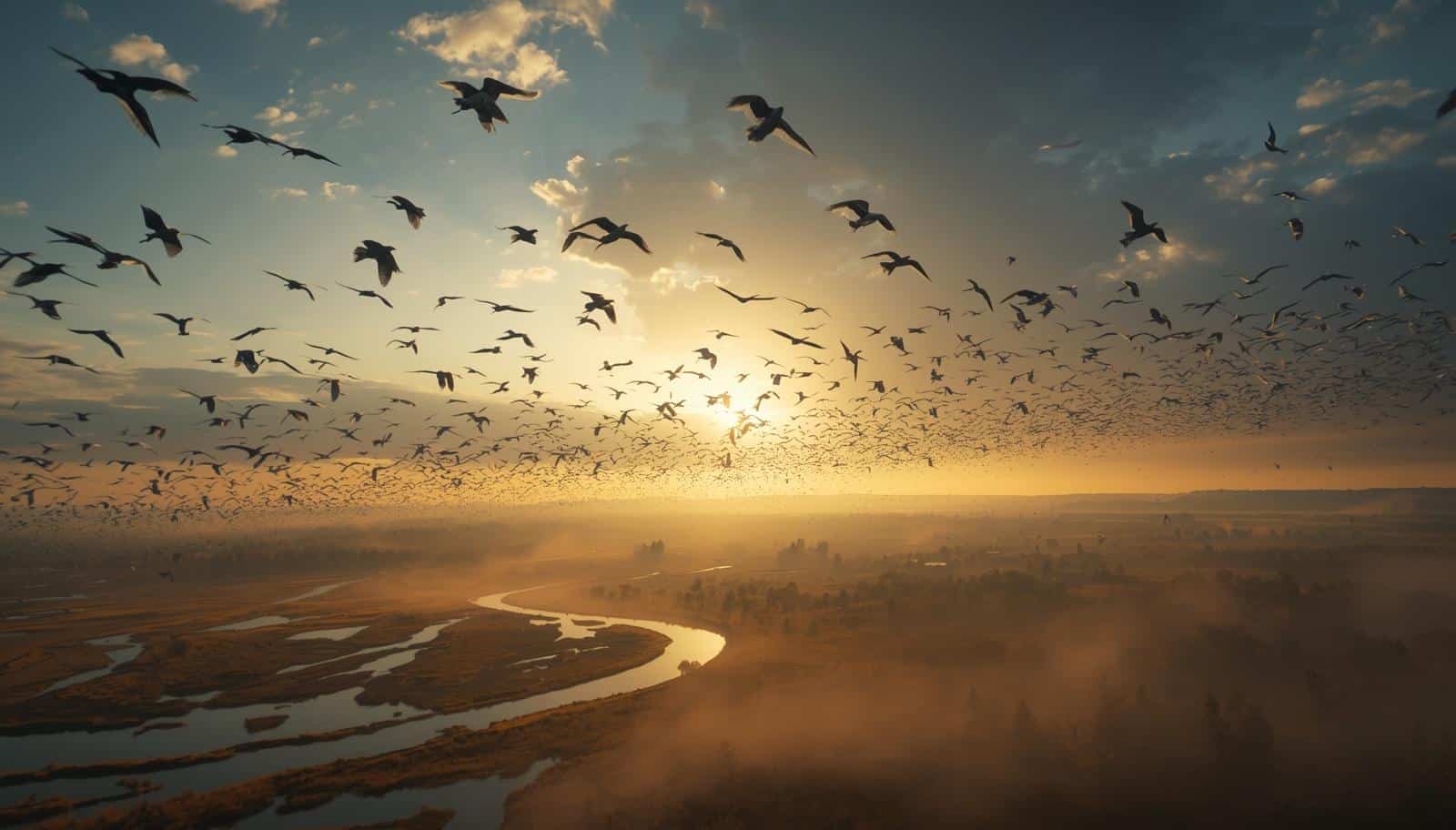
Have you ever wondered why certain birds appear just as the rainy season begins? The connection between bird migration and the monsoon is a fascinating natural event that affects your environment in surprising ways.
Understanding this link can change how you see the changing seasons and the world around you. Keep reading to discover how these incredible creatures use the monsoon to guide their journeys and why it matters to you.
Bird Migration Patterns
Bird migration is the regular movement of birds between breeding and wintering areas. Many birds travel long distances during the monsoon season.
These migration patterns help birds find food, better weather, and safe places to raise their young.
Seasonal Routes
Birds follow specific routes during different seasons. These routes often depend on weather and food availability.
During the monsoon, many birds move from dry areas to places with more rain and insects.
- North to south in autumn to escape cold
- South to north in spring to breed
- Along coastlines or mountain ranges
- Following rivers and wetlands
Navigation Techniques
Birds use many ways to find their path during migration. They rely on natural signs in the environment.
Sun, stars, earth's magnetic field, and landmarks guide them safely to their destinations.
- Using the sun's position during the day
- Following star patterns at night
- Sensing the earth's magnetic field
- Recognizing rivers, mountains, and coastlines
Species Variations
Different bird species have unique migration habits. Some travel thousands of miles, others only a short distance.
Size, diet, and flying ability affect how far and where birds migrate during the monsoon.
| Species | Migration Distance | Monsoon Behavior |
|---|---|---|
| Swallows | Thousands of miles | Follow rain fronts for insects |
| Waterfowl | Short to medium distance | Seek wetlands with more water |
| Warblers | Medium distance | Move to forest areas with fresh growth |
| Kites | Long distance | Use thermal winds during monsoon |

Credit: www.allaboutbirds.org
Monsoon Dynamics
Monsoons are seasonal winds that bring heavy rains. They affect weather patterns in many parts of the world.
Bird migration often depends on these monsoon changes. The rains change the environment where birds live and feed.
Formation And Timing
Monsoons form when land heats up faster than the ocean. This creates wind patterns that bring moisture from the sea.
Monsoon timing varies by region but often starts in late spring or early summer. The rains can last for months.
- Land heats quickly causing air to rise
- Ocean remains cooler, creating moist winds
- Winds bring heavy rainfall to coastal and inland areas
- Timing depends on location and climate patterns
Impact On Ecosystems
Monsoon rains help plants grow and fill water sources. This supports many animals, including birds.
Birds use the increased food and water to breed and raise their young. The rains also affect migration routes.
- Plants bloom after the rains, providing food
- Water bodies fill, offering drinking spots
- Insects and fish increase, feeding birds
- Birds migrate to find better breeding grounds
Regional Differences
Monsoon patterns change across the world. South Asia, Africa, and Australia all have unique monsoon seasons.
Bird migration and monsoon effects vary with these regional differences. Some areas get long rains, others short bursts.
- South Asia has strong monsoons from June to September
- Africa's monsoons vary from region to region
- Australia’s monsoon season lasts from December to March
- Bird species adapt their migration to local monsoon timing
Link Between Birds And Monsoon
Bird migration often aligns with the arrival of the monsoon season. The monsoon brings changes in weather and environment. These changes affect bird behavior and movement.
Understanding how birds and monsoon connect helps us learn about nature’s cycles. It also shows how birds survive and thrive in changing conditions.
Migration Triggers
Monsoon rains signal many birds to start migrating. The drop or rise in temperature and humidity acts as a natural cue. Birds use these signals to find better habitats.
- Change in daylight length
- Temperature shifts before monsoon
- Increased humidity levels
- Wind patterns during monsoon onset
Food Availability
The monsoon causes plants to bloom and insects to multiply. This sudden food abundance attracts many bird species. Migrating birds depend on these food resources for energy.
| Food Source | Effect of Monsoon |
| Insects | Increase in number |
| Seeds | More plentiful |
| Fruits | Ripen after rains |
| Worms | Surface more in wet soil |
Breeding Cycles
Birds time their breeding with the monsoon season. The rise in food and water helps them feed their young. The safe and moist environment is good for eggs and chicks.
Breeding advantages during monsoon:
- More food for chicks
- Better nesting sites
- Lower risk of dehydration
- Higher survival rates

Credit: www.newindianexpress.com
Challenges Faced During Migration
Bird migration is a long journey filled with many dangers. Birds face several challenges as they travel to find food and better weather.
Understanding these challenges helps us protect birds and their routes. Here are some major problems they face during migration.
Weather Hazards
Birds must fly through storms, strong winds, and sudden temperature changes. Bad weather can slow them down or cause them to lose direction.
- Heavy rain can make flying hard and tiring.
- Strong winds can push birds off their path.
- Cold snaps can reduce energy and delay migration.
- Lightning storms can be deadly during flight.
Habitat Loss
Many places birds stop to rest and eat are disappearing. This makes their journey harder and more dangerous.
| Cause | Effect on Birds |
| Deforestation | Less food and shelter during stops |
| Urban Growth | Fewer safe resting areas |
| Wetland Drainage | Loss of water sources and insects |
Human Interference
Humans affect bird migration by building lights, hunting, and pollution. These actions confuse or harm birds on their route.
Common human threats include:
- Bright city lights that disorient flying birds at night
- Power lines and wind turbines that can cause injury
- Hunting and trapping in some regions
- Pollution of air and water that weakens birds
Conservation Efforts
Bird migration and monsoon seasons are closely linked. Birds depend on safe habitats during their journey. Protecting these areas helps many species survive.
Conservation efforts focus on creating safe places, studying birds, and involving local communities. Each part plays a key role in protecting birds and their routes.
Protected Areas
Protected areas are lands set aside to keep bird habitats safe. These include national parks, wildlife sanctuaries, and reserves. They offer shelter and food for migratory birds during the monsoon.
- Prevent habitat loss from farming and building
- Maintain wetlands and forests
- Control hunting and poaching
- Support breeding and resting sites
Research And Monitoring
Scientists track bird migration and weather patterns during the monsoon. This data helps find important areas and threats to birds. Monitoring also shows if conservation actions work well.
| Research Focus | Purpose |
| Bird counting | Estimate population size |
| Tracking migration | Map routes and timing |
| Weather study | Understand monsoon impact |
| Habitat health | Assess area conditions |
Community Involvement
Local people help protect bird migration paths. They watch birds and share information with scientists. Education programs teach why birds and monsoon habitats matter.
Community actions include:
- Reporting illegal activities
- Participating in habitat restoration
- Hosting birdwatching events
- Promoting eco-friendly farming

Credit: www.tamilnaduweatherman.in
Future Of Bird Migration Amid Climate Change
Bird migration is a natural event that many birds depend on. Climate change is changing their routes and timing. These changes affect birds and the ecosystems they visit.
Scientists study how birds will adjust to new weather patterns. Understanding these changes helps protect birds and nature in the future.
Shifting Monsoon Patterns
Monsoon rains guide many birds during migration. These rains are becoming less predictable due to climate change. Birds may arrive too early or too late for the food they need.
- Monsoon starts later in some regions
- Rains may be weaker or stronger than usual
- Changes cause food shortages for migrating birds
- Birds must find new places to rest and feed
Adaptation Strategies
Birds use different ways to adapt to climate change. Some change their migration times. Others find new routes or habitats. These changes help birds survive but can be risky.
| Strategy | Description |
| Timing Shift | Birds start migration earlier or later |
| Route Change | Birds take new paths to avoid bad weather |
| Habitat Use | Birds use different resting spots or feeding areas |
| Diet Flexibility | Birds eat different foods if usual sources decline |
Predicting Migration Changes
Scientists use data to predict how bird migration will change. Models help show future routes and timing. This information guides conservation work.
Key tools for prediction include:
- Satellite tracking of birds
- Climate and weather data
- Computer models of migration patterns
- Field observations of bird behavior
Frequently Asked Questions
What Is The Connection Between Bird Migration And Monsoon?
Bird migration is closely linked to monsoon patterns. Birds time their migration to exploit food abundance caused by monsoon rains. The rains increase insect populations and plant growth, providing essential resources for migratory birds during their journey and breeding seasons.
How Do Birds Navigate During Monsoon Migration?
Birds use environmental cues like wind direction, temperature, and rainfall changes to navigate during monsoon migration. They also rely on the Earth's magnetic field and the position of the sun. These factors help birds maintain their migration route despite challenging monsoon weather.
Why Do Many Birds Migrate Before The Monsoon Season?
Many birds migrate before monsoon to reach breeding grounds with ample food and water. Early arrival allows them to nest and raise chicks during peak monsoon when resources are abundant. This timing ensures higher survival rates for their offspring.
How Does Monsoon Affect Bird Migration Timing?
Monsoon influences migration timing by signaling birds through changes in weather and daylight. Birds adjust their departure and arrival times based on monsoon onset and intensity. This helps them maximize resource availability and avoid harsh weather conditions during migration.
Conclusion
Bird migration connects with the monsoon in fascinating ways. Birds travel vast distances for food and breeding. Monsoon rains create lush environments, crucial for their survival. These seasonal patterns support diverse ecosystems. Observing bird migration offers insights into nature's rhythms.
It reminds us of the planet's interconnectedness. Conservation efforts help protect these migratory paths. Supporting habitats ensures future generations witness this wonder. Bird migration and monsoons reveal nature's delicate balance. They inspire awe and appreciation for our natural world. Understanding these phenomena enriches our connection to the earth.
It's a testament to nature's incredible adaptability and beauty.