Have you ever wondered how birds know exactly when and where to fly thousands of miles every year? Bird migration is one of nature’s most amazing feats, full of surprising facts that might change the way you see the skies.
Whether you’re curious about how they navigate, why they travel such long distances, or what challenges they face along the way, this article has the answers you’re looking for. Get ready to discover bird migration facts that will keep you hooked from start to finish.
Your next birdwatching trip will never feel the same!
Bird Migration Patterns
Bird migration is the regular movement of birds from one place to another. Birds travel to find food, better weather, and safe places to raise their young.
Different species follow unique routes and schedules. These patterns help birds survive through changing seasons and environments.
Seasonal Routes
Birds use seasonal routes to move between breeding and wintering areas. These routes often follow natural landmarks like rivers and coastlines.
Many birds travel north in spring to breed and south in fall to avoid cold weather. These paths can be short or very long.
- Spring routes lead to nesting grounds
- Fall routes lead to warmer winter habitats
- Routes can cross continents or oceans
Long-distance Travelers
Some birds travel thousands of miles during migration. They fly non-stop or with few stops to reach distant places.
These long-distance travelers use strong wings and good navigation skills. They rely on the sun, stars, and Earth’s magnetic field to guide them.
- Arctic Terns fly from the Arctic to Antarctica
- Bar-tailed Godwits have very long non-stop flights
- Swallows migrate between continents
Stopover Sites
Birds use stopover sites to rest and eat during migration. These places provide food and safety before the next flight.
Good stopover sites have water, food, and shelter. Birds often return to the same spots each year.
- Wetlands offer food and water
- Forests provide shelter and insects
- Coastal areas supply fish and small animals
Navigation Techniques
Birds migrate over long distances each year. They use special skills to find their way. These skills help them travel safely.
Scientists study how birds navigate. They found birds use the earth’s magnetic field, the sun and stars, and landmarks.
Magnetic Field Detection
Birds sense the earth’s magnetic field to know direction. This helps them fly even on cloudy days. Some birds have special cells in their eyes that detect magnetic fields.
Sun And Star Positioning
Birds use the sun during the day to guide their flight. At night, they look at stars to find their way. They remember the position of the sun and stars to stay on course.
- During the day, birds track the sun’s path.
- At night, they follow star patterns.
- Birds adjust their flight based on time of day.
- They use internal clocks to help with navigation.
Landmark Recognition
Birds recognize landmarks such as mountains, rivers, and coastlines. These natural signs help them find their route. Landmarks give birds visual clues during migration.
| Landmark Type | Example | Navigation Use |
| Mountain | Rocky Mountains | Direction and location |
| River | Mississippi River | Path guidance |
| Coastline | Atlantic Shore | Route boundary |
Physiological Adaptations
Bird migration needs many changes inside their bodies. Birds prepare to travel long distances by adapting physically.
These changes help birds save energy and stay strong during their journey. They focus on storing fat, changing muscles, and adjusting metabolism.
Energy Storage And Fat Reserves
Birds store fat as their main energy source for migration. Fat provides more energy than other nutrients.
Before flying, birds eat a lot to build fat reserves. This extra fat helps them fly long distances without stopping.
- Fat is lightweight and stores lots of energy
- Birds increase body weight by adding fat
- Fat reserves burn slowly during flight
Muscle And Wing Changes
Birds change their flight muscles to improve strength and endurance. Larger muscles help them flap wings longer.
Wing shape can adjust for efficient flying. Longer wings reduce energy use and allow faster travel.
- Flight muscles grow before migration
- Wing bones may become lighter for better flight
- Wing shape changes to reduce air resistance
Metabolic Adjustments
Birds change their metabolism to use energy better during migration. They burn fat efficiently for long flights.
Metabolic rate increases to keep muscles working well. This helps birds stay active and fly without tiring quickly.
- Fat is the preferred fuel during flight
- High metabolism supports sustained muscle activity
- Birds reduce use of carbohydrates to save energy
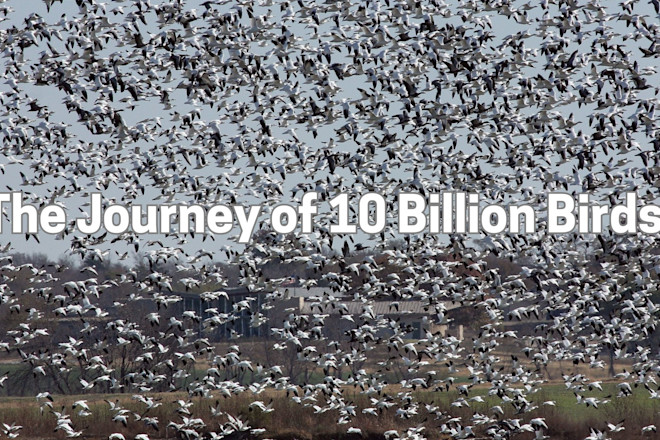
Credit: www.discovermagazine.com
Challenges During Migration
Bird migration is a long journey that many birds take each year. It is full of dangers and challenges that test their strength.
Birds must cross large distances and face many risks along the way. These challenges can affect their survival.
Weather Hazards
Weather can be very dangerous for migrating birds. Storms, strong winds, and cold temperatures can slow them down or cause injury.
- Heavy rain can make flying hard and tiring.
- Strong winds can push birds off their path.
- Sudden temperature drops can cause hypothermia.
- Fog can reduce visibility and increase collision risks.
Predators And Threats
Many animals hunt birds during migration. Predators wait near resting areas or stopovers to catch tired birds.
| Predator | Common Hunting Method |
| Falcons | Chase and catch in mid-air |
| Foxes | Ambush near resting spots |
| Snakes | Attack nests and eggs |
| Domestic cats | Hunt near human settlements |
Human-made Obstacles
Human structures cause many problems for migrating birds. Buildings, power lines, and lights can confuse or harm them.
- Glass windows cause fatal collisions.
- Power lines can electrocute birds.
- Bright city lights disrupt navigation.
- Habitat loss reduces safe resting places.
Unusual Migration Behaviors
Bird migration is a fascinating natural event. Some birds show unusual ways of traveling long distances.
These unique behaviors help birds survive and adapt to different environments during migration.
Day Vs. Night Travel
Some birds prefer to migrate during the day, while others fly mostly at night. Each choice has its benefits.
- Day travelers use the sun and landmarks to guide their way.
- Night travelers avoid predators and find cooler air for flying.
- Some species switch between day and night travel depending on weather.
Solo Vs. Flock Journeys
Birds may travel alone or in groups during migration. Each style offers different advantages.
| Type | Advantages | Examples |
|---|---|---|
| Solo | Less competition for food, easier to navigate | Ospreys, some hawks |
| Flock | Protection from predators, shared navigation | Geese, starlings |
Unexpected Detours
Birds sometimes take surprising detours during migration. These changes can be due to storms or food scarcity.
Reasons for Detours:
- Strong winds push birds off course
- Finding new feeding areas
- Avoiding dangerous weather
- Exploring new habitats
Impact Of Climate Change
Bird migration is changing because the planet is getting warmer. Climate change affects where and when birds travel each year.
These changes make it hard for birds to find food and safe places to rest during their journeys.
Shifts In Timing
Many birds are starting their migrations earlier or later than before. This happens because temperatures are different than in the past.
When birds arrive too early, food may not be ready. If they come too late, they miss important breeding times.
Route Alterations
Birds change their flight paths to find better weather and food. Some travel longer distances or use new stopover sites.
These new routes can be risky. Birds may face unknown dangers or lack of resting spots.
- Longer flights increase energy use
- New stopovers may lack food
- Different weather challenges on new routes
Effects On Survival
Changes in timing and routes can lower bird survival rates. Birds may arrive weak or too late to breed well.
Loss of food and safe habitats during migration threatens many bird species. Some face higher risks of extinction.
- Reduced food availability lowers energy levels
- Increased exposure to predators and bad weather
- Disruption of breeding cycles harms population growth
Technological Advances In Study
Scientists use new tools to learn about bird migration. Technology helps track birds over long distances.
These tools give more exact data than old methods. They help understand bird paths, stops, and habits.
Tracking Devices
Small trackers attach to birds to follow their journeys. These devices record location and travel speed.
Many trackers use GPS or radio signals. They send data to researchers without disturbing the birds.
- Lightweight and safe for birds
- Record detailed movement data
- Help find stopover sites
Satellite Monitoring
Satellites observe birds from space. They track large groups across continents.
This method covers wide areas and hard-to-reach places. Satellites collect data day and night.
- Monitors long-distance flights
- Shows migration routes on maps
- Detects changes in migration patterns
Data Analysis Tools
Software helps study the large amount of bird data. It finds patterns and predicts migration timing.
Data tools use maps, graphs, and statistics. They help scientists understand bird behavior better.
- Organizes tracking data clearly
- Models migration routes
- Supports conservation planning

Credit: www.youtube.com

Credit: www.youtube.com
Frequently Asked Questions
What Triggers Birds To Start Migration?
Bird migration is triggered by changes in daylight and temperature. These environmental cues signal birds to prepare for seasonal movement. Hormonal changes in birds also stimulate migratory behavior. This ensures they travel to areas with better food and breeding conditions.
How Do Birds Navigate During Migration?
Birds use the sun, stars, and Earth’s magnetic field to navigate. They also rely on landmarks and wind patterns. Some species have specialized cells that detect magnetic fields. These navigation methods help birds travel thousands of miles accurately.
Why Do Birds Migrate Long Distances?
Birds migrate long distances to find food and suitable breeding sites. Seasonal changes reduce resources in their original habitats. Migration helps them avoid harsh weather and increases survival chances. It is a vital adaptation for many bird species.
When Do Most Birds Migrate Each Year?
Most birds migrate during spring and autumn. Spring migration leads them to breeding grounds. Autumn migration takes them to warmer wintering areas. Timing varies by species, but these seasons offer optimal conditions for travel.
Conclusion
Bird migration is truly fascinating. Birds travel thousands of miles yearly. They face challenges like weather and predators. Yet, their instincts guide them. Each journey is a marvel of nature. Understanding these patterns helps us appreciate their resilience. It also highlights the importance of conservation.
Protecting habitats ensures birds continue their journeys. By learning more, we can support these incredible travelers. Bird migration teaches us about nature’s wonders. It reminds us of the interconnectedness of life. So, let’s cherish and protect these amazing creatures. Their journeys inspire and awe us all.