Have you ever wondered how birds manage to travel thousands of miles and still find their way home? Imagine being able to follow their incredible journeys in real time.
With bird migration GPS tracking, you can do just that. This technology opens a window into the secret world of bird travel, revealing patterns and surprises you never expected. If you’re curious about nature, technology, or simply love amazing stories, this article will keep you hooked from start to finish.
Get ready to see bird migration like never before—and discover how GPS tracking is changing everything you thought you knew.
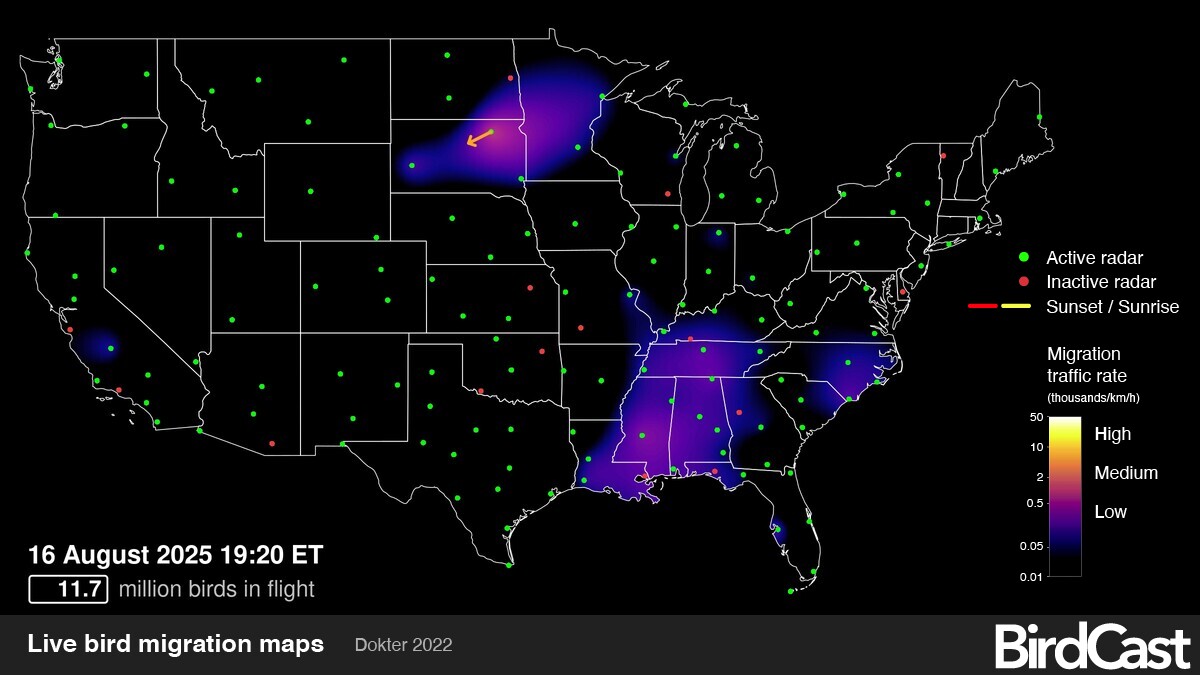
Credit: birdcast.info
Bird Migration Patterns
Bird migration is the regular movement of birds between breeding and wintering areas. Tracking these patterns helps us understand their habits and survival.
GPS tracking devices have made it easier to study how birds travel long distances. This technology shows their routes and stops along the way.
Seasonal Routes
Birds fly on specific paths during spring and fall. These routes connect their homes with places to find food and breed.
- North to south migration in autumn
- South to north return in spring
- Stopover sites to rest and feed
- Coastal and inland flyways
- Mountain passes as corridors
Factors Influencing Migration
Many factors affect bird migration. Weather, food supply, and daylight changes guide their timing and direction.
| Factor | Impact on Migration |
| Temperature | Triggers start and stop of migration |
| Food Availability | Determines route and stopovers |
| Daylight Hours | Controls timing and speed |
| Wind Patterns | Affects energy use and flight path |
| Predators | Influences safety of routes |
Challenges Faced By Migratory Birds
Migrating birds face many dangers. Loss of habitat, bad weather, and human activities make travel risky.
- Habitat loss from urban growth
- Collisions with buildings and wind turbines
- Pollution and pesticides
- Climate change altering food and weather
- Illegal hunting and trapping

Credit: birdcast.info
Gps Technology In Tracking
Tracking bird migration helps scientists understand their routes and habits. GPS technology plays a key role in this research.
This technology provides detailed data about birds’ locations over time. It helps track long-distance travel with great accuracy.
Evolution Of Tracking Devices
Early tracking used bands and radio transmitters. These tools gave limited information and range.
- Metal bands were first used in the early 1900s.
- Radio telemetry allowed signal tracking within short distances.
- Satellite tracking began in the 1990s with larger devices.
- Today’s GPS tags are small and lightweight, ideal for birds.
How Gps Tags Work
GPS tags use satellites to find a bird’s exact position. The device calculates coordinates by connecting with multiple satellites.
| Component | Function |
| GPS Receiver | Gets signals from satellites |
| Battery | Powers the device |
| Antenna | Sends and receives signals |
| Memory | Stores location data |
Data Collection And Transmission
GPS tags collect location data at set intervals. This data shows the bird’s path and stop points.
- Data is stored on the device until it can be sent.
- Some tags transmit data via cellular networks.
- Others use satellite links to send data from remote areas.
- Researchers download data to analyze migration patterns.
Insights From Gps Tracking
Bird migration is a natural event where birds travel long distances. GPS tracking helps scientists learn more about these journeys.
With GPS data, researchers can watch birds in real time. This helps us understand their routes and behaviors better.
Discovering New Migration Routes
GPS tracking shows paths birds take that were unknown before. Some birds fly through new areas each year.
This data helps map out routes across continents. It reveals stopover sites where birds rest and feed.
- Find hidden routes used by rare birds
- Track changes in routes over time
- Identify important habitats along paths
Behavioral Patterns Revealed
GPS data reveals when birds start their trips and how fast they fly. It shows their daily rest and feeding times.
Scientists learn how weather and seasons affect bird behavior. Some birds change their timing based on temperature.
- Flight speed and altitude details
- Rest periods during migration
- Effects of weather on travel
Impact On Conservation Efforts
Knowing migration routes helps protect birds. Conservationists can focus on important stopover sites.
GPS tracking guides efforts to reduce threats like habitat loss and hunting. It supports creating safe flyways.
- Identify critical habitats for protection
- Monitor effects of human activity
- Support policies for bird safety
Challenges In Gps Tracking
Tracking bird migration with GPS helps scientists learn about travel routes and habits. Still, the process faces many challenges. These problems affect the data collected and the welfare of the birds.
This article explores three main challenges: device limitations, ethical considerations, and data accuracy issues.
Device Limitations
GPS devices used for tracking birds are small but have limits. They need to be light enough to not harm the bird. This restricts battery size and lifespan.
- Small battery life limits tracking time.
- Devices may fall off or break during flight.
- Signal loss can occur in dense forests or bad weather.
- Weight limits restrict the size and functions of the GPS.
Ethical Considerations
Attaching GPS devices to birds raises ethical questions. Researchers must ensure the bird’s safety and comfort. Attaching the device should not cause stress or injury.
| Ethical Concern | Explanation |
| Weight Impact | Device should not be heavier than 3-5% of bird's weight. |
| Attachment Method | Should avoid injuring feathers or skin. |
| Flight Interference | Device must not change bird's flying ability. |
| Monitoring | Birds should be checked regularly to ensure health. |
Data Accuracy Issues
GPS data may have errors that affect tracking results. These errors come from various sources and can mislead research conclusions.
- Signal bounce causes wrong location points.
- Battery limits reduce data frequency.
- Environmental factors cause data gaps.
- Incorrect data may need careful cleaning before use.
Future Of Bird Migration Studies
Bird migration studies help us understand how birds travel long distances. Tracking their routes shows patterns and changes over time.
New tools and methods improve the study of bird migration. These advances bring fresh insights for science and nature protection.
Advances In Tracking Technology
Tracking devices have become smaller and more precise. Lightweight GPS tags let scientists follow birds without harm.
- Solar-powered GPS trackers extend battery life
- Miniaturized sensors record altitude and speed
- Real-time data helps observe migration instantly
- Satellite links improve tracking in remote areas
Integrating Ai And Big Data
Artificial intelligence processes huge amounts of bird data quickly. It finds migration trends and unusual movements.
| AI Use | Benefit |
|---|---|
| Pattern Recognition | Detects common routes and stops |
| Anomaly Detection | Spots changes in migration paths |
| Predictive Models | Forecasts future migration shifts |
| Data Integration | Combines weather and bird data |
Global Collaboration For Conservation
Scientists worldwide share tracking data to protect birds. They work together on conservation plans and policies.
- Joint research projects across countries
- Shared databases for migration monitoring
- Coordinated efforts to save habitats
- Public awareness campaigns on bird safety

Credit: www.smithsonianmag.com
Frequently Asked Questions
What Is Bird Migration Gps Tracking?
Bird migration GPS tracking uses small devices to monitor birds' movements. It helps scientists study migration routes, behavior, and timing. This data improves understanding of bird ecology and conservation efforts.
How Does Gps Tracking Benefit Bird Conservation?
GPS tracking reveals critical habitats and migration challenges. It helps identify threats like habitat loss and climate change. This data guides conservation strategies to protect migratory birds effectively.
Which Birds Are Commonly Tracked With Gps Devices?
Birds like eagles, storks, and geese are often GPS tracked. These species have large migration ranges, making tracking valuable for studying their long-distance movements.
How Accurate Is Gps Tracking For Birds?
GPS devices provide highly accurate location data, often within a few meters. This precision allows detailed mapping of migration paths and stopover sites.
Conclusion
Bird migration GPS tracking offers valuable insights. Scientists learn about birds' routes and behaviors. This technology helps protect various species. It sheds light on environmental changes. People can appreciate nature's wonders more. Understanding bird patterns aids in conservation efforts. It supports biodiversity and ecosystem balance.
Bird enthusiasts and researchers benefit greatly. They gain knowledge about these amazing creatures. GPS tracking continues to advance. It promises exciting discoveries ahead. This tool bridges the gap between science and nature. A fascinating journey to explore.