
Have you ever wondered how storms change the way birds and other animals travel across the globe? Storms don’t just bring rain and wind—they can completely alter migratory routes and timing.
Understanding How Storms Affect Migratory Patterns can help you see nature in a new light. You’ll discover surprising facts about storms and migration that might change the way you think about the natural world around you. Keep reading to find out how storms shape the journeys of countless creatures every year.
Credit: www.marinebiodiversity.ca
Storms And Migration Link
Storms can change how animals move during migration. They affect where and when animals travel.
Many species rely on stable weather to follow their routes. Storms cause challenges that alter these patterns.
Types Of Storms Impacting Migration
Different storms affect migration in various ways. Hurricanes, thunderstorms, and blizzards are the main types.
Hurricanes bring strong winds and heavy rain. Thunderstorms cause sudden changes in air pressure. Blizzards create cold, snowy conditions.
- Hurricanes can push birds off their routes.
- Thunderstorms may delay insect migration.
- Blizzards force animals to stop or change paths.
Weather Patterns And Migratory Routes
Weather patterns shape the paths animals take each year. Storms disrupt these patterns and cause detours.
Animals use wind direction and temperature to guide migration. Storms can change these signs, confusing travelers.
- Strong winds can push birds off course.
- Rain can reduce visibility for flying animals.
- Cold fronts may delay or stop migration.
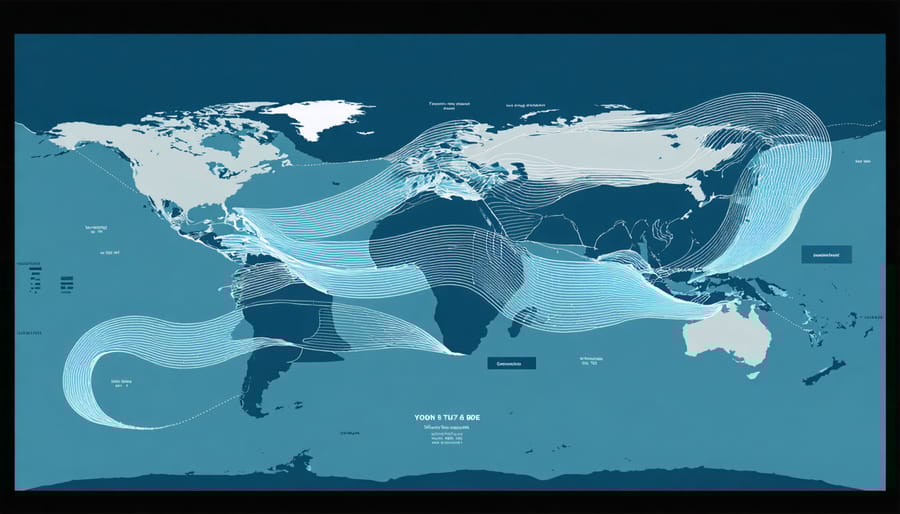
- Wildlife authorities manage defined paths: "In North America, migratory bird management is structured around the four primary north-to-south routes, known as the Atlantic, Mississippi, Central, and Pacific Flyways. These flyways are essentially fixed corridors determined by continental geography (like the Rocky and Appalachian Mountains and the Great Plains). When we discuss storm disruption, we are assessing how events like hurricanes or large blizzards push birds laterally out of these established, energy-efficient corridors, forcing them into less hospitable stopover sites."
Behavioral Changes In Animals
Storms can change how animals behave during migration. These changes affect their survival and travel routes.
Animals must adapt quickly to strong winds and heavy rain. These conditions can confuse their natural sense of direction.
Altered Flight Paths
Storms force birds and other flying animals to change their flight paths. They may fly around the storm or take longer routes.
- Birds avoid areas with strong winds to save energy.
- Some animals fly lower to escape turbulent air.
- Storms can cause animals to lose track of landmarks.
- Animals may stop to rest in safe places during storms.
Delayed Or Accelerated Migration
Storms can delay migration or make animals move faster. The timing of migration changes depending on weather conditions.
| Effect | Reason | Animal Response |
| Delay | Heavy rain and wind | Wait for safe weather |
| Acceleration | Storm approaching | Hurry to leave area |
| Route change | Blocked path | Find new path |
| Rest stops | Fatigue from storm | Use safe shelters |
Storms’ Influence On Navigation
Storms can change how animals find their way during migration. Many animals rely on natural signals to travel long distances. Storms may affect these signals and cause confusion.
Understanding how storms impact navigation helps us learn about animal behavior. It also shows how climate changes might affect migration in the future.
- Sensory biologists confirm storm detection: "Migratory birds possess a highly developed sense for detecting changes in barometric pressure and atmospheric conditions. Research has shown that large, severe storms like hurricanes and powerful thunderstorms emit extremely low-frequency acoustic energy, or infrasound, which travels thousands of kilometers. Birds use this infrasound—inaudible to humans—as an early warning signal, allowing them up to 24 hours to evacuate an area or change their flight path before the storm's visible effects arrive."
Magnetic Field Disruptions
Many migratory animals use Earth's magnetic field to guide their paths. Storms create magnetic disturbances that can change this field. These disruptions make it hard for animals to maintain their direction.
- Birds may lose their sense of north and south.
- Sea turtles can stray from their usual routes.
- Insects like monarch butterflies might delay their travel.
- Some animals take longer routes to reach their destinations.
Visual And Environmental Cues
Animals also use sights and weather patterns to guide their migration. Storms block the sun and stars, which are important for navigation. Heavy rain and strong winds make it hard to see landmarks.
| Visual/Environmental Cue | Effect of Storms |
| Sun Position | Cloud cover hides the sun |
| Star Patterns | Night storms block stars |
| Landmarks | Reduced visibility from rain and fog |
| Wind Direction | Strong winds push animals off course |
Ecological Consequences
Storms can change the way animals move and live. They affect the places where animals find shelter and food. These changes can harm many species during their migration.
Understanding how storms impact habitats and food sources helps us see the bigger effects on nature. This knowledge is important for protecting animals and their routes.
Habitat Availability Changes
Strong storms can destroy or alter habitats that migratory animals rely on. Flooding, wind, and erosion can remove trees, plants, and nesting sites. This forces animals to find new places to live.
- Storms can flood wetlands used by birds and amphibians.
- Coastal storms can erode beaches where turtles lay eggs.
- Forest storms can break branches and uproot trees used by many animals.
- Loss of habitat can cause animals to travel longer distances.
Food Source Impact
Storms change the availability of food along migratory routes. Plants may be destroyed, and water sources can become polluted. This affects the animals’ ability to find enough food.
| Food Source | Effect of Storms | Impact on Animals |
| Berry bushes | Branches broken, fewer berries | Birds and mammals find less food |
| Aquatic insects | Water pollution lowers numbers | Fish and birds lose food supply |
| Seagrass beds | Washed away by strong waves | Marine animals lose shelter and food |
Adaptation Mechanisms
Storms can change the paths animals use when they migrate. Many animals have ways to adjust their travel to stay safe and reach their destinations.
These adaptations help animals survive during harsh weather. They change their timing and routes to avoid dangerous storms.
Flexible Timing Strategies
Animals often change the time they start migrating to avoid storms. They may leave earlier or later depending on weather patterns.
Some animals can pause their journey during bad weather and continue when it is safer. This helps them conserve energy and avoid harm.
- Starting migration before storms arrive
- Delaying travel until storms pass
- Taking breaks during bad weather
Route Adjustments
Animals may change their usual paths to avoid stormy areas. They pick safer routes that have less wind and rain.
These route changes can be short or long. Some animals take detours that add time but keep them safe.
- Flying around storm systems
- Choosing inland paths instead of coastlines
- Using higher or lower altitudes to avoid strong winds

Credit: en.wikipedia.org
Scientific Research And Tracking
Storms can change the paths birds and animals take during migration. Scientists study these changes to understand how storms affect migration.
Tracking technology helps researchers follow animals and see how they react to storms in real time.
Satellite Monitoring
Satellites track large groups of animals from space. They show how storms push animals off their usual routes.
Satellites also monitor weather patterns. This data helps link storm events with changes in migration paths.
- Track bird flocks over oceans
- Monitor storm movement and intensity
- Compare migration before and after storms
Field Observations
Scientists watch animals on the ground during storms. They note changes in behavior and routes.
Fieldwork helps confirm satellite data by showing how animals rest or avoid storm areas.
- Record delays or early arrivals in migration
- Note sheltering behavior during storms
- Collect data on survival after storms
Future Implications
Storms play a big role in changing how animals migrate. These weather events can shift routes and timing. Understanding this helps us see what might happen in the future.
Changes in migration affect ecosystems and human activities. We need to study these effects to protect wildlife and plan better for the future.
Climate Change And Storm Frequency
Climate change makes storms stronger and more common. This change affects the usual paths animals take during migration. Birds, fish, and insects may face more risks on their journeys.
Storms can delay migration or force animals to find new routes. This can lead to more energy use and less chance to find food. Over time, it can affect survival rates.
- Climate ecologists highlight timing issues: "One of the most concerning long-term impacts of increased storm severity and changing temperatures is phenological mismatch. Migratory birds time their arrival in northern breeding grounds to coincide perfectly with the peak availability of insect food sources. If unpredictable storms delay their migration, or if warming temperatures cause the insects to hatch earlier, the birds arrive to a depleted food supply. This mismatch severely reduces breeding success and is a critical factor driving population declines."
Conservation Challenges
Storm changes create problems for conservation efforts. Protecting habitats is harder when animals move unpredictably. Conservation plans need to be flexible and updated often.
Tracking migration patterns becomes more important. Scientists must watch how storms change animal behavior. This helps create better strategies to keep species safe.
Frequently Asked Questions
How Do Storms Disrupt Bird Migration Routes?
Storms create strong winds and turbulence that force birds to change their usual paths. This disruption can delay their travel and increase energy use. Birds may seek shelter, altering timing and routes, which affects their overall migratory success and survival rates.
Can Storms Cause Permanent Changes In Migration Patterns?
Yes, frequent or severe storms can shift migration routes over time. Animals adapt by finding safer paths or changing stopover sites. These changes help them avoid hazardous weather, but may also affect ecosystems and food availability along new routes.
What Impact Do Storms Have On Marine Animal Migration?
Storms affect ocean currents and water temperatures, influencing marine migration. Many marine animals rely on these cues for navigation. Disrupted currents can delay movements, cause disorientation, and increase mortality, impacting breeding and feeding cycles.
Do Storms Affect Migration Timing For All Species Equally?
No, storm impact varies by species. Some are highly sensitive and delay migration, while others adjust quickly. Species with flexible routes or timing adapt better, whereas specialized migrants face greater challenges and higher risks from storms.
Conclusion
Storms shape migratory patterns in fascinating ways. Birds often face challenges. Strong winds can divert their paths. Some species adapt swiftly, altering routes. Others struggle with harsh conditions. Survival often depends on flexibility. Weather impacts food availability too. Instincts drive them to safer areas.
New patterns emerge over time. Observing these changes offers insights. Understanding helps protect migratory species. Nature's response is both resilient and adaptive. Human awareness plays a crucial role. Conserving habitats ensures safer journeys. Studying storms and migrations enriches our knowledge.
Nature continues to amaze with its complexity and resilience.


