Have you ever wondered how migratory birds travel thousands of miles every year with such precision? These incredible journeys rely on special routes called flyways, which are vital for the survival of many bird species.
But these flyways face growing threats from habitat loss, climate change, and human activity. If you care about nature and want to help protect these amazing travelers, understanding migratory bird flyway conservation is key. Keep reading to discover why these flyways matter to you and what can be done to keep these birds flying strong for generations to come.
Migratory Bird Flyways
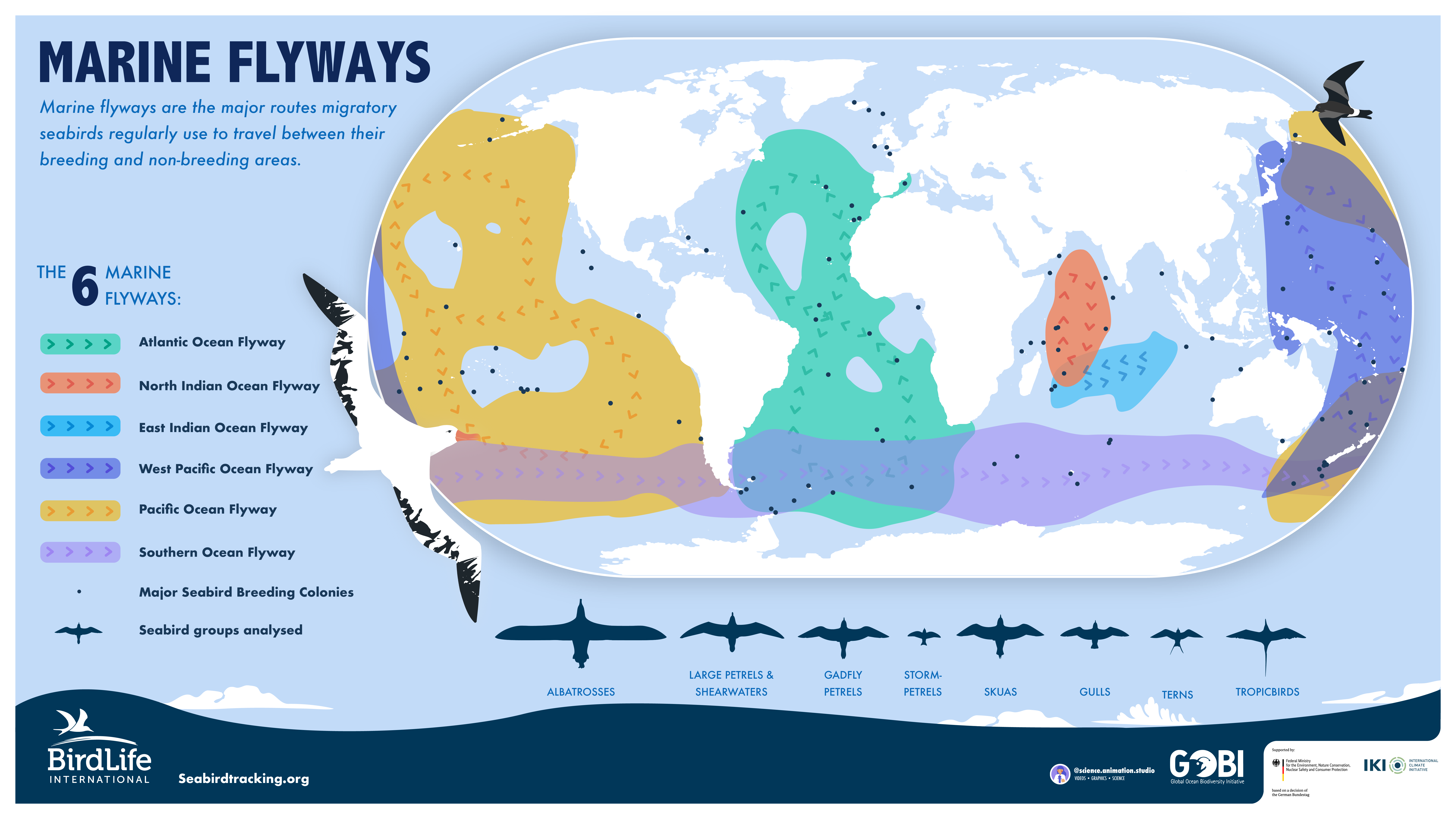
Migratory bird flyways are routes that birds follow during their seasonal travels. These paths connect breeding and wintering areas across continents.
Protecting these flyways helps conserve many bird species and their habitats along the way.
Major Global Flyways
There are several major flyways around the world that support millions of migratory birds. Each flyway covers large geographic areas and diverse habitats.
- East Atlantic Flyway: from northern Europe to West Africa
- East Asian-Australasian Flyway: from Siberia to Australia
- Central Asian Flyway: from northern Asia to the Indian subcontinent
- Pacific Americas Flyway: from Alaska to South America
- Mississippi Flyway: from Canada to the Gulf of Mexico
Bird Species And Routes
Different bird species use specific routes within the flyways. These routes depend on food availability and safe resting spots.
| Species | Flyway | Route Example |
| Bar-tailed Godwit | East Asian-Australasian | Alaska to New Zealand |
| Common Crane | Central Asian | Russia to India |
| Snow Goose | Mississippi | Canada to Gulf of Mexico |
| Pacific Golden Plover | Pacific Americas | Alaska to Hawaii |
Seasonal Migration Patterns
Birds migrate to find food and better climate. Migration happens mainly in spring and autumn.
- Spring migration leads birds to breeding grounds.
- Summer is spent raising young in safe habitats.
- Autumn migration takes birds to warmer wintering areas.
- Winter migration routes are shorter and less frequent.
Critical Habitats For Birds
Migratory birds rely on special places to live and travel. These places help them survive through the year.
Protecting these habitats is important for bird conservation and healthy ecosystems.
Breeding Grounds
Breeding grounds are where birds lay eggs and raise chicks. These areas need safety and good food sources.
Many birds return to the same breeding sites every year. Disturbance or loss of these sites can reduce bird populations.
Stopover Sites
Stopover sites are resting places during long migrations. Birds stop here to rest and eat.
- Wetlands with rich food
- Safe areas free from predators
- Places with fresh water
These sites must be healthy to help birds gain energy for the next flight.
Wintering Areas
Wintering areas provide shelter and food during cold months. Birds spend several months here.
| Habitat Type | Importance |
| Forests | Offer cover and insects |
| Grasslands | Provide seeds and open space |
| Coastal Zones | Supply fish and marine life |
Threats To Flyway Habitats
Migratory birds rely on flyway habitats to rest, feed, and breed during long journeys. These habitats face many threats that harm bird populations. Protecting these areas is important for bird survival.
Threats come from natural changes and human actions. Understanding these threats helps us take steps to conserve flyway habitats effectively.
Habitat Loss And Degradation
Many flyway habitats are shrinking due to land use changes. Urban growth, farming, and logging remove or damage these critical areas. Birds lose places to feed and rest.
- Wetlands drained for agriculture
- Forests cleared for buildings and roads
- Grasslands turned into farms
- Coastal areas developed for tourism
Climate Change Effects
Climate change alters weather and habitats along flyways. Rising temperatures and changing rainfall affect food and water availability. Birds may find it harder to survive or migrate.
| Climate Impact | Effect on Flyway Habitats |
| Rising Temperatures | Shifts in plant and insect life |
| Sea Level Rise | Flooding of coastal wetlands |
| Changing Rainfall | Drying of freshwater sources |
| Extreme Weather | Storm damage to resting sites |
Pollution And Human Disturbance
Pollution harms birds and their habitats. Chemicals in water and soil reduce food quality. Noise and light from human activity disturb resting birds.
- Oil spills contaminate water and feathers
- Plastic waste causes injury and death
- Noise from boats and construction scares birds
- Bright lights disrupt night migration
Credit: datazone.birdlife.org
Conservation Strategies
Protecting migratory birds requires strong conservation strategies. These help keep birds safe during their long flights.
Different actions work together to support birds along their flyways. These include protecting areas, restoring habitats, and involving communities.
Protected Area Networks
Protected area networks are places safe for birds to rest and feed. These areas connect key sites along bird routes.
Governments and groups set up these zones to reduce harm from hunting and development. This helps birds survive migration.
- Establish reserves at important stopover sites
- Link habitats to allow safe travel
- Enforce laws to prevent illegal hunting
- Monitor protected zones regularly
Habitat Restoration Efforts
Habitat restoration brings back areas where birds feed and nest. It fixes damage caused by humans or nature.
Restoring wetlands, forests, and grasslands helps birds find food and shelter on their journeys.
- Plant native trees and plants
- Remove invasive species
- Improve water quality in wetlands
- Rebuild damaged ecosystems
Community Engagement And Education
Local people play a big role in bird conservation. Teaching them about birds helps protect flyways.
Communities can watch birds, report threats, and support conservation efforts. Education builds respect for nature.
- Run workshops about migratory birds
- Encourage bird-friendly farming
- Create citizen science projects
- Share stories about birds’ journeys
Urban Ornithologists advise a simple fix: “One of the largest human-caused threats, particularly in urban stopover sites, is fatal window collision. Birds cannot perceive glass. Property owners near known flyways can achieve over 80\% reduction in daytime collisions by applying UV-reflective decals or tape patterns to the outside of large, reflective windows. Crucially, the patterns must be dense—with markers spaced no more than 2 inches vertically or 4 inches horizontally—to be effective.”
International Cooperation
Many migratory birds travel across countries and continents. Protecting them needs countries to work together. International cooperation helps protect these birds and their habitats.
Countries share knowledge, resources, and plans. This teamwork helps keep bird populations safe during their long journeys.
Flyway Agreements And Treaties
Flyway agreements are deals between countries. They set rules to protect migratory birds. These treaties help countries coordinate their conservation efforts.
- Establish common protection laws
- Create shared conservation goals
- Protect important bird habitats
- Monitor bird populations
Cross-border Conservation Projects
Many projects work across country borders. They focus on protecting habitats and restoring areas birds use during migration. These projects often involve local communities and governments.
| Project | Countries Involved | Focus Area |
| East Asian-Australasian Flyway | China, Australia, Russia | Wetland protection |
| African-Eurasian Flyway | Europe, Africa, Middle East | Habitat restoration |
| Americas Flyway | USA, Canada, Mexico | Species monitoring |
Data Sharing And Research Collaboration
Countries and scientists share data on bird movements. They work together on research to understand threats and population changes. This helps make better plans to protect migratory birds.
Key benefits of data sharing:
- Track migration routes accurately
- Identify new or changing threats
- Improve conservation strategies
- Support global bird population studies
Monitoring And Technology
Monitoring migratory birds helps protect their travel routes. Technology makes tracking easier and more accurate.
Scientists use tools to watch bird movements. This information guides conservation efforts worldwide.
Satellite Tracking And Banding
Satellite tracking uses small devices on birds to follow their flights. This shows exact paths and stop points.
Banding puts a small ring on a bird’s leg. It helps identify birds when they are seen again.
- Satellite tags send data in real-time
- Banding requires bird recapture or sightings
- Both methods help study migration patterns
- Data helps protect important habitats
Citizen Science Contributions
People around the world watch and record bird sightings. Their reports add valuable data to research.
Apps and websites let citizens share bird information easily. This expands the reach of monitoring programs.
- Birdwatchers submit photos and locations
- Volunteers help track rare species
- Community data fills gaps in coverage
- Citizen science supports conservation decisions
Data Analysis For Conservation Planning
Scientists study bird tracking data to find key habitats. This helps protect places birds need to rest and feed.
Data analysis shows threats like habitat loss or pollution. Conservation plans use this information to reduce risks.
- Maps show important flyway stopovers
- Trends identify population changes
- Risk areas highlight where to focus efforts
- Plans improve survival chances for migratory birds
Future Challenges And Opportunities
Migratory bird flyway conservation faces many challenges in the future. These birds travel long distances and depend on many habitats.
Protecting these routes requires new ideas and support from governments and communities. There are also chances to improve conservation efforts.
Adapting To Environmental Changes
Climate change affects where birds can find food and safe places to rest. Rising temperatures and weather changes force birds to change their routes.
Conservation plans need to be flexible. They must protect new areas and help birds adjust to changing conditions.
- Monitor shifting habitats along flyways
- Restore wetlands and forests critical for birds
- Create safe stopover sites in new locations
- Use data to predict future changes
Funding And Policy Support
Strong funding and clear policies help protect migratory birds. Governments must invest in conservation projects and enforce rules.
International cooperation is needed since birds cross many countries. Shared policies can improve protection along entire flyways.
- Increase budgets for bird habitat protection
- Support laws that reduce habitat loss
- Encourage partnerships between countries
- Promote community involvement in conservation
Innovative Conservation Approaches
New technologies help track birds and understand their needs. Drones, GPS tags, and apps provide useful data for conservation.
Community projects can teach people how to protect birds. Using science and education together creates stronger conservation efforts.
- Use satellite tracking to follow bird movements
- Apply data to create better protected areas
- Engage local people in bird monitoring
- Develop mobile apps for citizen science

Credit: www.natureswaybirds.com

Credit: www.refugeassociation.org
Frequently Asked Questions
What Is Migratory Bird Flyway Conservation?
Migratory bird flyway conservation protects routes birds use during seasonal migration. It ensures safe habitats and food sources. This helps maintain bird populations and biodiversity globally.
Why Are Flyways Important For Migratory Birds?
Flyways guide birds to breeding and wintering sites. They provide critical stopover areas for rest and refueling. Protecting flyways supports bird survival and successful migration.
How Do Human Activities Impact Bird Flyways?
Human activities like habitat destruction, pollution, and climate change threaten flyways. These reduce available stopover sites and food, endangering migratory birds. Conservation efforts aim to minimize these impacts.
What Are Key Strategies In Flyway Conservation?
Strategies include protecting wetlands, restoring habitats, and regulating hunting. International cooperation is vital to manage flyways across countries. Monitoring bird populations helps track conservation success.
Conclusion
Protecting migratory bird flyways is crucial for our planet’s health. Birds connect continents, showing the importance of global cooperation. Conservation efforts help birds thrive and maintain biodiversity. Every action counts in preserving these vital routes. Communities can play a big role by supporting local conservation projects.
Awareness and education are key to success. Let’s cherish and protect our feathered travelers. Together, we can ensure safe skies for future generations. Your contribution can make a difference. Be part of the solution. Protect our migratory birds today.