Have you ever wondered where birds go when the seasons change? Understanding bird migration can open up a whole new world for you.
Whether you’re a beginner or an experienced birdwatcher, having the right guide can make all the difference. You’ll discover easy-to-follow bird migration guides that will help you spot these amazing travelers and learn their secrets. Get ready to unlock the mystery of migration and bring your birdwatching experience to life!
Why Birds Migrate
Bird migration is a natural journey birds take every year. They move from one place to another to find food and better weather.
Many birds travel long distances to survive. This helps them live through changing seasons and find safe places to raise their young.
Seasonal Patterns
Birds follow seasonal changes to decide when to migrate. They leave cold places before winter comes. They return when spring starts.
Seasons affect food availability and weather. Birds move to areas with more food and warmer temperatures to stay healthy.
- Spring brings more insects and plants for food
- Summer offers safe places to nest
- Fall signals time to prepare for colder weather
- Winter means less food and harsh conditions
Survival Strategies
Migration helps birds avoid harsh weather and food shortages. It also lowers the risk of predators during breeding seasons.
Birds use energy-saving methods to travel long distances. They rest in safe places and fly in groups to protect themselves.
- Flying in V-formation saves energy
- Stopping at resting spots helps recover strength
- Timing migration with weather improves survival
- Choosing safe routes reduces threats from predators
Top Migration Routes
Bird migration is a natural journey many species take every year. They travel long distances to find food and better climates.
This guide highlights the main migration routes used by birds around the world. These routes are important for understanding bird movement.
North American Flyways
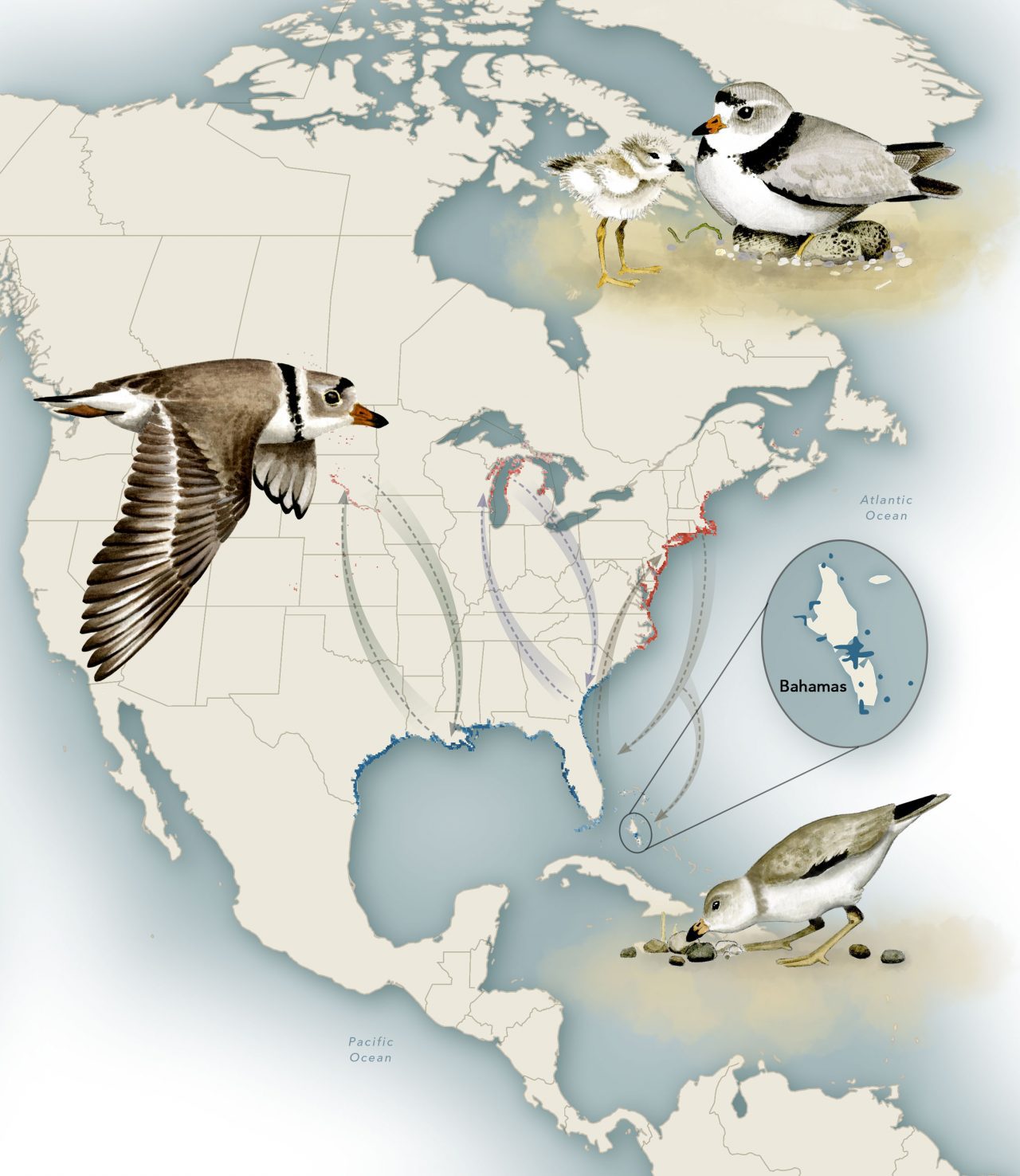
North America has four major flyways used by migrating birds. These paths follow rivers, coastlines, and mountain ranges.
Birds use these flyways to travel between breeding and wintering grounds. Each flyway covers a large area.
- Atlantic Flyway: Along the East Coast from Canada to the Caribbean.
- Mississippi Flyway: Follows the Mississippi River to the Gulf of Mexico.
- Central Flyway: Runs through the Great Plains to Mexico.
- Pacific Flyway: Along the West Coast from Alaska to Central America.
European Pathways
Birds in Europe use several main migration routes. These routes link northern breeding areas to southern winter homes.
Many birds cross the Mediterranean Sea or travel through mountain passes. These routes help them avoid long water crossings.
- East Atlantic Flyway: From northern Europe to West Africa.
- Mediterranean Flyway: Across southern Europe and North Africa.
- Black Sea Flyway: Between Eastern Europe and the Middle East.
Asian Corridors
Asia hosts some of the longest bird migration routes. Birds travel from Siberia and northern Asia to warmer southern areas.
These corridors pass through deserts, mountains, and wetlands. Birds follow rivers and coasts to find food and rest stops.
- Central Asian Flyway: From Siberia to the Indian subcontinent.
- East Asian-Australasian Flyway: Along East Asia to Australia and New Zealand.
- West Asian-East African Flyway: From the Middle East to East Africa.
Best Times To Watch
Bird migration is a great chance to see many species in one place. Knowing the best times helps you plan your visit. This guide shows when to watch birds during their spring and fall journeys.
Each season brings different birds and behaviors. Watching at the right time improves your chances of seeing rare and beautiful birds.
Spring Migrations
Spring migration usually happens from March to May. Birds travel north to their breeding grounds. The weather warms up and food becomes more available.
- March: Early migrants like waterfowl start moving.
- April: Songbirds arrive in large numbers.
- May: Most species reach their nesting areas.
Fall Migrations
Fall migration occurs from August to November. Birds move south to warmer areas. This is a time to see many birds gathering before their long journeys.
| Month | Common Birds Seen |
| August | Hawks, Swallows |
| September | Warblers, Thrushes |
| October | Geese, Ducks |
| November | Owls, Sparrows |

Credit: www.barnesandnoble.com
Essential Gear For Spotting
Bird watching requires the right tools to see and identify birds clearly. Choosing good gear helps you enjoy the experience more.
This guide covers the basic equipment for spotting birds in the wild. Focus on binoculars, scopes, and helpful guides or apps.
Binoculars And Scopes
Binoculars and scopes make it easier to see birds from a distance. Binoculars are handy for quick looks and moving around. Scopes offer higher magnification for detailed views.
- Choose binoculars with 8x to 10x magnification for clear images.
- Look for wide lenses to gather more light in low-light conditions.
- Pick waterproof and fog-proof models for outdoor use.
- Use a tripod with scopes for steady viewing over long periods.
- Consider weight and size for comfort during long walks.
Field Guides And Apps
Field guides and apps help you identify birds by appearance and sound. Paper guides are reliable without needing batteries. Apps add extra features like bird calls and location tracking.
| Type | Advantages | Disadvantages |
| Paper Field Guides | Easy to carry, no battery needed | Can be bulky, limited updates |
| Mobile Apps | Interactive, includes sound and photos | Needs charged device, may have ads |
Choosing Ideal Locations
Bird migration is a fascinating natural event. Choosing the right spots helps you see many birds. Some places attract more birds than others.
Knowing where to go makes bird watching easier. Different locations offer unique views of migrating birds.
Wetlands And Coastal Areas
Wetlands and coastal areas are rich in food and shelter. Birds use these places to rest and feed during migration.
- Look for large marshes or estuaries
- Visit during low tide for better views
- Bring binoculars to see distant birds
- Check local birdwatching guides for hotspots
Mountain Passes
Mountain passes create natural pathways for migrating birds. These narrow routes funnel birds through tight spaces.
| Mountain Pass | Best Time to Visit | Common Species |
| Sierra Nevada | September to October | Hawks, Eagles |
| Rocky Mountains | March to April | Falcons, Vultures |
| Alps | August to September | Storks, Cranes |
Urban Hotspots
Cities can surprise you with bird activity. Parks and gardens offer food and shelter for migrating birds.
Here are common urban spots to watch birds:
- City parks with water features
- Botanical gardens with native plants
- Rooftop gardens and green spaces
- Riverside walkways inside cities
Bird Identification Tips
Bird migration is a great time to see many different birds. Knowing how to identify them helps you enjoy your experience more.
Look closely at birds to learn their unique features and habits. This makes it easier to tell one bird from another.
Key Features To Watch
Pay attention to size, shape, and color patterns. These traits help you spot the bird species quickly.
- Body size compared to common birds
- Color of feathers on head, wings, and tail
- Shape of beak and legs
- Unique markings like stripes or spots
Behavioral Clues
Watch how birds move and act. Their behavior gives clues to their identity.
Some birds fly in groups, while others fly alone. Notice how they feed and rest during migration.
- Flight patterns: soaring, flapping, or gliding
- Feeding habits: picking insects, eating seeds, or fishing
- Sounds and calls they make
- How they interact with other birds
Tracking Migration Trends
Bird migration is a natural event where birds travel between places. Tracking their movement helps us learn about their habits and health.
Scientists and bird watchers use different ways to follow migration patterns. This helps protect birds and their habitats.
Using Technology
Technology makes tracking bird migration easier and more accurate. Devices like GPS trackers show exact bird routes.
Radar and satellite images help watch large groups of birds. This data shows when and where birds travel each year.
- GPS trackers attach to birds to record their path
- Radar detects flocks flying in the sky
- Satellites monitor large areas from space
- Data helps scientists study climate effects on migration
Citizen Science Projects
Citizen science lets people help track bird migration. Volunteers watch birds and report their sightings online.
These projects gather many observations from different places. This information fills gaps that technology might miss.
- Bird watchers record dates and locations of birds
- Many people contribute to large databases
- Data helps track changes in migration timing
- Projects raise awareness about bird conservation

Credit: www.allaboutbirds.org
Ethical Birdwatching
Bird migration is a fascinating natural event. Watching birds travel long distances is exciting for many people.
Ethical birdwatching means observing birds without harming them or their habitat. It helps protect birds for future generations.
Respecting Wildlife
Always keep a safe distance from birds. Avoid touching or feeding them. Wild birds can get stressed by close contact.
Use binoculars or cameras with zoom lenses. These tools help you see birds clearly without disturbing them.
- Never chase or corner birds
- Do not remove eggs or nests
- Stay on marked trails to protect habitats
Minimizing Disturbance
Keep noise levels low when near birds. Loud sounds can scare birds and cause them to fly away.
Visit birdwatching sites during times that are less busy. This reduces stress on birds during migration.
- Turn off phone sounds and cameras quietly
- Avoid sudden movements or bright flashes
- Follow local rules and guidelines at bird areas
Common Migratory Birds To Spot
Bird migration is a natural wonder to watch. Many birds travel long distances to find food and better weather.
Spotting migratory birds can be fun for beginners and experts. This guide covers common birds to watch during migration.
Warblers And Thrushes
Warblers and thrushes are small, colorful songbirds. They often travel at night and rest during the day.
- Yellow Warbler
- Black-throated Blue Warbler
- Hermit Thrush
- Swainson’s Thrush
- Wood Thrush
Raptors And Hawks
Raptors and hawks are birds of prey. They use strong wings to soar high during migration.
| Bird | Wingspan | Typical Habitat |
| Red-tailed Hawk | 3.3 to 4.8 feet | Open fields and forests |
| Bald Eagle | 5.9 to 7.5 feet | Near lakes and rivers |
| Broad-winged Hawk | 3.3 feet | Woodlands |
| Osprey | 5 to 6 feet | Coastal areas |
Waterfowl And Shorebirds
Waterfowl and shorebirds gather near lakes, rivers, and coasts. They feed on fish, insects, and plants.
- Canada Goose
- Snowy Egret
- Semipalmated Sandpiper
- American Black Duck
- Wilson’s Phalarope
Credit: www.allaboutbirds.org
Frequently Asked Questions
What Are Bird Migration Guides?
Bird migration guides help identify species, routes, and behaviors during migration. They provide maps, timing, and tips for birdwatchers. These guides enhance understanding of migratory patterns and support conservation efforts. They are essential tools for enthusiasts and researchers alike.
How Do Bird Migration Guides Assist Birdwatchers?
Migration guides inform birdwatchers about peak migration times and hotspots. They detail species’ appearances and behaviors. This helps observers spot and identify birds accurately. The guides improve the overall birdwatching experience and increase sightings during migration seasons.
Why Is Bird Migration Important To Study?
Studying bird migration reveals ecological changes and climate impacts. It helps track species health and population trends. Migration data support habitat protection and conservation planning. Understanding migration also enriches scientific knowledge about animal navigation.
When Is The Best Time To Use Bird Migration Guides?
The best time to use guides is during spring and fall migrations. These seasons show the highest diversity and volume of migrating birds. Using guides then maximizes birdwatching success. They also help prepare for unexpected sightings.
Conclusion
Bird migration fascinates many nature enthusiasts worldwide. These guides offer valuable insights. They help us understand the incredible journeys birds undertake. Observing these migrations connects us with nature’s rhythms. It deepens our appreciation for these feathered travelers. As seasons change, so do their paths.
Each journey tells a story of survival and instinct. By learning more, we support conservation efforts. Protecting their habitats ensures future migrations. So, grab your binoculars and explore. Witness the wonders of bird migration firsthand. Let these guides enhance your birdwatching experience.
Nature awaits, full of surprises and beauty. Enjoy every moment!