Have you ever wondered where birds go when the seasons change? Bird Migration Observation is one of the most amazing natural events you can experience.
It’s not just about seeing birds fly by; it’s about connecting with nature in a way that few get to feel. Imagine spotting flocks of colorful birds traveling thousands of miles, right before your eyes. This guide will help you understand Bird Migration Observation like a pro, making your next outdoor adventure unforgettable.
Get ready to discover tips and secrets that will bring your bird-watching skills to a whole new level. Your next great wildlife moment is closer than you think.
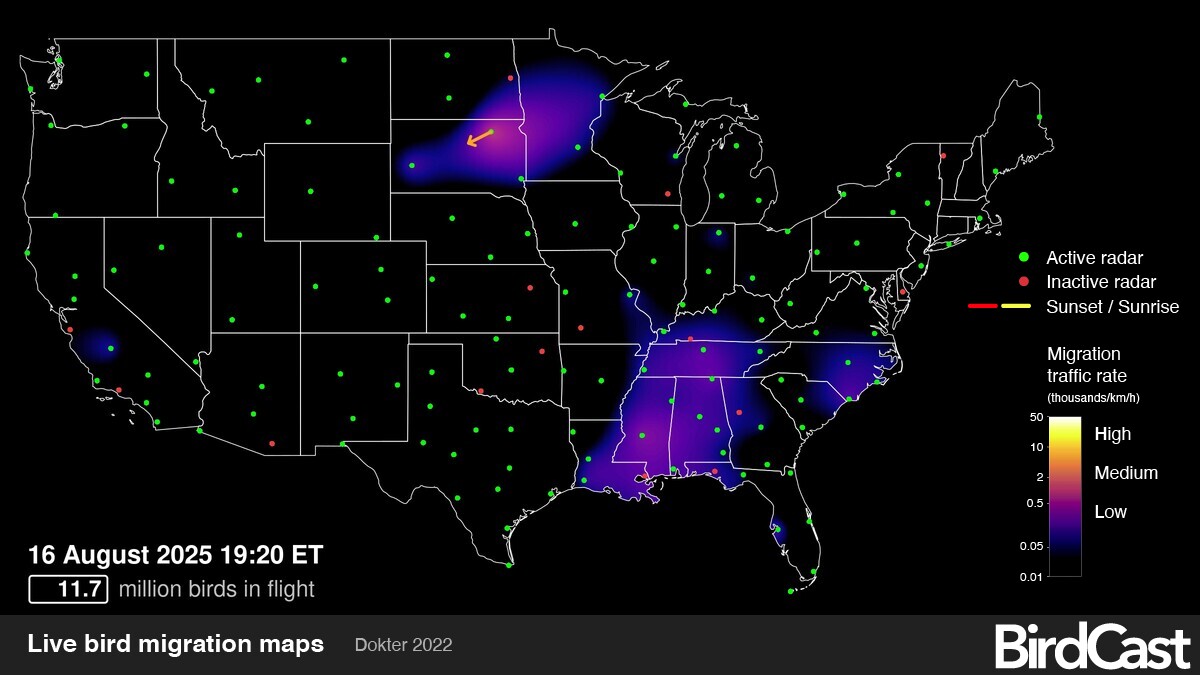
Credit: birdcast.info
Bird Migration Basics
Bird migration is the regular movement of birds between breeding and wintering areas. Many bird species travel long distances every year. This journey helps them survive and reproduce.
Understanding migration helps us observe birds better and protect their habitats. It also shows how birds adapt to changing environments.
Why Birds Migrate
Birds migrate mainly to find food and better weather. During winter, food becomes scarce in cold places. Migration allows birds to move to warmer areas where food is easier to find.
Some birds also migrate to breed in safe, favorable locations. Moving to these places increases their chances of raising healthy chicks.
Common Migration Routes
Birds follow specific routes during migration. These routes often use natural landmarks like rivers, mountains, and coastlines to guide the way. Some routes cross continents and oceans.
- Atlantic Flyway: Along the east coast of North America.
- Pacific Flyway: Along the west coast of North America.
- Central Flyway: Through the central United States and Canada.
- Mississippi Flyway: Following the Mississippi River southward.
Timing And Seasons
Bird migration happens in spring and fall. In spring, birds travel to breeding grounds. In fall, they move to wintering areas. The timing depends on the species and location.
| Season | Purpose | Typical Months |
| Spring | Travel to breed | March to June |
| Fall | Travel to wintering areas | August to November |
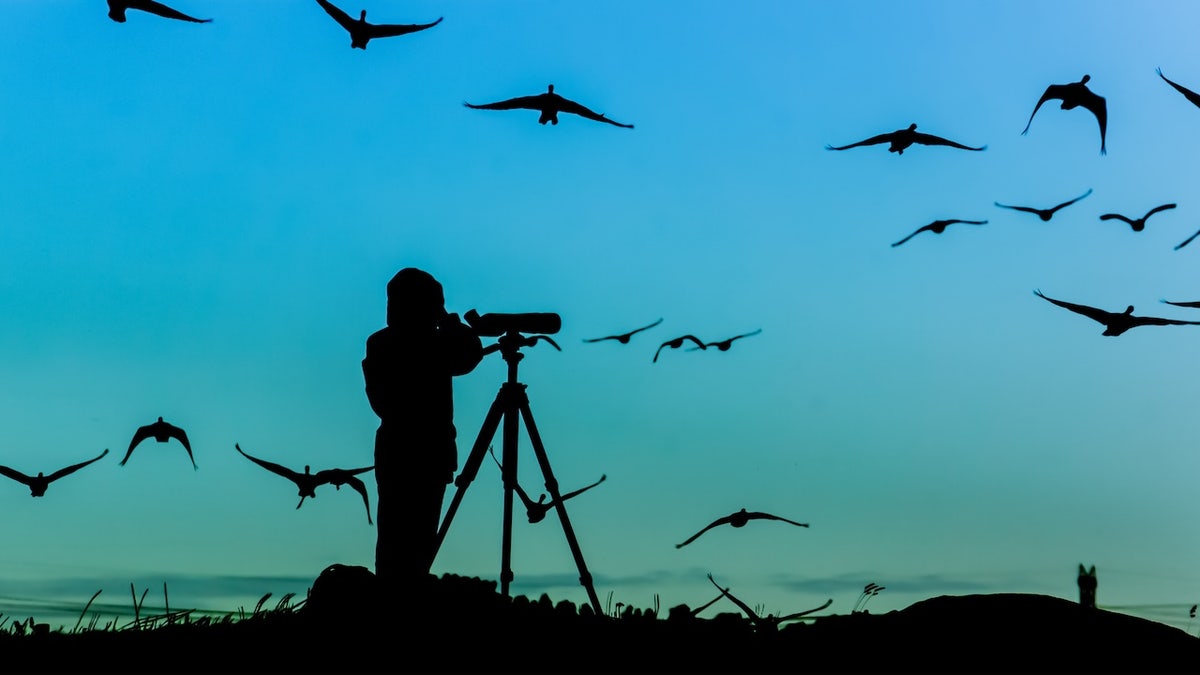
Credit: www.foxnews.com
Essential Gear For Observation
Bird migration observation is a rewarding hobby. Having the right gear helps you see and record birds clearly.
Good equipment makes your experience more enjoyable and accurate. Here are some important tools to bring.
Binoculars And Scopes
Binoculars let you see birds up close without disturbing them. Choose ones with good magnification and clear lenses.
Scopes are useful for spotting birds far away. They give a sharper view but need a tripod to hold steady.
- Binoculars with 8x to 10x magnification work well
- Look for wide field of view and light weight
- Scopes need a sturdy tripod for stability
- Waterproof and fog-proof models last longer outdoors
Field Guides And Apps
Field guides help identify birds by showing pictures and descriptions. Choose guides for your region or migration paths.
Mobile apps offer quick access to bird calls, maps, and checklists. They make it easier to track your sightings.
- Printed field guides work well in areas without phone signal
- Apps can play bird songs to attract or identify birds
- Use apps to log your observations instantly
- Choose guides and apps with clear images and simple info
Recording Tools
Recording tools help you note down bird sightings and behaviors. Use notebooks or digital devices to keep track.
Audio recorders capture bird calls. Cameras or phones help take photos for later identification.
- Use waterproof notebooks for outdoor notes
- Smartphones can record sounds and photos quickly
- Voice recorders capture bird songs clearly
- Organize your records by date and location
Best Locations To Watch
Bird migration offers a chance to see many species traveling long distances. Watching these birds can be exciting and peaceful. Choosing the right spot helps you enjoy the best views.
Many places across the world serve as key locations for bird watchers. These spots provide food, rest, and safe passage for migrating birds. Here are some top locations to consider.
Coastal Hotspots
Coastal areas attract many migrating birds because of the rich food supply. Shorebirds, gulls, and terns are common sights here. Watching at sunrise or sunset gives the best views.
- Point Reyes, California, USA
- Chesapeake Bay, Maryland, USA
- Morecambe Bay, England
- Wadden Sea, Netherlands
- East Coast of Australia
Mountain Passes
Mountain passes guide birds flying over high terrain. Raptors and large birds use these routes to conserve energy. Watching from a high viewpoint gives clear views of their flight.
| Location | Country | Common Birds |
| Hawk Mountain | USA | Hawks, Eagles |
| San Gabriel Mountains | USA | Falcons, Vultures |
| Alps Passes | Europe | Buzzards, Eagles |
Wetlands And Lakes
Wetlands and lakes are resting spots for waterfowl and waders. These places offer food and shelter during long flights. Many bird watchers use scopes to see distant flocks clearly.
Popular Wetlands and Lakes:
- Everglades, Florida, USA
- Lake Nakuru, Kenya
- Danube Delta, Romania
- Chilika Lake, India
- Lake Baikal, Russia

Credit: www.allaboutbirds.org
Spotting Techniques
Bird migration observation is exciting and rewarding. Spotting birds needs good skills and patience.
Learning how to watch birds helps you see more and understand their behavior better.
Identifying Flight Patterns
Birds fly in different ways during migration. Recognizing their flight helps you find them faster.
Some birds fly in straight lines, while others move in waves or zigzags.
- V-shaped formations show geese or ducks flying together
- Flapping fast with little glide means small songbirds
- Soaring with wide wings shows large birds like hawks
- Erratic flight may mean birds are feeding or resting
Recognizing Bird Calls
Bird calls help identify species even if you cannot see them. Listen carefully to sounds in the air.
Each bird has unique calls or songs during migration. Learning common calls improves spotting skills.
- Short sharp calls often mean alarm or communication
- Repeated melodic songs usually mark territory or attract mates
- High-pitched chips can signal small birds flying in groups
- Calls heard at dawn or dusk can indicate active migration times
Using Weather Clues
Weather affects when and where birds migrate. Watching weather helps predict bird movement.
Birds often fly in good weather and rest during storms or strong winds.
- Clear skies and light wind make good flying conditions
- Warm fronts can trigger sudden migration waves
- Rain or heavy clouds often slow bird migration
- Early morning and late afternoon are best times to observe
Tracking And Recording Sightings
Bird migration observation helps us learn about bird movements. Tracking sightings gives important data for science.
Recording what you see lets you notice patterns over time. It also helps others understand bird behavior.
Keeping A Bird Journal
A bird journal is a personal record of your sightings. Write down the date, place, and bird species you see.
Note details like weather, bird behavior, and time of day. This helps track changes in migration habits.
- Record date and location
- Identify bird species
- Describe bird behavior
- Note weather conditions
- Add any unusual details
Using Online Databases
Online databases collect bird sightings from many people. You can enter your observations to share data.
These sites help track migration routes and population changes. They also offer maps and tools for analysis.
- Register to submit sightings
- Upload photos if possible
- Use location tools to mark where
- Check others’ sightings
- Explore migration maps
Sharing Observations With Communities
Sharing your sightings connects you with bird watchers worldwide. It builds a community of people who care about birds.
Communities share tips and help identify birds. They also organize events and group counts to study migration.
- Join local bird watching groups
- Participate in online forums
- Share photos and notes
- Attend bird counts and walks
- Learn from experienced observers
Common Migratory Species
Bird migration is a natural journey many species take every year. They travel to find food, better weather, or safe places to breed.
Watching these birds during migration helps us learn about their habits and protect their homes.
Songbirds
Songbirds are small birds known for their beautiful songs. Many songbirds migrate long distances to warmer places.
Common migratory songbirds include warblers, thrushes, and sparrows. They often travel at night to avoid predators.
- American Redstart
- Black-and-white Warbler
- Swainson’s Thrush
- Song Sparrow
Raptors
Raptors are birds of prey like hawks and eagles. They migrate to find better hunting grounds and warmer weather.
These birds use thermal air currents to glide long distances with little effort.
- Broad-winged Hawk
- Osprey
- Bald Eagle
- Sharp-shinned Hawk
Waterfowl
Waterfowl are birds that live near water like ducks and geese. They migrate to find open water during cold months.
Many waterfowl fly in large groups called flocks, often in a V shape to save energy.
- Canada Goose
- Mallard Duck
- Snow Goose
- Wood Duck
Conservation And Ethical Watching
Bird migration is a beautiful natural event. Watching birds can teach us about nature and its cycles.
We must watch birds in ways that do not harm them or their homes. This helps keep bird populations safe and healthy.
Minimizing Disturbance
Birds are sensitive during migration. Loud noises and sudden movements can scare them. Keep a calm and quiet presence to avoid stress.
- Stay on marked paths to avoid startling birds
- Use binoculars or zoom lenses instead of getting too close
- Do not touch or feed the birds
- Avoid using flash photography
Protecting Habitats
Birds need safe places to rest and feed during migration. Protecting these habitats is key to their survival.
| Habitat Type | Why It Matters |
| Wetlands | Provide food and water |
| Forests | Offer shelter and nesting sites |
| Grasslands | Support insects and seeds for food |
| Coastal Areas | Serve as stopover points on migration routes |
Supporting Conservation Efforts
Many groups work to protect birds and their habitats. You can help by joining or donating to these efforts.
Ways to support conservation:
- Volunteer for local bird counts or cleanups
- Share information about bird protection with friends
- Follow local laws about bird watching and habitat protection
- Support policies that protect natural areas
Frequently Asked Questions
What Is Bird Migration Observation?
Bird migration observation is the study of birds’ seasonal movement. It helps track migration patterns and timing. Observers record species, numbers, and behaviors to understand bird ecology better.
When Is The Best Time For Bird Migration Observation?
The best time is during spring and fall. These seasons mark peak migration periods. Early mornings and clear weather improve observation success rates.
How Can I Identify Migrating Birds?
Use field guides and apps to identify species. Note size, color, flight pattern, and calls. Practice regularly to improve recognition skills.
Why Is Bird Migration Observation Important?
It helps monitor bird population health and environmental changes. Observations guide conservation efforts and raise awareness about bird habitats.
Conclusion
Observing bird migration is a rewarding experience. It’s a chance to connect with nature. Birds travel incredible distances across the globe. Watching them offers insight into their fascinating journeys. Each species follows its unique path. Seasonal changes drive these migratory patterns.
Enthusiasts can learn a lot from these movements. Birdwatching helps us appreciate biodiversity. It also raises awareness about environmental challenges. As you watch, notice the beauty and resilience of these creatures. Their journeys inspire awe and curiosity. So, grab your binoculars.
Start your own bird migration observation today. It’s an adventure waiting to unfold.