Have you ever stopped to watch a tiny bird carefully building its nest? Those delicate homes are more than just twigs and leaves—they are the future of an entire family of birds.
Protecting bird nests isn’t just about saving a few eggs; it’s about preserving life and supporting nature right in your own backyard. Following Bird Nest Protection Tips can help keep nests safe and give birds the best chance to thrive.
If you want to know simple, effective ways to keep these nests safe, you’re in the right place. Keep reading, and you’ll discover easy Bird Nest Protection Tips that make a big difference for our feathered friends.
Credit: solarsme.com
Why Bird Nest Protection Matters
Bird nests are safe places where birds lay eggs and raise chicks. Protecting these nests helps birds survive and grow their populations.
Many birds face threats from humans and predators. Saving nests keeps birds safe and supports nature’s balance.
Supports Bird Population Growth
Bird nests provide shelter and care for young birds. Protecting nests helps more chicks survive to adulthood. This keeps bird numbers steady or growing.
Maintains Ecosystem Balance
Birds control pests and spread seeds. Healthy bird populations keep plants and insects in balance. Protecting nests helps maintain this natural order.
Prevents Disturbance And Harm
Human activities can harm bird nests by accident. Knowing how to protect nests reduces damage and stress on birds.
- Keep a safe distance from nests
- Avoid touching or moving nests
- Limit loud noises near nesting areas
- Watch pets that may disturb nests
Helps Raise Awareness And Respect
Teaching others about bird nest protection builds respect for wildlife. Sharing simple tips helps communities care for birds and their homes.
| Tip | Why It Helps |
| Observe nests quietly | Reduces bird stress |
| Report damaged nests | Allows rescue and repair |
| Plant native trees | Creates safe nesting spots |
Common Threats To Bird Nests
Bird nests face many dangers that can harm eggs and young birds. Protecting nests helps keep bird populations safe.
Understanding the main threats can guide us on how to keep nests safe and support wildlife.
Predators And Human Disturbance
Predators like snakes, raccoons, and crows often find bird nests to eat eggs or chicks. People can also harm nests by getting too close or touching them.
- Keep a safe distance from nests to avoid scaring birds.
- Do not touch or move nests, eggs, or baby birds.
- Control pets like cats and dogs near nesting areas.
- Remove attractants that draw predators to nests.
Environmental Hazards
Weather events such as heavy rain, strong winds, and extreme heat can destroy nests or harm young birds. Pollution and pesticides also create unsafe conditions.
| Hazard | Effect on Bird Nests |
| Heavy Rain | Floods nests and chills eggs |
| Strong Winds | Blow nests out of trees |
| Extreme Heat | Dries out eggs and chicks |
| Pesticides | Poison birds and reduce food supply |
Habitat Loss
Cutting down trees and building over natural areas removes places where birds build nests. This makes it hard for birds to find safe homes.
Ways to protect habitats include:
- Preserving forests and wetlands
- Planting native trees and shrubs
- Creating bird-friendly gardens
- Supporting local conservation efforts
Choosing Safe Nesting Locations
Birds need safe places to build their nests. Choosing the right spot helps protect their eggs and chicks.
Finding natural shelter and avoiding busy areas keeps nests safe from harm and stress.
Natural Shelter Options
Birds often pick places with natural cover. Trees, bushes, and dense shrubs provide good protection.
- Thick branches hide nests from predators
- Evergreen trees offer year-round shelter
- Leafy bushes shield nests from rain and wind
- Cliffs and rocky areas can protect ground nests
Avoiding High Traffic Areas
Birds should avoid places with many people or animals. High traffic can scare them away and risk nest damage.
| Area Type | Risk Level | Reason |
|---|---|---|
| Playgrounds | High | Lots of noise and movement |
| Paths and Trails | Medium | Frequent foot traffic |
| Quiet Gardens | Low | Less disturbance from people |
| Dense Forests | Low | Natural barrier from humans |
Credit: solarsme.com
Creating Bird-friendly Environments
Birds need safe places to build their nests and raise their young. Creating bird-friendly environments helps protect their homes. Simple actions can make a big difference.
Providing food, water, and shelter attracts birds. These elements support their survival through different seasons.
Providing Food And Water
Birds need fresh food and clean water every day. Offer a variety of foods to support different bird species. Water sources help birds drink and bathe safely.
Keep feeders and water dishes clean to prevent disease. Place them where birds feel safe from predators.
- Use seed mixes with sunflower, millet, and nyjer
- Offer suet or mealworms for insect-eating birds
- Provide shallow water dishes or birdbaths
- Change water daily to keep it fresh
- Place feeders near shrubs or trees for cover
Planting Native Vegetation
Native plants provide natural food and shelter for birds. They attract insects that birds eat. These plants also offer safe places for nesting.
Choose a variety of native trees, shrubs, and flowers. This creates layers of habitat to support different bird needs.
- Plant berry-producing shrubs for food in fall and winter
- Include flowering plants that attract pollinators and insects
- Use dense shrubs for nesting and protection
- Grow native grasses for cover and nesting material
- Avoid pesticides that harm birds and insects
Minimizing Human Impact
Bird nests need quiet and safe places to grow new life. People can help by being careful around nesting areas. This guide shows simple ways to protect bird nests.
Reducing human disturbance helps birds raise their young well. Small actions make a big difference for birds and nature.
Respecting Nesting Seasons
Birds build nests and lay eggs during certain times of the year. It is important to give them space in these months. Staying away helps birds avoid stress and protect their young.
- Find out when local birds nest each year.
- Do not touch or move nests during these times.
- Keep pets and children away from nesting areas.
- Avoid cutting trees or bushes where birds nest.
- Use signs to warn others about nesting zones.
Limiting Noise And Movement
Loud sounds and quick movements scare birds. They may leave their nests and eggs unprotected. Keeping calm and quiet helps birds stay safe.
| Action | Why It Matters |
| Speak softly near nests | Reduces stress on birds |
| Walk slowly and avoid sudden moves | Prevents birds from flying away |
| Turn off loud machines | Keeps the area peaceful |
| Limit group visits | Less disturbance for nesting birds |
Credit: solarsme.com
Using Artificial Nesting Aids
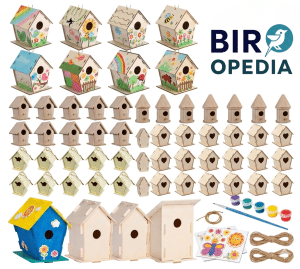
Artificial nesting aids help protect bird nests by giving birds safe places to lay eggs. These aids mimic natural shelters and can increase bird survival.
People install and maintain these aids to support local bird populations. Proper care keeps the nests clean and ready for new families.
Installing Nest Boxes
Place nest boxes in quiet areas where birds feel safe. Avoid direct sunlight and strong winds. Use wood or safe materials that last long.
- Mount boxes 5 to 10 feet above ground
- Face the entrance away from prevailing winds
- Keep the area around clear of dense bushes
- Use predator guards if possible
- Check local bird species for box size needs
Maintaining Birdhouses
| Maintenance Task | When to Do It | Why It Matters |
| Clean old nesting material | Late fall or early spring | Prevents parasites and disease |
| Check for damage | After storms | Keeps box safe and dry |
| Remove wasp nests | Before breeding season | Stops competition for space |
| Tighten screws and hinges | Once a year | Ensures box stability |
Monitoring And Reporting Nest Activity
Watching bird nests helps protect birds and their babies. It shows if they are safe or in danger.
Careful monitoring lets us learn about bird behavior. Reporting problems helps experts keep birds safe.
Safe Observation Techniques
Watch nests from a distance using binoculars. This stops you from scaring the birds.
Move slowly and quietly near nests. Avoid touching eggs or nest materials to keep birds safe.
- Stay at least 10 feet away from nests
- Use binoculars or a camera with zoom
- Visit nests only at safe times, like midday
- Do not make loud noises or sudden moves
- Never touch eggs, chicks, or nests
When To Contact Wildlife Experts
Call wildlife experts if you see injured birds or broken eggs. They know how to help safely.
Report if nests are destroyed or disturbed by people or animals. Experts can protect the area.
- Birds injured or trapped near the nest
- Eggs broken or missing
- Nests damaged by weather or humans
- Birds acting strangely or sick
- Large predators near the nest
Frequently Asked Questions
How Can I Protect Bird Nests In My Garden?
To protect bird nests, avoid disturbing them and keep pets away. Plant native shrubs for natural cover and avoid using pesticides. Provide a safe environment with minimal noise and human activity around nesting areas.
What Are The Best Materials For Bird Nest Protection?
Use natural materials like twigs, leaves, and grass for nest protection. Avoid plastic or synthetic materials as they can harm birds. Ensure the nest is well-hidden and sheltered from harsh weather conditions.
When Is The Best Time To Protect Bird Nests?
The best time to protect bird nests is during the breeding season. This varies by species but generally occurs in spring and early summer. Early protection helps ensure eggs and chicks remain safe from predators and disturbances.
Why Should I Avoid Touching Bird Nests?
Touching bird nests can cause stress to birds and may lead parents to abandon the nest. Oils from human hands can also harm eggs or chicks. It’s best to observe nests from a distance without interference.
Conclusion
Protecting bird nests benefits both birds and nature. Simple steps make a difference. Provide safe nesting spots in your garden. Use bird-friendly materials and structures. Keep pets away from nests. Educate others on the importance of bird protection. Respect birds’ space during nesting seasons.
Your efforts help preserve bird populations. Encourage a thriving environment for them. Every small action counts. Together, we can safeguard these wonderful creatures. A little care goes a long way. Let’s cherish and protect our feathered friends. By doing so, we contribute to a healthier ecosystem.