

Have you ever noticed how birds seem to disappear and reappear with the changing seasons? Perhaps you’ve wondered why some birds visit your backyard only during certain months.
These fascinating movements are all part of bird seasonal changes. Understanding these changes can open up a whole new world of nature’s secrets for you. You might be surprised to learn how these patterns affect not just the birds but also your environment.
Stay with us, and you’ll discover the surprising reasons behind these seasonal shifts and how they impact your everyday surroundings. Let’s dive into the wonders of nature and see how these feathered creatures adapt and thrive throughout the year.
Bird Migration Patterns
Bird migration is the regular movement of birds between breeding and wintering areas. Many birds travel thousands of miles every year.
This journey helps birds find food and better climates. It is one of nature’s most amazing events.
Triggers For Migration
Birds start migration when seasons change. Shorter days and cooler temperatures signal it is time to move.
Food scarcity also triggers migration. Birds follow their food sources to survive harsh weather.
- Day length changes
- Temperature drops
- Food becomes scarce
- Breeding cycles
Famous Migratory Routes
Birds use well-known paths during migration. These routes help them find safe resting spots and food.
Some routes cover continents and oceans. These long journeys show how strong and skilled birds are.
- Atlantic Flyway (North America)
- Pacific Flyway (North America)
- East Asian-Australasian Flyway
- East Atlantic Flyway
Challenges During Migration
Birds face many dangers while migrating. Weather, predators, and lack of food are big problems.
Human activities like building and pollution also make migration harder. Birds must work hard to survive.
- Storms and bad weather
- Predators and hunting
- Loss of stopover habitats
- Pollution and light interference

Credit: www.researchgate.net
Molting And Plumage Changes
Birds change their feathers through a process called molting. This helps them stay healthy and fly well. Their colors can also shift with the seasons.
These changes affect how birds look and behave throughout the year. Understanding molting and plumage helps us learn about bird life.
Types Of Molting
Molting happens in different ways depending on the bird species. Some birds shed feathers all at once. Others lose them in parts over time.
- Complete Molt: All feathers fall out and regrow.
- Partial Molt: Only some feathers are replaced.
- Sequential Molt: Feathers drop in a specific order.
- Prejuvenile Molt: Young birds lose baby feathers.
Seasonal Color Variations
Birds often change feather colors with the seasons. This helps them blend in or attract mates. These changes can be bright or subtle.
| Season | Color Traits | Purpose |
| Spring | Bright and vibrant | Attract mates |
| Summer | Fresh and clean feathers | Flight and display |
| Fall | Duller tones | Camouflage |
| Winter | Thicker and dull | Insulation and concealment |
Impact On Bird Behavior
Molting and plumage changes affect what birds do. They may rest more or hide from predators. Some birds change where they live during molting.
- Reduced flight to save energy
- Less social interaction
- More time spent preening feathers
- Seeking safe habitats
Breeding Season Shifts
Birds change their breeding times to match new weather patterns. These shifts affect how they court, build nests, and raise chicks. Understanding these changes helps us learn about bird survival.
Climate changes and food availability influence when birds start breeding. These shifts can impact the success of their young and the health of bird populations.
Courtship Displays
Birds use courtship displays to attract mates. These displays include singing, dancing, and showing bright feathers. When the breeding season shifts, birds may start these displays earlier or later.
Timing is important because it matches the availability of food and safe nesting sites. If courtship starts too early or late, it can reduce chances of finding a mate.
Nest Building Timing
Birds build nests to protect their eggs and young. Changes in breeding season shift the timing of nest building. Birds may start building nests earlier in the year or delay until conditions improve.
- Early nest building can match early spring food peaks
- Late nest building may avoid bad weather
- Timing affects the safety and warmth of the nest
Raising The Young
| Stage | Traditional Timing | Shifted Timing |
|---|---|---|
| Egg Laying | April to May | March to April |
| Hatching | May to June | April to May |
| Fledging | June to July | May to June |
Raising young birds depends on food and weather. If the timing shifts, parents must adjust feeding and protection. This can affect chick survival and growth rates.
Feeding Habits Across Seasons
Birds change what and how they eat depending on the season. These changes help them survive different weather and food availability.
Feeding habits vary to match the needs for energy and the types of food that are easy to find each season.
Diet Adjustments
Birds eat different foods in each season. In spring and summer, they eat many insects and fresh plants.
In fall and winter, birds switch to seeds, nuts, and berries. These foods last longer and are easier to find.
- Spring: Insects, worms, and fresh shoots
- Summer: Insects, small fruits, and nectar
- Fall: Seeds, nuts, and berries
- Winter: Seeds, nuts, and stored food
Foraging Techniques
Birds change how they look for food based on the season and environment. They use different skills to find the best food sources.
In warm seasons, birds catch flying insects or pick from plants. In cold seasons, they search under leaves or snow.
- Catch insects in the air during spring and summer
- Pick berries and fruits from bushes
- Search leaf litter for hidden seeds in fall
- Dig through snow or bark for food in winter
Food Scarcity Solutions
When food is hard to find, birds use smart ways to survive. Some store food, and others eat different things than usual.
Birds may also move to places with more food. These changes help them stay healthy during tough times.
- Store seeds and nuts in hidden spots
- Eat insects, fruits, or plants based on availability
- Migrate to warmer areas with more food
- Reduce activity to save energy
Adaptations To Weather Changes
Birds face many weather changes through the seasons. They must adjust to stay safe and healthy. These adaptations help them survive cold winters and hot summers.
Birds use special ways to keep their body temperature steady. They also find shelter and save energy to cope with harsh weather. These strategies work together to help birds live in changing environments.
Thermoregulation Strategies
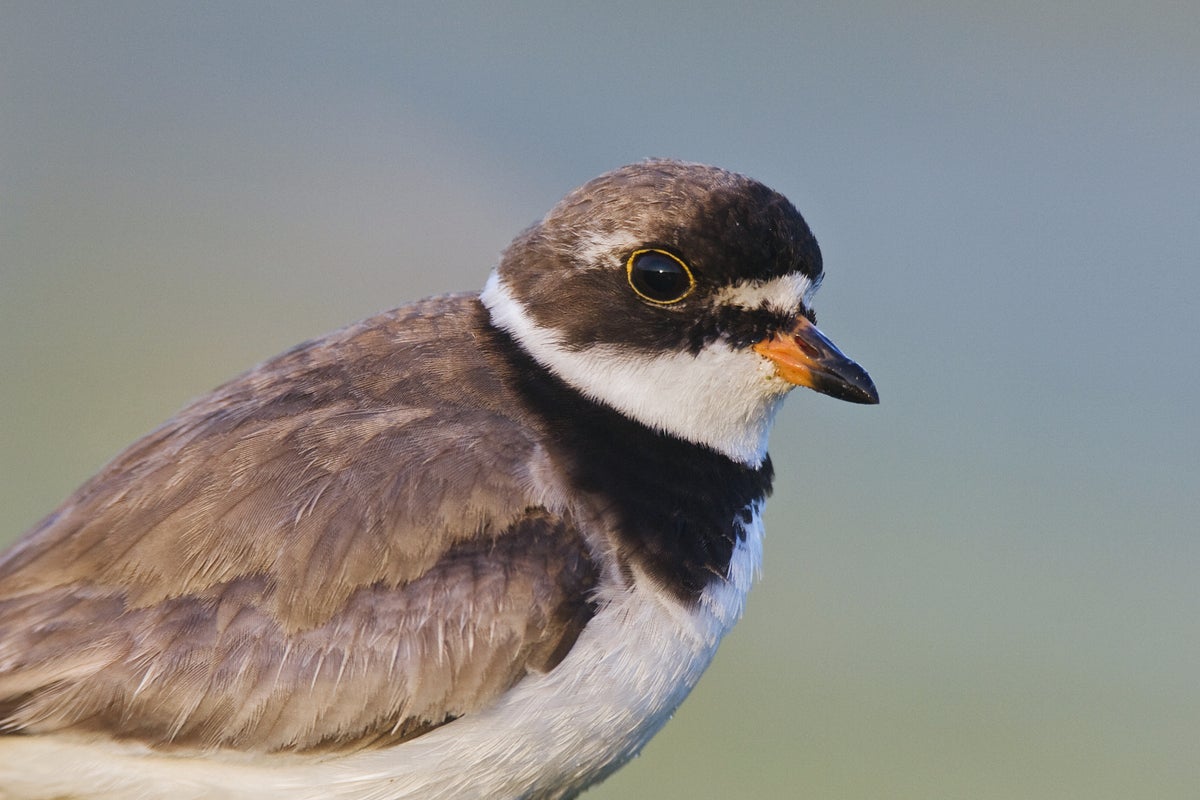
Birds keep their body temperature stable by changing their behavior and body features. Some fluff their feathers to trap air and stay warm. Others pant or spread their wings to cool down.
- Fluff feathers to trap heat
- Pant to release heat
- Change blood flow to skin
- Shiver to create heat
- Use sun to warm up
Shelter Seeking
Birds look for safe places to protect themselves from cold, wind, and rain. They use trees, bushes, nests, and even man-made structures. Shelter helps birds avoid harsh weather and predators.
| Shelter Type | Benefits |
|---|---|
| Dense bushes | Block wind and keep warm |
| Tree cavities | Shield from rain and cold |
| Nests with thick lining | Trap heat for eggs and chicks |
| Under eaves of buildings | Dry and safe from predators |
Energy Conservation
Birds save energy by reducing movement and slowing down their metabolism. Some sleep longer or stay still during cold parts of the day. This helps them use less food and stay alive.
- Reduce flying and movement
- Enter torpor to lower body heat
- Rest in sheltered spots
- Eat high-energy foods before cold
- Stay in groups to share warmth
Credit: www.scientificamerican.com
Influence Of Climate Change
Climate change affects birds in many ways. Rising temperatures and weather changes change their habits and habitats.
Birds depend on the seasons to guide their actions like migration and breeding. Climate change disrupts these natural patterns.
Shifts In Migration Timelines
Many birds now start their migration earlier or later than before. This change can cause problems with food availability.
If birds arrive too early or too late, they may miss the best feeding times. This affects their energy and survival.
- Earlier spring migration due to warmer temperatures
- Delayed fall migration caused by changing weather
- Mismatch between bird arrival and insect hatches
Effects On Breeding Success
Birds rely on specific times to breed. Climate change can make these times less suitable. This lowers the chance of raising chicks.
Temperature changes affect food for baby birds. Less food means fewer chicks survive to adulthood.
- Shorter breeding seasons in some areas
- Lower food availability for chicks
- Increased risk of nest failure due to storms
Long-term Population Impacts
Over time, climate change can reduce bird populations. Birds that cannot adapt may face local extinction.
Changes in habitat and food sources make survival harder. Some species may become rare or disappear.
- Declines in species unable to adjust migration or breeding
- Shift in bird communities in some regions
- Loss of biodiversity due to fewer bird species
Observing Seasonal Bird Changes
Birds change their behavior as seasons shift. Watching these changes helps us learn about nature.
Seasonal changes affect bird migration, feeding, and breeding habits. Observers can track these patterns over time.
Best Times And Places
Spring and fall are the best times to see many birds. Migration seasons offer the most variety.
- Wetlands and lakes attract waterfowl in spring.
- Open fields are good for spotting raptors in fall.
- Forests provide shelter for songbirds year-round.
- Early morning is the best time for bird activity.
Tools For Birdwatching
Using the right tools makes birdwatching easier and more fun. Binoculars help you see birds clearly from a distance.
| Tool | Purpose |
| Binoculars | See birds up close |
| Field Guide | Identify bird species |
| Notebook | Record observations |
| Camera | Capture photos for study |
Citizen Science Contributions
Anyone can help scientists by sharing bird data. These contributions improve our knowledge of bird patterns.
Common ways to contribute:
- Report sightings to local birdwatching groups.
- Submit data to online platforms like eBird.
- Join seasonal bird counts in your area.

Credit: en.wikipedia.org
Frequently Asked Questions
What Causes Birds To Change Seasonally?
Birds change seasonally due to variations in daylight, temperature, and food availability. These changes trigger migration, molting, and breeding behaviors. Seasonal shifts help birds adapt and survive in different environments throughout the year.
How Do Birds Prepare For Seasonal Migration?
Birds prepare for migration by increasing food intake to build fat reserves. They also undergo physiological changes like muscle development. These preparations ensure they have enough energy for long-distance flights during seasonal migration.
Why Do Birds Molt During Seasonal Changes?
Birds molt to replace old or damaged feathers, ensuring efficient flight and insulation. Molting usually happens during seasonal transitions, helping birds maintain optimal feather condition for migration or winter survival.
How Does Seasonal Change Affect Bird Breeding?
Seasonal changes influence bird breeding by triggering hormonal responses. Longer daylight in spring stimulates mating behaviors and nest building. This timing ensures offspring hatch when food is abundant for better survival chances.
Conclusion
Birds change with the seasons to survive and thrive. They adjust their feathers, food habits, and locations. These changes help birds stay warm, find food, and raise their young. Watching these shifts can teach us a lot about nature’s balance.
Each season brings new habits and challenges for birds. Paying attention helps us protect their homes and keep them safe. Seasonal changes in birds show the wonders of life and nature’s care. Stay curious and enjoy the beauty birds bring throughout the year.



