

Have you ever spotted a striking black and white bird while exploring Colorado’s beautiful landscapes? These birds aren’t just easy on the eyes—they play an important role in nature and can tell you a lot about the environment around you.
If you want to know which black and white bird you’re likely to see, how to identify it, and why it matters, this article is made just for you. Keep reading to discover fascinating facts that will change how you look at Colorado’s wildlife forever.

Credit: avibirds.com
Iconic Black And White Birds In Colorado
Colorado is home to many black and white birds. These birds add beauty and interest to the natural landscape.
Bird watchers enjoy spotting these unique species across forests, mountains, and parks.
Common Species To Spot
Several black and white birds live or visit Colorado regularly. They are easy to recognize because of their distinct colors.
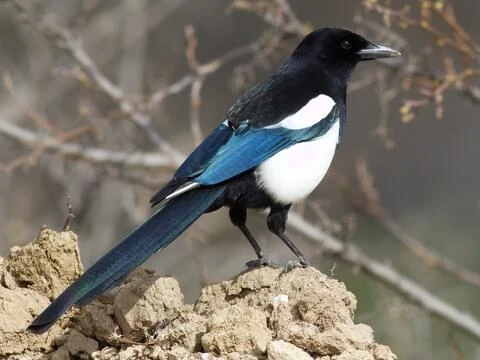
- Black-billed Magpie
- Pied-billed Grebe
- Downy Woodpecker
- Hairy Woodpecker
- White-breasted Nuthatch
- Mountain Chickadee
Unique Features And Markings
Each bird has special markings that make it unique. These features help with identification in the wild.
- Black-billed Magpie:Long tail and shiny black wings with white patches.
- Pied-billed Grebe:Small size with a thick bill marked by a black ring.
- Downy Woodpecker:Small woodpecker with white back and black spots.
- Hairy Woodpecker:Larger than Downy with a longer bill and bold white back.
- White-breasted Nuthatch:White face and chest with a black cap on the head.
- Mountain Chickadee:Black cap and throat with white cheeks and a white eyebrow stripe.
Habitat And Behavior
The Black and White Bird in Colorado lives in many places. It adapts well to different environments. Understanding its habitat and behavior helps us protect it.
This bird shows interesting habits. It moves often and uses its environment smartly. Watching its behavior gives clues about its needs.
Preferred Environments In Colorado
The Black and White Bird prefers forests and open woodlands. It likes areas with many trees and bushes. These spots offer good shelter and food sources.
In Colorado, this bird also lives near rivers and wetlands. These places provide water and attract insects. The bird uses different habitats during seasons.
- Mixed forests with pine and aspen trees
- Riparian zones near streams and rivers
- Open woodlands with scattered shrubs
- Wetlands with abundant insect life
Feeding And Nesting Habits
The Black and White Bird feeds mostly on insects. It hunts by catching flying bugs or picking them from leaves. Sometimes it eats small fruits and seeds.
For nesting, the bird builds a cup-shaped nest. It uses twigs, grass, and feathers. The nest is usually hidden in dense shrubs or tree branches.
- Feeds on flying insects and caterpillars
- Also eats berries and small seeds
- Builds nests in thick bushes or trees
- Nests are made from twigs, grass, and feathers
Where To Find Them
The Black and White Bird in Colorado is a striking sight for bird lovers. These birds are known for their bold black and white feathers.
You can spot them in several places across Colorado. They live in forests, wetlands, and near water bodies.
Top Birdwatching Locations
Look for Black and White Birds in popular birdwatching spots. These areas have the right habitat and food sources.
- Rocky Mountain National Park – forested areas and streams
- Great Sand Dunes National Park – wetlands and nearby woods
- Cherry Creek State Park – lakes and open spaces
- Brainard Lake Recreation Area – high-altitude forests
- Colorado State Forest – mixed woodlands and meadows
Best Times For Sightings
Black and White Birds are easier to find during certain times of the year. They are more active and visible then.
Spring and early summer are prime times. Birds are nesting and feeding young, so they move around more.
- Late March to June – nesting season
- Early morning – birds are active and feeding
- Late afternoon – cooler times when birds rest
- Avoid cold winter months – birds are less visible
Photography Tips
Photographing black and white birds in Colorado is a special experience. The contrast makes them stand out in nature.
Good photos show the bird’s details and its natural habitat. Use simple tips to take clear, sharp pictures.
Capturing Black And White Birds
Find places where these birds like to rest or feed. Early morning light is best for soft, natural colors.
Keep your camera steady and focus on the bird’s eyes. Use a fast shutter speed to freeze movement.
- Use natural light for better color and detail
- Stay patient and quiet to avoid scaring the bird
- Try different angles to show the bird’s shape
- Use burst mode to catch quick actions
Equipment Recommendations
Choose a camera with a good zoom lens. This helps capture birds from a distance without disturbing them.
A tripod can keep your camera steady. Use it for sharp images, especially in low light conditions.
- DSLR or mirrorless camera with telephoto lens (200mm or longer)
- Tripod or monopod for stability
- Remote shutter release to avoid shaking the camera
- Extra batteries and memory cards for long sessions
Conservation Efforts
The black and white bird in Colorado is a special part of nature. It needs help to stay safe. Many groups work hard to protect these birds and their homes.
Efforts include watching the birds, fixing their habitats, and teaching people why these birds matter. Protecting them helps keep nature balanced.
Threats To Black And White Birds
These birds face many dangers in the wild. Their homes can be lost when forests are cut down. Pollution also harms the water and air they need.
Other threats include predators and changes in weather. These problems make it hard for the birds to find food and safe places to live.
- Habitat loss from logging and building
- Water and air pollution
- Predators like cats and hawks
- Harsh weather and climate changes
How To Help Protect Them
People can help black and white birds by keeping their habitats safe. Planting native trees and cleaning up litter make a big difference.
Watching the birds without disturbing them also helps. Joining local groups or supporting conservation projects can protect these birds for the future.
- Plant native trees and plants
- Keep water and land clean
- Watch birds quietly and from a distance
- Join or support local conservation groups
Credit: fictionrulezforever.fandom.com

Credit: www.shutterstock.com
Frequently Asked Questions
What Are Common Black And White Birds In Colorado?
In Colorado, you can find magpies, chickadees, and nuthatches. These birds are known for their striking black and white plumage. They are commonly found in various habitats, including urban areas, forests, and grasslands. Their unique coloration makes them easy to spot and identify.
Where Can I See Black And White Birds In Colorado?
Black and white birds are common in Colorado’s parks, forests, and backyards. Look for them in areas with trees or open spaces. These birds are adaptable and can thrive in different environments, making them a frequent sight across the state.
Do Black And White Birds Migrate In Colorado?
Some black and white birds, like chickadees, are year-round residents. Others, like certain nuthatches, may migrate. Migration patterns can vary based on species and environmental conditions. Observing these birds throughout the year offers insights into their habits and adaptations.
What Do Black And White Birds In Colorado Eat?
These birds primarily eat insects, seeds, and berries. Magpies and chickadees are also known to visit bird feeders. Their diet can vary with the season, providing them with necessary nutrients for survival and breeding.
Conclusion
The black and white bird in Colorado shows nature’s simple beauty. It lives in forests and parks, easy to spot. Bird watchers enjoy its unique colors and sounds. This bird plays a role in keeping the environment healthy. Watching it reminds us to appreciate small wonders around us.
Protecting its home helps keep Colorado wild and alive. Take a moment to notice these birds on your next outdoor trip. Their presence brings calm and joy to many people. Nature’s quiet gift, right in Colorado’s heart.



