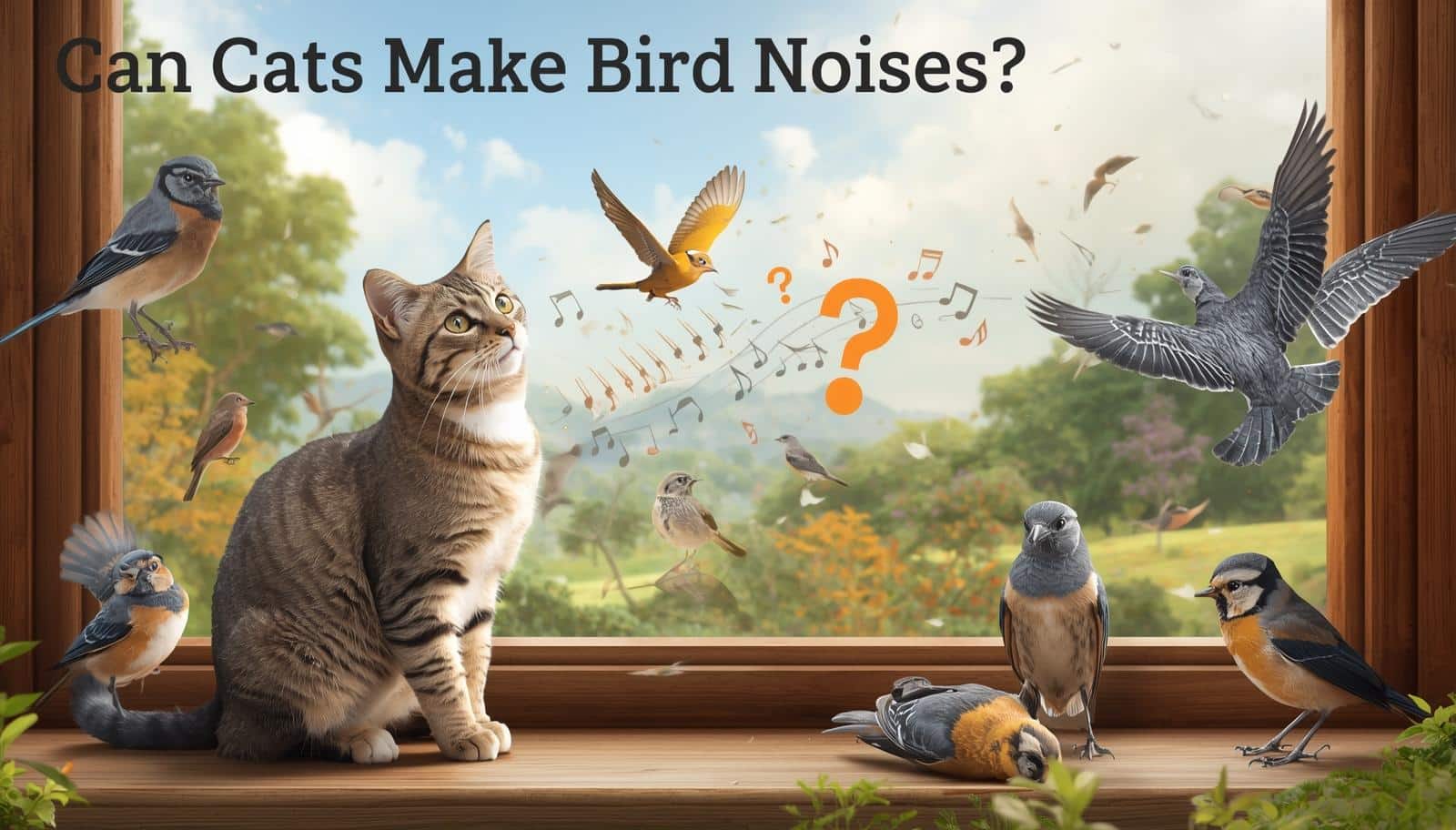
Have you ever heard your cat making strange sounds that remind you of birds chirping or tweeting? Can Cats Make Bird Noises? Yes! It might surprise you, but cats can actually mimic bird noises.
This curious behavior can leave you wondering why your furry friend is making these unusual sounds. Understanding this can help you connect better with your cat and even uncover some fascinating secrets about their nature. Keep reading to discover why cats make bird noises and what it means for your relationship with them.
:strip_icc()/GettyImages-540568739-56a112b03df78cafdaa92729.jpg)
Credit: www.thesprucepets.com
Cats And Their Vocal Range
Cats use many sounds to communicate. Their vocal range is quite wide.
Some cat sounds may surprise you. This includes noises that sound like birds.
Common Cat Sounds
Cats use different sounds to express feelings. These sounds help them talk to humans and other cats.
Common sounds include meowing, purring, and hissing. Each sound has a special meaning.
- Meowing: Often used to get attention
- Purring: Shows contentment or comfort
- Hissing: Warns of danger or fear
- Chirping: Sometimes sounds like bird noises
- Growling: Signals anger or threat
Unique Vocal Abilities
Cats can make unusual sounds that mimic other animals. Some cats chirp or chatter like birds.
This happens when cats watch birds or small animals. They try to copy the sounds to attract or confuse prey.
- Chirping: A sharp, quick sound like a bird call
- Chattering: A series of rapid, clicking noises
- Trilling: A mix between a meow and purr
Why Cats Mimic Bird Noises
Cats sometimes make noises that sound like birds. This behavior puzzles many pet owners. Understanding why cats mimic bird sounds helps us learn about their nature.
These sounds are not random. Cats use them for specific reasons linked to their instincts and communication.
Hunting Instincts
Cats are natural hunters. They mimic bird noises to trick or attract prey. This helps them get closer to birds without scaring them away.
By copying these sounds, cats try to blend into their surroundings. This increases their chance to catch food.
- Mimicking sounds makes cats less noticeable to prey.
- It helps cats practice hunting skills.
- Young cats learn by copying sounds they hear.
Communication Techniques
Cats also use bird-like sounds to communicate. They may signal excitement or frustration this way. This form of communication is part of their body language.
Sometimes cats mimic birds to get attention from their owners or other cats. This shows their playful or curious side.
- Bird noises can express different emotions in cats.
- Cats use sounds to interact with humans and other animals.
- This behavior helps cats show their mood without aggression.
Examples Of Bird-like Cat Sounds
Cats can make sounds that remind us of birds. These sounds are unusual for cats but common in some situations.
Understanding these noises helps us learn more about cat behavior and communication.
Chirping And Trilling
Chirping and trilling are soft, short sounds cats make. They sound like small birds singing or calling.
Cats often chirp or trill when they see birds outside a window. They use these sounds to express excitement or interest.
- Chirping sounds like quick, high-pitched notes
- Trilling is a longer, rolling sound
- Both are usually friendly and playful noises
Chattering Behavior
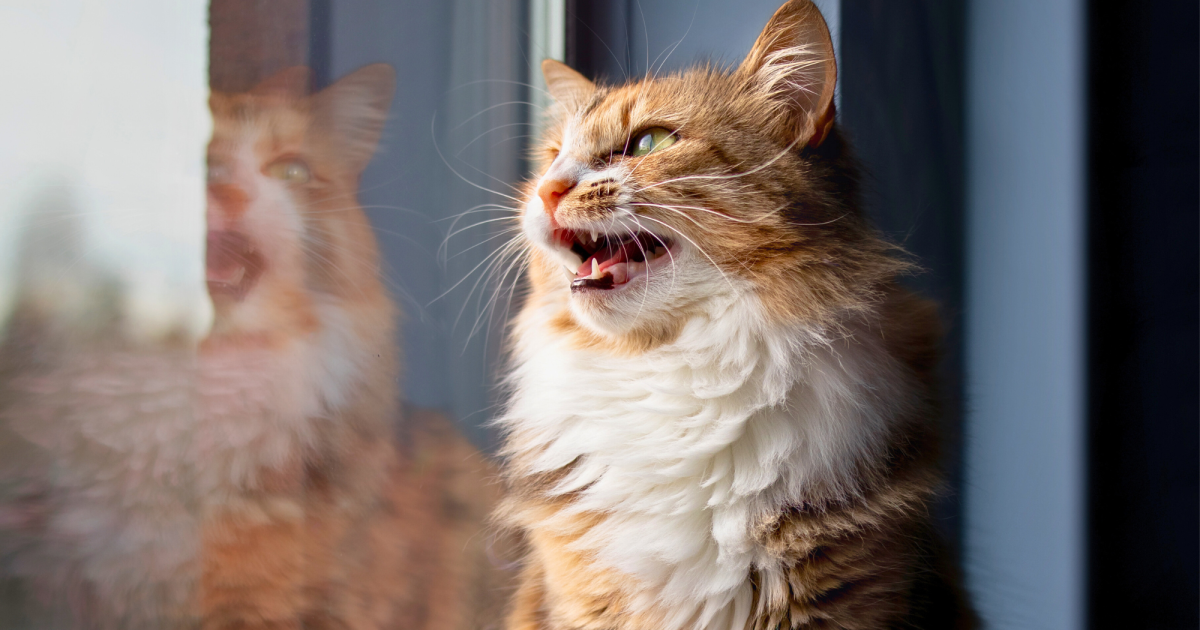
Chattering happens when cats make a rapid, clicking noise with their teeth. It sounds like a bird or small animal call.
This behavior often occurs when cats watch birds or squirrels but cannot reach them. It may show frustration or hunting excitement.
- Chattering is a fast, repetitive sound
- It happens mostly when cats are focused on prey
- It may help cats prepare to pounce or catch
- Behaviorists attribute chattering to neurological activity: "The scientific term for the cat's rapid chattering is often linked to an 'intention tremor' or a 'vacuum activity.' This isn't the cat trying to copy the bird so much as it is the cat's brain struggling to reconcile its high arousal (the immediate desire to kill the prey) with the physical inhibition (the inability to actually reach the prey, usually due to a window). The chattering is a physical manifestation of the firing motor pathways."

Credit: www.reddit.com
Scientific Insights Into Cat Vocalizations
Cats make many sounds to communicate with people and animals. Some sounds seem like bird noises. Scientists study these sounds to understand why cats do this.
Researchers listen to cats and record their noises. They try to find patterns and reasons for the sounds cats make. This helps us learn about cat behavior and communication.
Research Findings
Studies show that cats produce a variety of vocalizations, including chirps, trills, and chattering. These sounds often mimic bird calls. Scientists think cats use these noises to attract prey or express excitement.
- Chirping sounds occur when cats watch birds outside.
- Trilling is a friendly sound cats use with humans and other cats.
- Chattering happens when cats see birds or small animals but cannot reach them.
Animal Behavior Studies
Behavior studies reveal that cat vocalizations relate to hunting instincts. Cats may imitate bird calls to confuse or lure birds closer. This behavior shows their natural hunting strategies.
| Vocalization Type | Purpose | Example |
| Chirp | Attract prey | Watching birds outside |
| Trill | Social greeting | Between mother and kitten |
| Chatter | Express frustration or excitement | Seeing birds through window |
How Cats Use Bird Noises In The Wild
Cats make sounds that sometimes sound like birds. These noises help them survive in nature. They use these sounds for hunting and communication.
Understanding how cats use bird noises shows their clever behavior. These sounds are not random but serve clear purposes.
Attracting Prey
Cats use bird-like sounds to trick their prey. By copying bird calls, they lure birds closer. This helps cats catch their food more easily.
- Imitates bird calls to attract small birds
- Uses chirps and trills to sound like prey
- Waits quietly near bird feeders or nests
- Strikes quickly when the prey is near
- Biologists propose a specific hunting function: "Some observed instances of cat vocal mimicry, especially the rapid chirping or 'ekking,' are theorized to resemble the alarm or contact calls of juvenile birds begging for food. This auditory deception could potentially lure an adult bird (the parent) closer, intending to investigate or feed the distressed 'chick.' While the primary mechanism is arousal, the resulting sound may be a fortuitous acoustic decoy."
Territory Signaling
Cats also use bird noises to mark their territory. These sounds warn other cats to keep away. They act like a natural signal system.
| Type of Sound | Purpose | Effect |
| Chirps | Territory warning | Scares off other cats |
| Trills | Communication with mates | Strengthens bonds |
| Bird call mimicry | Confuses rivals | Reduces fights |
Training Cats To Make Bird Sounds
Some cats try to copy bird sounds. You can help your cat learn these sounds. Training takes time and patience.
Watching and encouraging your cat can improve their vocal skills. This guide shows simple ways to train cats to make bird noises.
Observation And Imitation
Cats learn by watching and listening. You can play bird sounds near your cat. Notice how your cat reacts and tries to copy.
- Play recordings of birds chirping or singing.
- Watch if your cat changes its meow or makes new sounds.
- Use toys that mimic bird movements to catch their attention.
- Spend quiet time near windows where birds are visible.
Encouraging Vocal Play
Encourage your cat to make sounds by rewarding any bird-like noises. This keeps training fun and motivating.
| Method | How It Helps |
| Use treats | Rewards cat for trying new sounds |
| Offer praise | Builds positive connection |
| Repeat bird sounds | Keeps cat interested |
| Play with feather toys | Stimulates natural hunting instincts |
Comparing Cat And Bird Communication
Cats and birds use sounds to communicate. Each animal has unique ways to send messages. Understanding their sounds helps us know what they want or feel.
Birds often sing or chirp to share information. Cats also make noises but in different ways. Let's compare how they use sounds.
Purpose And Context
Birds use sounds mainly to mark territory, attract mates, or warn of danger. Cats use sounds to show hunger, fear, or to get attention from humans or other cats.
- Birds sing to attract mates during breeding season
- Cats meow mostly to communicate with humans
- Birds warn others with alarm calls
- Cats hiss or growl to show fear or anger
- Both use sounds to express emotions
Sound Patterns
Bird sounds are often melodic and repetitive. Cats produce a variety of sounds like meows, purrs, hisses, and growls. The patterns show different meanings.
| Animal | Common Sounds | Sound Pattern |
| Bird | Chirps, songs, alarm calls | Melodic, rhythmic, repeated |
| Cat | Meows, purrs, hisses, growls | Varied pitch and length |
Credit: paradepets.com
Frequently Asked Questions
Can Cats Imitate Bird Sounds Naturally?
Yes, some cats can mimic bird noises naturally. They use chirps and trills to communicate or express curiosity. This behavior is more common in certain breeds and individual cats.
Why Do Cats Make Bird-like Chirping Sounds?
Cats make bird-like chirping sounds when excited or hunting. It helps them focus and mimic prey sounds, increasing hunting success. This vocalization reflects their instinctive behavior.
Do Cats Use Bird Noises To Communicate?
Cats sometimes use bird-like sounds to communicate with humans or other cats. These noises express excitement, frustration, or curiosity. It adds variety to their vocal repertoire.
Can Cats Learn Bird Sounds From Their Environment?
Cats can learn and imitate bird sounds they frequently hear. This mimicry may serve as playful behavior or hunting practice. Environmental exposure influences their vocal experiments.
Conclusion
Cats can indeed mimic bird noises. It's quite fascinating. These sounds arise from their natural instincts. Cats might imitate birds when they feel excited or curious. Their chattering can also signal hunting behaviors. Understanding these sounds helps strengthen bonds with your pet.
Listen closely next time your cat chirps or chatters. It might just be expressing its playful nature or alertness. Observing these behaviors can be both fun and educational. So, enjoy these unique sounds from your feline friend. It adds charm to their mysterious world.