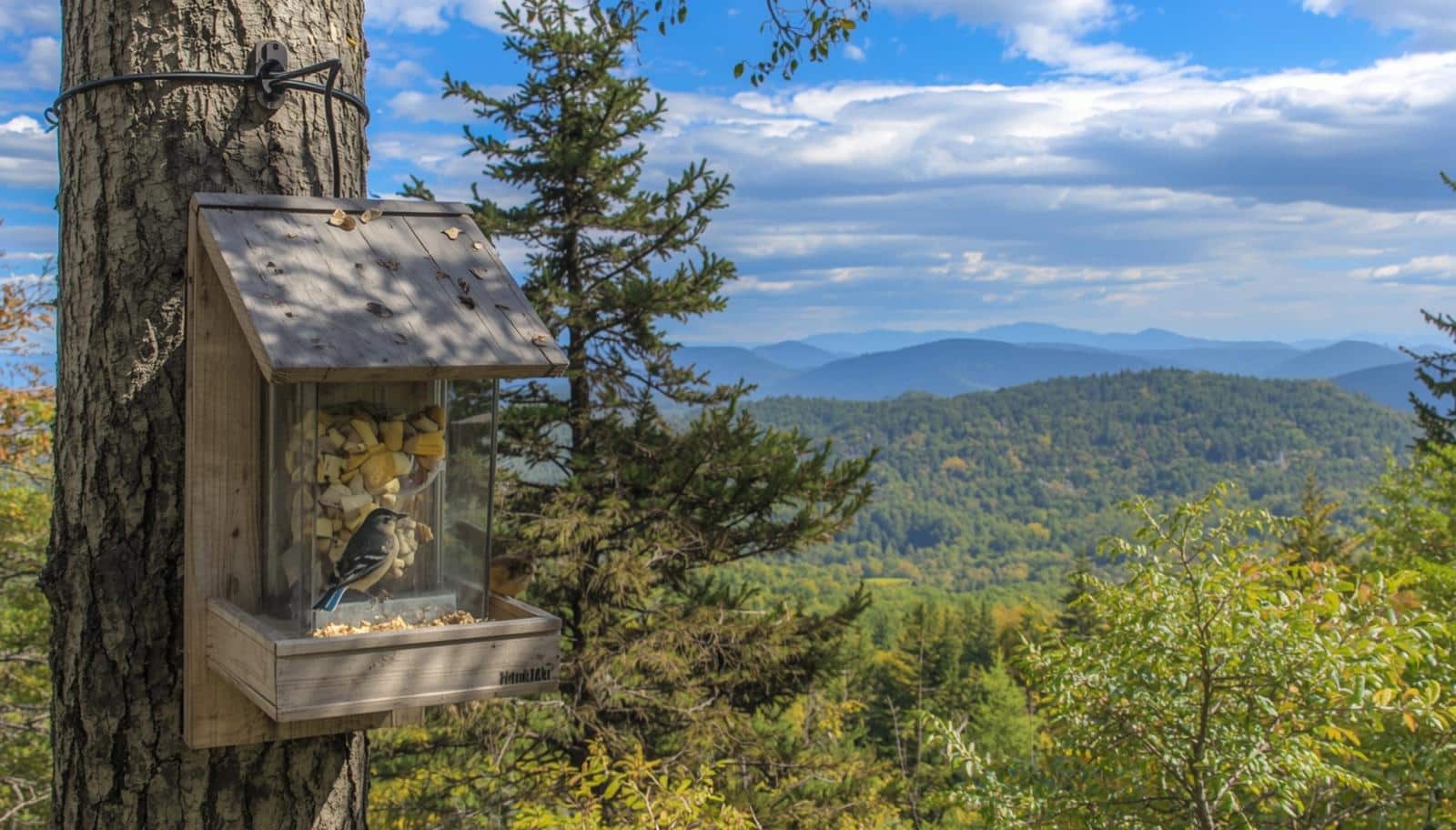
Have you ever wondered Can I Have Bird Feeders in the North Georgia Mountains and still enjoy the simple joy of bird feeders right in the heart of this beautiful region? If you love watching colorful birds visit your yard, this question might be on your mind.
You’re about to discover everything you need to know about having bird feeders in this natural area. From choosing the right feeders to attracting local bird species safely, this guide will help you create a lively, feathered haven just outside your window.
Keep reading to find out how you can bring nature closer and enjoy peaceful moments with your new winged visitors.
Credit: avibirds.com
Benefits Of Bird Feeding
Bird feeding is a popular hobby in the North Georgia Mountains. It helps people connect with nature near their homes.
Feeding birds supports local wildlife and adds beauty to your backyard. It creates many benefits for you and the environment.
Attracting Local Bird Species
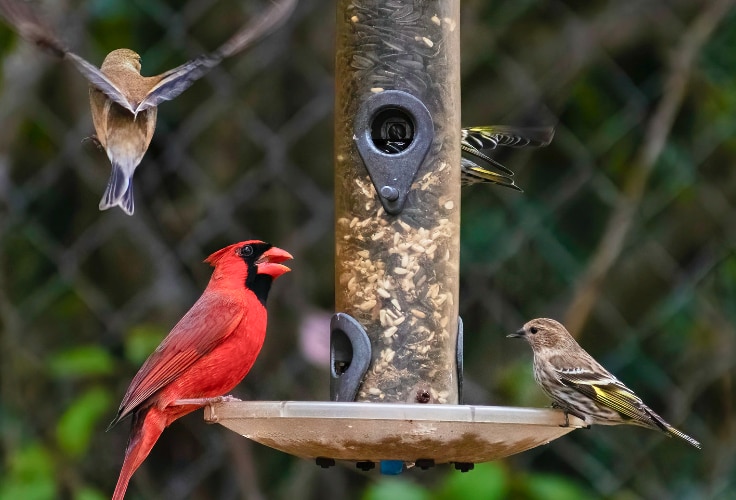
Bird feeders attract many local species. You can see cardinals, blue jays, chickadees, and woodpeckers right outside your window.
- Provide seeds like sunflower and safflower to attract different birds.
- Use feeders that suit small or large birds.
- Place feeders near trees or bushes for shelter.
Supporting Wildlife During Winter
Winter is a tough time for birds. Food is scarce and cold weather makes survival hard.
Feeding birds helps them stay strong and healthy in winter. It also helps young birds grow.
| Benefit | Details |
| Energy Supply | Birds get extra calories to keep warm |
| Food Variety | Feeders offer seeds not found in snow-covered areas |
| Safe Spot | Feeders provide a place where birds can rest |
Enhancing Backyard Enjoyment
Watching birds at feeders is relaxing and fun. It brings nature closer to your daily life.
Tips to enjoy bird feeding:
- Place a bench near feeders for comfortable viewing.
- Keep a journal of bird species you see.
- Use binoculars to watch birds up close.

Credit: www.yahoo.com
Common Birds In North Georgia
The North Georgia Mountains offer a rich habitat for many bird species. Bird watchers enjoy spotting a variety of birds throughout the year. Knowing which birds live here helps you appreciate the local wildlife.
This guide covers resident birds, seasonal visitors, and those attracted to feeders. You will learn about birds you can see anytime and those that come during certain seasons.
Resident Birds
Resident birds live in the North Georgia Mountains all year. They build nests and raise young here. Many have adapted to the mountain environment.
- Carolina Chickadee – Small and lively, with a black cap and white cheeks.
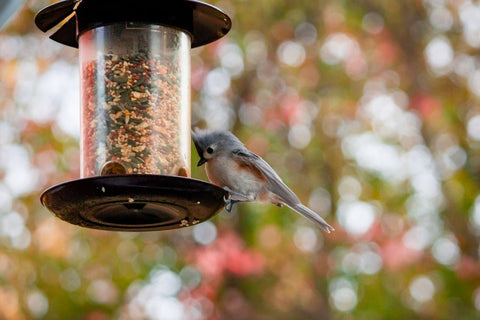
- Tufted Titmouse – Gray bird with a crest on its head and a clear whistle.
- Blue Jay – Bright blue with white and black markings, known for its loud calls.
- Northern Cardinal – Red males and brownish females, common in wooded areas.
- White-breasted Nuthatch – Moves head-first down tree trunks, has a sharp call.
Seasonal Visitors
Many birds visit the North Georgia Mountains during certain seasons. These visitors come to feed, breed, or pass through during migration.
| Bird | Season | Notes |
| Scarlet Tanager | Spring and Summer | Bright red males, found in forests. |
| Dark-eyed Junco | Winter | Small, gray with white belly, often on ground. |
| Ruby-throated Hummingbird | Spring and Summer | Small, fast, with a bright red throat on males. |
| American Goldfinch | Summer and Fall | Yellow males with black wings, found in fields. |
Birds Attracted To Feeders
Bird feeders bring many birds close to homes. Different seeds attract different birds. Offering a variety helps more species visit your yard.
- Black-capped Chickadee – Loves sunflower seeds and peanuts.
- House Finch – Eats nyjer seed and sunflower seeds.
- Downy Woodpecker – Attracted to suet and sunflower seeds.
- White-throated Sparrow – Prefers millet and cracked corn.
- Eastern Bluebird – Visits feeders with mealworms and berries.
Types Of Bird Feeders Suitable For The Area
Bird feeders attract many kinds of birds to your garden. In the North Georgia Mountains, the right feeder can help you enjoy local wildlife safely.
Choosing a feeder depends on the bird species and weather conditions. Here are some feeders that work well in this region.
Tube Feeders
Tube feeders are long, narrow containers with many feeding ports. They hold seeds like sunflower and safflower, which many birds love.
They are good for small birds such as finches and chickadees. Tube feeders protect seeds from rain and keep them fresh longer.
Platform Feeders
Platform feeders are flat and open, letting many birds feed at once. They suit larger birds and ground feeders.
- Easy to clean and refill
- Allow various seed types
- Need protection from squirrels
- Best placed in open areas
Suet Feeders
Suet feeders hold blocks of fat mixed with seeds. They attract woodpeckers, nuthatches, and other insect-eating birds.
These feeders work well in cold months when birds need extra energy. Place them near trees to give birds a safe spot.
Hummingbird Feeders
| Feature | Why It Matters |
|---|---|
| Bright Colors | Attract hummingbirds quickly |
| Easy to Clean | Prevents mold and keeps nectar fresh |
| Multiple Feeding Ports | Allows several birds to feed at once |
| Built-in Ant Moats | Stops ants from reaching nectar |
Hummingbird feeders hold sugar water that hummingbirds need. Clean feeders often and place them in shady spots.
Best Foods For North Georgia Birds
Bird feeders attract many species in the North Georgia Mountains. Feeding birds helps them stay healthy and active. You can choose the right foods to support local birds.
Different birds prefer different foods. Offering a variety can bring more birds to your yard. Let’s look at some of the best foods for these birds.
Seeds And Grains
Seeds and grains are popular with many North Georgia birds. Black oil sunflower seeds are a top choice. They have thin shells and high fat content. Other good seeds include millet and cracked corn.
- Black oil sunflower seeds
- Millet
- Cracked corn
- Safflower seeds
- Nyjer (thistle) seeds
Nuts And Fruits
Nuts and fruits attract different birds than seeds do. Many birds enjoy peanuts, but make sure they are unsalted. Fruits like apples, berries, and oranges provide important vitamins. These foods also attract colorful songbirds and woodpeckers.
| Food | Type | Birds Attracted |
| Peanuts (unsalted) | Nut | Blue Jays, Woodpeckers |
| Apples | Fruit | Thrushes, Waxwings |
| Blackberries | Fruit | Mockingbirds, Robins |
| Oranges | Fruit | Orioles, Tanagers |
Suet And Insects
Suet is a high-energy food made from animal fat. It is ideal for woodpeckers and nuthatches in cold weather. Insects like mealworms also attract insect-eating birds. These foods help birds get protein and energy.
- Suet cakes or balls
- Dried mealworms
- Live mealworms
- Crickets
- Master Birders focus on caloric density: "While black oil sunflower seeds are excellent, suet is king in the North Georgia Mountains, particularly during winter. The dense coniferous and hardwood forests here support a high population of insect-eaters like the Woodpeckers (Downy, Hairy, Pileated) and Nuthatches (Red-breasted and White-breasted). Suet provides the high-calorie, pure fat energy they need to replace the insect larva they cannot easily access when tree bark freezes, ensuring survival on cold mountain nights."
Placement Tips For Feeders
Placing bird feeders in the North Georgia Mountains can bring many birds to your yard. Good placement helps keep birds safe and happy.
Knowing where to put feeders makes it easier for birds to find food and stay away from danger.
Safe Locations
Choose spots that protect birds from bad weather and strong winds. Place feeders near trees or bushes for shelter.
Keep feeders away from busy roads and places where pets can reach them.
- Near evergreen trees for year-round cover
- Close to shrubs but not too dense
- Away from roads and sidewalks
Avoiding Predators
Place feeders in spots where cats and hawks cannot hide. Keep feeders high off the ground to stop predators from jumping up.
Clear the area around feeders so birds can see predators coming and fly away quickly.
- Mount feeders at least 5 feet above ground
- Keep area around feeders open and free of hiding places
- Use baffles on poles to stop climbing predators
- Wildlife Biologists emphasize prevention: "In the North Georgia Mountains, the single most important rule is 'Nocturnal Removal.' All feeders—seeds, suet, and especially hummingbird nectar—must be taken indoors every evening before dusk and only put back out in the morning. Even the smallest amount of food can attract a Black Bear, habituating it to human areas. If a bear is seen, all feeders should be removed immediately for at least two weeks to prevent conflict, fines, and potential harm to the bear."
Visibility And Accessibility
Place feeders where birds can easily spot them from trees or the sky. Avoid placing feeders too close to windows to prevent bird strikes.
Make sure you can reach feeders easily for refilling and cleaning. Clear paths help you care for feeders safely.
- Position feeders 10-15 feet from windows
- Keep feeders visible from nearby trees
- Place feeders where you can reach them without trouble
- Researchers provide the distance rule: "To minimize fatal window strikes, feeders must be placed in one of two safe zones: less than 3 feet from the window (too close for the bird to build fatal speed) OR more than 10 feet away (giving them enough space to change course). The most dangerous zone is the distance between 3 and 10 feet, where birds often hit the window at full speed after being startled."
Credit: www.birdfy.com
Seasonal Considerations
Bird feeders in the North Georgia Mountains can attract many local birds throughout the year. Each season brings different needs for feeding and care.
Understanding seasonal changes helps keep birds healthy and safe. Feeding habits and food types may need to change with the weather.
Feeding In Winter
Winter is the hardest season for birds. Food is scarce, and temperatures drop low. Feeders should offer high-energy foods to help birds stay warm.
Keep feeders clean and full. Birds need fresh water, so check for ice or snow covering water sources.
- Use black oil sunflower seeds for energy
- Offer suet to provide fat and warmth
- Place feeders where birds can find shelter nearby
- Keep water available and ice-free
Spring And Summer Tips
Spring brings new baby birds and more natural food. Reduce feeding as flowers and insects grow plentiful. Offer foods that support breeding birds.
In summer, clean feeders often to prevent mold and bacteria. Fresh fruits and nectar attract hummingbirds and orioles.
- Offer smaller seeds like nyjer for finches
- Provide nectar feeders for hummingbirds
- Clean feeders weekly to prevent disease
- Limit feeding as natural food increases
Fall Preparation
Fall is the time to prepare feeders for winter. Birds start to eat more to build fat for cold months. Keep feeders full and safe from harsh weather.
Remove old or spoiled food and clean feeders well. Consider adding different seed mixes to attract migrating birds passing through the area.
- Use mixed seeds to attract many species
- Clean feeders to avoid mold and pests
- Place feeders in sheltered spots from wind
- Watch for migrating birds and adjust food types
Legal And Environmental Guidelines
Bird feeders can bring joy and help birds survive in the North Georgia Mountains. It is important to follow rules and protect the environment. These guidelines keep birds safe and nature healthy.
Knowing local laws and caring for native species will make your bird feeding experience better. Avoid harming the environment by learning the right steps.
Local Regulations
Many areas in the North Georgia Mountains have rules about bird feeders. Some parks or reserves may not allow feeders to protect wildlife. Check with local authorities before placing feeders.
Some laws require cleaning feeders regularly to stop disease. Feeding certain types of birds may also be restricted. Follow these rules to avoid fines and keep birds healthy.
- Confirm rules with local park offices
- Keep feeders clean to prevent disease
- Do not feed restricted bird species
Protecting Native Species
Use feeders that support native birds only. Native species depend on local plants and food types. Feeding them helps keep their populations strong and balanced.
Offer seeds and foods that native birds eat naturally. Avoid foods that might attract predators or non-native animals. Watching native birds helps you learn about your local nature.
- Use native bird seed blends
- Place feeders where native birds feel safe
- Remove feeders in extreme weather to protect birds
Avoiding Invasive Species
Invasive species can harm native birds and plants. Bird feeders can attract these unwanted animals. Keep feeders clean and remove food scraps to avoid this problem.
Never feed invasive animals like non-native squirrels or starlings. Use feeder designs that limit access to invasive species. This helps protect the local ecosystem and native wildlife.
- Clean feeders often to stop disease spread
- Choose feeders that exclude invasive animals
- Remove spilled seeds to prevent pests
Maintaining Clean And Safe Feeders
Bird feeders bring joy and help local birds find food in the North Georgia Mountains. Keeping feeders clean and safe is very important. Dirty feeders can harm birds and spread disease.
This guide explains how often to clean feeders, how to stop disease from spreading, and how to store feeders correctly.
Cleaning Frequency
Clean bird feeders often to keep birds healthy. Feeders should be cleaned at least once every two weeks. Clean more often if many birds visit or if you see mold or dirt.
- Empty old seed before cleaning
- Use warm water and mild soap
- Rinse feeders well after washing
- Let feeders dry completely before refilling
Preventing Disease Spread
Bird diseases can spread through dirty feeders. Keep feeders safe by cleaning and placing them correctly. Avoid crowding birds in one spot.
| Action | Reason |
| Clean feeders regularly | Remove germs and bacteria |
| Place feeders apart | Reduce bird contact |
| Use fresh seed | Prevent mold and rot |
| Wear gloves when cleaning | Protect yourself from germs |
Proper Storage
Store feeders properly when not in use. Keep them dry and free from pests. Proper storage stops seed from spoiling and feeders from damage.
- Clean feeders before storing
- Store in a cool, dry place
- Keep seed sealed in airtight containers
- Check feeders for cracks or rust before reuse
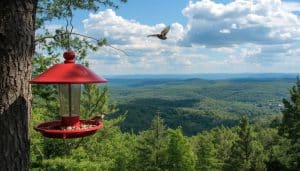
Common Challenges And Solutions
Bird feeders in the North Georgia Mountains face unique challenges. These issues can affect feeding birds and the feeders themselves.
Knowing common problems and how to fix them helps you enjoy bird watching more. It also protects your feeders from damage.
Dealing With Squirrels
Squirrels often visit bird feeders and can scare away birds. They also eat the birdseed quickly and cause messes.
- Use squirrel-proof feeders with weight sensors that close access.
- Place feeders on poles with baffles to block squirrels from climbing.
- Offer squirrel food away from bird feeders to distract them.
- Clean up spilled seed to avoid attracting squirrels to the area.
Weather Impact
The North Georgia Mountains have changing weather that affects feeders. Rain, snow, and wind can spoil seed and break feeders.
| Weather Condition | Effect on Feeders | Solution |
|---|---|---|
| Heavy Rain | Seed gets wet and molds | Use feeders with covers and drainage holes |
| Snow | Feeds get covered and hard to reach | Place feeders in sheltered spots or under eaves |
| Strong Wind | Feeders may swing or fall | Secure feeders tightly and use sturdy materials |
Feeder Damage
Feeders can break from animals or weather. Fixing or preventing damage keeps feeders useful longer.
Here are common causes of feeder damage and how to handle them:
- Chewing by squirrels or birds: Use metal or hard plastic feeders to resist chewing.
- Cracks from freezing temperatures: Store feeders indoors when not in use during winter.
- Rust or corrosion: Choose rust-proof materials and clean feeders regularly.
Frequently Asked Questions
Can I Attract Native Birds With Feeders In North Georgia?
Yes, bird feeders attract native species like chickadees and finches. Use region-specific seeds to support local wildlife and enhance birdwatching.
What Types Of Bird Feeders Work Best In North Georgia?
Tube and platform feeders are ideal here. They accommodate diverse birds and withstand mountain weather, ensuring long-lasting feeding stations.
Are There Feeding Tips For North Georgia’s Mountain Birds?
Keep feeders clean and filled with fresh seeds. Place feeders near natural cover to protect birds from predators and harsh weather.
Can Bird Feeders Harm Local Wildlife In North Georgia?
Improper feeders can attract pests or spread disease. Use hygienic practices and avoid overfeeding to protect birds and local ecosystems.
Conclusion
Bird feeders in North Georgia can enrich your backyard. They attract diverse bird species. Enjoy watching vibrant colors and lively behavior. Make sure to choose the right type of feeder. Keep them clean to ensure bird health. Remember, feed them responsibly and avoid overfeeding.
Birds need natural food sources too. With care, your feeder can become a bird haven. Bring nature's beauty closer to home. It’s a simple pleasure. A joy for the whole family. Start today and enjoy the sights and sounds. Nature awaits right outside your door.