
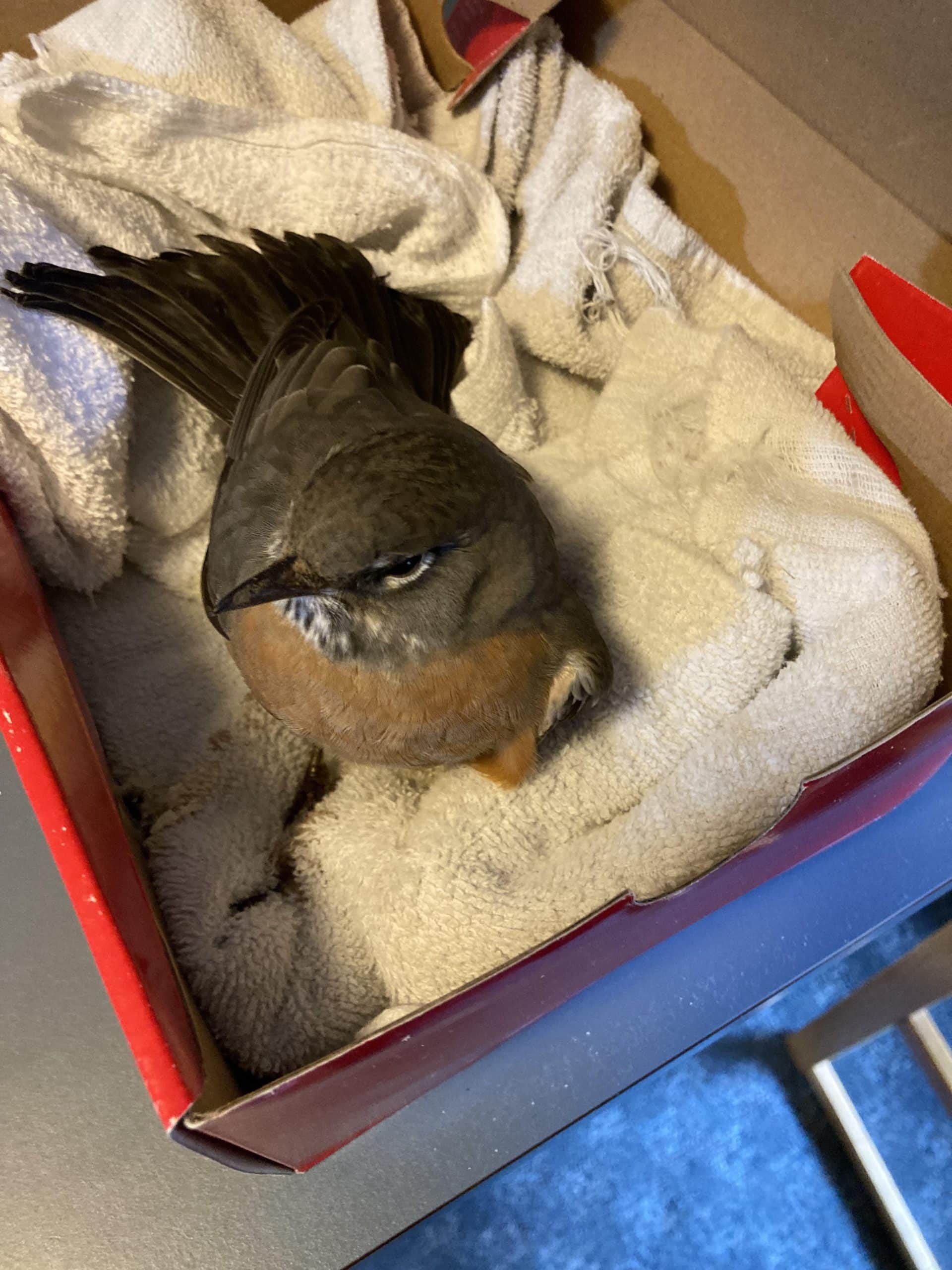
Have you ever wondered Do Birds Heal Quickly, even after a fall or a scrape? It’s fascinating, isn’t it?
The world of birds is full of surprises, and their ability to recover fast is one of nature’s true marvels. Many people ask, Do Birds Heal Quickly, or is it just something we assume when we see them flying again after injury?
This natural resilience is not just luck—science explains why Do Birds Heal Quickly in ways that often surprise us. Their bodies are built for survival, speed, and repair.

Credit: www.reddit.com
Birds’ Healing Abilities
Birds have unique biological systems that help them heal injuries efficiently. Understanding Do Birds Heal Quickly helps explain how they survive in harsh environments.
Their recovery speed varies by species, size, and living conditions.
Physical Traits That Aid Recovery
Birds have lightweight yet strong bones. Their thin skin and rich blood supply allow wounds to close faster, supporting the idea that Do Birds Heal Quickly compared to many animals.
Role Of Metabolism in Healing
A bird’s high metabolism is the “engine” behind its recovery. Because birds utilize energy at a much higher rate to stay aloft, their cell turnover is significantly faster.
Heart Rate: A small bird’s heart can beat over 500 times per minute, ensuring constant nutrient delivery to injured areas.
Tissue Repair: Faster energy use means faster cell repair and tissue growth.
Physiologists explain the metabolic boost: “A bird’s basal metabolic rate is roughly double that of a similarly sized mammal. This ‘high-burn’ lifestyle means their body is constantly in a state of rapid renewal. When an injury occurs, the inflammatory response and subsequent tissue regeneration happen in a compressed timeframe, often making a bird’s 48-hour healing progress look like a week’s worth of healing in a dog or cat.”
Differences Among Bird Species
Smaller birds often heal faster than larger ones. Feather regrowth also protects wounds, proving once again that Do Birds Heal Quickly depends on species and environment.
- Small birds heal faster than large birds
- Feather regrowth helps protect wounds
- Wild birds often have better healing traits
- Species in harsh climates recover quickly

Credit: www.brieftaubenshop.de
Common Injuries in Birds
Birds often face injuries in the wild and at home. Knowing common injuries helps in caring for them properly.
Some injuries heal fast, while others need more time and care. Understanding each type is important.
Wing And Feather Damage
Wings and feathers are vital for birds to fly and stay warm. Damage can happen from fights, accidents, or rough landings.
Feather damage usually heals quickly as feathers regrow. Wing injuries can take longer if bones or muscles get hurt.
- Broken or bent feathers
- Feather loss or plucking
- Bruised or swollen wing areas
Bone Fractures and Recovery
Bird bones are light but can break easily. Wing and leg fractures are common in birds.
Recovery depends on the fracture type and treatment. Birds need rest and sometimes splints or surgery.
- Simple fractures heal faster
- Complex breaks may need surgery
- Immobilization helps proper healing
Soft Tissue Injuries
Soft tissue injuries include cuts, bruises, and sprains. These affect muscles, skin, and tendons.
Birds usually heal soft tissue injuries quickly with proper care and cleaning to avoid infection.
- Minor cuts heal in days
- Bruises may cause swelling
- Deep wounds need veterinary care
Factors Influencing Healing Speed
Birds can heal from injuries at different speeds. Many factors affect how fast they recover. Understanding these helps in caring for injured birds.
Healing depends on the bird’s body and its environment. Some birds heal quickly, while others take longer.
Age And Health Conditions
Young birds usually heal faster than older ones. Their bodies are still growing and repairing easily. Old birds may have weaker immune systems.
Health problems can slow healing. Birds with diseases or injuries may take more time to get better.
- Young birds recover quickly
- Older birds heal slower
- Illness reduces healing speed
Nutrition And Diet Impact
Good food helps birds heal faster. Protein and vitamins build new cells. Poor diet weakens their bodies and slows recovery.
Birds need fresh water and balanced nutrition. Malnourished birds may have weak feathers and slow skin repair.
- Protein supports tissue repair
- Vitamins boost immunity
- Water keeps cells healthy
Environmental Conditions
Clean and safe surroundings help birds heal. Stress from predators or bad weather slows healing. Warm environments may aid recovery.
Birds in noisy or dirty places may stay sick longer. Quiet and calm areas allow rest and healing.
- Safe habitat reduces stress
- Warmth supports cell growth
- Clean space prevents infection
Credit: pethelpful.com
Natural Healing Processes
Birds have strong natural healing powers. Their bodies can fix injuries fast.
Healing helps birds survive in wild places where danger is common.
Feather Regeneration
Birds grow new feathers after losing old ones or getting hurt. This process is called molting.
New feathers grow from special skin cells. It can take weeks for feathers to fully grow back.
- Feather growth starts at the base
- New feathers replace damaged or lost ones
- Strong feathers help birds fly and stay warm
Bone Mending Mechanisms
Bird bones can heal after breaks or cracks. Their bodies create new bone tissue to fix the damage.
Healing bones need time and rest. Blood cells bring nutrients to the injured area to help repair.
- Blood clots form around the break
- New bone cells grow to join the broken parts
- The bone becomes strong again over time
Rehabilitators provide the authoritative timeline: “In the world of avian medicine, we operate on a much faster clock. A simple fracture in a songbird can reach clinical union (where the bone is stable enough to move) in as little as 10 to 14 days. By week three, many birds are ready for flight conditioning. This rapid ossification is a survival necessity; a bird that cannot fly for a month is a bird that cannot survive.”
Immune Response in Birds
Birds have an immune system that fights infections and germs. It helps keep wounds clean and heal faster.
White blood cells attack harmful bacteria. This stops infections from spreading in the body.
- Immune cells identify and destroy germs
- Inflammation helps trap harmful agents
- Healing is faster with a strong immune system
Human Intervention and Care
Birds can recover from injuries faster with human help. Care and proper treatment improve their chances.
People play an important role in helping injured birds heal. Knowing what to do is very important.
While birds heal quickly, they are also masters at hiding pain to avoid looking weak to predators. This is known as the “masking phenomena.”
Veterinarians warn about the ‘Masking Phenomena’: “Because birds are prey animals, they will look healthy and active until they are near death. Do not be fooled by a bird that is ‘acting fine’ after a window strike. Internal bleeding or head trauma can be present even if the bird is perching. Trust the injury, not the behavior—always seek a professional assessment if you witness a significant impact.”
First Aid for Injured Birds
Giving first aid quickly can save a bird’s life. Handle the bird gently to avoid more harm.
Stop bleeding with clean cloth and keep the bird warm and quiet. Do not feed or give water without advice.
- Use gloves when handling the bird
- Place the bird in a safe, small box
- Keep the bird calm and away from noise
- Contact a wildlife expert as soon as possible
Rehabilitation Techniques
Rehabilitation helps birds regain strength and skills to live in the wild. It takes time and patience.
Techniques include feeding proper food, physical therapy, and creating a safe space for recovery. Birds need to build flight muscles again.
- Provide a quiet and safe environment
- Feed species-appropriate food
- Encourage gentle exercise to rebuild muscles
- Monitor health regularly
Role Of Wildlife Rescue Centers
Wildlife rescue centers offer expert care for injured birds. They have trained staff and proper equipment.
Centers help birds recover and prepare for release back into nature. They also educate people about protecting wildlife.
- Provide medical treatment and rehabilitation
- Keep birds safe during recovery
- Work with volunteers and vets
- Teach public about wildlife care
Surprising Recovery Stories
Birds often heal faster than many people expect. Their bodies can repair injuries quickly.
Some stories show birds recovering from serious wounds in days or weeks. These tales help us learn about nature’s power.
Rapid Healing Cases
Some birds mend broken bones in just a few weeks. Small cuts and bruises often disappear fast.
Birds have a strong immune system. This helps them fight infections and heal wounds quickly.
- A hawk recovered from a broken wing in three weeks.
- A pigeon healed a deep foot wound in ten days.
- Swallows bounce back from feather damage in under two weeks.
Unusual Adaptations
Birds show unique ways to heal and survive injuries. Some use behavior to help their recovery.
Some birds hide or stay still to avoid danger. Others change their diet to get more vitamins.
- Woodpeckers wrap their broken tails in feathers for support.
- Parrots eat specific fruits that help heal wounds.
- Owls rest longer after injury to save energy.
Lessons From Wild Birds
Wild birds teach us how nature handles healing. They show resilience and smart survival skills.
Watching their recovery can help vets and wildlife helpers improve care methods.
- Keep injured birds calm to speed healing.
- Provide safe places for rest and recovery.
- Feed birds nutritious foods for stronger healing.
Frequently Asked Questions
How Fast Do Birds Typically Heal from Injuries?
Birds generally heal quickly due to their high metabolism. Minor wounds can heal within days, while serious injuries may take weeks. Their efficient immune system aids rapid recovery.
What Factors Affect a Bird’s Healing Speed?
Healing speed depends on the bird’s age, injury type, nutrition, and environment. Younger birds and well-nourished ones heal faster. Stress and poor conditions slow healing.
Can Birds Fully Recover from Broken Bones?
Yes, birds can fully recover from broken bones with proper care. Immobilization and a safe environment are essential. Recovery time varies but generally takes several weeks.
Do Wild Birds Heal Slower Than Pet Birds?
Wild birds often heal slower due to lack of medical care and harsh conditions. Pet birds benefit from veterinary treatment and controlled environments, speeding recovery.
Conclusion: Do Birds Heal Quickly Enough to Survive?
Birds often heal faster than many animals due to their light bodies and efficient immune systems. Small wounds may close within days, while larger injuries take longer but still recover well. Proper care and a safe environment greatly improve healing speed.
Understanding this natural ability helps us protect and care for both wild and pet birds.



