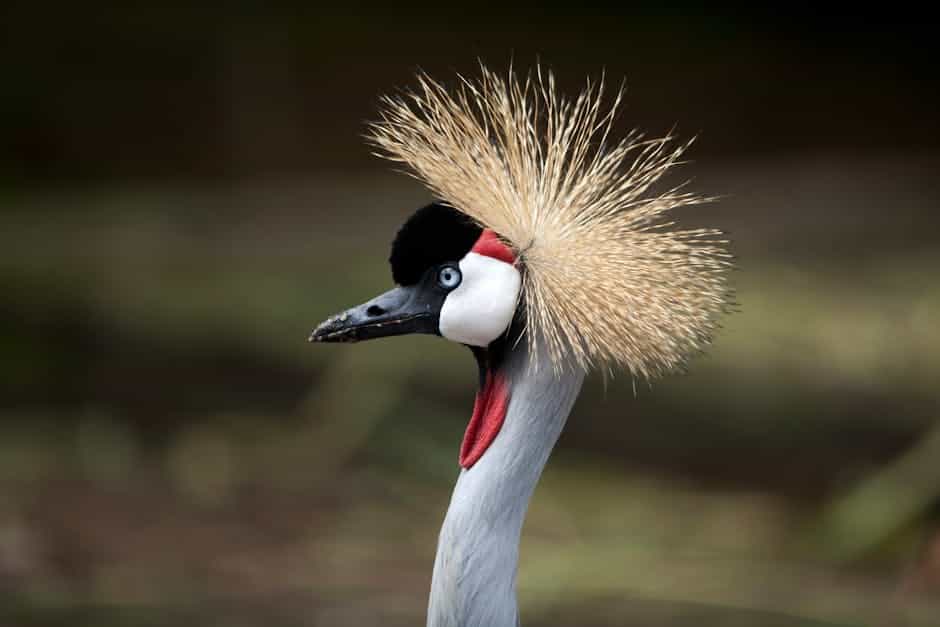
Have you ever stopped to notice the quiet beauty of gray colored birds? Their subtle shades might seem plain at first, but there’s something truly fascinating about these feathered creatures.
You might think gray means dull, but these birds are full of surprises—whether it’s their clever behavior, unique songs, or stunning patterns you didn’t expect. If you want to discover how these understated birds can brighten your day and deepen your connection with nature, keep reading.
You’ll be amazed at what you learn about these often-overlooked wonders.

Credit: wgme.com
Common Traits Of Gray Birds
Gray birds are found in many places around the world. They share some common traits that help them live and survive.
These birds often have gray feathers that help them blend into their environments. They also show similar behaviors and habitat choices.
Color Variations And Patterns
Gray birds do not all look the same. Their gray color can change in shade and pattern. This helps them hide from predators.
Some gray birds have spots or stripes. Others have plain gray feathers with small hints of white or black.
- Light gray to dark gray shades
- Spotted or striped patterns
- Mixed with white, black, or brown markings
Habitat Preferences
Gray birds live in many habitats. They prefer places where their color helps them hide. Trees, rocks, and bushes are common spots.
Many gray birds live near water or in forests. Some live in cities where buildings give them good hiding places.
- Forests and woodlands
- Near lakes, rivers, or wetlands
- Urban areas with buildings and parks
Behavioral Characteristics
Gray birds show many behaviors that help them survive. They often stay still to avoid being seen. They also use sounds to communicate.
Some gray birds travel in groups. Others prefer to live alone. Many build nests in hidden places to protect their eggs.
- Camouflage by staying still or blending in
- Use calls and songs to talk to others
- Some are social, others are solitary
- Nest in hidden or protected spots

Credit: www.shutterstock.com
Popular Gray Bird Species
Gray birds come in many shapes and sizes. They live in different places around the world.
These birds often blend into their environment. Many people enjoy watching them in nature.
Pigeon Varieties
Pigeons are common gray birds found worldwide. They have strong wings and short necks.
There are many types of pigeons. Rock pigeons are the most common in cities.
- Rock Pigeon: Gray body with two black wing bars
- Band-tailed Pigeon: Slightly larger with a white neck band
- Wood Pigeon: Found in Europe with pinkish-gray tones
Gray Catbird
The Gray Catbird is a medium-sized bird. It has a plain gray body and a black cap.
This bird is known for its cat-like calls. It often sings many different sounds.
- Size: About 9 inches long
- Habitat: Shrubby areas and forests
- Diet: Berries, insects, and fruits
Northern Mockingbird
The Northern Mockingbird is gray with white patches on wings. It is famous for its songs.
This bird can copy sounds of other birds and noises. It is very active and curious.
- Length: Around 10 inches
- Habitat: Open areas with trees
- Diet: Insects and fruits
Clark’s Nutcracker
Clark’s Nutcracker is a gray bird with white and black wings. It lives in mountain forests.
This bird stores pine seeds in many places. It helps grow new trees in its home.
- Size: About 11 inches long
- Habitat: Rocky mountain regions
- Diet: Pine seeds, insects, and berries
Gray Birds In Different Regions
Gray birds live in many parts of the world. Their color helps them blend into trees and rocks.
Each region has unique gray bird species. These birds show how nature adapts to different places.
North American Gray Birds
North America has many gray birds. Some live in forests, others near water or cities.
Gray Jays and Northern Mockingbirds are common gray birds here. They are easy to spot.
- Gray Jay: Found in northern forests
- Northern Mockingbird: Lives in yards and parks
- Rock Pigeon: Common in cities
- Clark’s Nutcracker: Found in mountains
European Gray Birds
Europe is home to gray birds like the Eurasian Jay. They live in woodlands and farmlands.
These birds often use their gray color to hide from predators. They are smart and social.
- Eurasian Jay: Lives in forests across Europe
- Wood Pigeon: Large gray bird in towns
- Jackdaw: Small gray crow found in cities
- Common Chaffinch (gray males): Found in gardens
Asian Gray Birds
Asia has many gray birds. Some live in mountains, others in tropical forests.
The Oriental Turtle Dove and Ashy Drongo are well-known gray birds in Asia. They are loud and active.
- Oriental Turtle Dove: Found in woodlands and cities
- Ashy Drongo: Lives in forests and open areas
- Gray-headed Bullfinch: Found in northern Asia
- Large-billed Crow: Common in many Asian countries
Tips For Birdwatching Gray Species
Gray birds can be tricky to spot because they blend well with their surroundings. Watching them needs patience and some good planning.
These tips will help you see and identify gray species more easily. Knowing when and how to watch is key to success.
Best Seasons And Times
Gray birds are active at different times in the year. Some come during migration, while others stay all year.
Early mornings and late afternoons are the best times to watch. Birds are most active when the sun is low.
- Spring and fall bring many migrating gray birds
- Winter is good for some gray species that stay in cold areas
- Look near water and open fields for more sightings
- Watch at dawn or dusk for the most bird activity
Essential Equipment
Good tools help you see gray birds clearly. Binoculars make distant birds appear close and sharp.
A field guide or app helps identify different gray species. A notebook lets you record your sightings and notes.
- Binoculars with 8x or 10x magnification
- Field guide book or bird ID app
- Notebook and pencil for notes
- Comfortable clothes and boots for outdoor walking
- Camera with zoom for photos (optional)
Identifying Calls And Songs
Gray birds often sound different even if they look alike. Learning their calls helps find them when hidden.
Listen for sharp chips, soft whistles, or repeated notes. Practice by hearing recordings before going outside.
- Use apps or websites with bird call recordings
- Try to match calls you hear in the field
- Note differences in pitch, speed, and rhythm
- Some gray birds have unique songs to learn
Conservation Status
Gray colored birds live in many places worldwide. Their conservation status varies by species.
Some gray birds are common, while others face risks of extinction.
Threats To Gray Birds
Gray birds face many dangers in the wild. Habitat loss is a major threat.
Pollution, hunting, and climate change also harm these birds.
- Deforestation reduces their homes
- Pollution poisons food and water
- Illegal hunting lowers bird numbers
- Climate change alters their environment
Protection Efforts
Many groups work to protect gray birds. They create safe areas and laws.
Scientists study gray birds to understand their needs better.
- Establishing bird reserves and parks
- Enforcing hunting restrictions
- Restoring damaged habitats
- Raising public awareness
How To Help
Anyone can help protect gray birds. Small actions make a big difference.
Supporting conservation groups helps fund important projects.
- Plant native trees and shrubs
- Keep cats indoors to protect birds
- Reduce use of pesticides and chemicals
- Support laws that protect wildlife
- Learn about local bird species

Credit: www.reddit.com
Frequently Asked Questions
What Are Common Gray Colored Birds?
Gray colored birds include species like the Gray Catbird, Northern Mockingbird, and the Gray Parrot. These birds are often found in various habitats, from urban areas to forests. Their gray plumage provides camouflage and helps them blend into their surroundings, making them fascinating subjects for bird watchers.
Why Do Some Birds Have Gray Feathers?
Gray feathers offer excellent camouflage, helping birds evade predators. This color can also help regulate body temperature by absorbing and reflecting sunlight. Additionally, gray feathers can indicate maturity in certain species, making them an essential feature for survival and reproduction in the wild.
Do Gray Colored Birds Migrate?
Yes, many gray colored birds migrate seasonally. Species like the Gray Catbird travel south during colder months to find warmer climates. Migration helps them access abundant food sources and suitable breeding grounds, ensuring their survival. Observing their migratory patterns can provide insights into climate change effects.
How To Attract Gray Birds To Your Garden?
To attract gray birds, plant native shrubs and trees that offer shelter and food. Install bird feeders with seeds and fruits, and provide a water source like a birdbath. Keeping your garden safe and quiet will encourage these birds to visit and even nest in your area.
Conclusion
Gray colored birds show nature’s quiet beauty well. They blend easily with their surroundings. Many types live in various places worldwide. Their soft colors hide them from danger. Watching them teaches us patience and calm. These birds add peace to any garden or park.
Next time you see a gray bird, pause and enjoy. Their gentle presence brings simple joy to life.