Have you ever wondered How are Bird Feathers Adapted for Flight? Your curiosity about what makes these delicate structures help birds soar, glide, and dart through the sky is about to be satisfied.
Bird feathers are not just for show—they are finely tuned tools designed to support flight in amazing ways. By understanding how feathers work, you’ll see just how nature has crafted the ultimate flying machine. Keep reading, and you’ll discover the secrets behind the incredible design of bird feathers and how they make flight possible.
Feather Structure
Bird feathers have a special design that helps them fly well. Their structure makes flying easier and more efficient.
Feathers are light but strong. They have parts that fit together to keep the bird steady in the air.
Types Of Flight Feathers
Birds have different flight feathers. Each type helps in flying in a unique way.
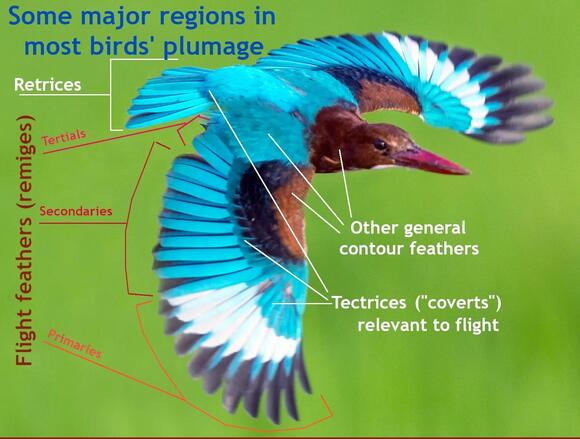
- Primary feathers: These are long and help with thrust during flight.
- Secondary feathers: These provide lift and help the bird glide.
- Tertiary feathers: These are closer to the body and help with smooth airflow.
Barbs And Barbules
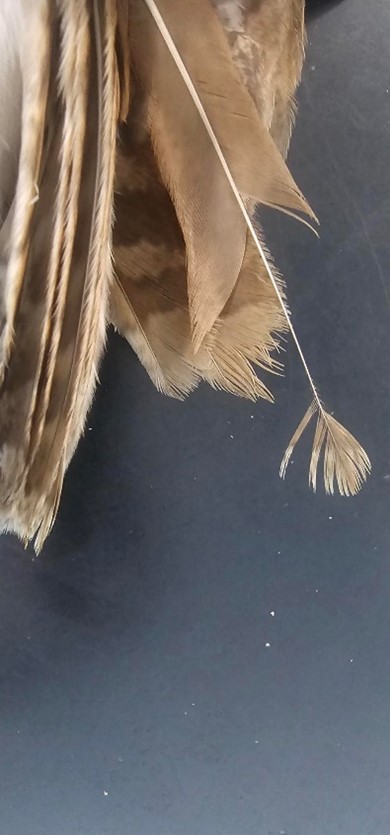
Feathers have barbs that branch out from the main shaft. Smaller barbules connect the barbs together.
| Part | Description | Function |
| Shaft | Main central support | Holds the feather's shape |
| Barbs | Branches from the shaft | Create the flat surface of the feather |
| Barbules | Smaller branches from barbs | Hook together to keep the feather firm |
Lightweight Design
Feathers are very light. Their hollow shafts reduce weight without losing strength.
Lightweight design helps birds fly longer and faster. Here are key features:
- Hollow central shaft
- Thin but strong barbs
- Interlocking barbules for strength
- Flexible and durable material
Credit: www.newsbreak.com
Aerodynamics And Lift
Bird feathers play a key role in flight. They help birds move smoothly through the air. Feathers create lift and reduce drag.
Lift is the force that pushes birds up while flying. Aerodynamics is the study of how air moves around objects like feathers and wings.
Wing Shape And Feather Arrangement
Bird wings have a special shape that helps with flight. Feathers are arranged to create a smooth surface. This shape helps air flow faster over the wing, which lifts the bird up.
- Primary feathers at the wing tip help with steering.
- Secondary feathers near the body provide lift.
- Coverts smooth the airflow over the wings.
- Tail feathers help with balance and direction.
Feather Flexibility
Feathers are not stiff. They bend slightly during flight. This flexibility helps birds control their movement and adjust to wind changes. It also prevents damage to the feathers when hitting air resistance.
- Aeronautical engineers confirm the genius of the wing: "The brilliance of the bird wing is its variable geometry. Unlike a fixed airplane wing, the bird can instantly and locally adjust the curve, size, and twist of its wing, and most critically, it can control the permeability of its feather tips. This ability to make the wing surface alternately solid (power stroke) or slotted (recovery stroke) results in an aerodynamic efficiency that man-made aircraft cannot replicate."
Airflow Control
| Feature | Function |
|---|---|
| Feather Barbs | Lock together to keep feathers smooth |
| Feather Gaps | Allow air to pass, reducing drag |
| Feather Overlap | Creates a sealed surface for better lift |
Birds adjust feathers to control airflow. They open or close feather gaps to speed up or slow down air. This helps keep balance and saves energy while flying.
Durability And Maintenance
Bird feathers are strong and light. They help birds fly fast and safely.
Birds take care of their feathers to keep them healthy and ready for flight.
Waterproofing Features
Feathers have a special coating that repels water. This keeps birds dry while flying or swimming.
The outer feathers overlap like roof tiles. This stops water from reaching the skin.
- Oils from glands make feathers water-resistant
- Feather shape helps water slide off quickly
- Waterproof feathers keep birds light and warm
Preening And Feather Care
Birds clean their feathers by preening. They use their beaks to fix and arrange feathers.
Preening spreads oil from a gland near the tail. This oil keeps feathers flexible and waterproof.
- Removes dirt and parasites
- Aligns feathers for smooth flight
- Applies oil to protect feathers
Feather Molting
Molting is the process of shedding old feathers. New feathers grow in their place.
This keeps feathers strong and able to support flight. Birds molt regularly to replace worn feathers.
- Old feathers fall out one by one
- New feathers grow under the old ones
- Molting helps maintain feather quality
Credit: www.veterinary-practice.com
Thermal Regulation
Bird feathers help keep birds warm and cool. They play a key role in controlling body temperature.
Feathers are designed to manage heat during flight and rest. This helps birds survive in different climates.
Insulation Properties
Feathers trap air close to the bird’s body. This air layer works as insulation to keep warmth inside.
Down feathers are soft and fluffy. They are the best at holding heat near the skin.
- Down feathers have many tiny barbs that trap air
- Contour feathers cover the body and protect down feathers
- Feather arrangement reduces heat loss in cold weather
Heat Retention During Flight
During flight, birds generate a lot of body heat. Feathers help keep this heat from escaping too fast.
Feathers close up tightly to create a warm layer. This helps maintain energy and prevents chills in the air.
- Feathers overlap to block cold wind
- Muscles adjust feathers to trap heat when needed
- Some feathers have oily coatings to repel water and keep heat
Color And Camouflage
Bird feathers have colors that help them survive in nature. These colors can hide birds or make them stand out.
Color and camouflage are important for flight and protection from predators.
Structural Coloration
Some bird feathers shine with bright colors that come from their structure, not pigment. Tiny parts in feathers bend light to make colors.
This type of color can change with the light and helps birds attract mates or warn others.
Flight And Predator Evasion
Feather colors help birds hide from predators while flying. Camouflage colors blend with the sky or trees.
Some birds have patterns that break their shape, making it hard for predators to see them clearly.
- Brown and green feathers blend with trees and leaves
- Gray or blue feathers match the sky during flight
- Spotted patterns confuse predators by hiding bird outlines
Credit: askabiologist.asu.edu
Evolutionary Adaptations
Bird feathers have changed over millions of years to help birds fly better. These changes show how birds evolved to move through the air efficiently.
Understanding how feathers developed and comparing flying birds to non-flying birds helps us learn about these important adaptations.
Feather Development Over Time
Feathers first appeared as simple structures. Over time, they became more complex to support flight. Early feathers helped with insulation and display.
- Primitive feathers were simple and hair-like.
- Feathers grew stronger and more branched to help with gliding.
- Flight feathers developed stiff shafts and interlocking barbs.
- Feathers became lightweight but strong for better lift.
- Feather shape improved to reduce air resistance during flight.
Comparisons With Non-flying Birds
Some birds do not fly but still have feathers. Their feathers show clear differences from flying birds. These differences highlight flight adaptations.
| Feature | Flying Birds | Non-Flying Birds |
| Feather Strength | Strong and stiff | Softer and flexible |
| Feather Shape | Streamlined for air | Rounder and fluffier |
| Feather Arrangement | Close and interlocked | Loose and separated |
| Function | Flight and insulation | Mainly insulation and display |
Frequently Asked Questions
How Do Bird Feathers Enable Flight?
Bird feathers have a lightweight, strong structure that reduces air resistance. Their interlocking barbs create a smooth surface for lift and thrust during flight.
What Feather Features Improve Aerodynamics In Birds?
Feathers have a streamlined shape and flexible shafts. These features minimize drag and allow birds to maneuver efficiently in the air.
Why Are Feathers Lightweight Yet Strong For Flying?
Feathers are made of keratin, a durable protein. Their hollow shafts provide strength without adding weight, essential for flight.
How Do Feathers Help Birds Control Flight Direction?
Feathers adjust position and angle to steer and balance. Tail feathers act as rudders, aiding precise flight control.
Conclusion
Bird feathers are key to flight. They provide lift and balance. Lightweight structures help birds soar high. Feathers are flexible, allowing smooth movement. This aids in steering and speed. Strong feathers withstand wind pressure. Their design minimizes air resistance. Birds rely on feathers for survival in the sky.
Observing them teaches us about nature's design. It's fascinating how feathers work in harmony. They truly showcase nature's ingenuity. Birds inspire with their flight mastery. Understanding feathers deepens our appreciation for avian life. Witness the wonder of flight next time you see a bird.