Have you ever wondered how did the dodo bird adapt to its environment and survive on its island home for so long? Understanding how this strange, flightless bird adapted can teach you a lot about nature’s incredible power to change and survive.
You’ll discover the unique traits that helped the dodo thrive—and why those same traits eventually led to its downfall. Keep reading, and you’ll see how how did the dodo bird adapt to its environment holds surprising lessons for all of us.

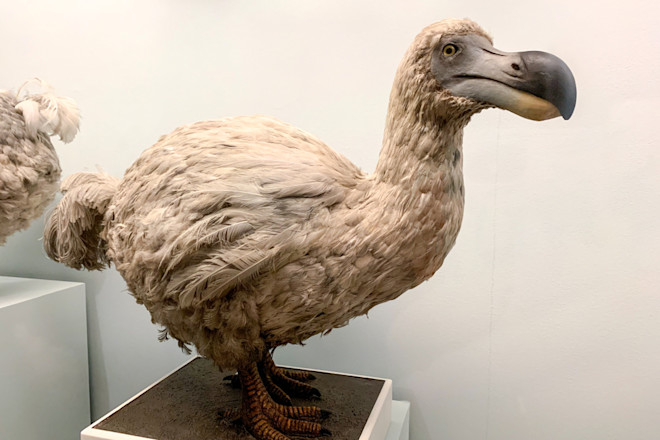
Credit: www.nhm.ac.uk
Island Habitat
The dodo bird lived on a small island called Mauritius. This island is in the Indian Ocean. It had a warm climate and many trees.
The island’s environment helped the dodo bird adapt in special ways. It had few natural dangers and plenty of food.
Mauritius Environment
Mauritius had dense forests and many plants. The dodo bird lived mostly on the ground. It ate fruits and seeds found around the island.
The island’s climate was warm and rainy. This made plants grow all year. The dodo had food to eat at all times.
Predator-free Landscape
The dodo bird had no natural enemies on Mauritius. There were no large animals that hunted it. This made the dodo less afraid and slower in movement.
Without predators, the dodo did not need to fly. Its wings became smaller over time. This saved energy and helped it live on the ground.
Physical Features
The dodo bird had unique physical features that helped it live well in its environment. These features made it different from many other birds.
Its body and shape adapted to the island where it lived. These changes helped the dodo survive without many threats.
Flightlessness
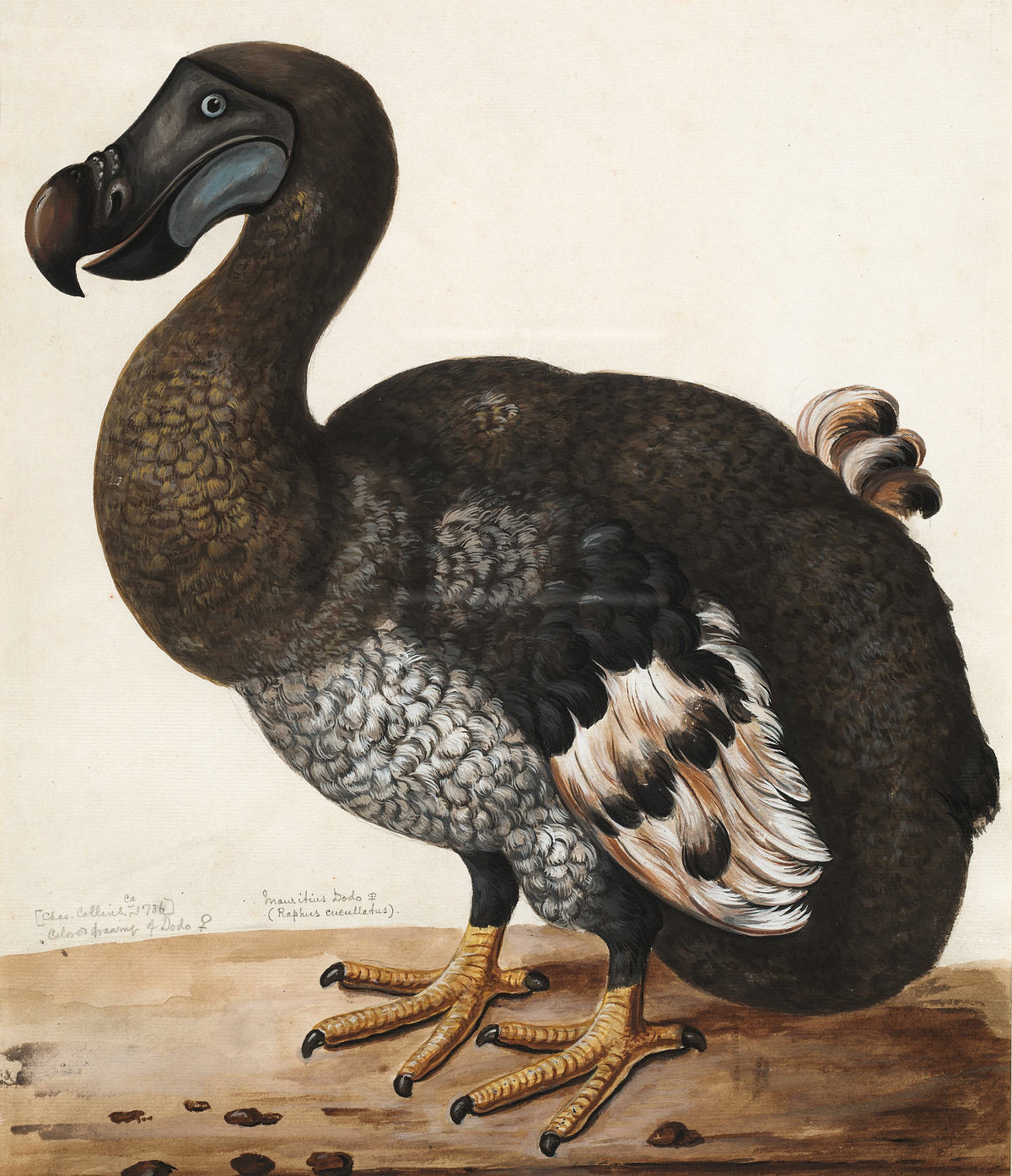
The dodo bird could not fly. Its wings were small and weak, not able to lift its body into the air.
Living on an island with no big predators, the dodo did not need to fly. This saved energy and helped it focus on other tasks.
Robust Body Structure
The dodo had a strong and heavy body. Its legs were thick and sturdy to support its weight.
This strong body helped it walk on rough ground and move through thick plants easily.
Beak Shape And Function
The dodo had a large, curved beak. This shape was useful for eating different foods on the island.
Its beak helped the dodo break fruits, nuts, and seeds. It also used the beak to pick up small objects.
Diet And Feeding Habits
The dodo bird lived on Mauritius island. It had to find food in a forest full of plants and fruits. Its diet helped it survive in this unique place.
The dodo ate many kinds of food. It mainly fed on fruits and plants found in its environment. It had ways to search and eat food safely.
Fruit And Plant Consumption
The dodo ate a lot of fruit from trees and bushes. It liked ripe fruit that fell to the ground. It also ate seeds and roots to get energy.
Plants made up a large part of its diet. The dodo ate leaves and other soft plant parts. These foods gave it important nutrients to stay healthy.
- Ripe fruits from native trees
- Seeds and nuts
- Leaves and roots of plants
Foraging Techniques
The dodo searched for food on the forest floor. It used its strong beak to pick up fruits and dig for roots. The bird walked slowly to find food easily.
It also ate fallen fruit from trees. The dodo did not fly, so it relied on walking to find food. This helped it use energy wisely while foraging.
- Walked slowly to spot food
- Used beak to pick and dig
- Ate mostly fallen fruit and plants
Credit: medium.com
Behavioral Traits
The dodo bird showed unique behaviors to survive on its island home. These behaviors helped it find food and stay safe. Scientists study these traits to understand how the dodo adapted.
This article looks at two key behaviors: ground nesting and social interaction patterns. Both were important for the dodo’s life and survival.
Ground Nesting
The dodo built its nests on the ground. This helped because there were no big predators on the island. The nests were simple and hidden in thick plants.
- The dodo laid one egg per nest.
- Nests were placed in shaded areas to protect eggs from the sun.
- Both parents likely helped in guarding the nest.
- The bird used leaves and twigs to make the nest soft.
Social Interaction Patterns
The dodo lived in groups to stay safe and find food together. These social patterns helped the birds communicate and protect each other.
| Behavior | Purpose |
| Group Living | Safety from rare predators |
| Calls and Sounds | Communication within the group |
| Foraging Together | Find food more easily |
| Shared Nest Defense | Protect eggs and young birds |
Reproductive Strategies
The dodo bird used special ways to reproduce and keep its young safe. These ways helped it live well in its island home.
Its choices about where to nest and the kind of eggs it laid were key parts of its survival plan.
Nesting Sites
The dodo bird built nests in quiet, hidden places. It chose spots that kept eggs safe from predators and weather.
- Ground nests in dense forest areas
- Near thick bushes for cover
- Close to food sources like fruits and seeds
- Away from open spaces to avoid danger
Egg Characteristics
Dodo eggs were large and strong. Their shell helped protect the baby bird inside from damage and temperature changes.
| Egg Feature | Purpose |
|---|---|
| Size | Large size gave more space for the growing chick |
| Shell Thickness | Thick shell protected against predators and falls |
| Color | Camouflage color helped hide the eggs in the nest |
| Incubation Time | Long enough for full development before hatching |
Credit: www.discovermagazine.com
Adaptations To Lack Of Predators
The dodo bird lived on an island with no natural enemies. This helped shape its behavior and body.
Without predators, the dodo did not need to be afraid or very fast. This led to special changes over time.
Reduced Fear Response
The dodo bird showed little fear of other animals or humans. This was because no animals hunted it on its island.
- The dodo did not run away quickly.
- It was calm and curious around new things.
- This made it easy for humans to catch them.
Slow Flight Evolution
The dodo’s wings became smaller and weaker. Flying was not needed for escape or travel.
| Wing Feature | Effect |
| Small size | Limited ability to fly |
| Weak muscles | Could not sustain flight |
| Short feathers | Reduced lift and speed |
Impact Of Human Arrival
The dodo bird lived on Mauritius island for many years. It adapted well to its environment before people came. The arrival of humans changed everything.
Humans brought new dangers that the dodo could not handle. These threats made survival very hard for the dodo bird.
New Threats
Humans brought animals that were new to Mauritius. These animals hunted the dodo or ate its eggs. The dodo had no defense against these invaders.
- Pigs destroyed dodo nests on the ground.
- Monkeys stole and ate dodo eggs.
- Rats ate the dodo’s eggs and young chicks.
- Humans hunted dodos for food.
Challenges To Survival
The dodo bird was slow and could not fly. It could not escape from predators or move to safer places. This made survival very difficult.
| Challenge | Effect on Dodo |
| New predators | Increased death rate |
| Loss of habitat | Less food and shelter |
| Human hunting | Rapid population decline |
| Inability to fly | Could not escape dangers |
Frequently Asked Questions
How Did The Dodo Bird Survive On Mauritius Island?
The dodo adapted by feeding on local fruits, seeds, and roots. It evolved without natural predators, making it flightless and ground-nesting.
Why Was The Dodo Bird Flightless?
The dodo lost its ability to fly due to abundant food and no predators. This saved energy and suited its island environment.
What Physical Traits Helped The Dodo Adapt?
The dodo had strong legs for walking and thick bones for stability. Its large beak helped it eat diverse food sources.
How Did The Dodo’s Environment Influence Its Behavior?
With no predators, the dodo was slow and fearless. It nested on the ground and foraged during the day.
Conclusion
The dodo bird adapted with unique traits for survival. It developed strong legs for walking. Its large beak helped in finding food. The bird thrived in isolation without predators. But its reliance on the environment was its downfall. Humans and new animals brought threats.
The dodo couldn’t escape or adapt quickly enough. Lessons from the dodo’s story remain relevant. Adaptation and environment are deeply connected. Awareness of this balance helps preserve species today. Understanding the dodo aids in appreciating nature’s complexity.