How Do I Grow Bird of Paradise Flowers? Easy Care Guide
Do you want to add a splash of tropical beauty to your garden? Growing Bird of Paradise flowers can bring vibrant colors and a touch of the exotic right to your doorstep.
But how do you make sure these stunning plants thrive and bloom beautifully? Whether you’re a beginner or have some gardening experience, this guide will help you discover simple, effective steps to grow your own Bird of Paradise flowers. Keep reading, and you’ll soon enjoy the bright, unique blooms that make these plants so special.
Credit: www.winterbourne.org.uk
Choosing The Right Variety
Bird of Paradise flowers come in different types. Picking the right one helps your plant grow well.
Some varieties do better indoors, while others prefer outdoor spaces. Knowing this helps you choose wisely.
Popular Bird Of Paradise Types
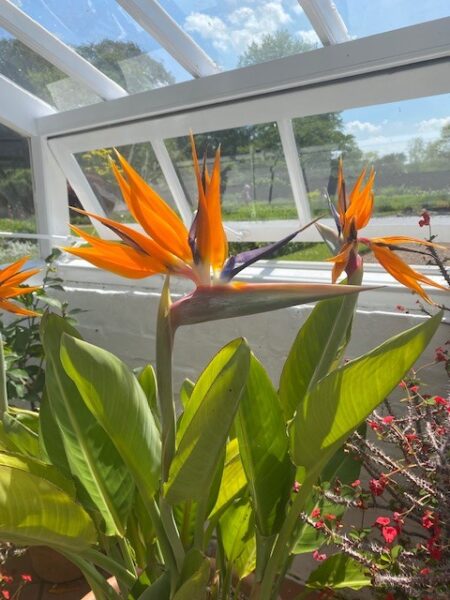
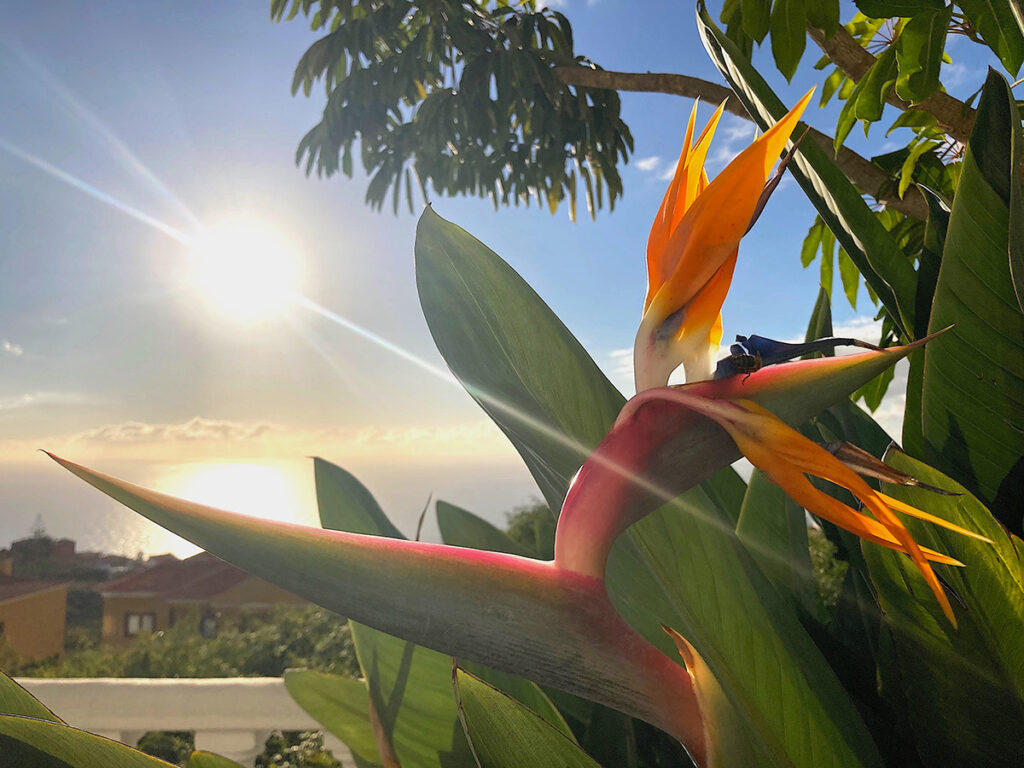
The most known type is the Strelitzia reginae. It has orange and blue flowers shaped like birds.
Another type is the Strelitzia nicolai, also called the giant bird of paradise. It grows much taller and has white flowers.
- Strelitzia reginae: Small, bright orange and blue flowers.
- Strelitzia nicolai: Large, white flowers with tall leaves.
- Strelitzia juncea: Thin leaves and orange flowers.
Indoor Vs Outdoor Varieties
Some bird of paradise plants grow well inside homes. Others need outdoor space and sunlight.
Indoor types stay smaller and can live in pots. Outdoor types grow large and need lots of sun.
- Indoor varieties: Strelitzia reginae, smaller and pot-friendly.
- Outdoor varieties: Strelitzia nicolai, grows tall and wide.
Ideal Growing Conditions
Bird of Paradise flowers need the right conditions to grow well. They are tropical plants that thrive in warm and sunny places.
Understanding their sunlight, soil, and temperature needs helps you keep them healthy and blooming.
Sunlight Requirements
Bird of Paradise plants grow best in full sunlight. They need at least six hours of direct sun every day. Too little light can slow their growth and reduce flowering.
Soil Preferences
These flowers prefer well-draining soil that holds moisture but does not stay soggy. A mix of sandy and loamy soil works well.
- Use soil rich in organic matter
- Ensure good drainage to avoid root rot
- A slightly acidic to neutral pH (6.0 to 7.5) is ideal
Temperature And Humidity
| Condition | Ideal Range |
|---|---|
| Temperature | 65°F to 70°F (18°C to 21°C) during day |
| Night Temperature | 50°F to 55°F (10°C to 13°C) |
| Humidity | Moderate to high humidity (50% or more) |
Protect Bird of Paradise from frost and cold drafts. They grow best in stable, warm environments with some humidity.
Planting Tips
Growing Bird of Paradise flowers requires care at the start. Good planting helps your plant thrive.
This guide covers selecting healthy plants, planting methods, and spacing for strong growth.
Selecting Healthy Plants
Choose plants with firm leaves and no spots. Avoid plants with yellow or brown edges.
Look for plants with strong stems and bright flowers or buds. This shows good health.
Proper Planting Techniques
Plant Bird of Paradise in well-draining soil. Dig a hole twice as wide as the root ball.
- Remove the plant gently from its container.
- Loosen the roots if they are tight or circling.
- Place the plant in the hole at the same soil level.
- Fill the hole with soil and press down firmly.
- Water deeply right after planting.
Spacing And Potting
| Plant Type | Recommended Spacing | Pot Size |
| Outdoor Garden | 5 to 6 feet apart | Not applicable |
| Indoor Pot | Not applicable | 12 to 14 inches diameter |
| Container Grouping | 3 feet apart | 18 inches or larger |
Give your Bird of Paradise enough room to grow. Crowded plants may grow slowly or get sick.

Credit: plantologyusa.com
Watering And Fertilizing
Bird of Paradise flowers need careful watering and feeding to grow well. Giving the right amount of water and nutrients helps the plant bloom beautifully.
In this guide, you will learn how often to water and what fertilizers work best. You will also find signs to watch for if the plant gets too much or too little water.
Watering Frequency
Water your Bird of Paradise once a week during warm months. In cooler months, reduce watering to every two weeks. Always check the soil before watering. If the top 2 inches are dry, it is time to water.
Best Fertilizers To Use
Use fertilizers that are high in potassium and phosphorus to support blooming. Balanced fertilizers with equal parts nitrogen, phosphorus, and potassium also work well.
- Apply fertilizer every 4 to 6 weeks during growing season.
- Choose slow-release or liquid fertilizers for steady feeding.
- Follow package instructions to avoid overfeeding.
Signs Of Overwatering And Underwatering
| Condition | Signs | Effect on Plant |
| Overwatering | Yellow leaves, soft stems, moldy soil | Root rot, weak growth |
| Underwatering | Brown leaf edges, dry soil, wilting | Leaf drop, slow growth |
Check the soil and leaves regularly. Adjust watering based on these signs to keep your Bird of Paradise healthy.
Pruning And Maintenance
Bird of Paradise flowers need regular care to stay healthy and bloom well. Pruning and maintenance help the plant grow strong.
Proper care removes old parts and keeps pests away. This helps your plant look its best all year.
When And How To Prune
Prune Bird of Paradise plants in late winter or early spring. This is before new growth starts.
Use sharp, clean tools to cut stems. Remove old flower stalks and any damaged stems at the base.
- Cut flower stalks after blooming
- Remove dead or weak stems
- Trim to shape the plant if needed
Removing Dead Leaves
Check your Bird of Paradise often for dead or yellow leaves. These can block sunlight and waste energy.
Gently pull or cut dead leaves near the base. Clean leaves help the plant breathe and grow better.
- Remove leaves that are brown or dry
- Use clean scissors or pruning shears
- Clear fallen leaves from soil surface
Pest And Disease Control
Bird of Paradise plants can get pests like spider mites and scale. Watch for small bugs or sticky spots on leaves.
Use insecticidal soap or neem oil to treat pests. Keep the plant clean and avoid overwatering to prevent diseases.
- Inspect leaves weekly for pests
- Spray with insecticidal soap if needed
- Remove infected leaves to stop spread
- Avoid water on leaves to prevent fungus
Encouraging Blooms
Bird of Paradise flowers bring bright color and tropical style. To see more blooms, you need to care for the plant well. Encouraging blooms means giving the right conditions and care.
This guide explains how to help your Bird of Paradise grow flowers by focusing on flower growth and bloom cycles.
Stimulating Flower Growth
Flower growth depends on sunlight, water, and nutrients. Your plant needs enough light and food to produce blooms.
- Place the plant in a spot with full sunlight for at least six hours daily.
- Water regularly but avoid waterlogging the soil.
- Use a balanced fertilizer with extra phosphorus to encourage flowers.
- Remove dead leaves to direct energy to flower production.
- Keep the temperature between 65°F and 70°F for best growth.
Managing Blooming Cycles
Bird of Paradise plants bloom in cycles. Knowing how to manage these cycles helps you get more flowers.
| Bloom Phase | Care Tips |
| Pre-Bloom | Increase watering and fertilizing to support bud formation. |
| Bloom | Keep soil moist and provide bright light but avoid direct midday sun. |
| Post-Bloom | Cut spent flowers and reduce watering slightly to rest the plant. |
| Dormant | Water sparingly and avoid fertilizing until new growth begins. |
Troubleshooting Common Issues
Growing Bird of Paradise flowers can be rewarding, but sometimes problems arise. These issues can slow growth or damage the plant.
Knowing how to spot and fix common problems helps keep your plant healthy and blooming.
Dealing With Yellow Leaves
Yellow leaves on Bird of Paradise plants usually show stress. This can happen from overwatering or poor drainage.
- Check soil moisture and let it dry slightly before watering again.
- Ensure the pot has good drainage holes to prevent root rot.
- Move the plant to a spot with bright, indirect sunlight.
- Remove yellow leaves to improve appearance and plant health.
Addressing Slow Growth
Slow growth can result from poor light, lack of nutrients, or root problems. Fix these to help your plant grow better.
| Cause | Solution |
| Low Light | Move to a brighter location with indirect sunlight |
| Low Nutrients | Feed with balanced fertilizer every 4-6 weeks |
| Root Bound | Repot into a larger container with fresh soil |
| Cold Temperatures | Keep plant in temperatures above 50°F (10°C) |
Handling Pest Infestations
Pests like spider mites, scale, and mealybugs can harm Bird of Paradise plants. Catch infestations early for best control.
Use this simple pest control routine:
- Inspect leaves regularly for small bugs or sticky residue.
- Wipe leaves with a damp cloth to remove pests.
- Spray with insecticidal soap or neem oil once a week.
- Keep the plant clean and remove dead leaves.
- Isolate the plant from others if pests are found.
Credit: plantsmith.co.uk
Propagation Methods
Bird of Paradise flowers grow well from division and seeds. Both methods help create new plants. Choose the one that fits your gardening style.
Propagation takes patience but is rewarding. You can enjoy more of these bright flowers in your garden.
Division Techniques
Divide mature Bird of Paradise plants to make new ones. This method works best in spring or early summer. It helps the plant stay healthy and bloom more.
- Carefully dig up the whole plant.
- Use a sharp knife to cut the root ball into sections.
- Each section should have roots and leaves.
- Plant divisions in well-drained soil and water them.
- Keep the new plants in shade until they grow strong.
Growing From Seeds
Growing Bird of Paradise from seeds takes more time but is rewarding. Seeds need soaking and warmth to start sprouting. Patience is key for success.
| Step | Action | Details |
| 1 | Seed Soaking | Soak seeds in warm water for 24-48 hours to soften the seed coat. |
| 2 | Planting | Plant seeds 1 inch deep in seed-starting mix. |
| 3 | Temperature | Keep soil at 70-85°F (21-29°C) for germination. |
| 4 | Watering | Keep soil moist but not wet. |
| 5 | Germination Time | Seeds sprout in 2-6 weeks, sometimes longer. |
Frequently Asked Questions
How Often Should I Water Bird Of Paradise Plants?
Water Bird of Paradise plants deeply once a week during growing season. Reduce watering in winter. Avoid waterlogging to prevent root rot.
What Type Of Soil Is Best For Bird Of Paradise?
Use well-draining, rich soil with organic matter. A mix of loam, sand, and peat works well to support healthy growth.
How Much Sunlight Do Bird Of Paradise Flowers Need?
They need full sun to partial shade. At least 4-6 hours of direct sunlight daily promotes vibrant blooms and strong growth.
When Is The Best Time To Fertilize Bird of Paradise?
Fertilize every 2-3 weeks during spring and summer using a balanced, water-soluble fertilizer to encourage flowering and healthy foliage.
Conclusion
Growing Bird of Paradise flowers can be a rewarding experience. These vibrant plants add beauty to any garden. They need sunlight and well-drained soil to thrive. Regular watering keeps them healthy. Fertilize during the growing season for the best results.
Pruning helps maintain their shape and encourages blooms. Protect them from frost in colder climates. With patience and care, you’ll enjoy their stunning flowers. Your garden will become a tropical paradise. Start today and watch your Bird of Paradise flourish.
Enjoy the journey of nurturing these exotic beauties. Your efforts will be worthwhile.