Toucan in Hot Climate: Smart Survival Adaptations Explained
Have you ever wondered how toucans survive and thrive in hot climates? If you’re curious How is the Toucan Adapted to Hot Climate, the answer lies in some truly clever natural features. These colorful birds don’t just rely on their bright feathers to stand out—they have smart ways to stay cool when the sun blazes down.
Understanding how toucans adapt to heat can surprise you and change the way you see these fascinating creatures. Keep reading, and you’ll discover the secrets behind their unique survival skills that could even inspire how you handle hot days yourself.
Toucan Habitat And Climate
Toucans live in warm, tropical places. They mostly stay in rainforests near the equator.
The climate in their homes is hot and humid. This affects how toucans survive and act.
Tropical Rainforest Environment
Toucans live high in the trees of tropical rainforests. These forests have many plants and animals.
The rainforest stays green all year. It has heavy rain and warm weather every day.
- Lots of trees provide shade and food
- Rain keeps the air moist
- Temperature stays warm, around 77-86°F (25-30°C)
Temperature Challenges
Hot weather can make it hard for toucans to stay cool. They need ways to avoid heat stress.
Toucans have large bills that help release heat from their bodies. This stops them from overheating.
- The bill has many blood vessels to cool blood
- Toucans can adjust blood flow to control heat loss
- They rest in shaded areas during the hottest hours

Credit: www.cnn.com
Beak As A Cooling Tool
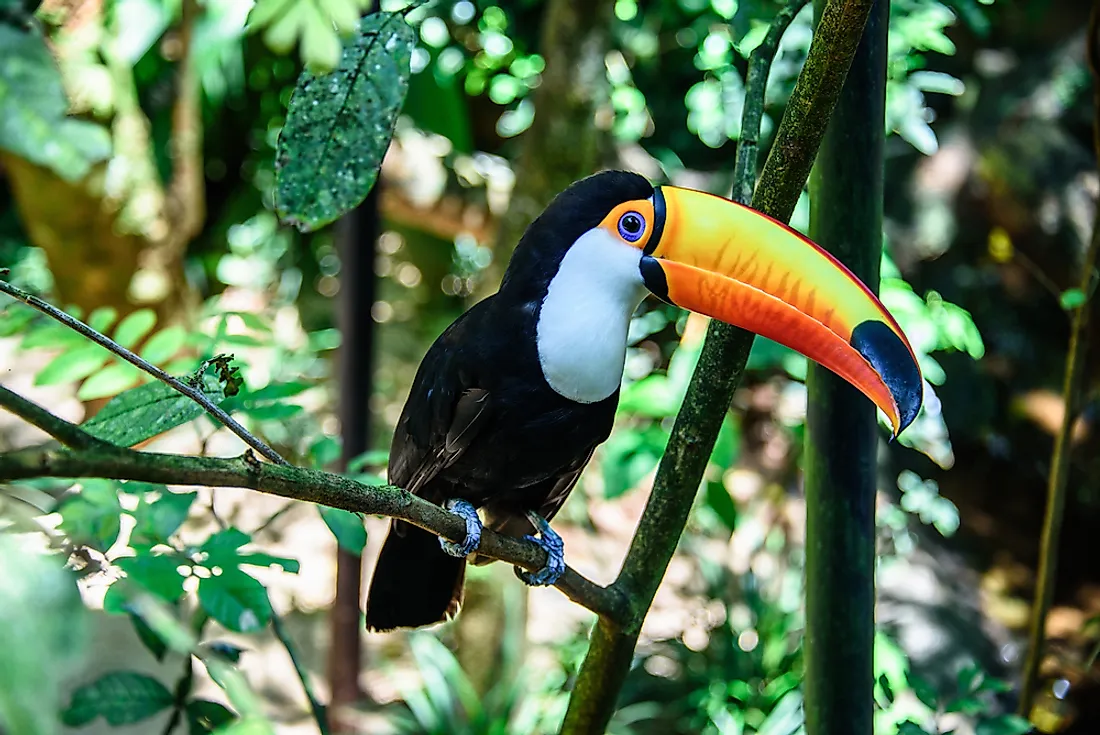
The toucan lives in hot and humid places. It has a big, colorful beak that is more than just for show. This beak helps the toucan stay cool in warm weather.
The beak acts like a radiator. It lets heat leave the bird’s body, helping to lower its temperature.
Physiological Ecologists confirm the power: "Our research confirmed the toucan's bill is an exceptionally effective thermal window. By adjusting blood flow, the bill allows the bird to shed up to 100% of its total resting heat production at warmer temperatures. In essence, a toucan can dump its entire metabolic heat load into the air via its beak, making it one of the most remarkable non-evaporative cooling systems in the avian world."
Blood Flow Regulation
The toucan controls blood flow to its beak to manage heat. When it is hot, more blood goes to the beak.
This increases heat transfer from the blood to the air outside. When it is cool, blood flow to the beak decreases.
- More blood flow cools the bird
- Less blood flow keeps heat inside
- Blood vessels in the beak expand and contract
Heat Dissipation Mechanism
The toucan’s beak has many tiny blood vessels close to the surface. This helps heat leave the body quickly.
Air passing over the beak cools the blood inside. This process helps the bird lose extra heat without sweating.
- Large surface area for heat loss
- Thin skin allows heat to escape
- Blood vessels carry heat to the beak surface
Feather Adaptations
Toucans live in hot climates and need ways to stay cool. Their feathers help them survive the heat.
Feathers protect their bodies from sun and heat. They have special features to keep toucans comfortable.
Lightweight Plumage
Toucans have lightweight feathers that do not hold much heat. This helps them avoid getting too hot.
The feathers are thin and soft. They allow air to flow close to the skin to cool the bird.
Coloration And Heat Reflection
Toucans have feathers with bright colors that reflect sunlight. This lowers the amount of heat they absorb.
Dark feathers absorb more heat, but toucans use light colors on parts of their body. This helps keep them cool.
- Bright yellow and white feathers reflect sunlight
- Black feathers cover less body area to reduce heat absorption
- Color patterns break up heat spots on their body
Credit: www.worldatlas.com
Behavioral Strategies
Toucans live in hot climates and use behavior to stay cool. Their actions help them avoid heat stress.
They change where and when they are active to control their body temperature.
Shade Seeking Habits
Toucans spend a lot of time in the shade during the hottest parts of the day. This helps them avoid direct sunlight and heat.
They often rest under large leaves or inside tree branches where shade is plentiful.
- Resting in shaded areas lowers their body temperature.
- Shade protects their bright colors from fading in the sun.
- It helps them save water by reducing the need to pant.
Activity Timing
Toucans adjust their daily activities to cooler times of day. They are most active early in the morning and late in the afternoon.
They avoid intense heat by resting during midday when the sun is strongest.
- Morning and evening are best for feeding and flying.
- Less activity during midday reduces overheating risks.
- This timing helps conserve energy and water.
Water Conservation Techniques
Toucans live in hot climates where water is scarce. They use special ways to save water. These techniques help them stay healthy and survive.
Water conservation is important for toucans. It helps them avoid dehydration and keep cool in dry heat.
Efficient Hydration
Toucans drink water carefully to get the most from each sip. They often drink early in the morning when water is cool and fresh.
They also eat fruits with high water content. This gives them extra hydration without needing to find water often.
- Drink water in the early morning
- Eat water-rich fruits
- Use dew or rainwater on leaves
Minimizing Water Loss
Toucans keep water inside their bodies by reducing sweating and breathing moisture loss. Their skin helps slow down water loss.
They also rest during the hottest parts of the day. This lowers their body temperature and cuts down water loss.
- Limit activity during hot hours
- Use skin to reduce sweating
- Breathe slowly to save moisture
Credit: www.euronews.com
Metabolic Adjustments
The toucan lives in hot climates and must adjust its metabolism to survive. These adjustments help the bird save energy and stay cool.
Understanding these changes shows how the toucan thrives despite heat and limited resources.
Energy Use Optimization
The toucan lowers its energy use by changing how it processes food and moves. It reduces unnecessary activity to save energy.
- Slows down metabolic rate during the hottest parts of the day
- Uses fat stores efficiently for energy
- Minimizes energy spent on movement by resting often
- Consumes food that provides high energy with less effort
Temperature Regulation
The toucan controls its body temperature through metabolic changes. These help it avoid overheating in hot weather.
| Method | Description |
| Reduced Heat Production | Lower metabolic rate means less body heat is made |
| Heat Dissipation | Increased blood flow to the beak releases heat |
| Water Use | Metabolic water helps keep the bird hydrated |
Frequently Asked Questions
How Does The Toucan Regulate Its Body Temperature?
The toucan uses its large bill to release heat efficiently. Blood flow to the bill increases to cool down. This natural radiator helps the bird stay cool in hot climates.
Why Is The Toucan's Bill Important In Hot Weather?
The bill acts as a heat exchanger. It helps disperse excess body heat. This adaptation prevents overheating during high temperatures.
What Habitat Features Support Toucans In Hot Climates?
Toucans live in dense tropical forests with ample shade. The canopy provides cooler microclimates. Access to water sources also helps them stay hydrated.
How Do Toucans' Behaviors Aid Heat Adaptation?
Toucans limit activity during peak heat hours. They seek shade and rest to avoid overheating. These behaviors reduce energy use and heat stress.
Conclusion
Toucans thrive in hot climates thanks to their unique adaptations. Their large beaks help cool their bodies. This feature acts like a radiator. Lightweight bodies allow easy movement through trees. Dense feathers provide sun protection. Their diet includes tropical fruits, which are plentiful in the heat.
Toucans also blend into their environment, avoiding predators. Their loud calls communicate effectively across the dense jungle. These traits ensure their survival and success in warm habitats. Understanding these adaptations reveals nature's incredible design. Toucans truly embody life in the tropics, showcasing resilience and adaptability.