Keeping your bird happy and healthy starts with a clean cage. But do you know how to disinfect a bird cage properly?
Simply wiping down the surfaces isn’t enough to get rid of harmful germs and bacteria that can make your feathered friend sick. In this guide, you’ll discover easy, effective steps to thoroughly disinfect your bird cage. By following these tips, you’ll create a safe and fresh environment for your bird to thrive.
Keep reading to learn how to protect your pet and give them the clean home they deserve.
Choosing The Right Disinfectant
Cleaning a bird cage requires a disinfectant that is both safe and effective. Picking the wrong product can harm your bird's health. It is important to understand which disinfectants protect your bird without causing danger.
We will explore safe disinfectant choices and chemicals to avoid. This helps keep your pet healthy and your cage clean.
Safe Options For Birds
Choose disinfectants made specifically for bird cages or pets. These products kill germs but do not leave harmful residues. Natural ingredients often work well and reduce risks.
- Use diluted white vinegar as a gentle disinfectant.
- Consider hydrogen peroxide in low concentrations.
- Look for bird-safe commercial disinfectants labeled non-toxic.
- Soap and water are useful for daily cleaning before disinfecting.
- Rinse cages well after disinfecting to remove any leftover chemicals.
Avoiding Harmful Chemicals
Some disinfectants contain chemicals that can harm birds. Avoid these to protect your pet’s respiratory system and skin.
| Chemical | Why to Avoid |
| Bleach (Sodium Hypochlorite) | Can cause lung damage and skin irritation |
| Phenols | Toxic fumes harmful to birds |
| Ammonia | Strong fumes that irritate eyes and breathing |
| Quaternary Ammonium Compounds | May cause allergic reactions and toxicity |
Preparing The Cage For Cleaning
Cleaning a bird cage starts with good preparation. Proper steps make the process easier and safer.
Removing the birds and cage parts carefully helps avoid stress and damage during cleaning.
Removing Birds And Accessories
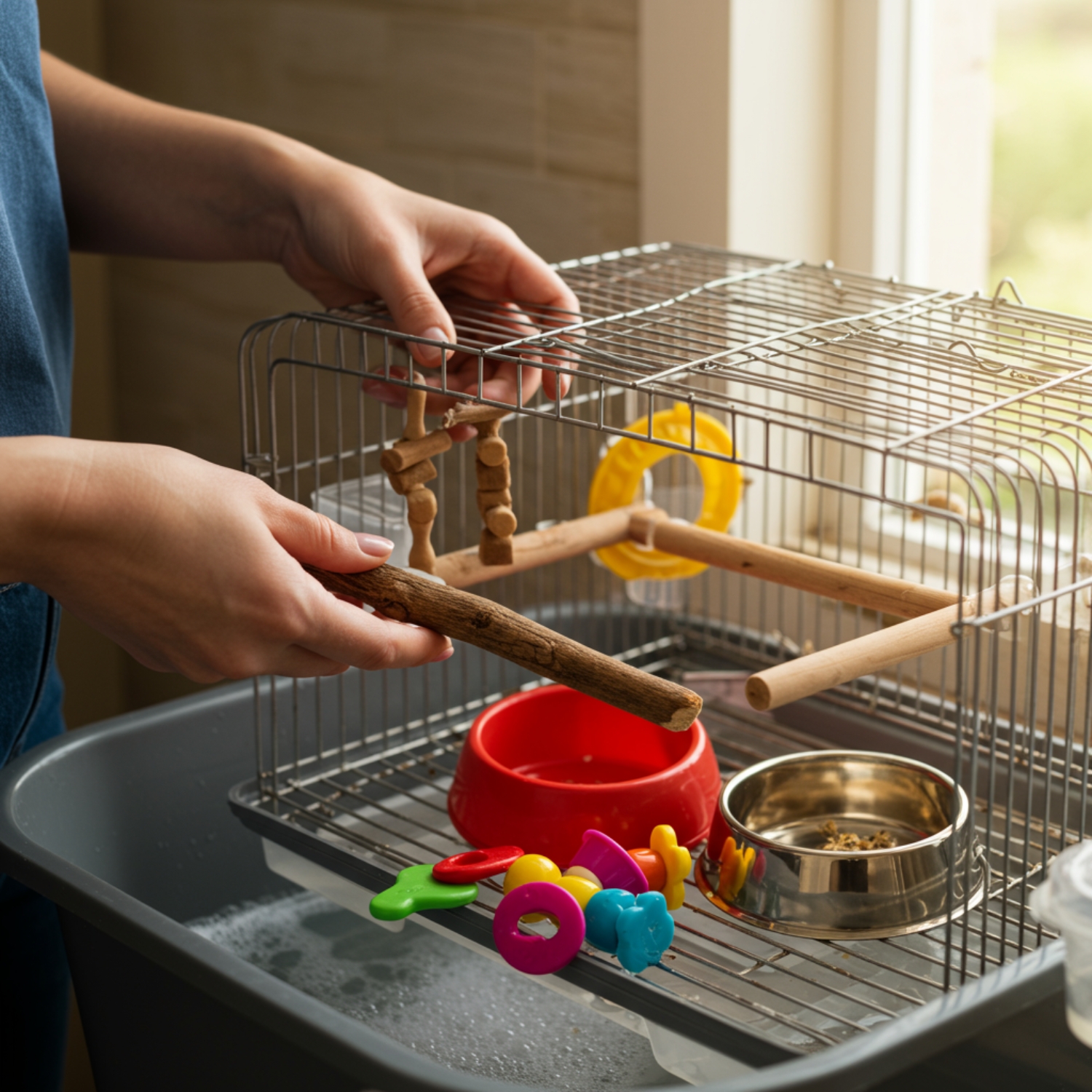
Take the birds out of the cage first and place them in a safe, temporary space. Remove all toys, dishes, perches, and other accessories before cleaning.
- Place your birds in a secure travel cage or another safe area.
- Remove food and water bowls from the cage.
- Take out all toys and hanging accessories.
- Remove perches and ladders carefully to avoid damage.
- Check each item for wear or damage before cleaning.
Disassembling Cage Parts
Take apart the cage carefully to reach all surfaces. Disassembling makes deep cleaning easier and more effective.
| Part | Cleaning Tip |
| Tray | Remove and wash with warm soapy water. |
| Grate | Lift out gently and scrub to remove droppings. |
| Bars | Separate panels if possible for better access. |
| Doors and Locks | Open and clean all hinges and locks thoroughly. |
Cleaning Before Disinfection
Cleaning a bird cage before disinfection is important. It removes dirt and bird waste. This helps the disinfectant work better.
Start with removing all loose materials. Then wash the cage using soap and water. This two-step process prepares the cage well.
Removing Debris And Waste
Remove all food scraps, feathers, and droppings from the cage. Use gloves to keep your hands clean. Take out all toys, perches, and trays for separate cleaning.
- Take the bird out safely.
- Remove loose debris with a brush or cloth.
- Empty food and water dishes.
- Dispose of waste in a trash bag.
- Separate cage parts for detailed cleaning.
Washing With Soap And Water
Use warm water and mild soap to wash the cage. Clean every corner and bar. Rinse well to remove soap residue. Dry the cage completely before disinfecting.
| Cleaning Item | Tips |
| Cage Bars | Scrub with brush for tough spots |
| Trays | Soak in soapy water for 10 minutes |
| Toys and Perches | Wash separately and dry well |
| Food and Water Dishes | Clean daily with soap |
Disinfecting The Cage
Cleaning your bird’s cage is important to keep your pet healthy. Disinfecting the cage kills germs and harmful bacteria.
Use safe disinfectants and follow the right steps. This guide helps you clean the cage well.
Applying The Disinfectant
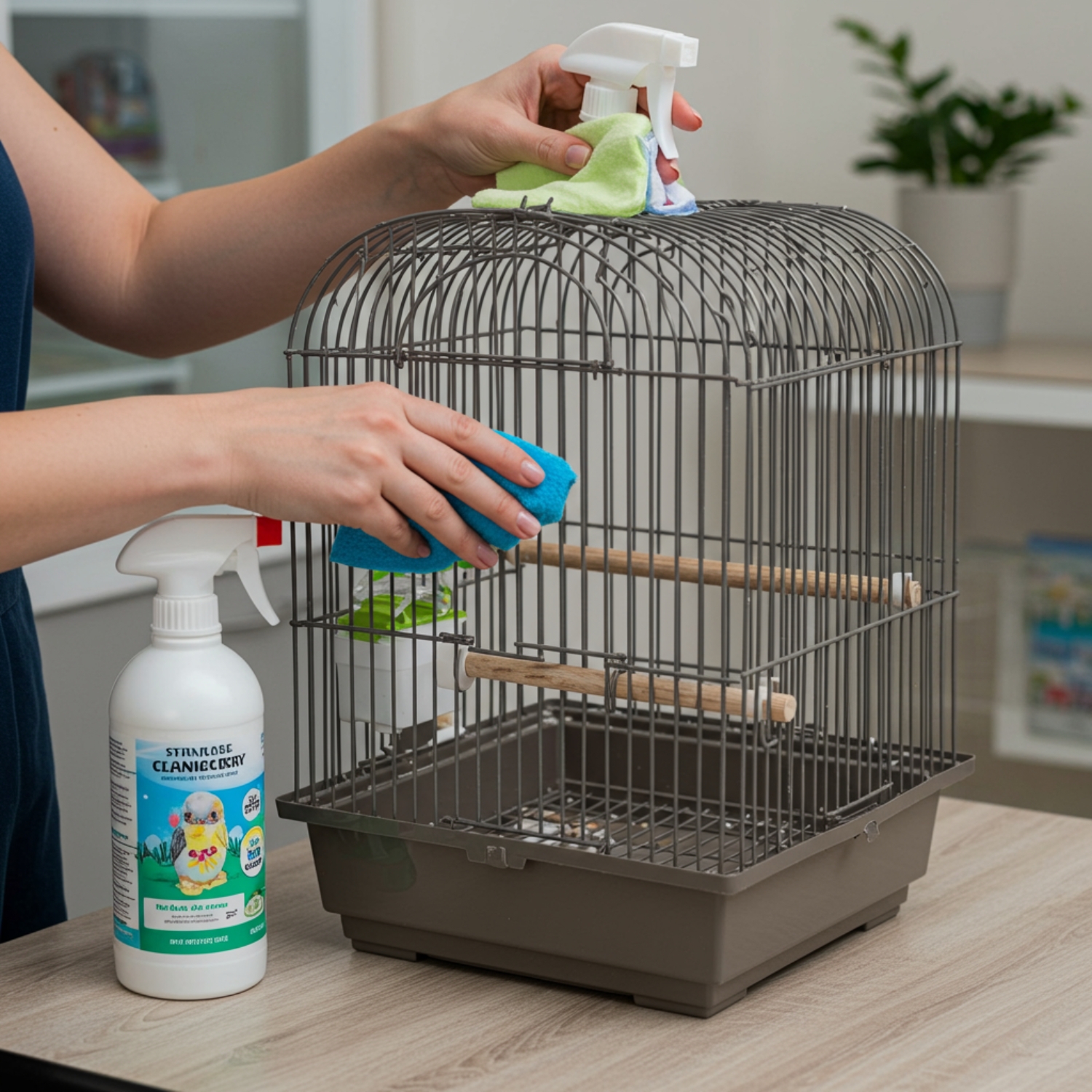
Choose a disinfectant that is safe for birds. Spray or wipe it evenly on all cage surfaces, including bars, trays, and perches.
- Remove all toys and food dishes before applying.
- Cover every part of the cage, even corners.
- Use gloves to protect your hands.
- Avoid mixing disinfectants to prevent harmful fumes.
Proper Contact Time
Let the disinfectant sit on the cage for enough time. This allows it to kill germs effectively.
| Disinfectant Type | Recommended Contact Time |
| Bleach Solution (1:10) | 10 minutes |
| Commercial Bird-Safe Spray | 5 to 10 minutes |
| Vinegar Solution | 10 minutes |
Rinsing Thoroughly
After the disinfectant works, rinse the cage well with clean water. This removes any leftover chemicals.
Follow these rinsing tips:
- Use a hose or a large container to wash all areas.
- Make sure no disinfectant remains on surfaces.
- Dry the cage completely before putting your bird back.
Drying And Reassembling
After disinfecting a bird cage, drying and putting it back together is very important. Moisture can cause mold and harm your bird.
Taking time to dry and carefully reassemble keeps the cage safe and clean for your pet.
Ensuring Complete Dryness
Make sure the bird cage is completely dry before using it again. Water left in the cage can cause bacteria growth.
Use a clean towel to dry all parts well. Then, leave the cage in a warm, sunny place for several hours.
- Wipe down bars, trays, and corners with a dry cloth
- Air dry in direct sunlight if possible
- Check for any damp spots before reassembling
Reinstalling Accessories
After the cage is dry, put all the accessories back inside. This includes perches, feeders, and toys.
Clean each accessory before placing it back. This helps keep the cage hygienic and safe for your bird.
- Attach perches securely to avoid falling
- Refill feeders and water cups with fresh supplies
- Hang toys at easy-to-reach spots for the bird
Credit: www.ojcommerce.com
Regular Maintenance Tips
Keeping your bird cage clean is important for your pet’s health. Regular cleaning stops germs and bad smells.
Doing simple tasks often makes deep cleaning easier. A clean cage keeps your bird happy and safe.
Daily Spot Cleaning
Check the cage every day for dirty spots. Remove leftover food and droppings to keep the cage fresh.
Wipe down areas with a damp cloth. This helps stop bacteria from growing and keeps the cage dry.
- Remove uneaten food and water spills
- Clean bird droppings from perches and trays
- Wipe dirty bars or surfaces with a soft cloth
- Replace soiled bedding or paper liners
Weekly Deep Cleaning
Once a week, clean the whole cage thoroughly. This removes germs and keeps your bird healthy.
Take the cage apart if possible. Wash all parts with warm water and mild soap, then rinse well.
- Remove your bird and place it safely elsewhere
- Disassemble the cage parts and remove toys and dishes
- Scrub cage bars, perches, and trays with soap and water
- Rinse all pieces thoroughly to remove soap
- Dry everything completely before reassembling the cage
- Clean toys and dishes with hot soapy water or a safe disinfectant
Signs Of An Unsafe Cage Environment
Keeping a bird cage clean is important for your bird’s health. Dirty cages can cause sickness and stress.
Watch for signs in your bird and the cage that show the environment is unsafe. Early action helps your bird stay healthy.
Health Indicators In Birds
Birds show many signs when their cage is not safe. These signs tell you your bird might be sick or unhappy.
- Dull feathers or feather loss
- Less active than usual
- Changes in eating or drinking habits
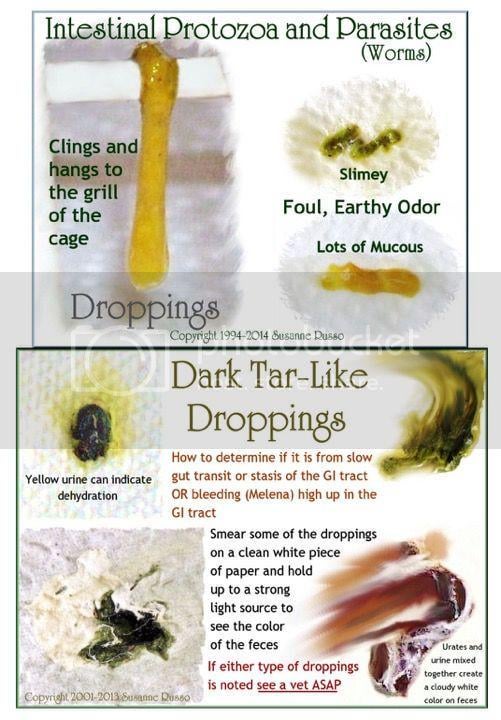
- Unusual droppings or diarrhea
- Excessive sneezing or coughing
- Swollen eyes or beak
- Constant scratching or biting at feathers
Cage Condition Alerts
Look at the cage itself for problems. A dirty or damaged cage can harm your bird.
| Cage Issue | Possible Effect |
|---|---|
| Dirty food and water dishes | Germs causing illness |
| Accumulated droppings and debris | Bad odors and bacteria growth |
| Rust or chipped paint | Poisoning or injury |
| Broken or loose bars | Escape risk or injury |
| Inadequate ventilation | Respiratory problems |
Credit: www.ojcommerce.com

Credit: www.amazon.com
Frequently Asked Questions
How Often Should I Disinfect My Bird Cage?
Disinfect your bird cage at least once a week. Regular cleaning prevents bacteria buildup and keeps your bird healthy. Spot clean daily to remove droppings and food debris. Deep cleaning ensures a safe, hygienic environment for your pet bird.
What Is The Best Disinfectant For Bird Cages?
Use bird-safe disinfectants like diluted white vinegar or a mild bleach solution. Avoid harsh chemicals that can harm birds. Always rinse thoroughly after disinfecting to remove any residue. These options effectively kill germs without risking your bird’s health.
Can I Use Household Cleaners To Disinfect Bird Cages?
Avoid most household cleaners as they contain toxic chemicals. Use only bird-safe disinfectants recommended for pet cages. Household cleaners may leave harmful residues that birds can inhale or ingest. Always prioritize your bird’s safety when choosing cleaning products.
How Do I Safely Disinfect A Bird Cage?
Remove your bird before cleaning. Wear gloves and use bird-safe disinfectants. Clean all cage parts thoroughly, including perches and toys. Rinse well and dry completely before returning your bird to its cage. This process ensures effective and safe disinfection.
Conclusion
Keeping your bird's cage clean ensures their health and happiness. Regular cleaning removes harmful germs and keeps your feathered friend safe. Use bird-safe cleaners for the best results. Always rinse thoroughly to avoid any residue. Dry everything before putting it back in the cage.
This prevents mold and bacteria growth. A clean cage means a happy bird. Your bird will thank you with joyful chirps. So, make cage cleaning a routine. It’s a simple task with big rewards. Enjoy a healthier, more vibrant life with your beloved pet.