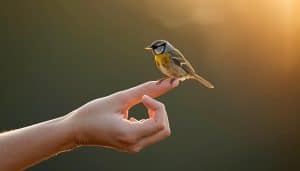
Have you ever dreamed of a bird gently landing on your finger? It’s a magical moment that feels like a special connection with nature.
But How to Get a Bird to Perch on Your Finger? You might think it’s just luck, but with the right approach, you can encourage birds to trust you and come closer. You’ll discover simple, proven steps to get a bird to perch on your finger.
Whether you’re a beginner or have tried before without success, these tips will guide you to create that unforgettable experience. Ready to make a feathered friend? Let’s get started!
Credit: www.youtube.com
Choosing The Right Bird
Getting a bird to perch on your finger takes patience and the right choice of bird. Some birds are easier to train and trust humans more.
Selecting a bird with a calm nature helps build a good bond. This makes training faster and safer for both you and the bird.
Suitable Bird Species
Not all birds like to perch on fingers. Some species are friendlier and enjoy interaction with people.
- Budgerigars (Budgies) are small and social. They learn quickly.
- Cockatiels are gentle and enjoy being handled.
- Lovebirds can be friendly but need patience.
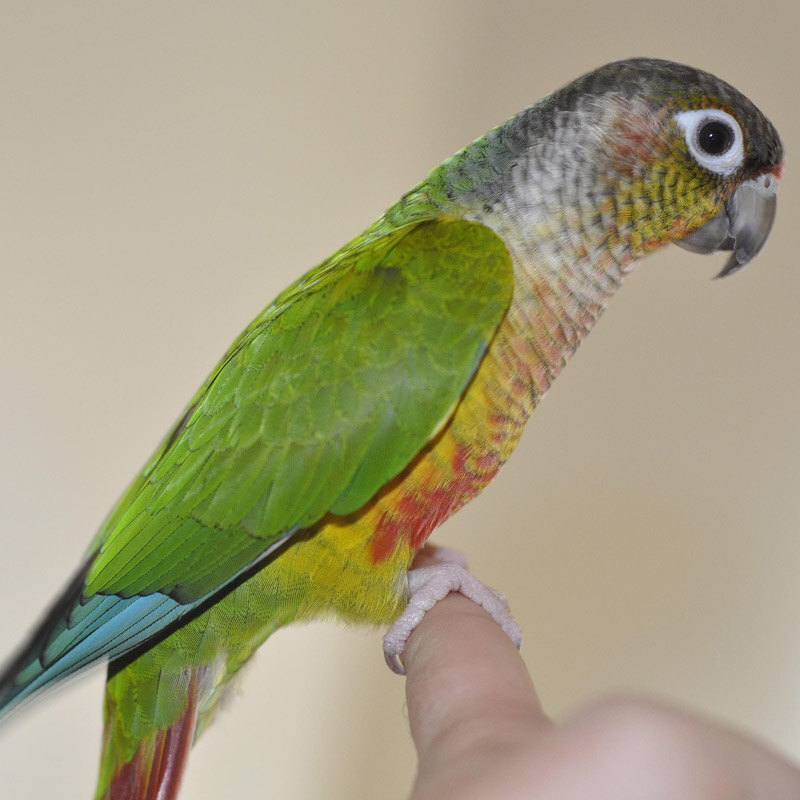
- Parrotlets are small parrots that bond well.
- Canaries and finches usually do not perch on fingers often.
Choose birds known for their calm and friendly behavior. Avoid wild or very shy birds as they may not perch easily.
Assessing Bird Temperament
Temperament means how a bird behaves and reacts to people. Calm and curious birds are easier to train.
Watch the bird’s body language. Relaxed birds will move close and show interest in your hand.
- Look for birds that do not bite or show fear.
- Birds that whistle or chirp calmly are usually friendly.
- Avoid birds that flap wings wildly or hide often.
- Spend time near the bird before trying to perch it on your finger.
Credit: lafeber.com
Creating A Safe Environment
Getting a bird to perch on your finger needs patience and care. The bird must feel safe to trust you.
A safe environment helps the bird stay calm and comfortable near you. This makes training easier and more enjoyable.
Setting Up A Calm Space
Choose a quiet room with soft lighting. Bright lights and loud noises can scare birds.
Keep the space clean and free of strong smells. Birds have sensitive noses and can get stressed.
- Pick a room with few windows to reduce outside noise
- Use gentle lighting, like a lamp or natural light
- Remove strong scents like perfumes or cleaning sprays
- Keep the area tidy to avoid sudden movements or surprises
Minimizing Distractions
Turn off TVs, radios, and phones. Sudden sounds can startle the bird.
Ask family members to stay calm and quiet. Too much activity can make the bird nervous.
- Silence electronic devices during training
- Limit the number of people in the room
- Avoid quick movements or loud voices
- Keep pets away to prevent stress
Building Trust With The Bird
Getting a bird to perch on your finger takes patience and care. Birds need to feel safe and calm before they trust you.
Building trust helps the bird feel comfortable around you. This makes it easier for the bird to land on your finger.
- Vet Technicians recommend vocal bonding: "During the trust-building phase, simple interaction is key. An excellent, low-stress bonding technique is to sing or hum a soft, simple tune to your bird daily. Birds use vocalization for social bonding in their flock, and a repetitive, calm song from you acts as a non-threatening, familiar 'contact call.' This helps the bird associate your presence with a peaceful, predictable sound, reinforcing trust without requiring any physical touch."
Approaching Slowly
Move your hand slowly toward the bird. Quick movements can scare the bird away.
Keep your hand steady and avoid sudden gestures. Let the bird watch your hand before you try to touch it.
- Move your hand gently and slowly
- Keep your fingers relaxed and still
- Allow the bird to see your hand coming
- Stop if the bird seems nervous
Using Treats Effectively
Offer small treats to the bird to gain its trust. Treats help the bird associate your hand with good things.
Hold the treat between your fingers and let the bird take it. This helps the bird feel safe while getting the treat.
- Choose healthy treats the bird likes
- Hold the treat where the bird can see it
- Be patient and wait for the bird to come
- Repeat often to build trust
Training Techniques For Perching
Teaching a bird to perch on your finger takes patience and care. You need to build trust with your bird first. Training helps the bird feel safe and ready to step up.
Use gentle methods and consistent practice. Small rewards and calm handling encourage your bird to learn the behavior easily.
Encouraging Step-up Behavior
Start by offering your finger close to the bird’s feet. Let the bird see and smell your finger. Do not force it to step up. Wait for the bird to move on its own.
- Hold your finger steady near the bird’s perch.
- Use a calm voice to invite the bird to step up.
- Give a small treat when the bird steps on your finger.
- Practice this for a few minutes each day.
- Gradually move your finger away from the perch to build trust.
- Behavior Consultants explain the pressure: "When training the step-up, the gentle upward pressure on the bird's chest or legs is critical because it triggers the bird’s innate 'opposing reflex'. In the wild, birds instinctively climb up when they feel pressure from below, viewing the pressure as a cue to seek a more stable, higher branch. By applying this slight pressure consistently after the verbal cue 'step up,' you are harnessing a natural instinct to teach a reliable, learned behavior."
Using Verbal And Visual Cues
Birds respond well to clear signals. Use the same words and hand movements every time. This helps the bird understand what you want.
| Type of Cue | Example | Purpose |
| Verbal | "Step up" | Encourages bird to climb on your finger |
| Visual | Finger held steady near perch | Shows bird where to step |
| Gesture | Slow finger movement | Guides bird gently |
Maintaining Patience And Consistency
Training a bird to perch on your finger takes time and care. Patience helps build trust between you and the bird. Consistency makes the bird feel safe and ready to learn.
It is important to keep training sessions regular and to watch the bird’s feelings. This helps you know when to continue and when to take a break.
Scheduling Regular Sessions
Set a daily time for short training sessions. Keep each session calm and quiet. Regular practice helps the bird get used to your finger.
- Choose a time when the bird is calm and alert
- Keep sessions between 5 and 10 minutes
- Use the same place to create a safe space
- End the session on a positive note
- Repeat daily for best results
Recognizing Bird's Comfort Levels
Watch the bird’s body language to see if it feels safe. Signs of comfort mean you can continue. Signs of stress mean it is time to stop or slow down.
| Behavior | Meaning |
| Relaxed feathers | Comfortable and calm |
| Slow blinking | Trust and relaxation |
| Flapping wings nervously | Stress or fear |
| Trying to fly away | Uncomfortable or scared |
| Pecking or biting finger | Discomfort or warning |
Safety Tips For You And The Bird
Getting a bird to perch on your finger can be a fun experience. It needs care to keep both you and the bird safe. Follow these tips to avoid harm and build trust.
Always be calm and gentle. Birds can get scared easily, so your actions should be slow and steady.
Handling With Care
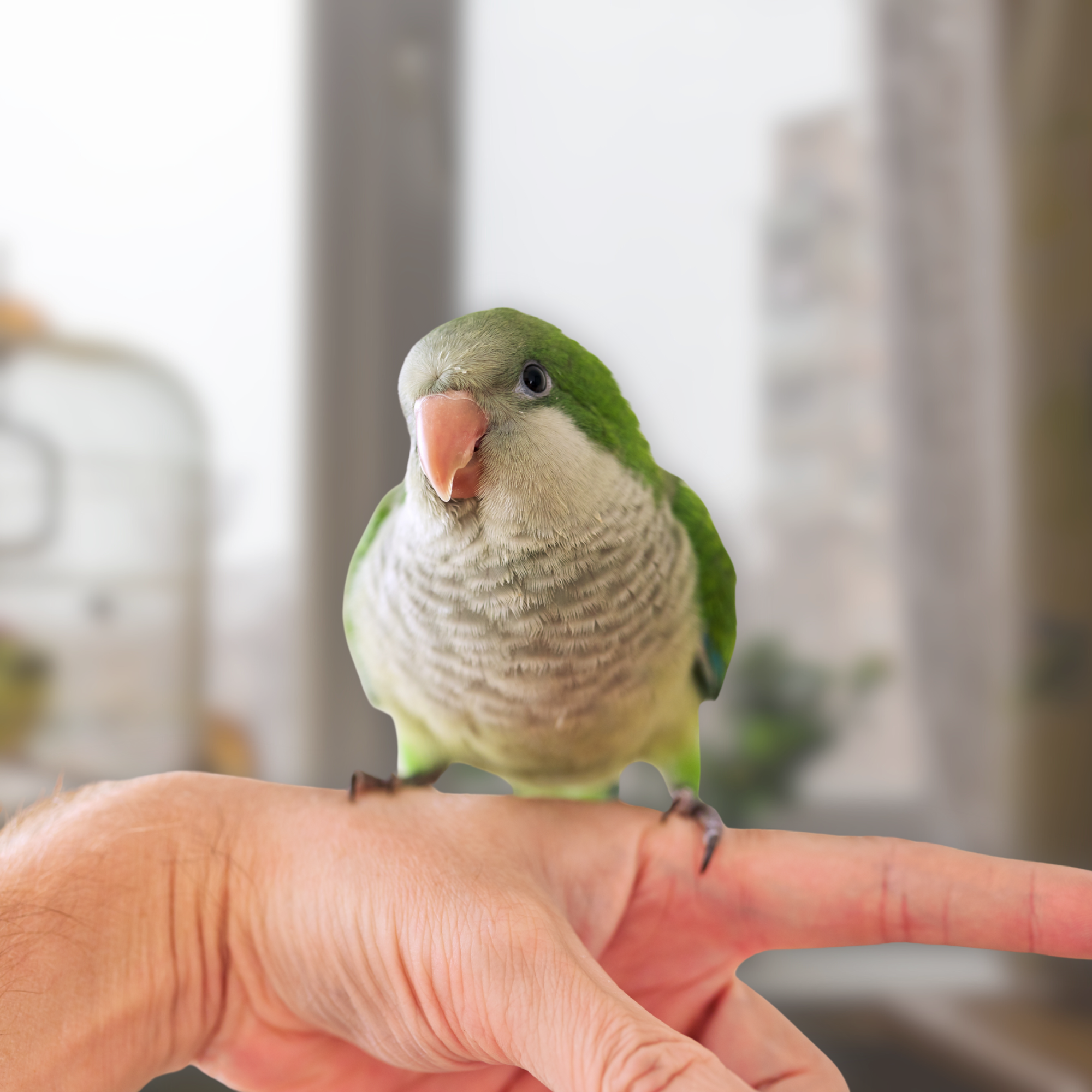
Hold your hand steady and offer your finger from below. Let the bird come to you on its own. Do not grab or force it to perch.
- Wash your hands before and after handling the bird to avoid germs.
- Keep your finger clean and free of strong smells.
- Do not wear rings or bracelets that can hurt the bird’s feet.
- Watch the bird’s body language for signs of stress.
- Offer treats to reward calm behavior.
Avoiding Common Mistakes
Many mistakes happen when people rush or do not know how birds react. Avoid these errors to keep the experience safe.
| Common Mistake | Why It’s Harmful | How to Avoid |
| Sudden movements | Scares the bird and can cause injury | Move slowly and calmly |
| Using force | Can hurt the bird’s wings or feet | Let the bird choose to perch |
| Ignoring bird’s signs | Leads to stress and biting | Stop if the bird shows discomfort |
| Handling too often | Causes exhaustion and stress | Limit sessions to short times |
Credit: birdsupplies.com
Frequently Asked Questions
How Do I Train A Bird To Perch On My Finger?
Start by offering treats on your finger to build trust. Use calm, slow movements. Repeat daily in a quiet space until the bird feels comfortable perching.
What Types Of Birds Perch Easily On Fingers?
Small, tame birds like parrots, finches, and budgies generally perch easily. Wild birds may need more patience and gradual trust-building before perching on fingers.
How Long Does It Take To Get A Bird To Perch?
It usually takes several days to weeks depending on the bird’s personality. Consistent, gentle training speeds up the process. Patience is key.
Is It Safe To Let A Bird Perch On My Finger?
Yes, if the bird is comfortable and healthy. Always wash hands before and after. Avoid sudden movements to keep the bird calm and safe.
Conclusion
Building trust with birds requires patience. Start slowly, with gentle movements. Birds sense calmness. Offer treats as rewards. This encourages them to perch. Speak softly while interacting. Your voice soothes them. Consistency is key. Practice daily, and you'll see progress.
Remember, each bird is unique. Some learn quickly, others take time. Stay patient and enjoy the process. Your bond will grow stronger. Soon, you'll have a feathered friend on your finger. Enjoy these special moments. They build lasting memories. Keep practicing these simple steps.
Your efforts will pay off. Happy bird bonding!